
AN ONLINE COURSE
The Floating World
Japanese Prints of the Edo Period
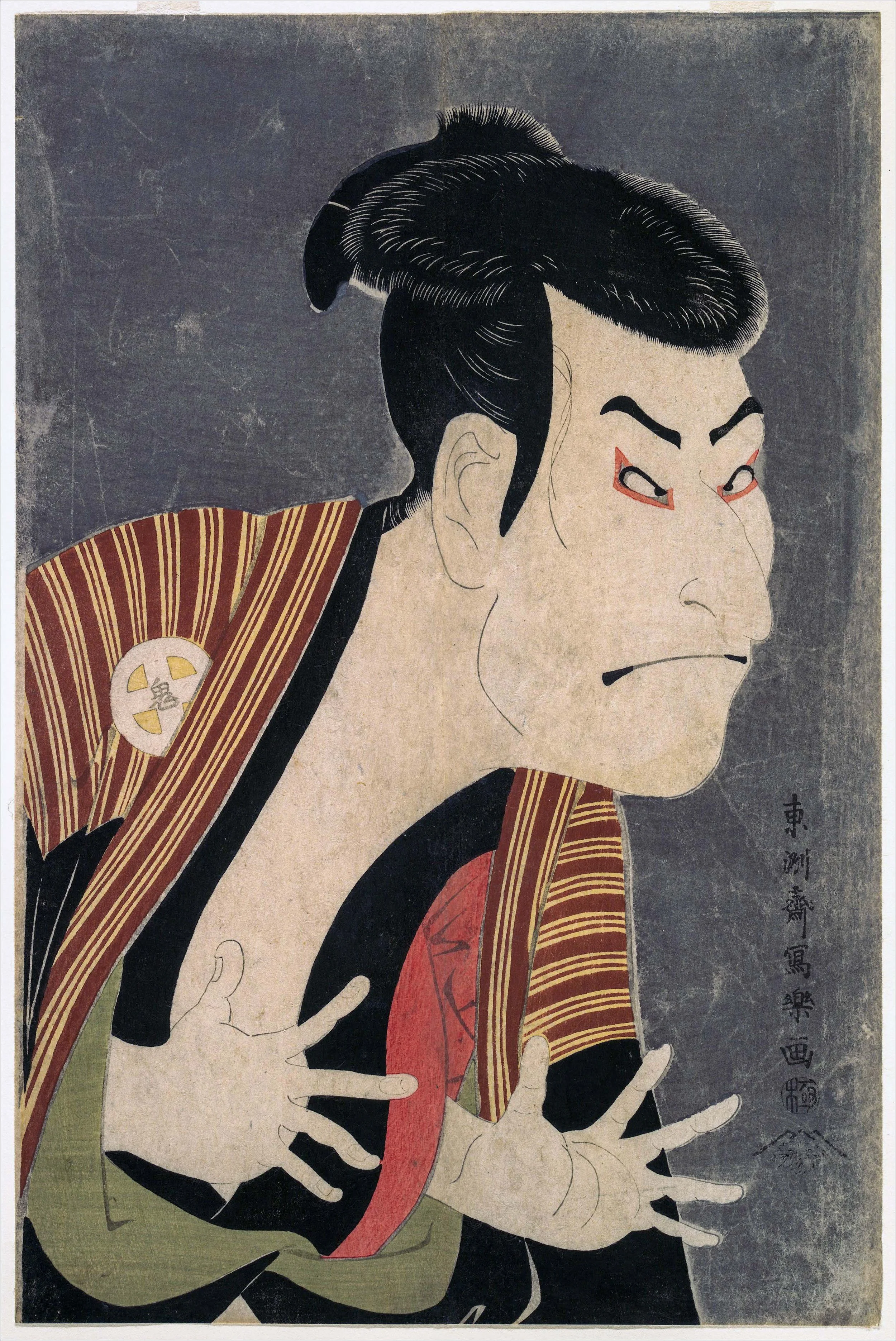
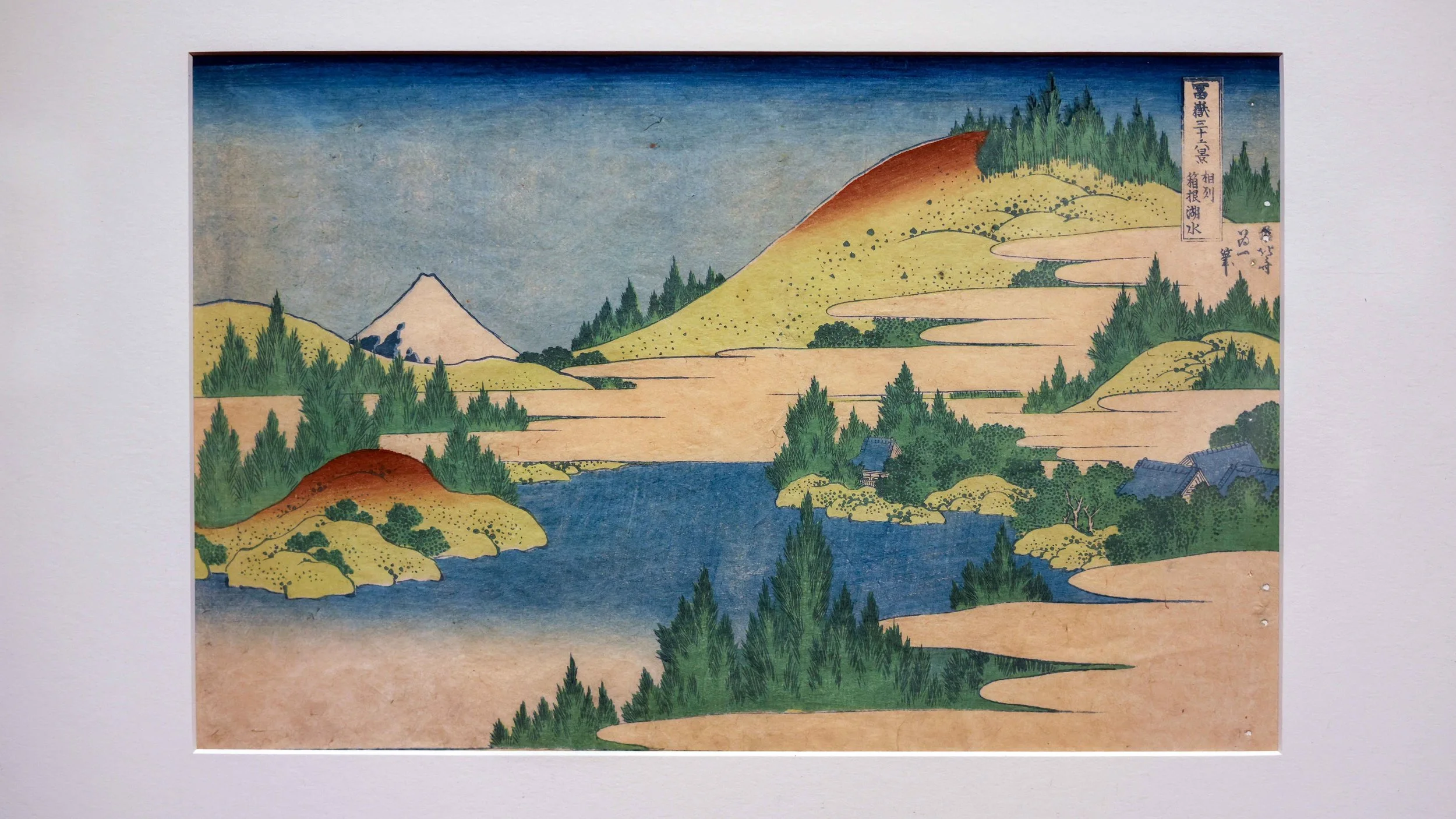
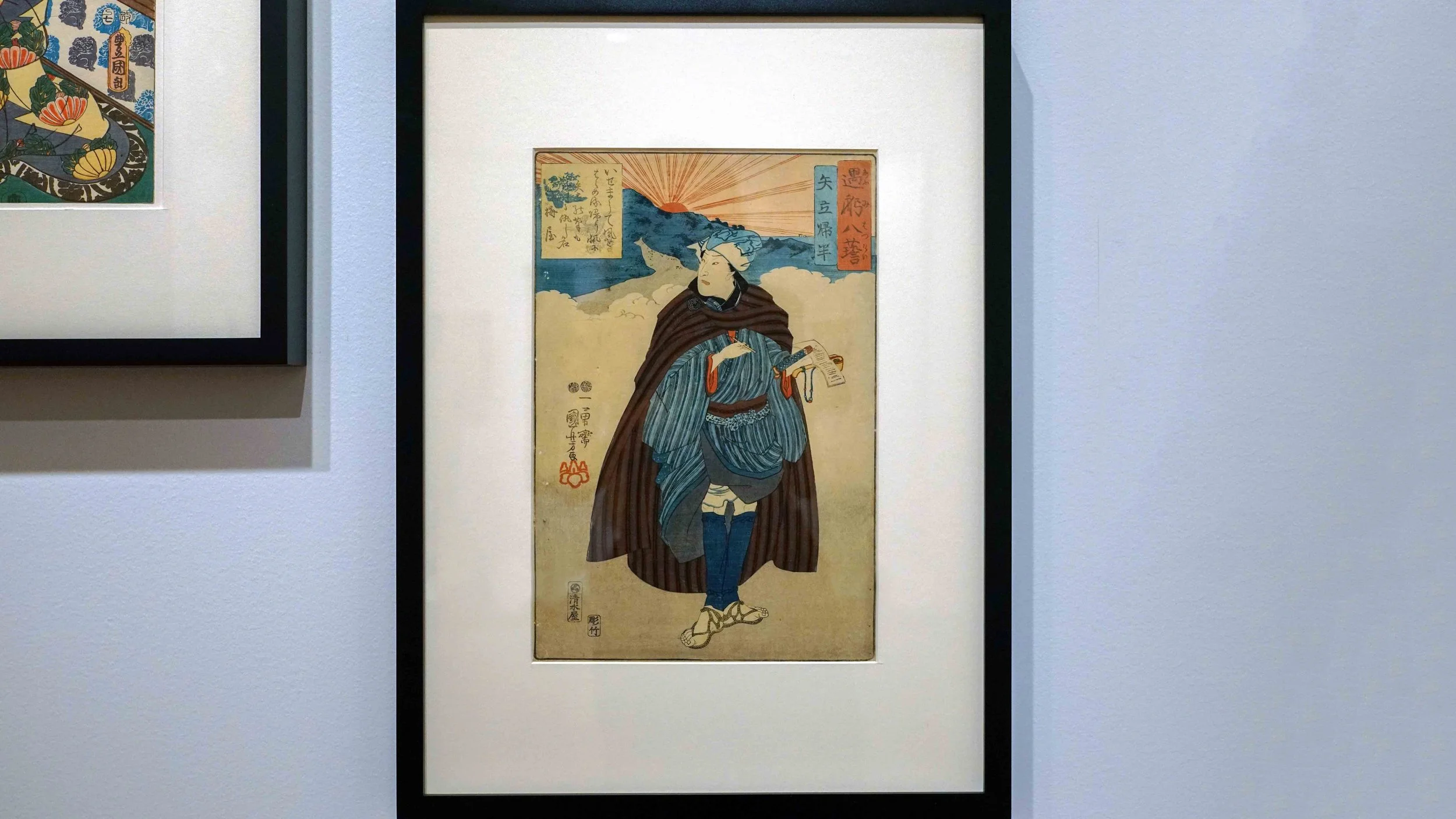
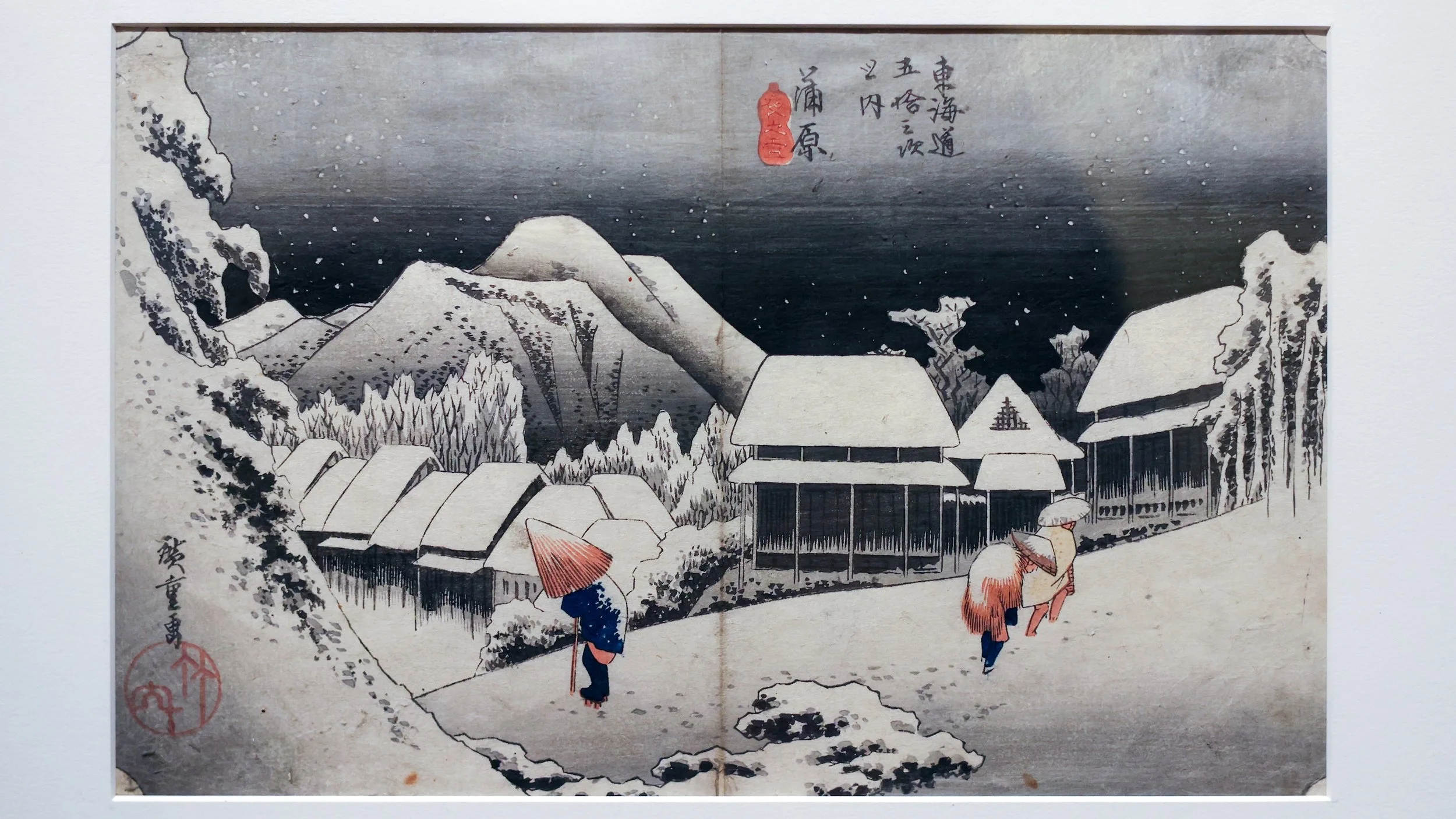
Woodblock prints, or ukiyo-e, from Edo period Japan are some of the most recognized images in the world. Most people have never heard the stories behind them, such as who made them and why. This online mini-course gives a brief overview of Japanese woodblock prints from the 17th through the 19th centuries.
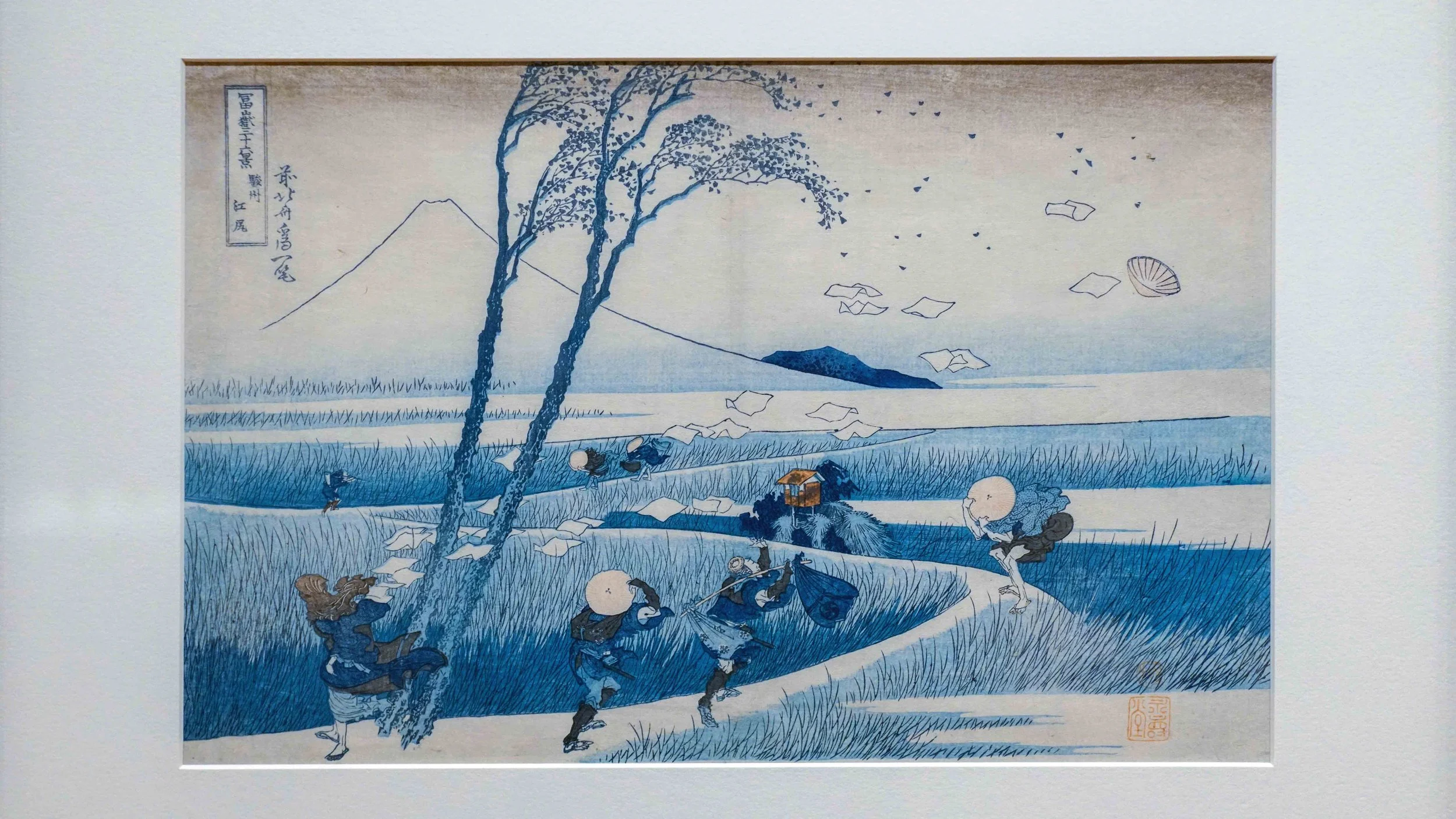
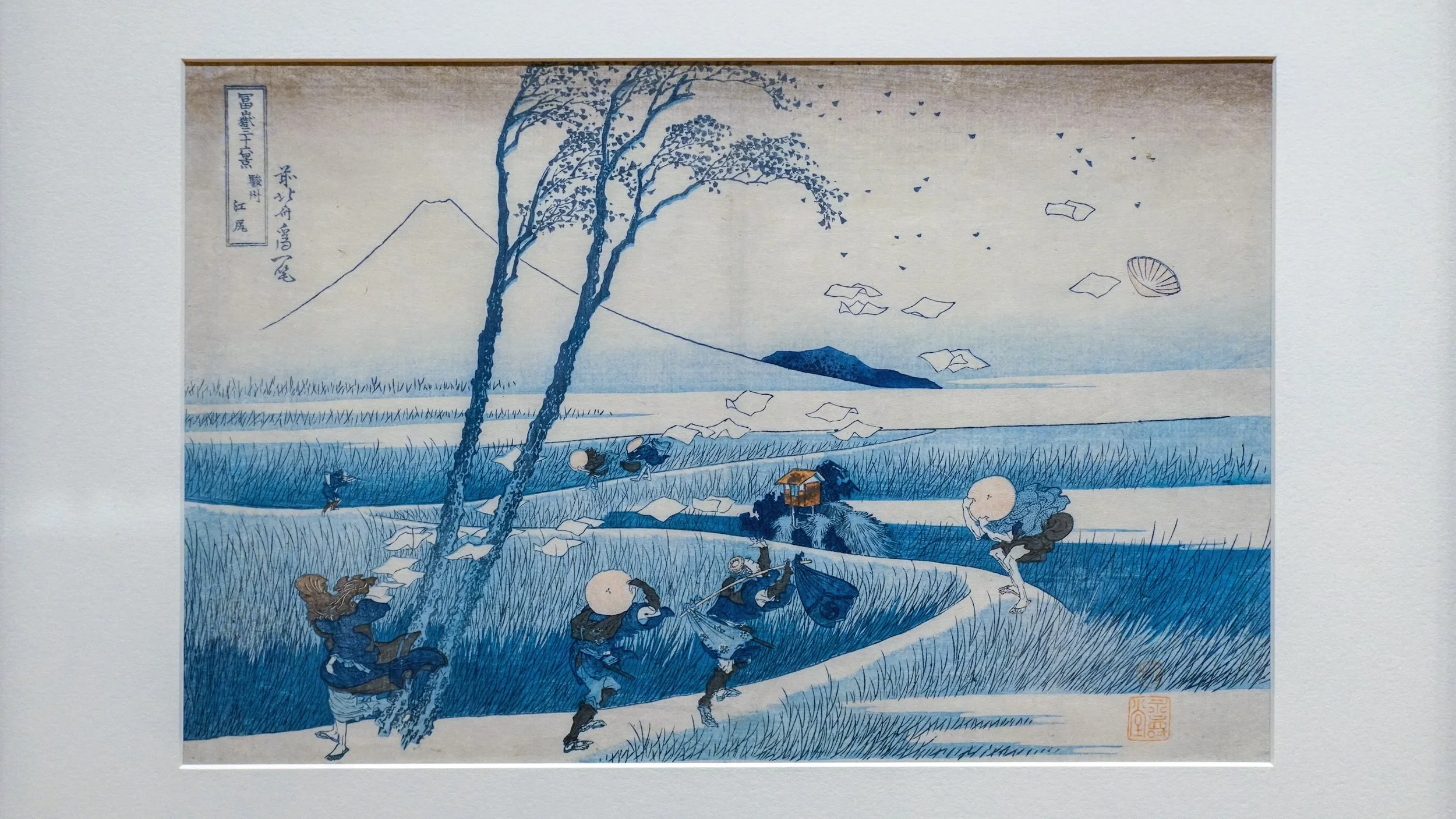
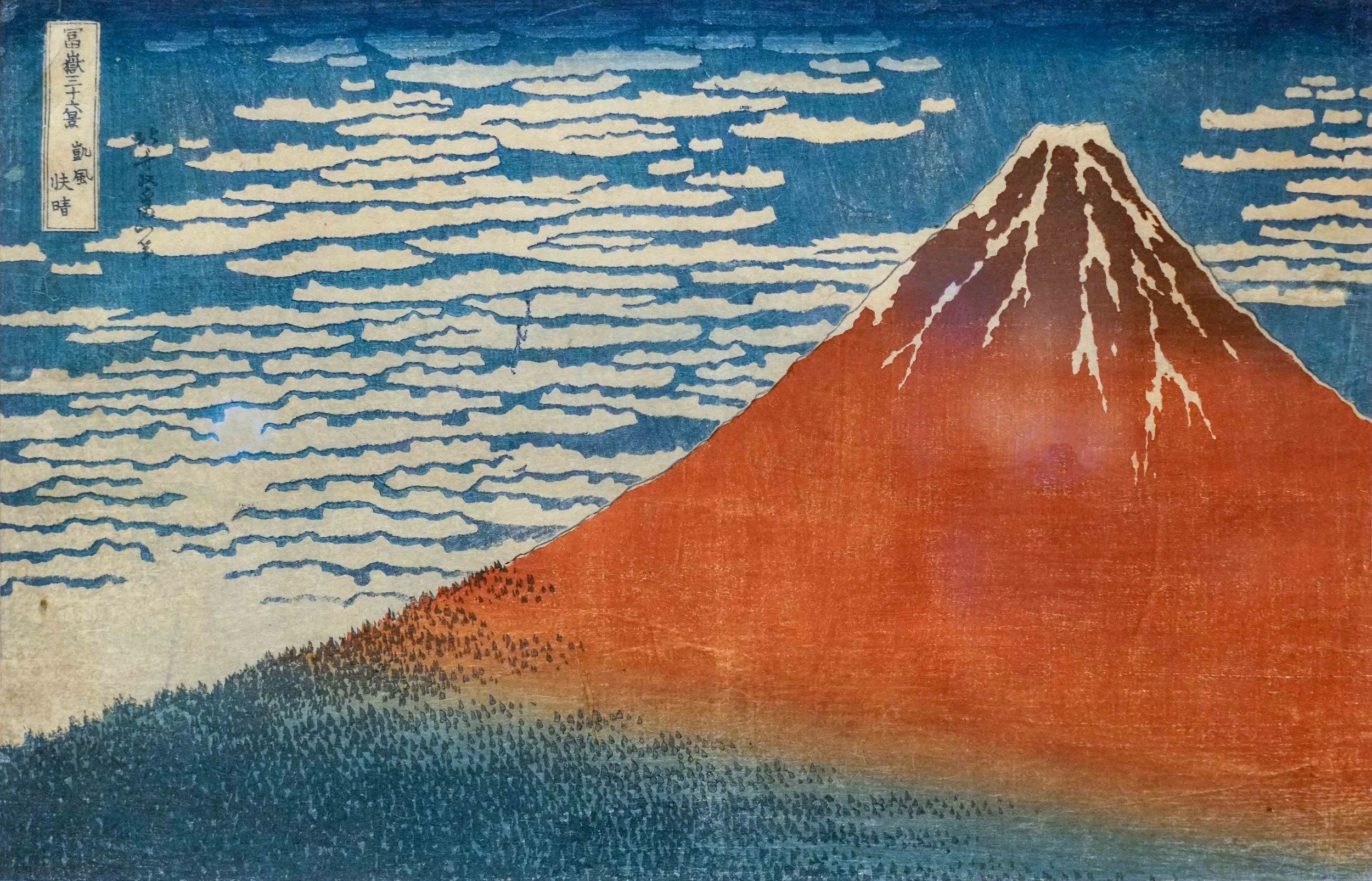
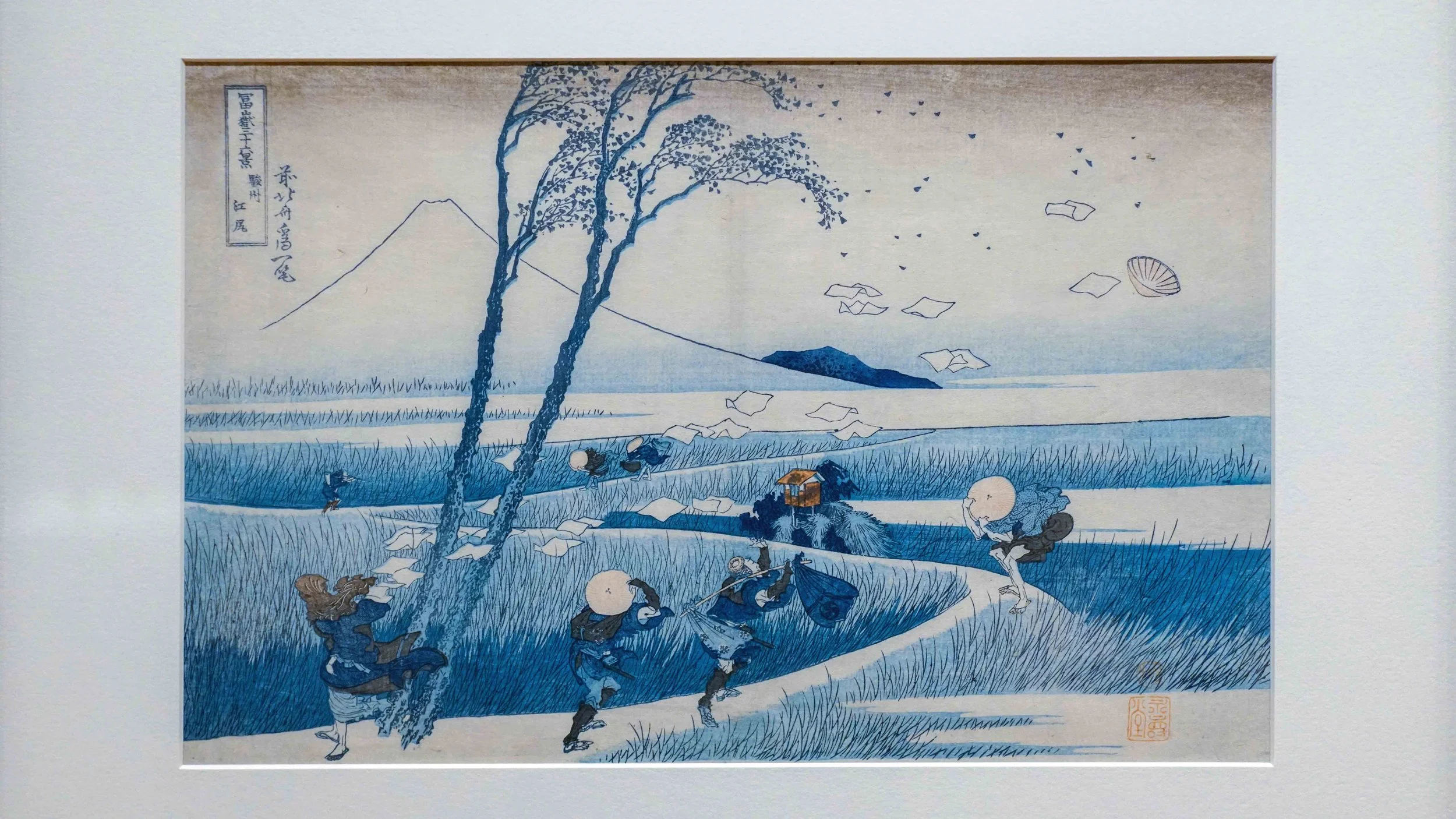
Hokusai
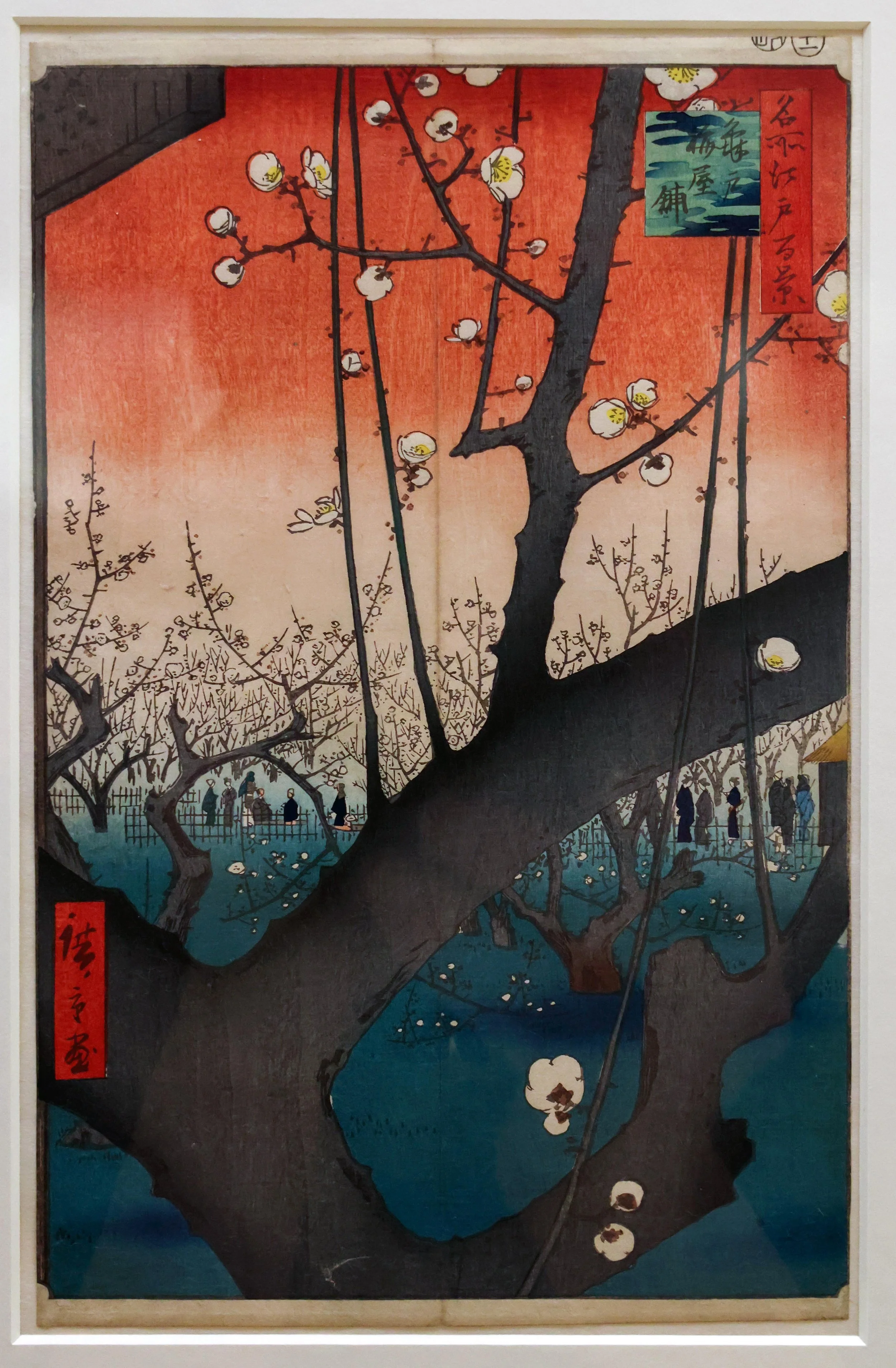
Hiroshige
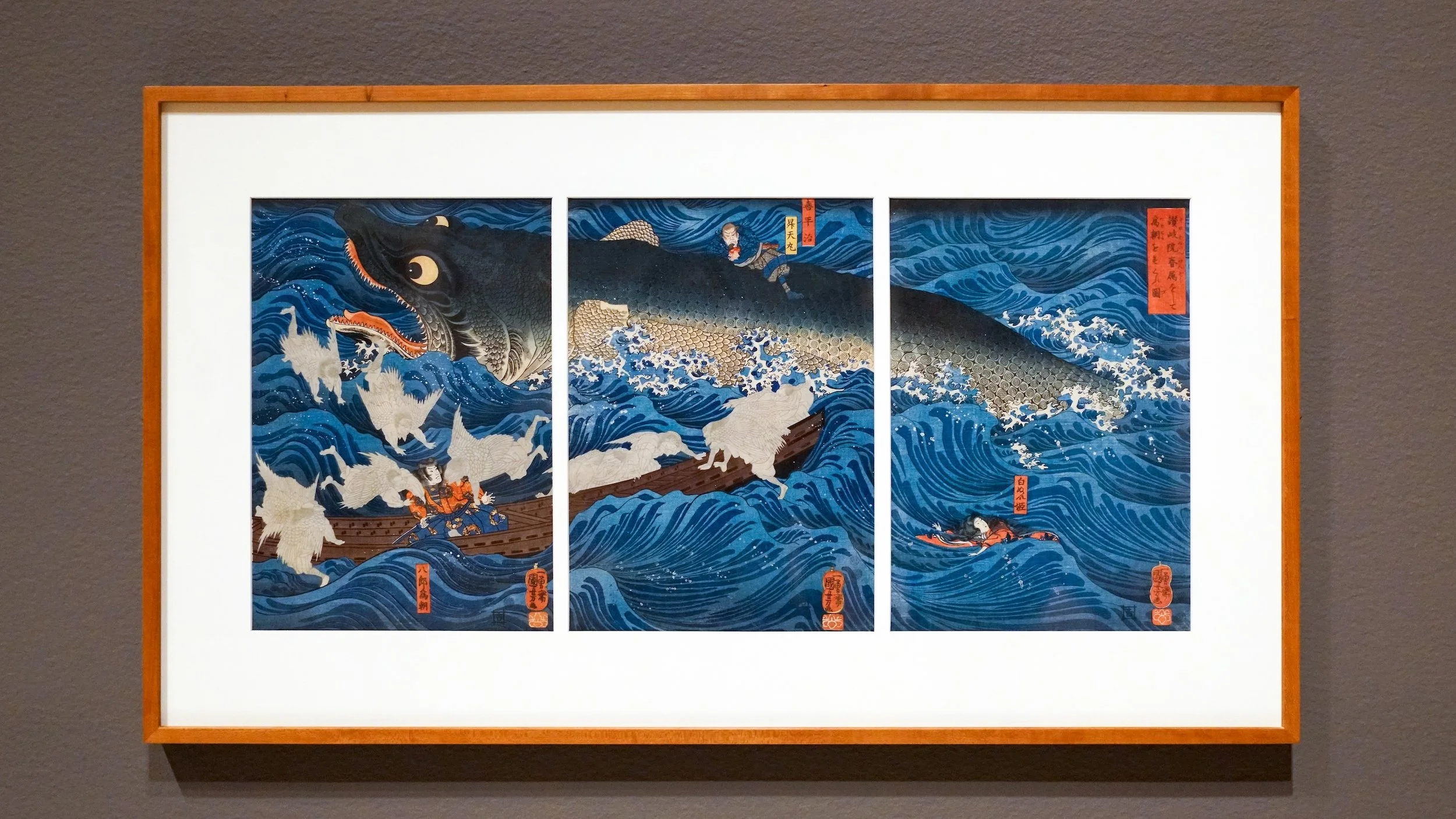
Ukiyo-e
Get to know the basics of Japanese prints .
Between the 17th and 19th centuries, artists in Edo Japan developed a printmaking tradition so visually powerful that it eventually crossed the Pacific and the Atlantic, influencing European artists like Monet, Van Gogh, and Toulouse-Lautrec. Understanding Japanese print history is not only about understanding Japanese art. It also helps understand European art styles and movements in the late 19th and early 20th centuries.
This FREE, short, self-paced online mini-course is your way in.
Your Guide

Dr. Cortney Chaffin Kim
Cortney earned an MA and PhD in East Asian Languages and Civilizations at the University of Pennsylvania. She specializes in the art and archaeology of Asia. One of her favorite classes to teach is a semester-long course on the history of Japanese woodblock prints. Read more about Cortney.
Enroll now!
〰️
Enroll now! 〰️
A mini-course about Japanese woodblock prints of the Edo period.
What’s it like?
-
Introductory
No prior experience required
-
Self-paced
Learn on your own time, at your own speed
-
7 Lessons
2+ hours of videos, text, & images
-

FREE
Revisit anytime—it’s yours forever
Who This Class Is For
-
Museum-goers
You have stood in front of a Japanese print in a museum and wanted to understand it more deeply.
-
Lifelong learners
You love art but have never had a formal way to study it.
-
Travelers
You are planning a trip to Japan and want the visual vocabulary to go with it.
Course Details
Introduction
A brief introduction to your guide and the course.
The Floating World of Edo Japan
Setting the stage for understanding Japanese woodblock prints and the Floating World.
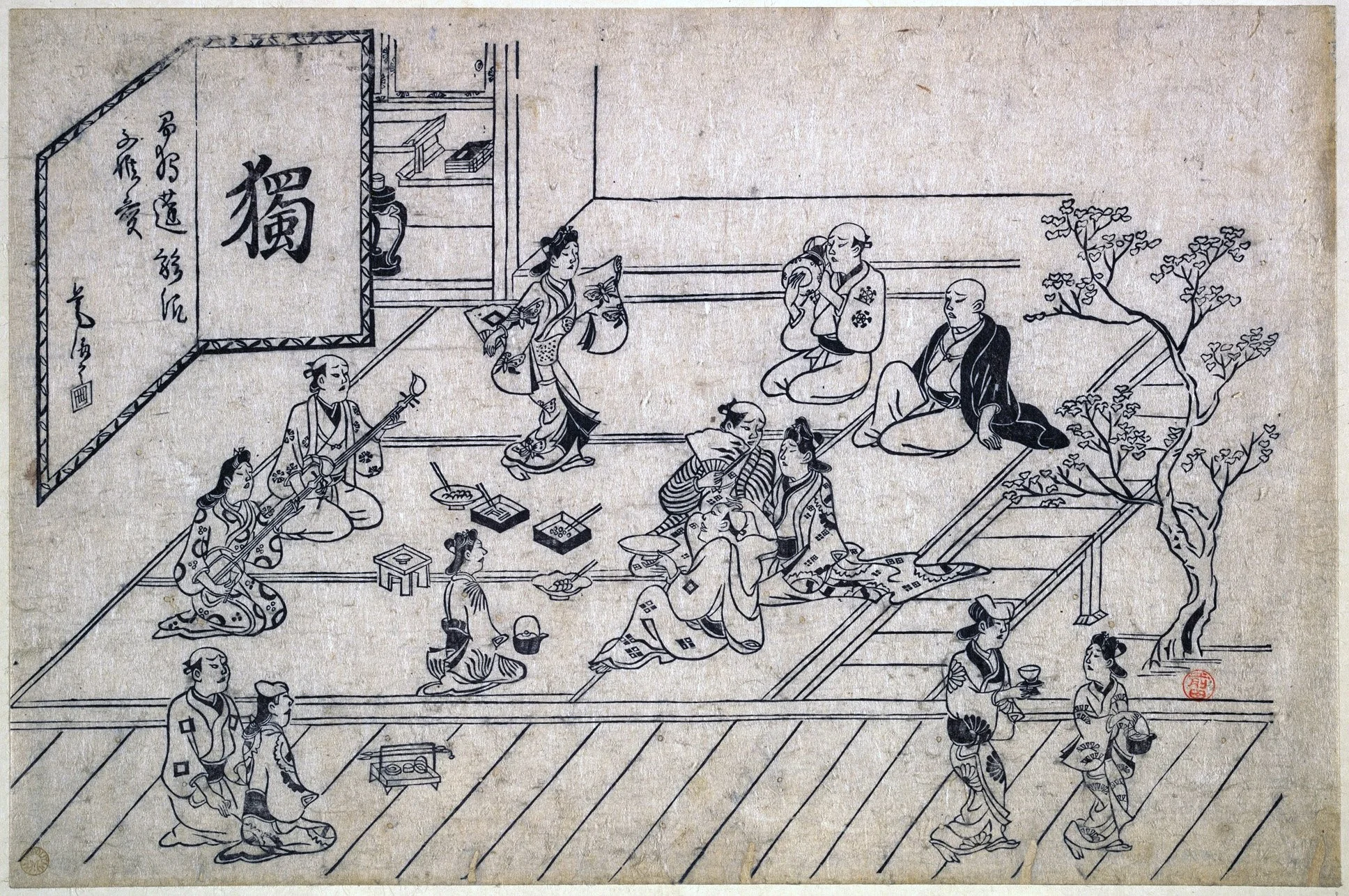
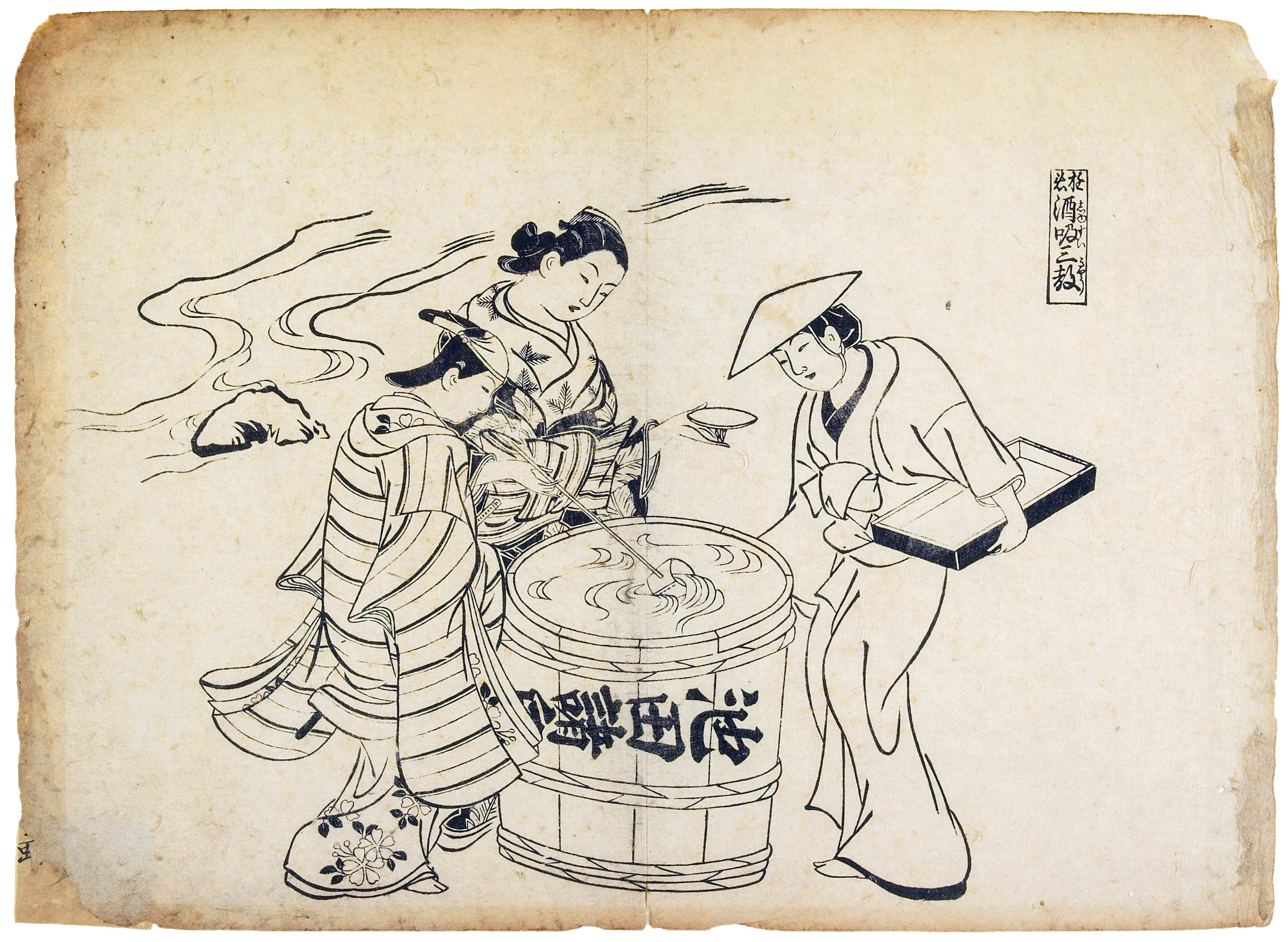
Ukiyo-e in the 17th Century
An introduction to one of the earliest print designers in Japanese history: Hishikawa Moronobu, who is best known for his creation of the single sheet print.
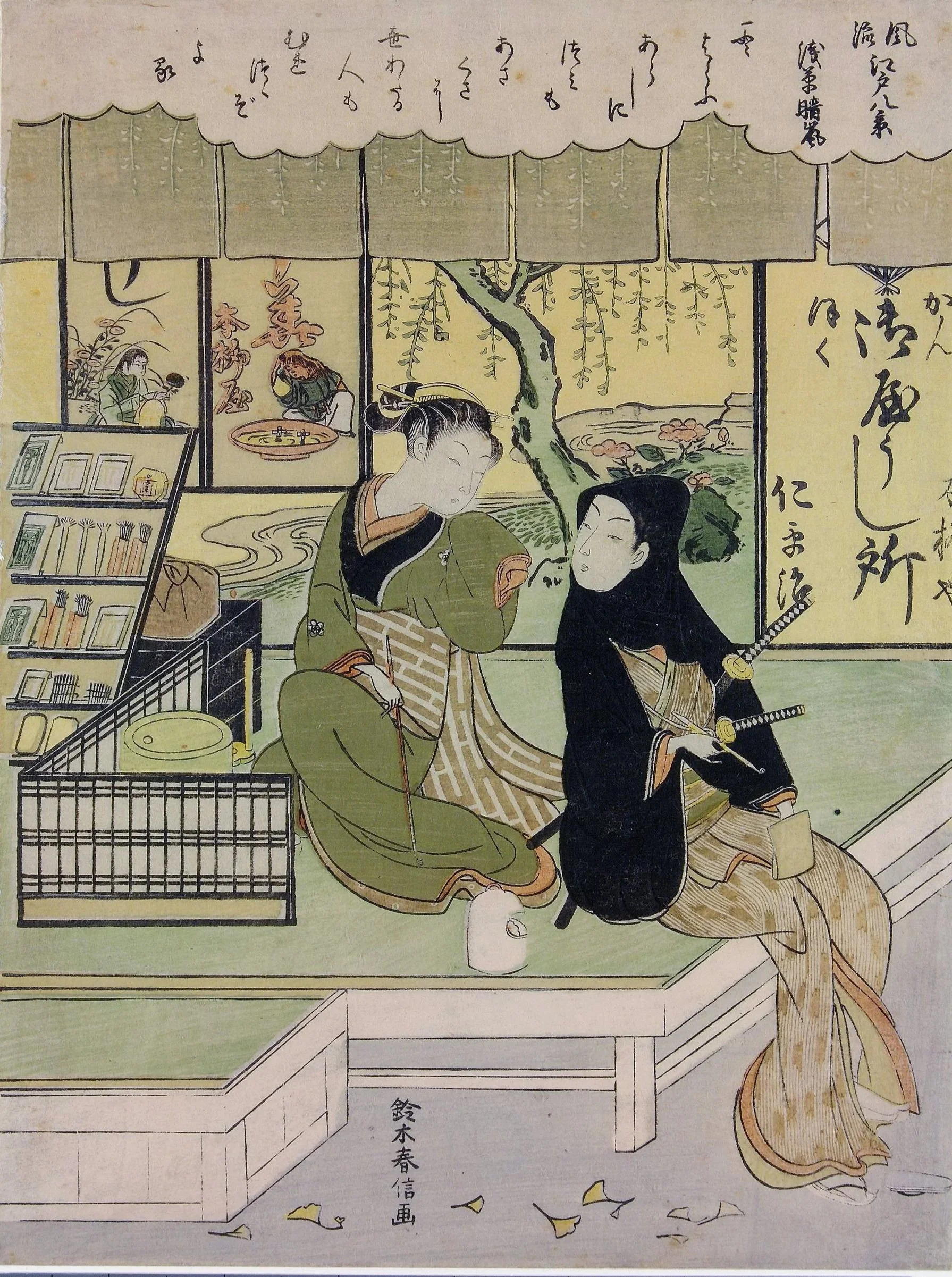
Ukiyo-e in the 18th Century
During the 18th century, techniques were developed to print in multiple colors. We explore the first print designer to produce multi-color prints: Suzuki Harunobu.
Ukiyo-e in the 19th Century
We explore print designers Katsushika Hokusai and Ando Hiroshige, two of the most famous artists in the history of Japanese prints.
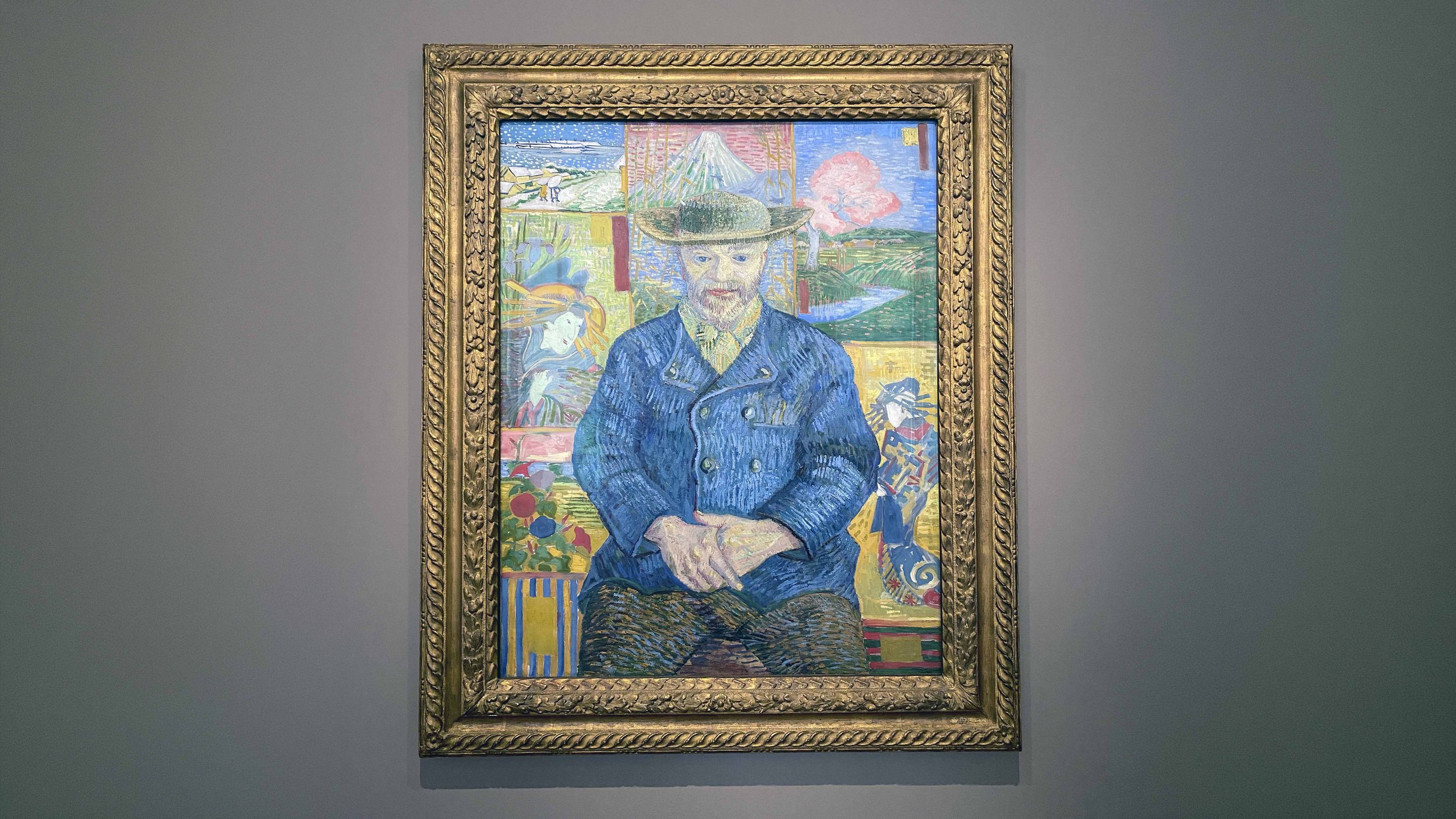
The Afterlives of Japanese Prints
A brief look at some of the ways that Japanese prints have inspired other artists around the world, including Claude Monet and Vincent van Gogh.
✺ Frequently asked questions ✺
-
Absolutely. The Floating World was designed for people with no prior art history background.
-
Google gives you facts and can lead you in many different places (not all of them great). This course gives you more context.
Dr. Chaffin Kim draws on years of university-level teaching to help you understand not just what you are looking at, but why it matters and how it connects to a bigger story.
-
Most modules are 10–25 minutes, so the whole course fits into a weekend—or you can spread it over a few weeks at your own pace.
-
ARTSQ was built on the belief that great art history education should be accessible to more people, not just students in university classrooms. This course is our way of putting that belief into practice.
-
Yes, but parents and teachers should use their best judgment. The course is designed for curious learners of all ages. It includes a short introduction to ukiyo-e, with brief, age-appropriate references to the entertainment districts of Edo, Japan (discussed in their historical context), as any world history course would address the period.

We create engaging, research-based art and history education designed for real people—kids, students, teachers, parents, travelers, and lifelong learners
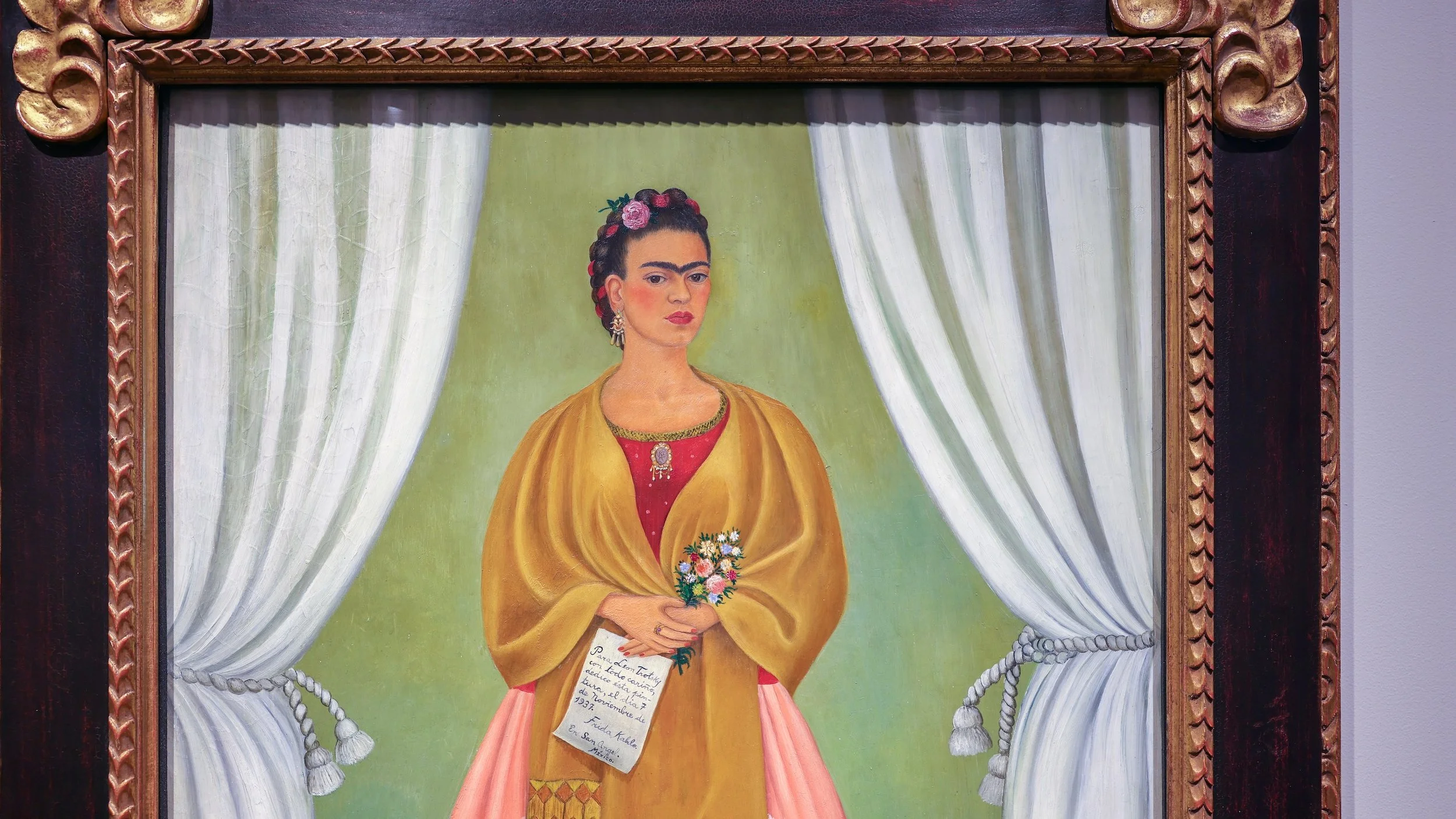
We believe art history should be:
accessible
fun
visually rich
genuinely useful
Get on the Waitlist Now!
Get on the Waitlist Now!
A mini-course about Japanese woodblock prints of the Edo period.