
The modern world
Newly Published Videos
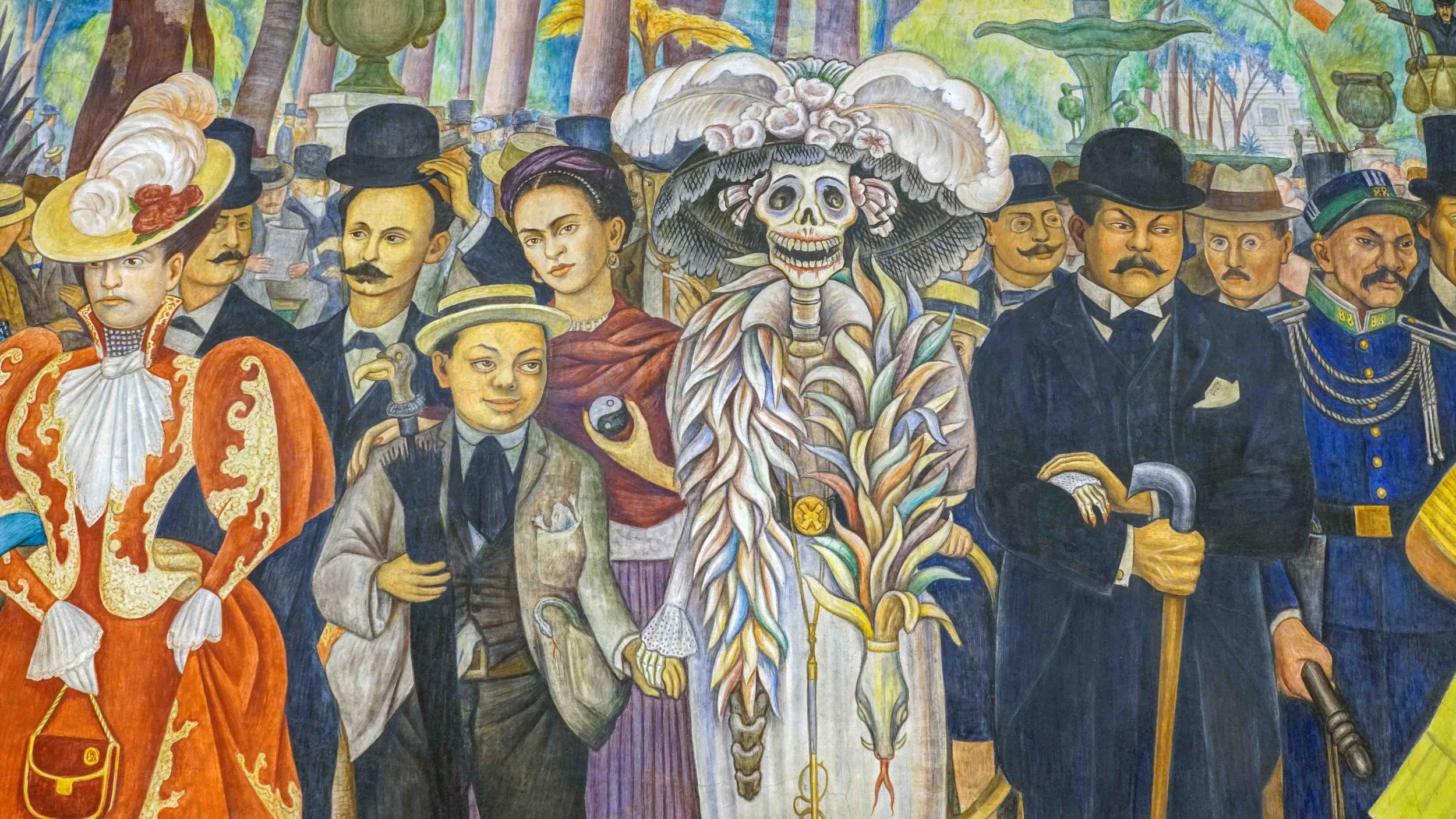
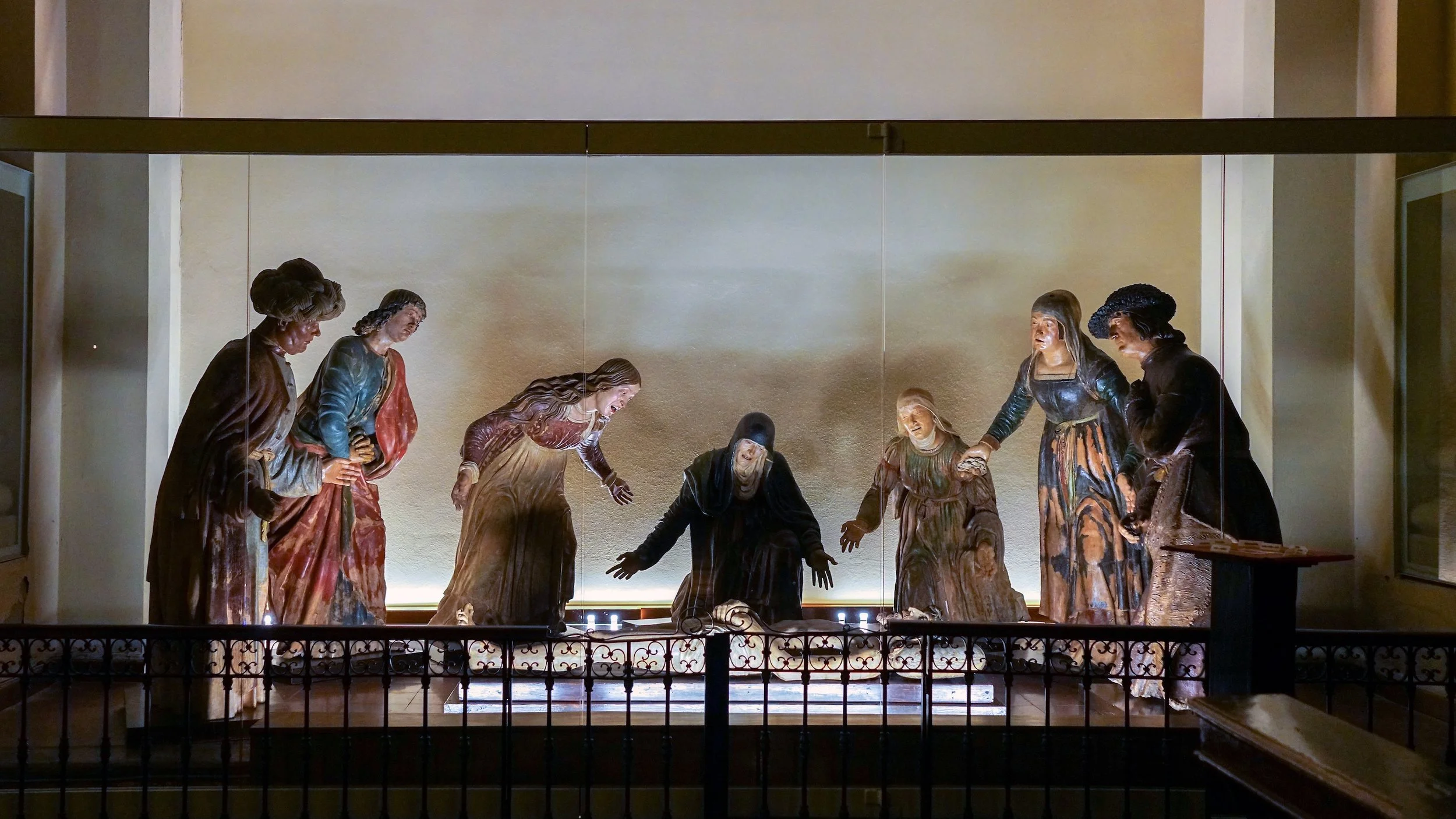
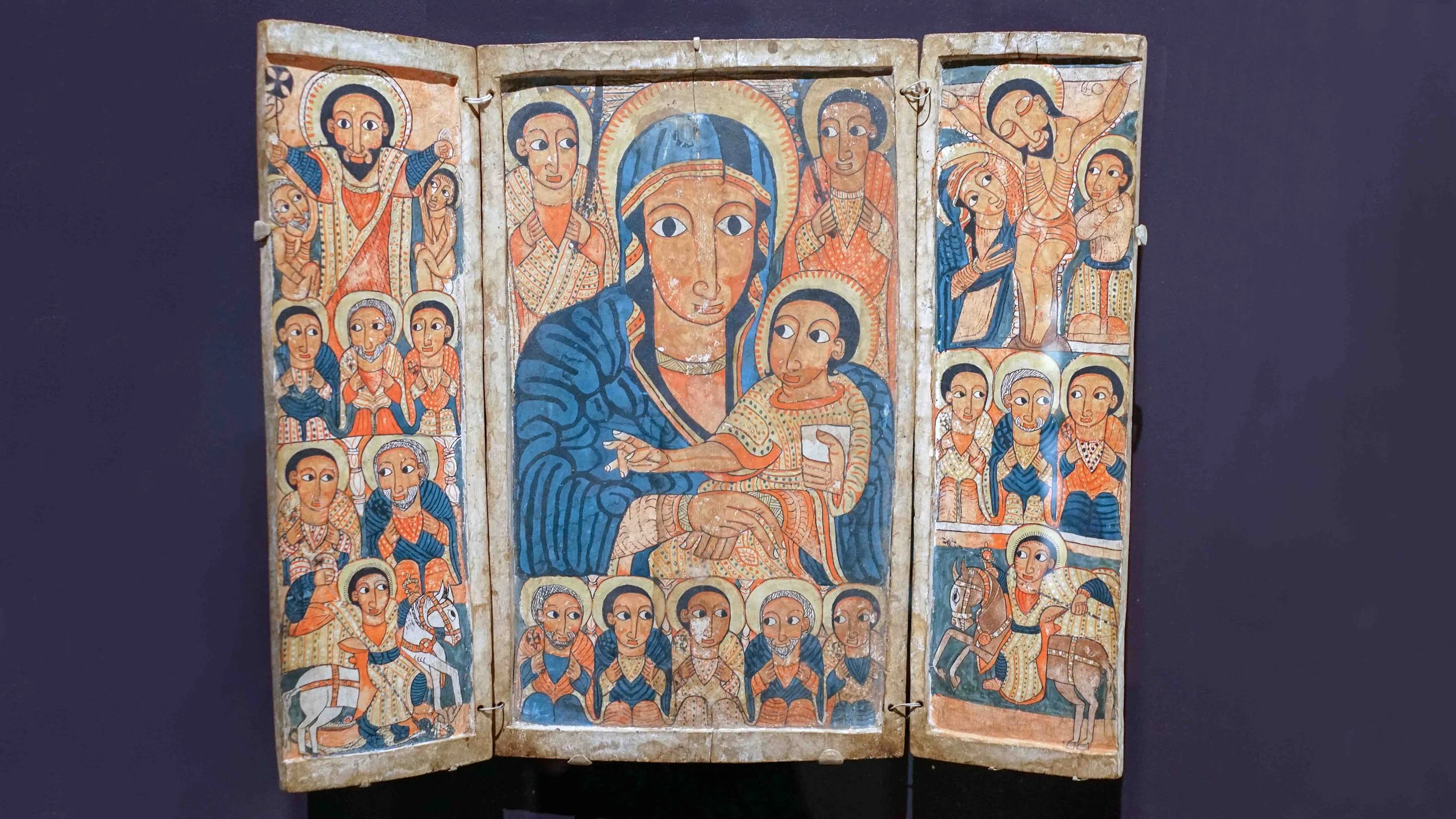
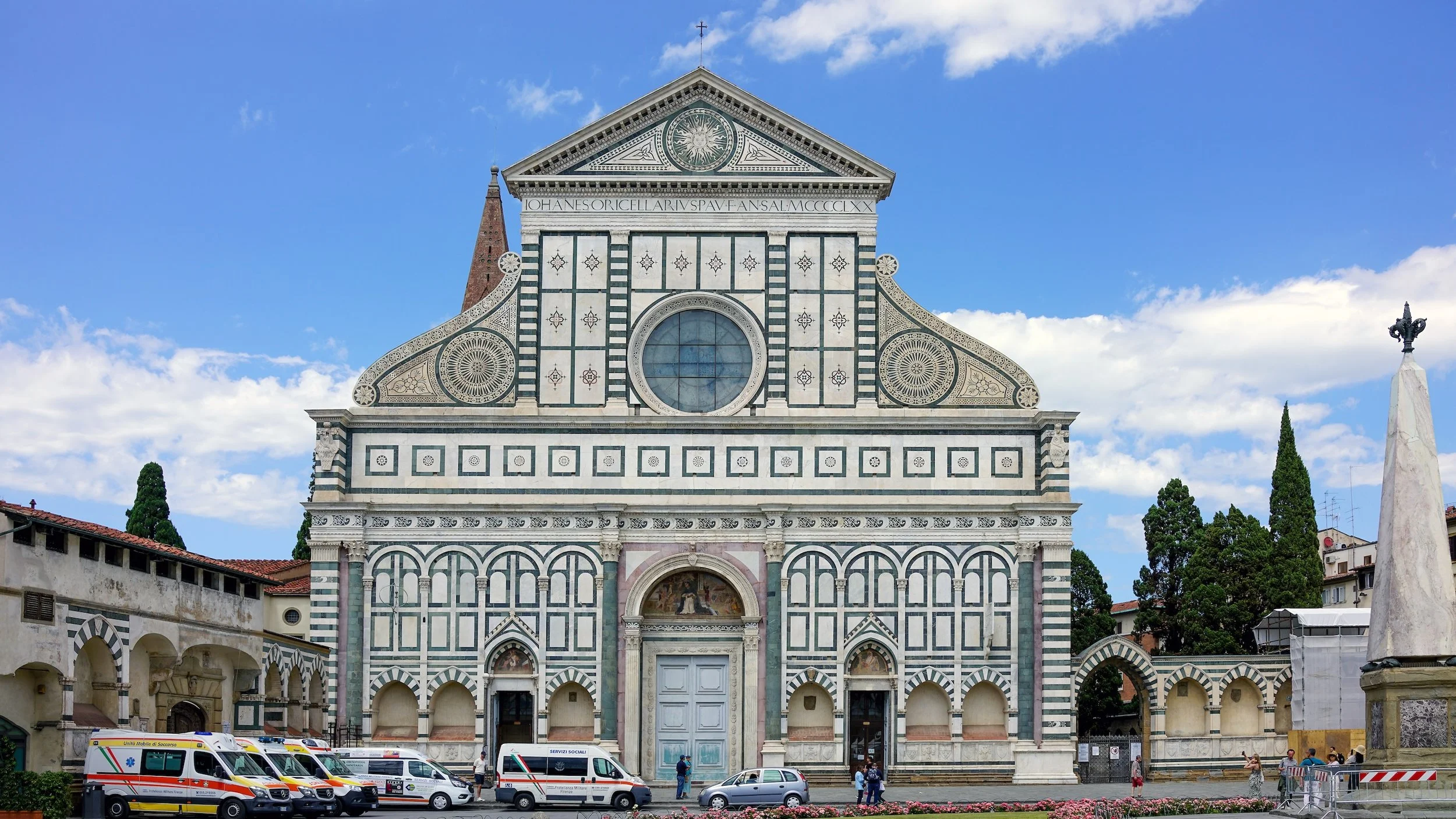
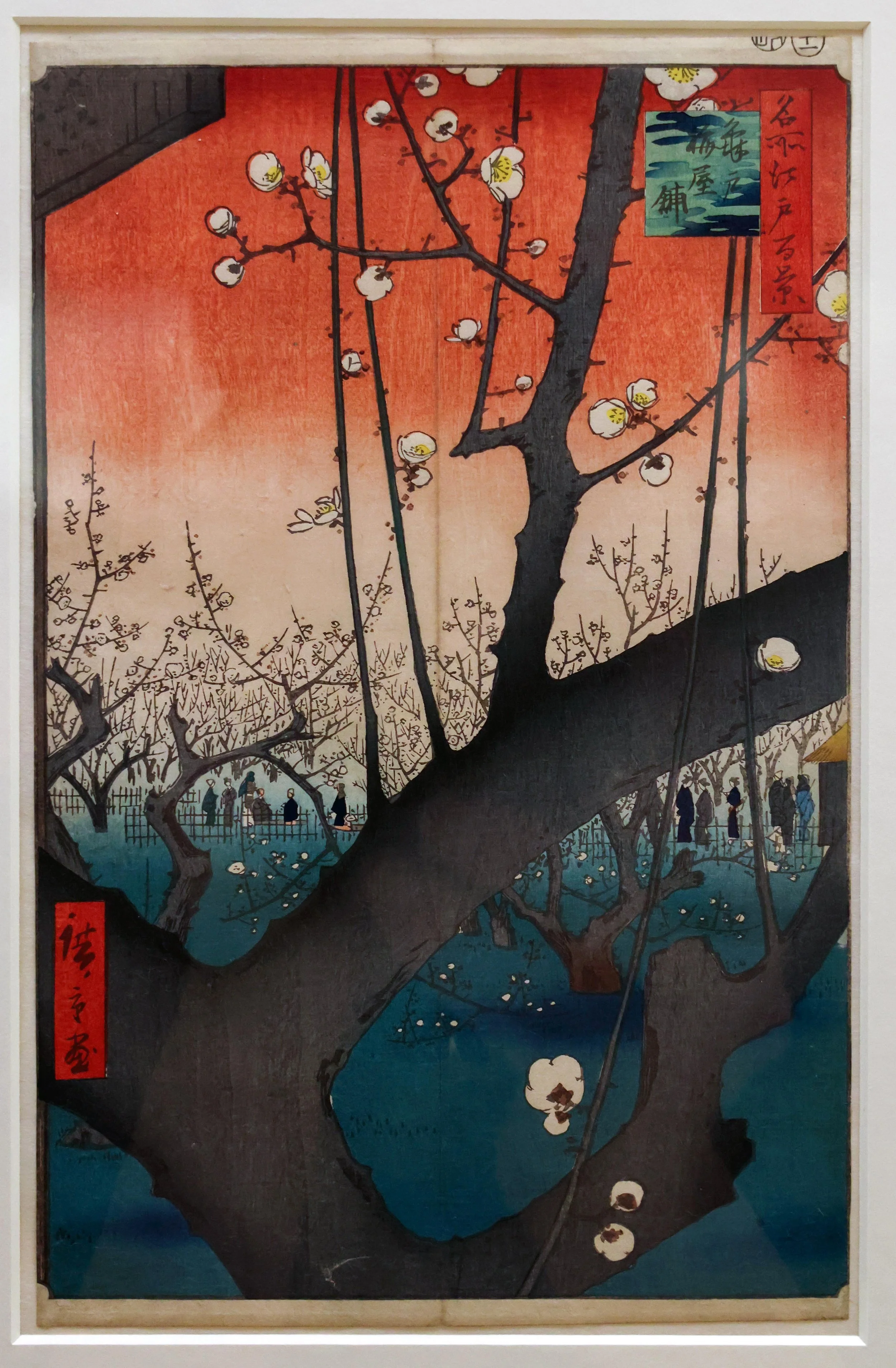
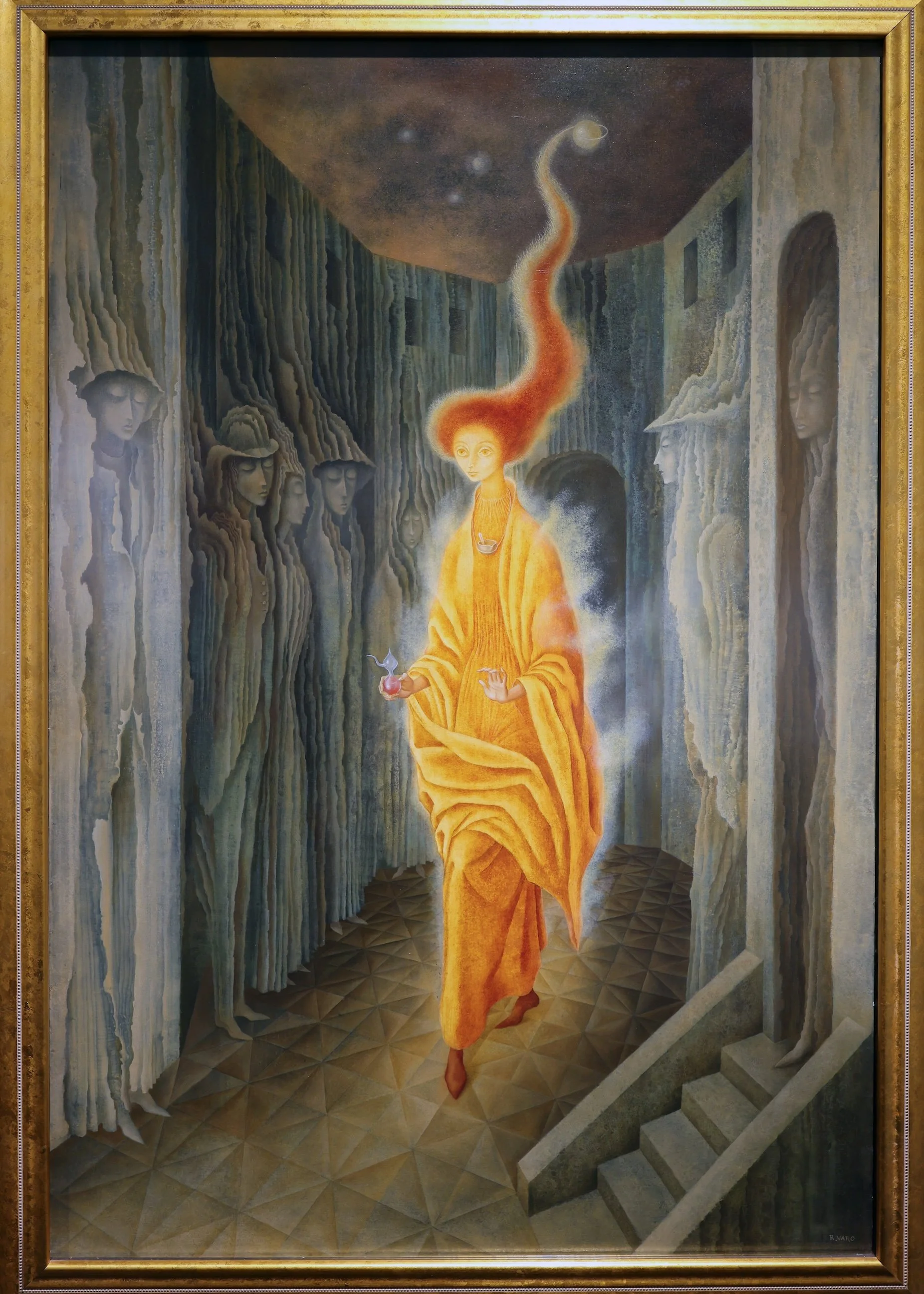
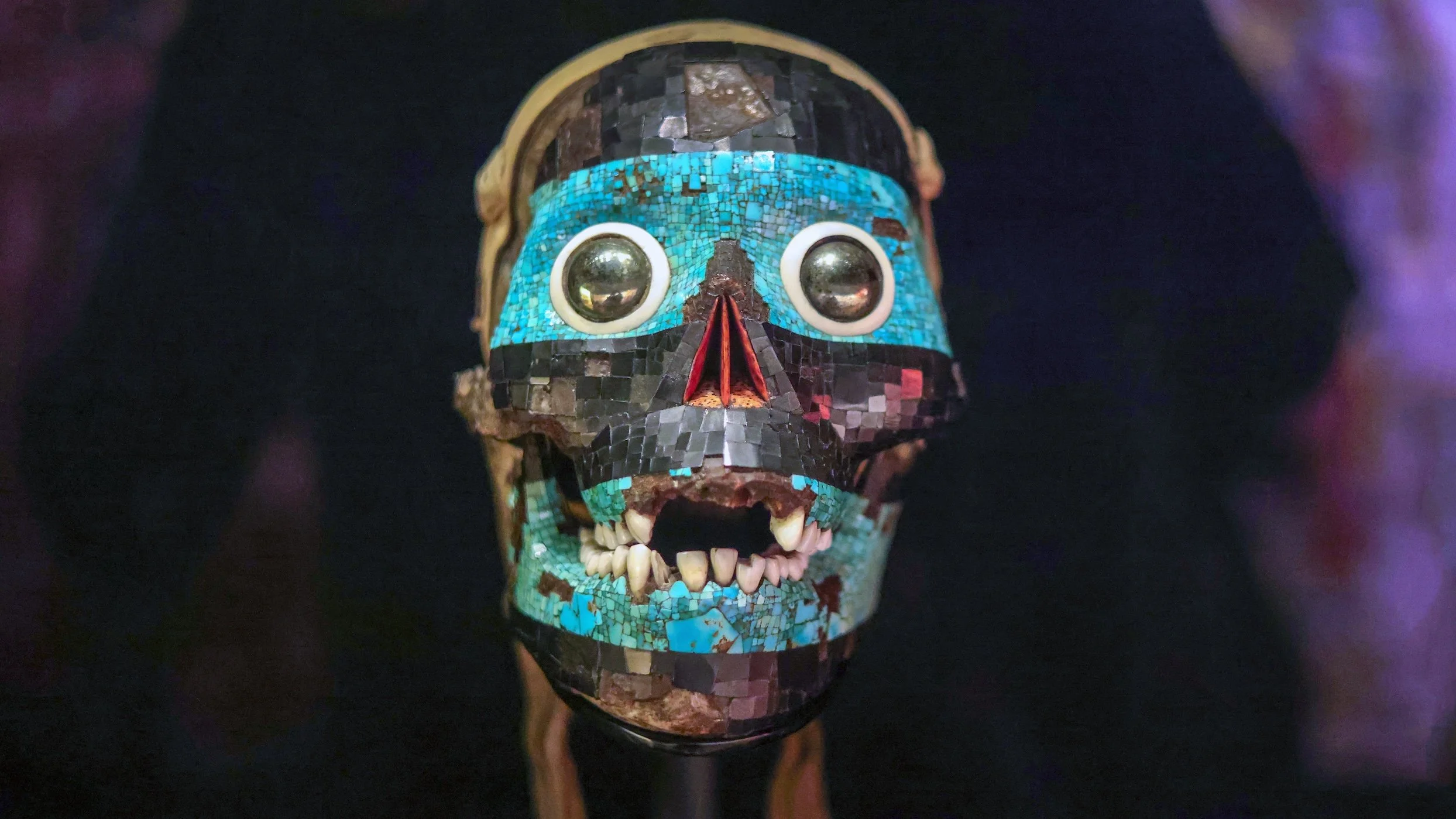
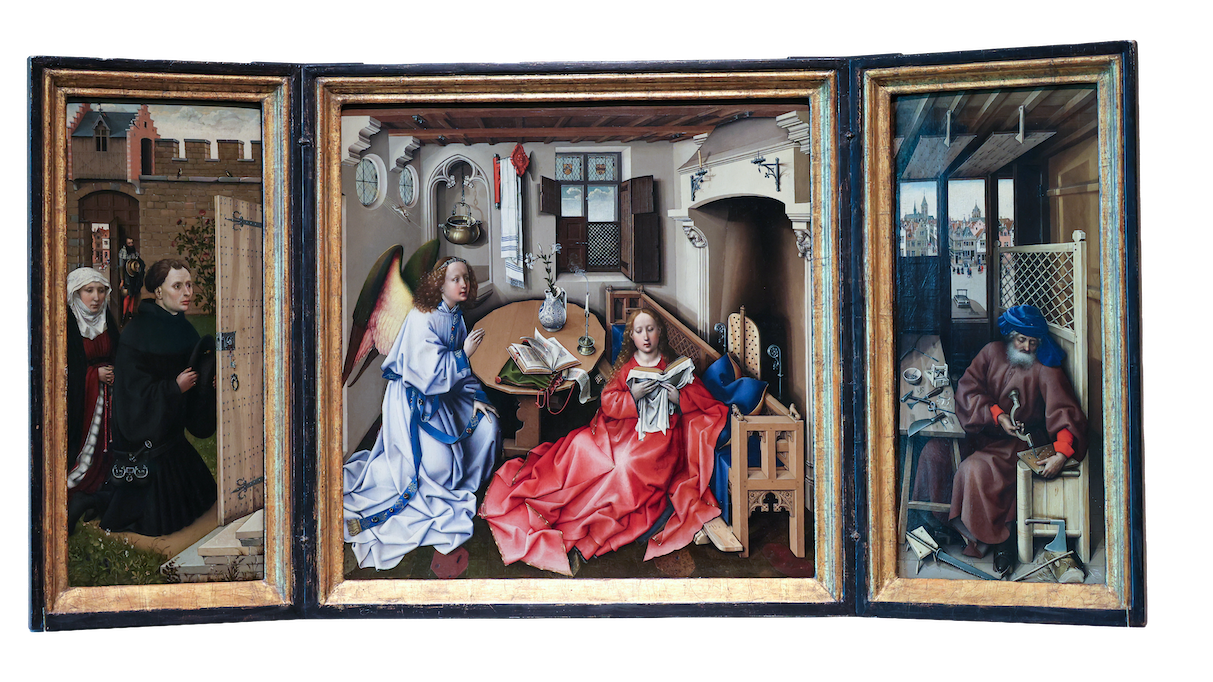
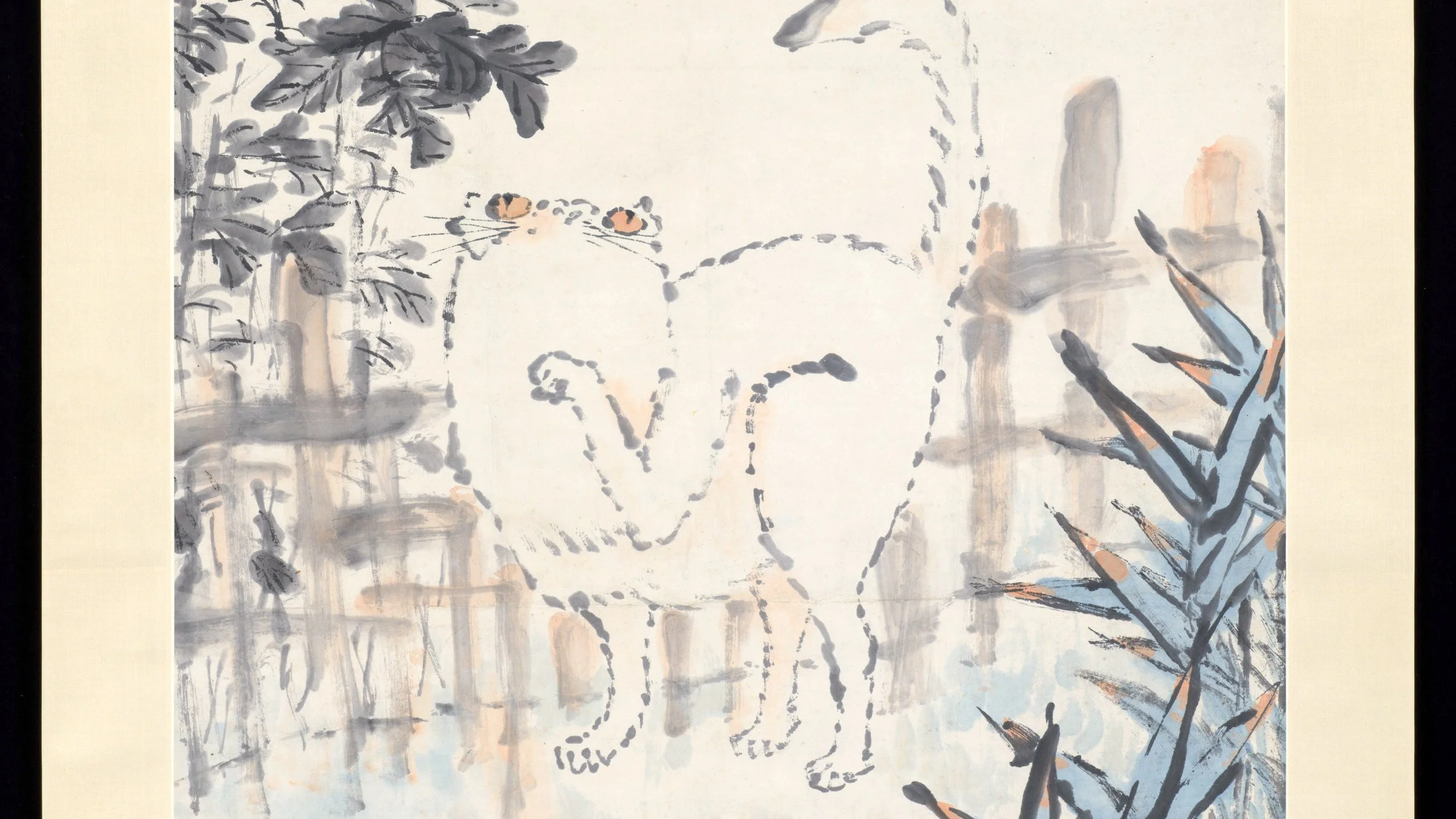
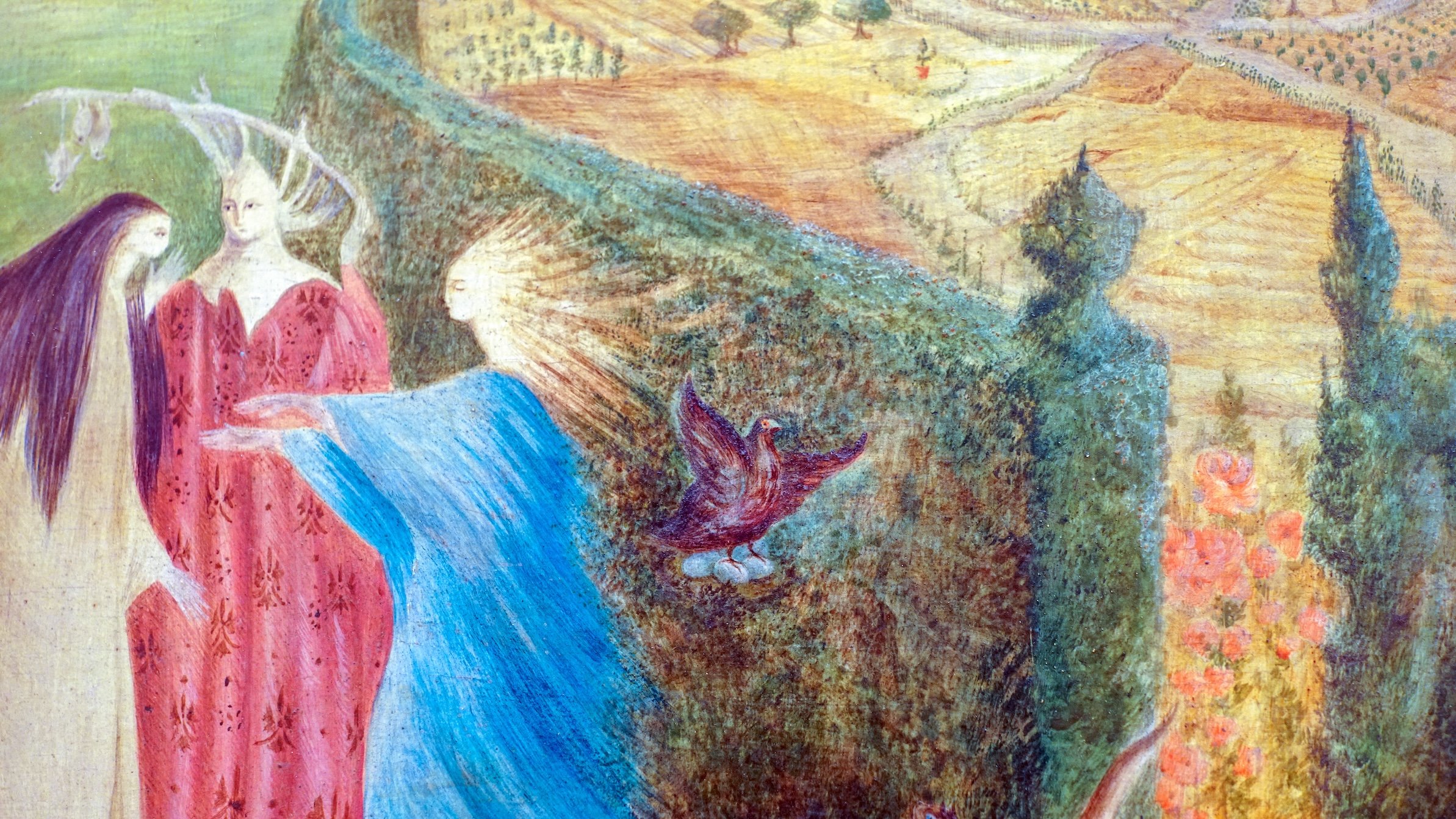
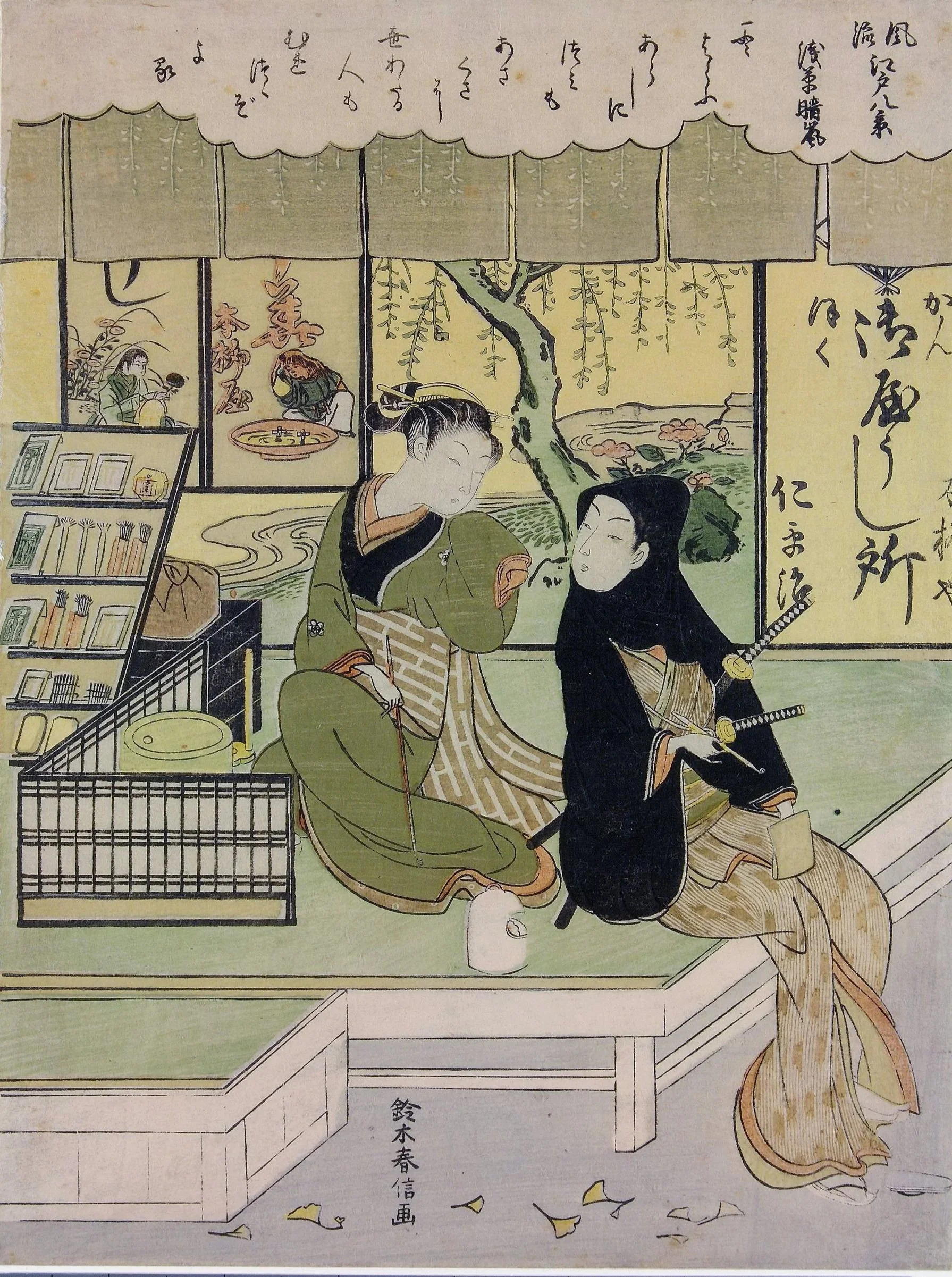
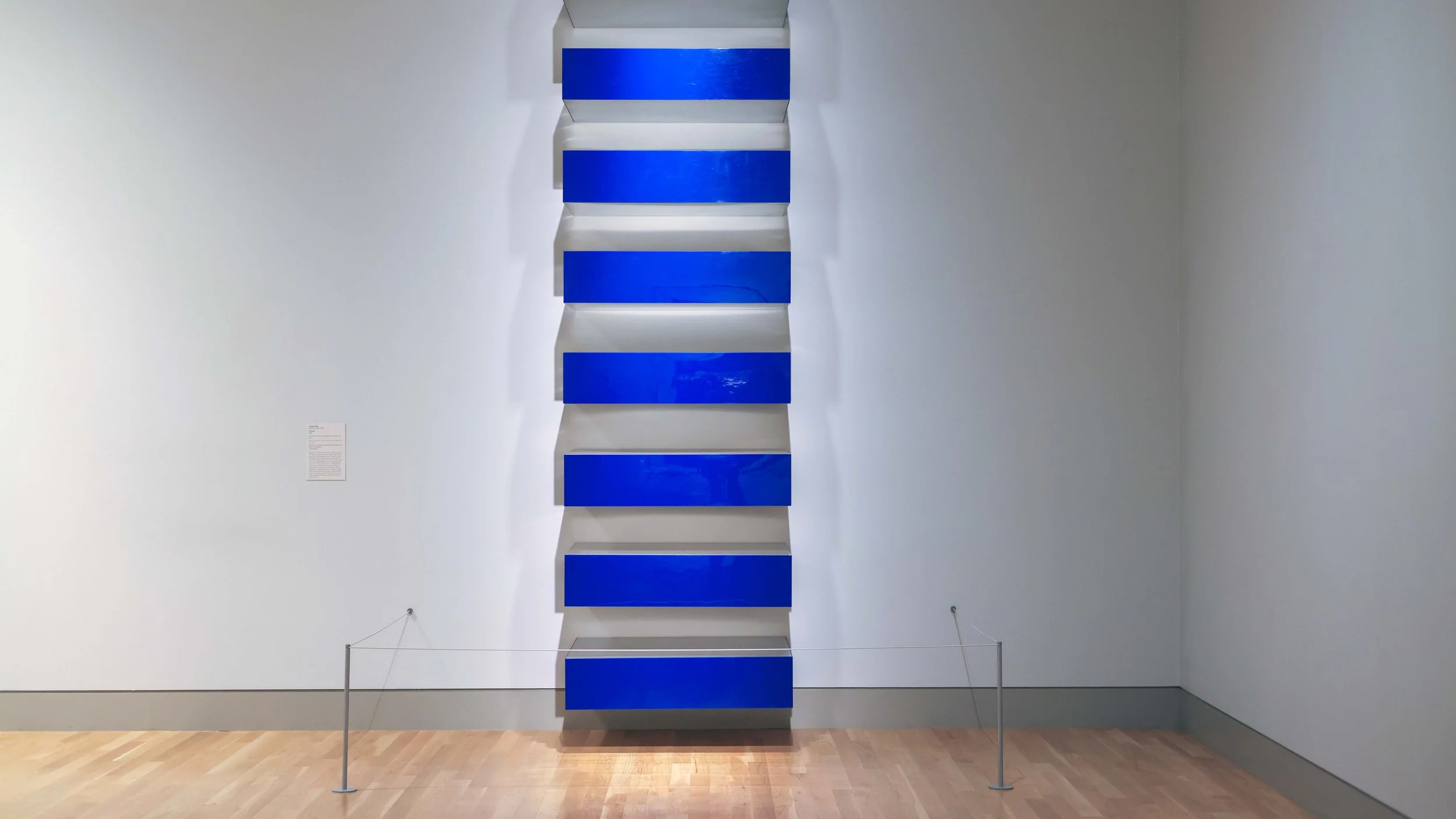
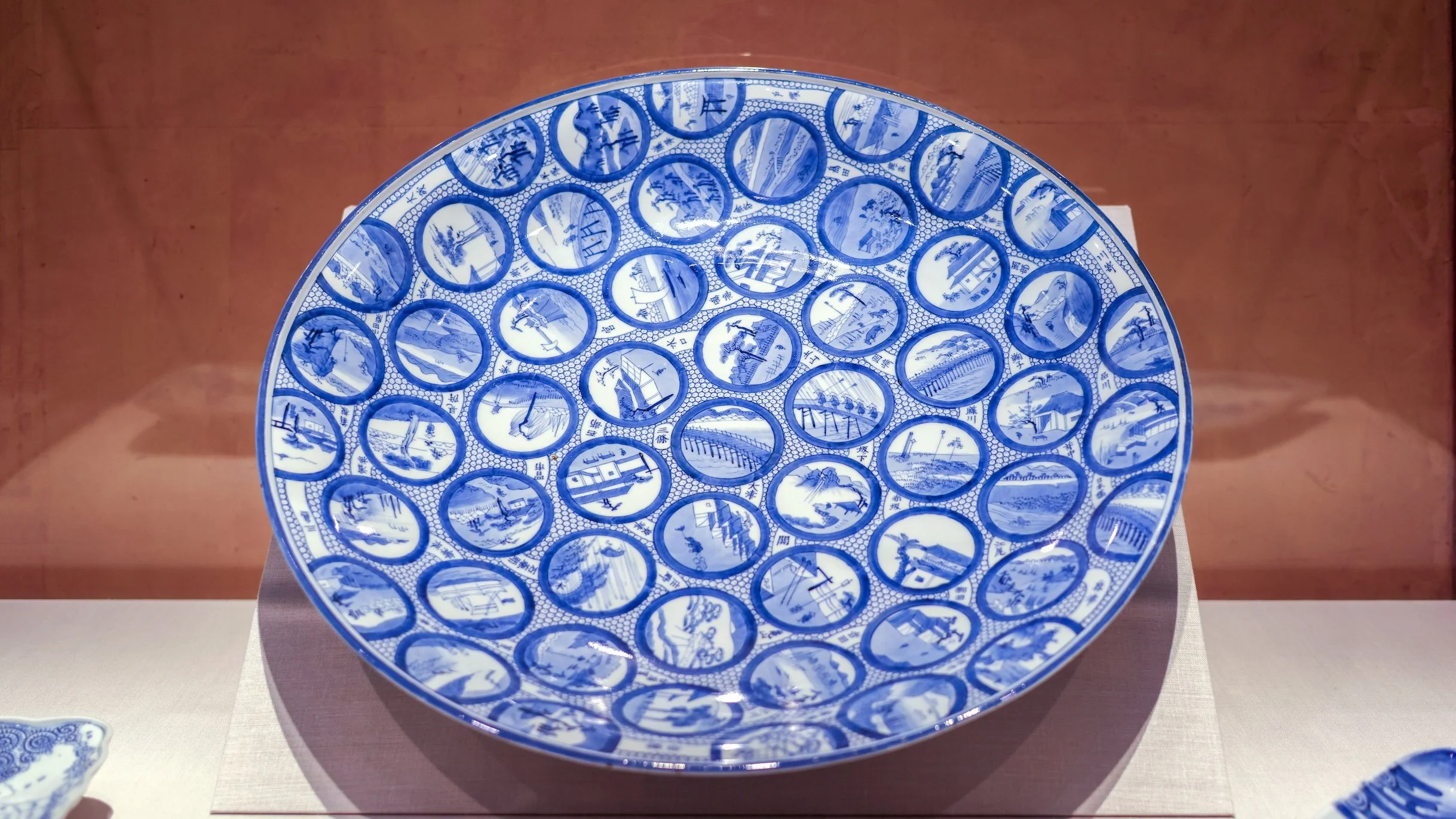

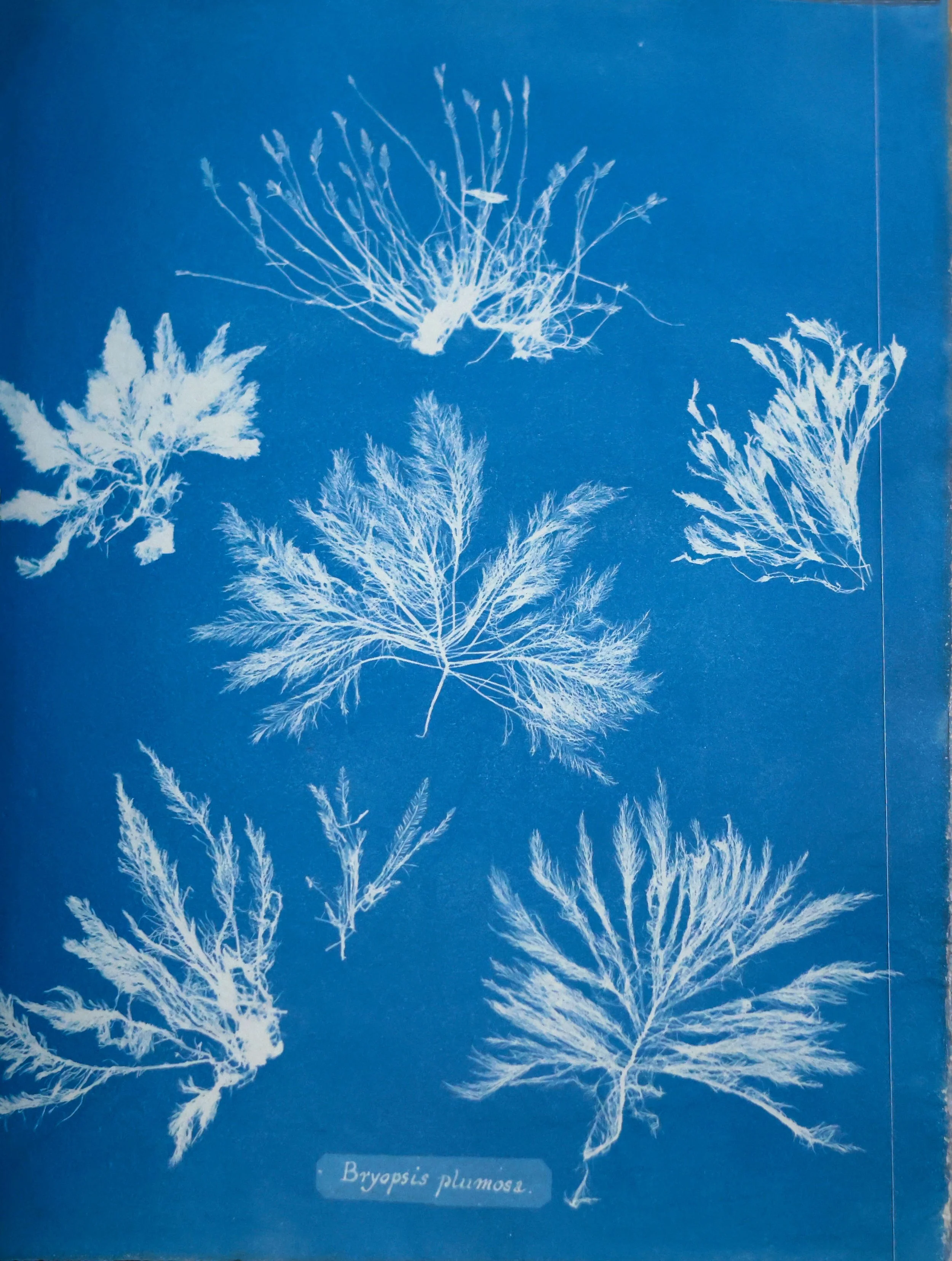
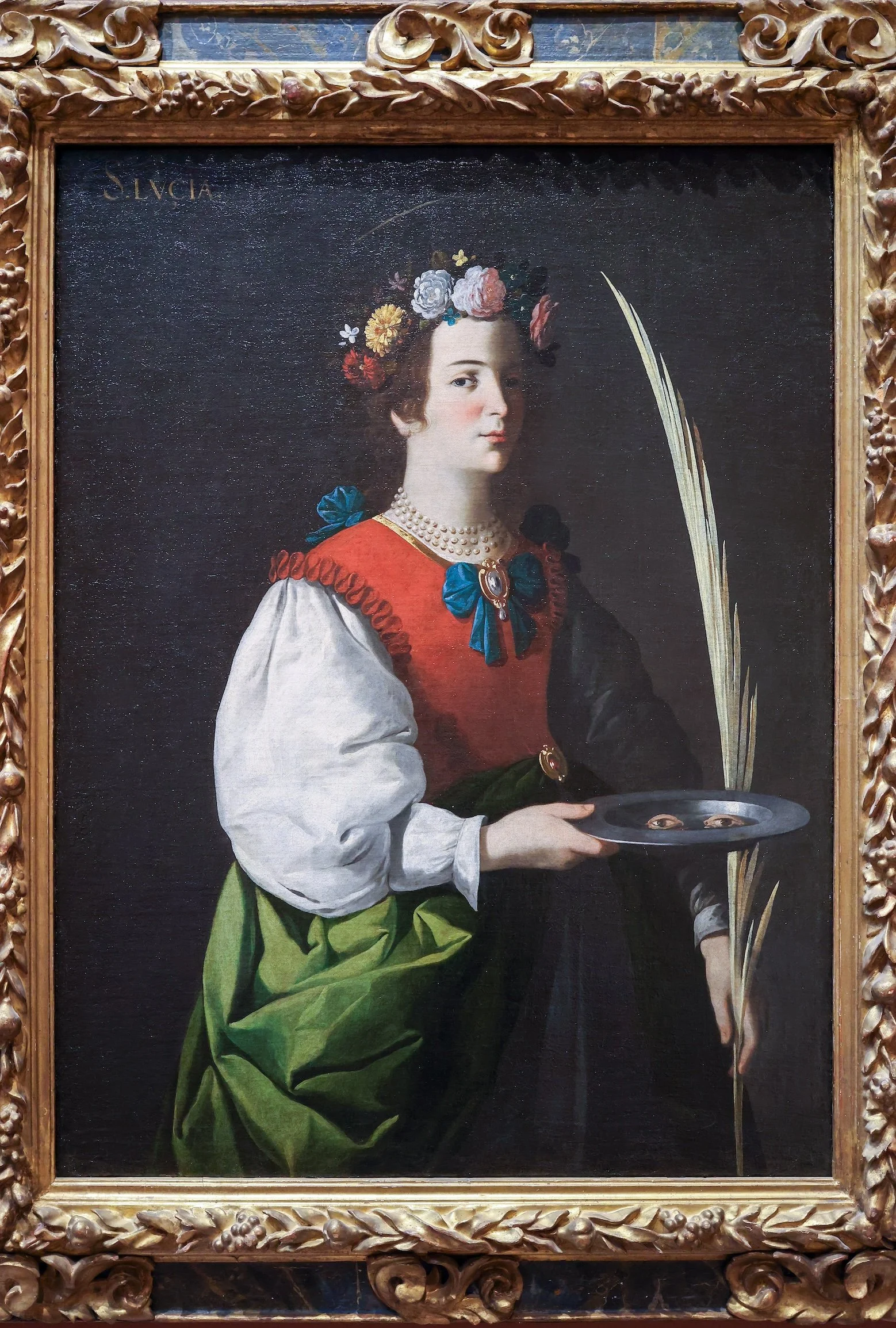
Learn about cultures from about 1500 CE to the present

From 1400 to 1800 CE, the early modern period in Europe experienced significant changes, such as the Renaissance, the Protestant Reformation, the Scientific Revolution, the Enlightenment, and more. This period included the rise of centralized states, the decline of feudalism, the expansion of global trade and colonization, and shifts in religious and social structures.

The period of the Ming (1368–1644) and Qing (1644–1912) dynasties. It was marked by powerful art patronage, global interactions, territorial expansion, and challenges that eventually led to the empire's collapse and the birth of modern China.

From 1492 to the early 19th century, this era was marked by European powers, such as Spain, Britain, France, and others, colonizing the American continents.

Between 1603–1867, under the Tokugawa Shogunate, Japan experienced an era of peace, stability, and isolation. Cultural growth like ukiyo-e art and Kabuki theater, a thriving merchant class, and major urbanization were part of this period.

From approximately 1800 to the late 20th century, this period saw the formation of nation-states, industrialization, democracy, and global interactions such as imperialism and integration.
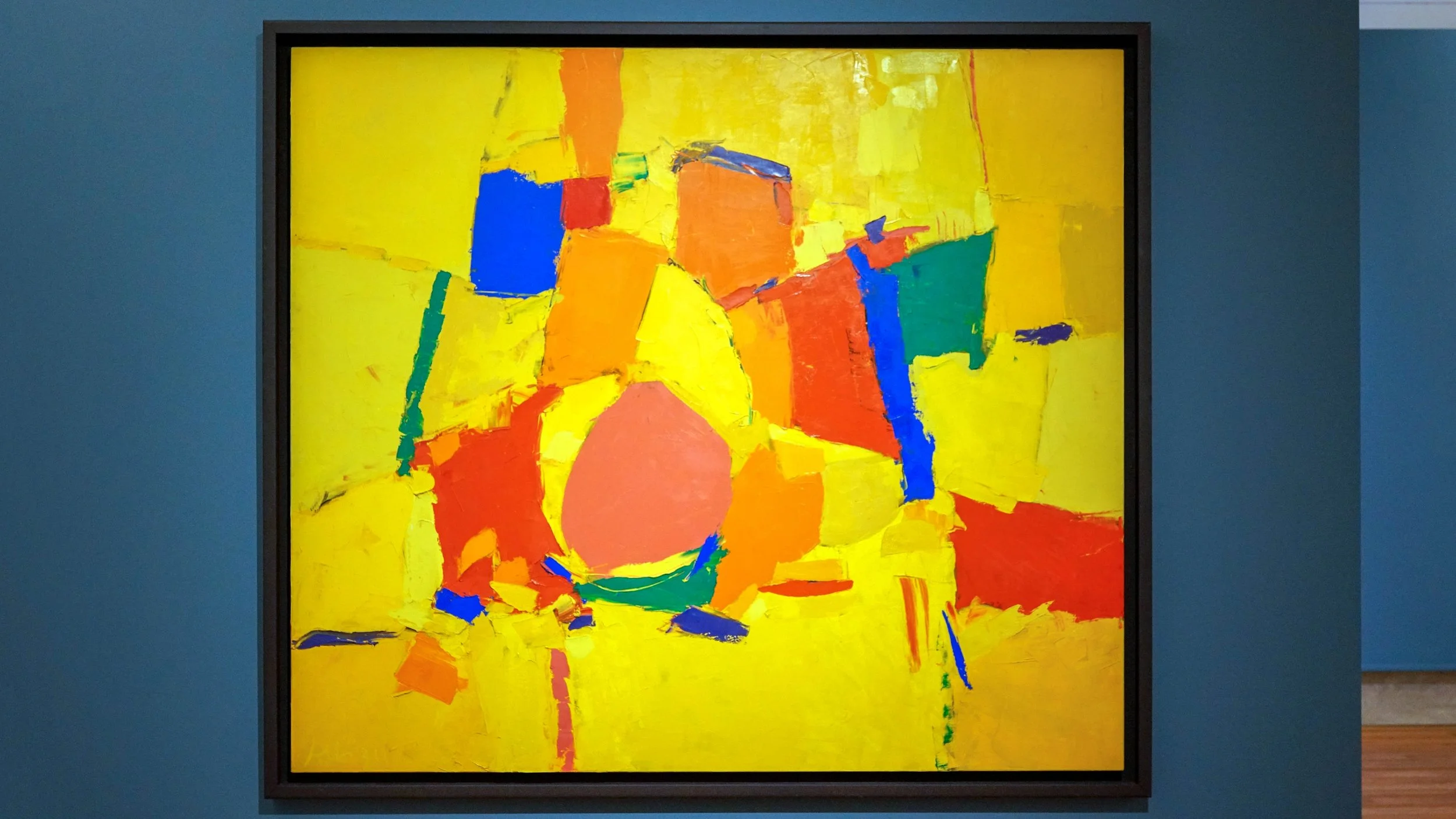
From the late 19th century into the late 20th century, this period was characterized by rapid industrialization, urbanization, and global shifts in power that affected North America and South America.

From about 1980 to now.
Artists
-
![A woman casts her eyes downward while holding her hands clasped together]()
Rogier van der Weyden
-
![People take pictures of the Mona Lisa]()
Leonardo da Vinci
-
![A lady looks at us while holding a unicorn]()
Raphael
-
![A vase is filled with many colored flowers and sits on a pedestal]()
Rachel Ruysch
-
![Traditional Japanese woodblock print depicting cherry blossom trees in a garden setting with people in blue attire walking in the background, against a sunset sky.]()
Utagawa Hiroshige
-
![Japanese ukiyo-e woodblock print depicting a street scene with people in traditional clothing. Some individuals are interacting near a building with wooden latticework, while others walk by dressed in patterned kimonos.]()
Hishikawa Moronobu
-
![Japanese woodblock print of a large wave with Mount Fuji in the background, featuring dramatic, cascading water and boats.]()
Katsushika Hokusai
-
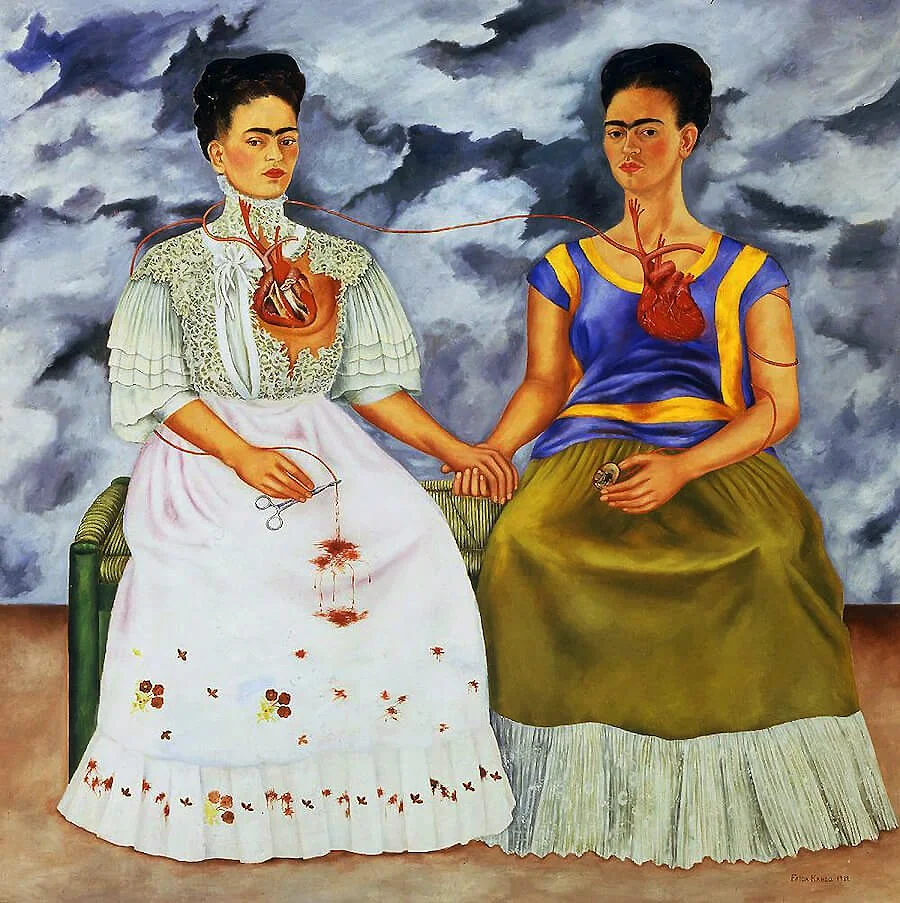
![Two women hold hands and look like Frida Kahlo]()
Frida Kahlo
-
![Colorful, polka-dotted lanterns glowing in neon green, pink, and blue hanging in a dimly lit space.]()
Yayoi Kusama
-
![A landscape painting depicts rolling hills with sparse trees, a cliff, and a distant lake under a blue sky with clouds.]()
José María Velasco
-
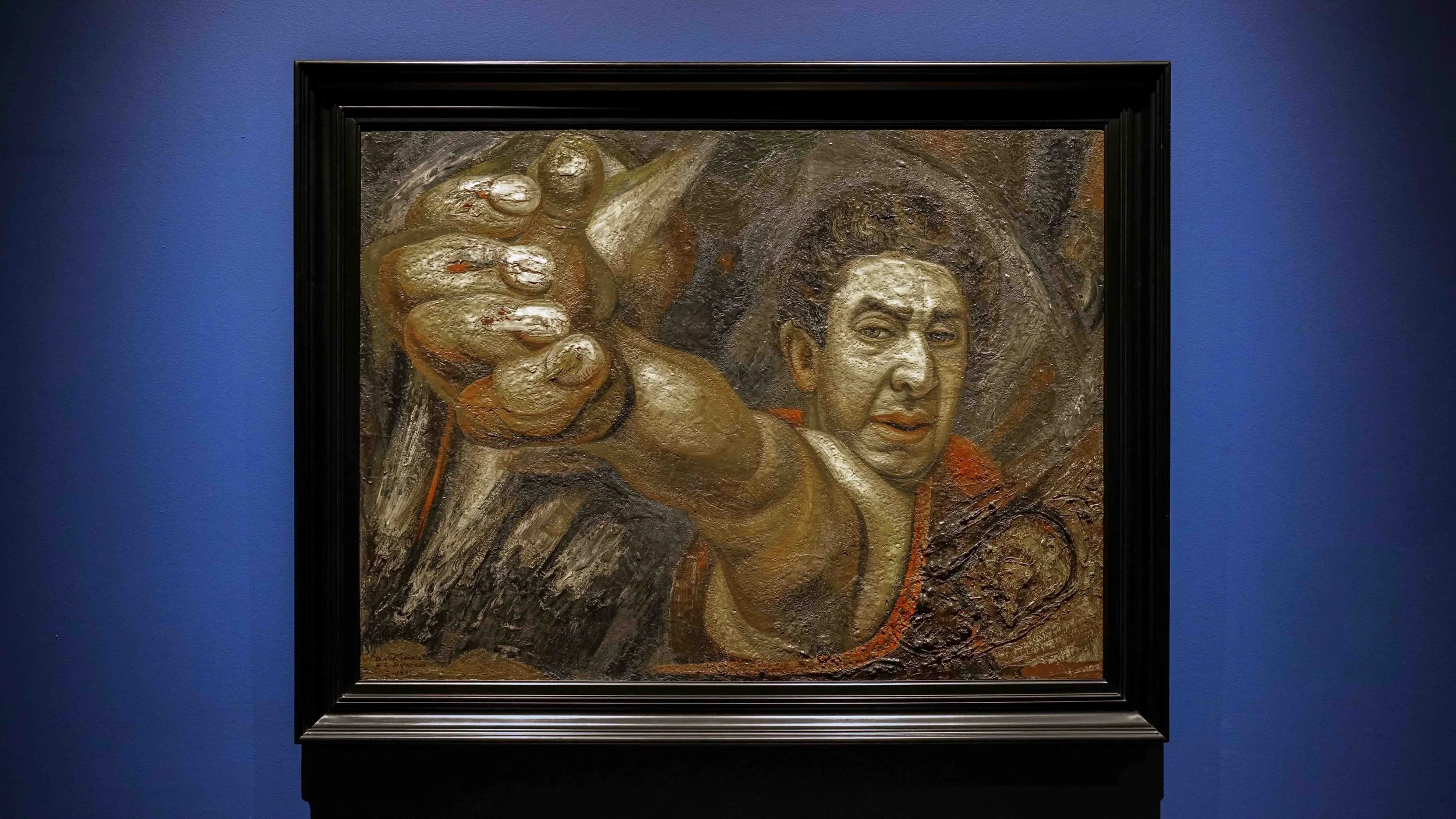
![Painting of a person with an intense expression, pointing a gun directly at the viewer, with a dark background.]()
David Alfaro Siqueiros
-
![Close-up of an abstract painting with textured, cracked paint in various colors including green, black, blue, purple, and red.]()
Olga Albizu
-
![A black and tan colored illustration of a human skull wearing a large, wide-brimmed hat decorated with flowers and feathers, surrounded by clouds, with the skeleton's arm and hand visible at the bottom.]()
José Guadalupe Posada
-
![A framed impressionist oil painting of a bouquet of flowers in a vase, with white and purple blooms and green leaves, on a light green background.]()
Vincent van Gogh
-
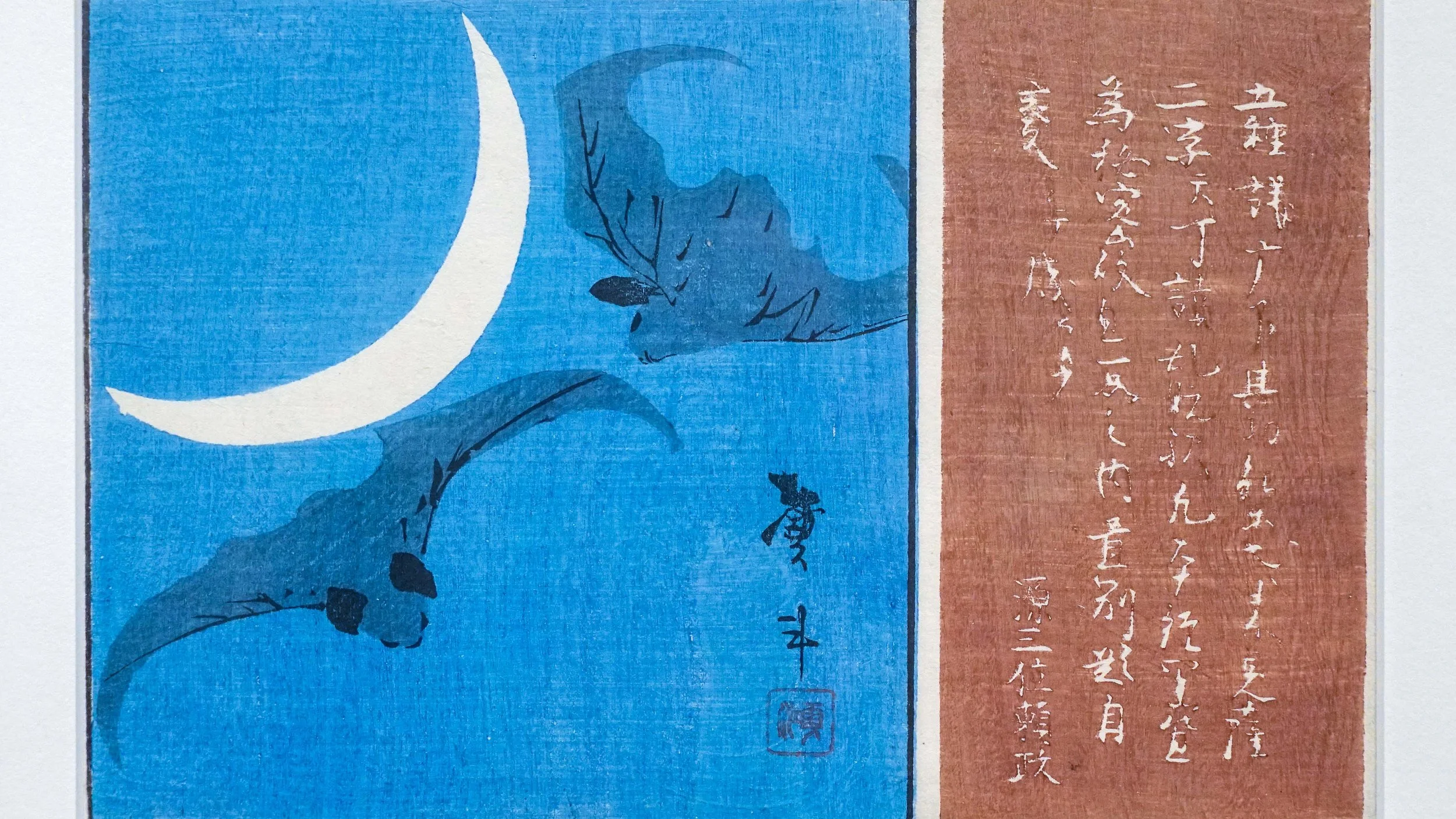
![A traditional Japanese ink painting depicting a crescent moon, mountains, and a branch with leaves and berries on a blue background, alongside a vertical strip of handwritten Japanese text on a reddish-brown background.]()
Katsushika Taito II






Discover Important Historical Individuals
-
![Colorful bust of a historical man wearing a hat and a scarf, displayed in a museum]()
Lorenzo de’ Medici
Florentine statesman, ruler, and patron of the arts
-
![Historical portrait of a bearded man in military armor with a shield and coat of arms, holding a helmet with feathers, in a museum display.]()
Hernán Cortés
Spanish conquistador who led soldiers to defeat the Aztec Empire in 1521
-
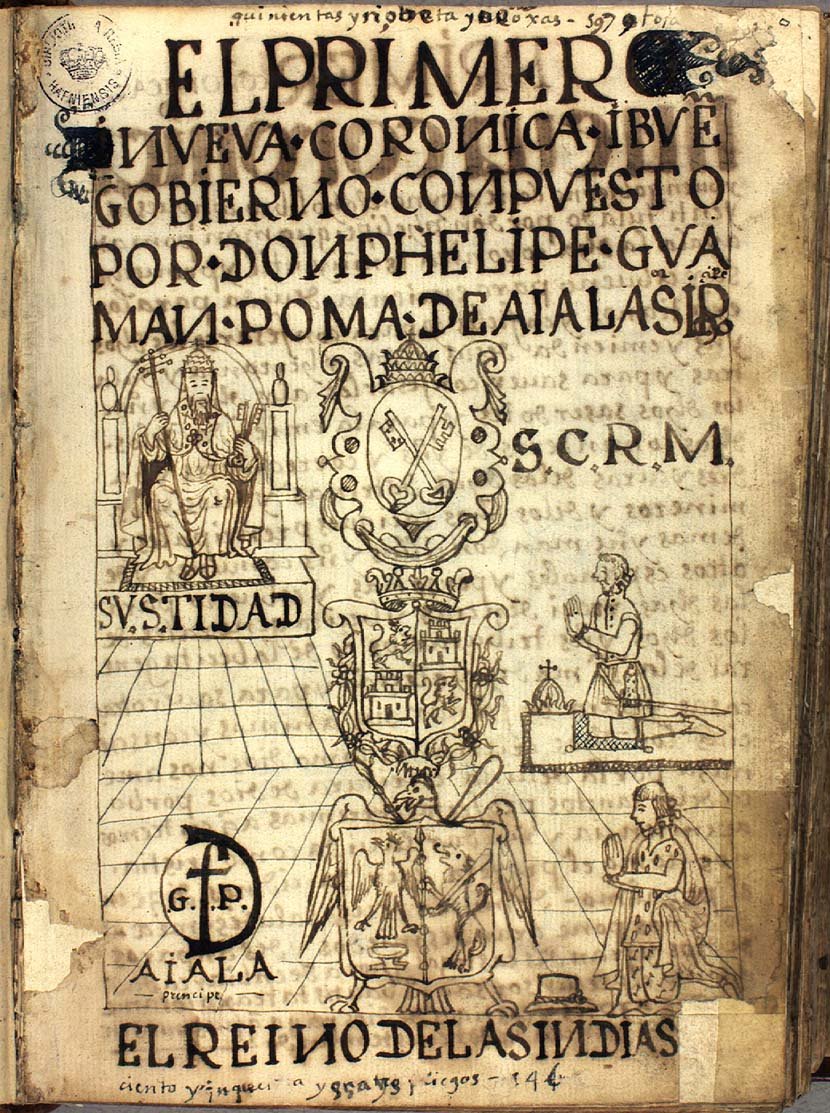
![Line drawing of a person dressed in traditional indigenous clothing, holding a staff with a bird figure on top in the left hand and a large bundle or headdress in the right hand. The person is wearing a decorated belt, shorts, and sandals. There are handwritten notes or text below and above the figure, with the text above being large and stylized.]()
Felipe Guaman Poma de Ayala
Indigenous Andean Author and Artist
-
![A portrait of a woman dressed in elaborate historical royal clothing, adorned with jewelry, pearls, and a feathered headdress, with a decorative frame.]()
Elizabeth I, Queen of England
The last Turdor monarch
-
![A woman with dark hair sitting at a desk with books, a clock, and writing materials, dressed in historical clothing.]()
Sor Juana Inés de la Cruz
Nun, poet, scholar, and author in New Spain




Supercharge your learning!
Related Resources
Explore Continents
This printable introduction to Rococo art offers a 1-page overview of the movement, along with pages on key artists and identifying characteristics. It also includes an activity that focuses on close looking. It looks at artists such as Fragonard, Boucher, Watteau, and Gainsborough.