

Learning to Look
FUNDAMENTALS
Close looking is one of the most powerful skills you can build. Learn to observe, describe, and analyze works of art—from paintings and sculpture to murals and mosaics.
◆ New Course Coming Soon: Learning to Look Closely—a self-paced introduction to visual analysis
01
FOUNDATION
Elements of Art & Formal Analysis
Our close looking series offers an excellent first step in doing a formal analysis, which is an analysis of things like the elements of art and the principles of design. These are the building blocks for understanding any work of art, anywhere in the world.
Important terms and concepts
Visual Analysis
Composition
Line
Formal Analysis
Color
Pattern
Shape
Design
Texture
Light
Space
FORMAL ANALYSIS
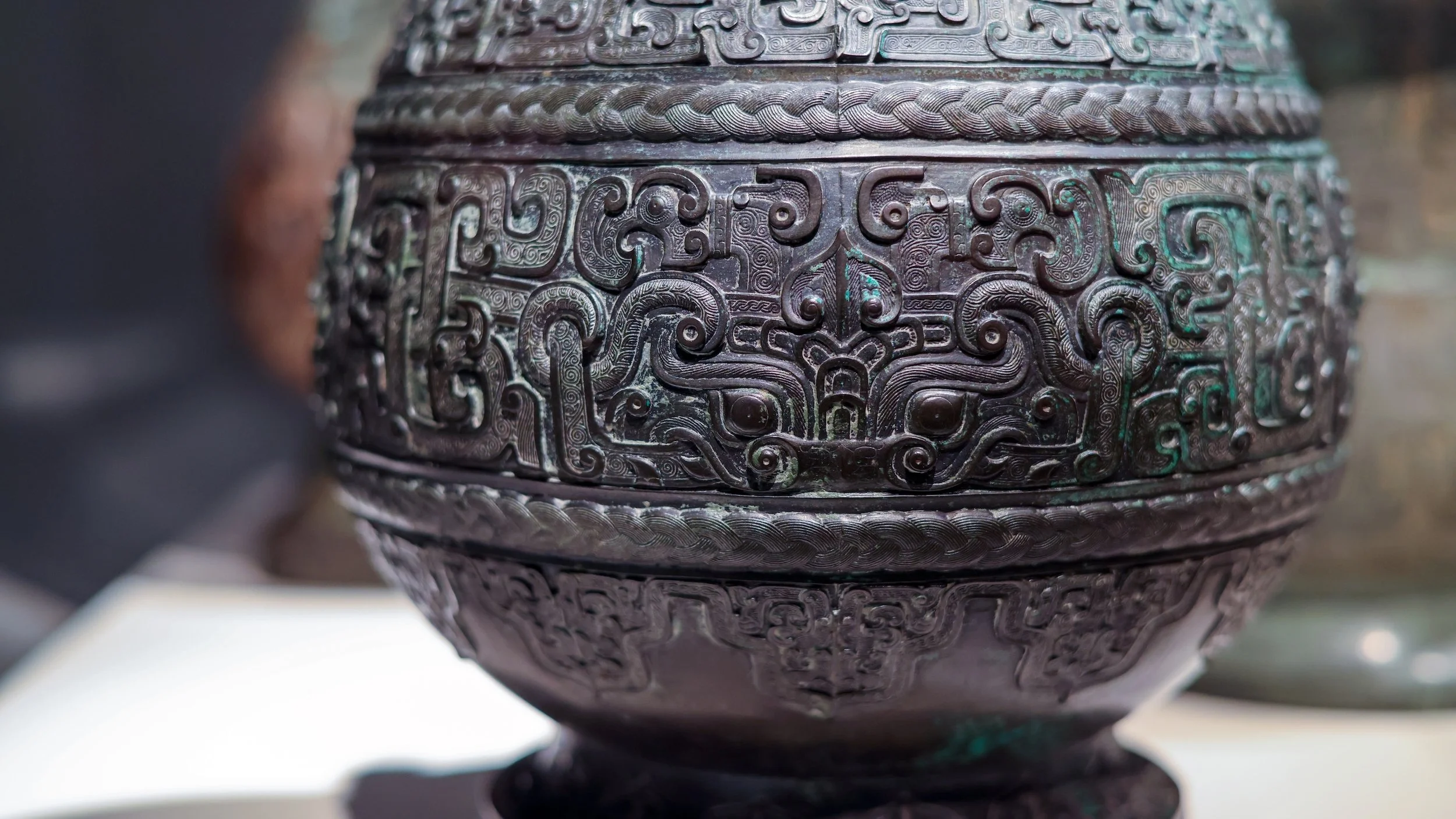
Analyzing a bronze vessel: A 5th-century BCE example from China
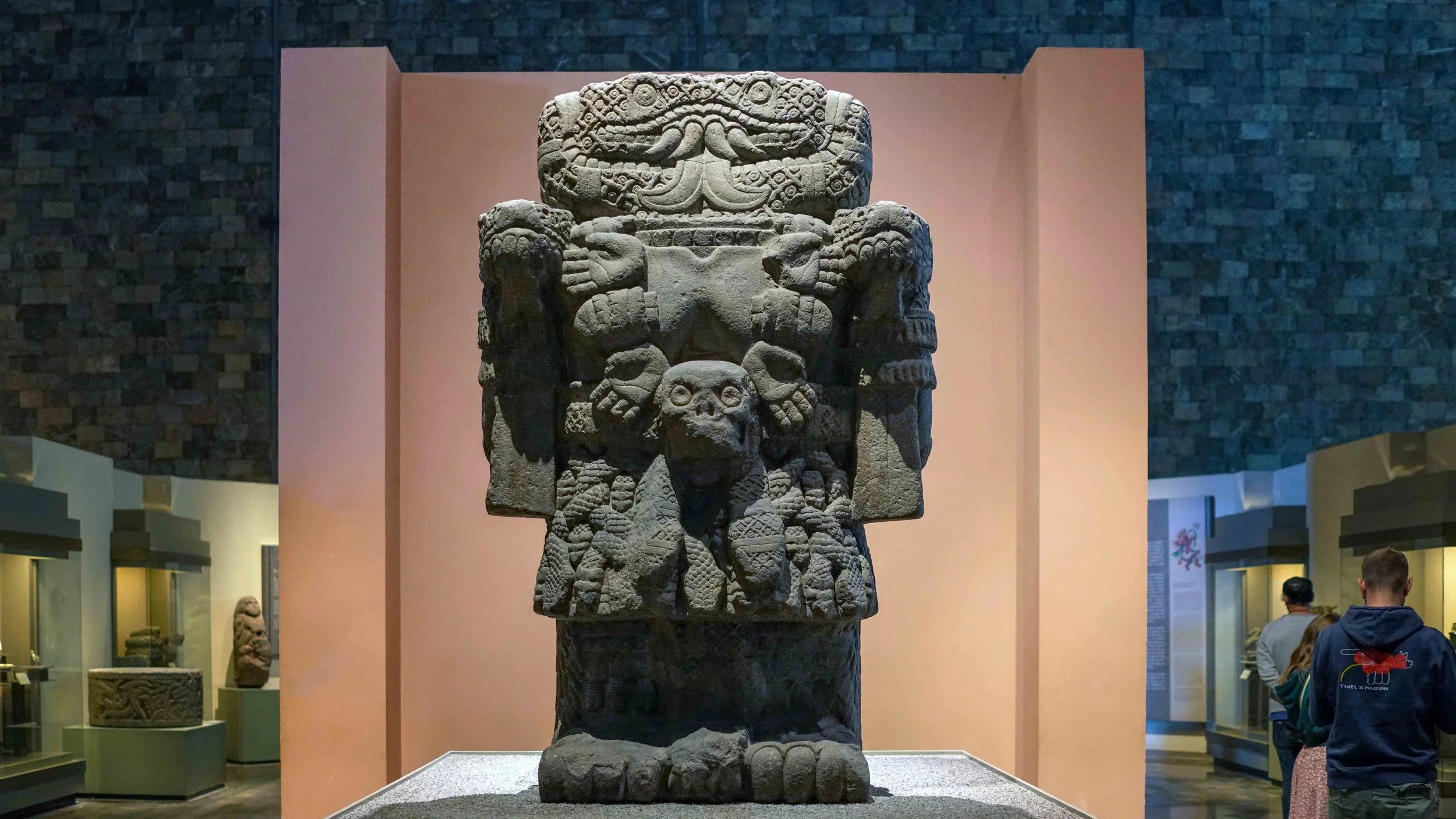
Analyzing sculpture: The Aztec Coatlicue
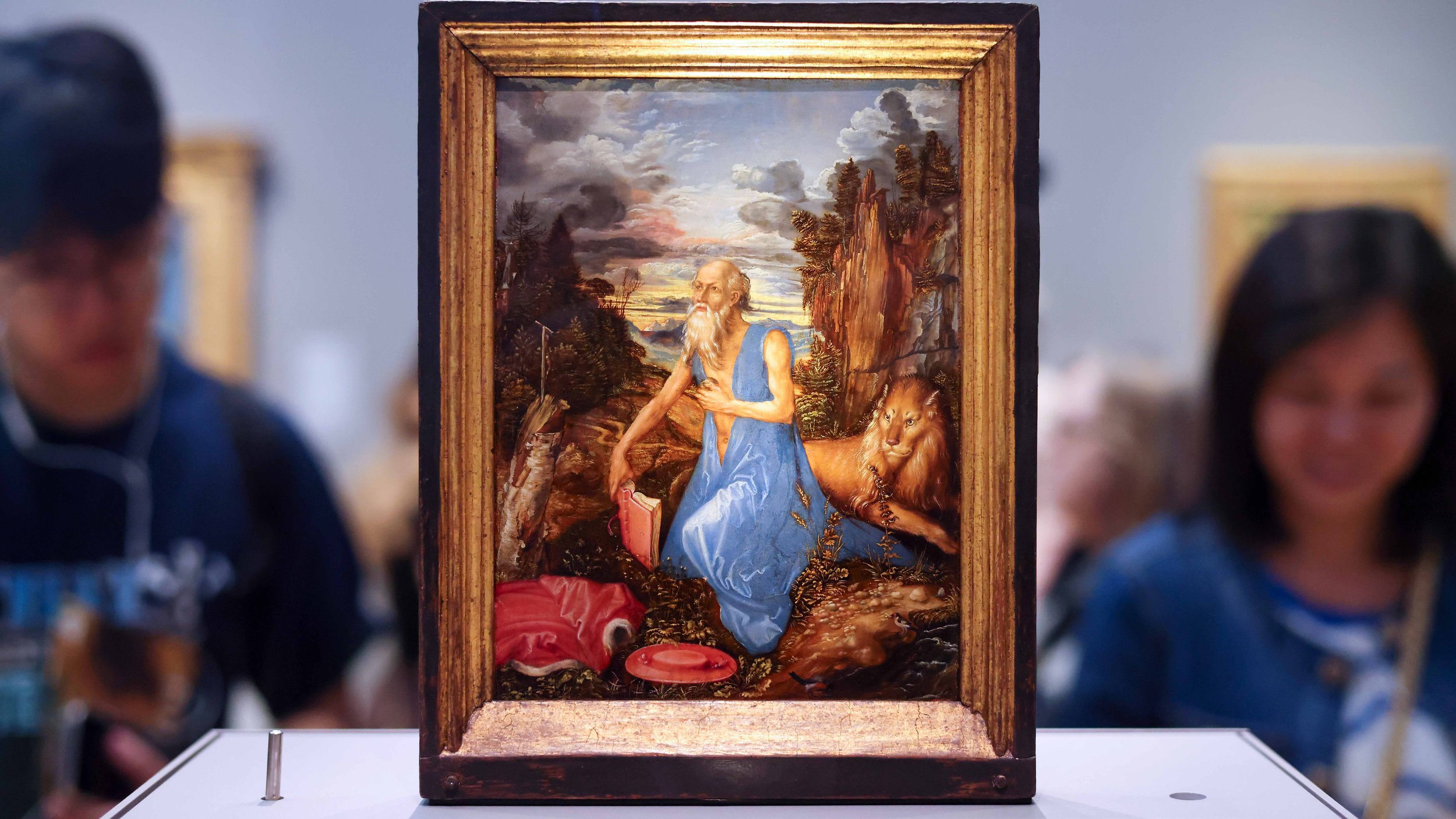
Analyzing painting: Durer’s Saint Jerome
CLOSE LOOKING VIDEOS

COMPOSITION · COLOR
Leonora Carrington, Self-Portrait

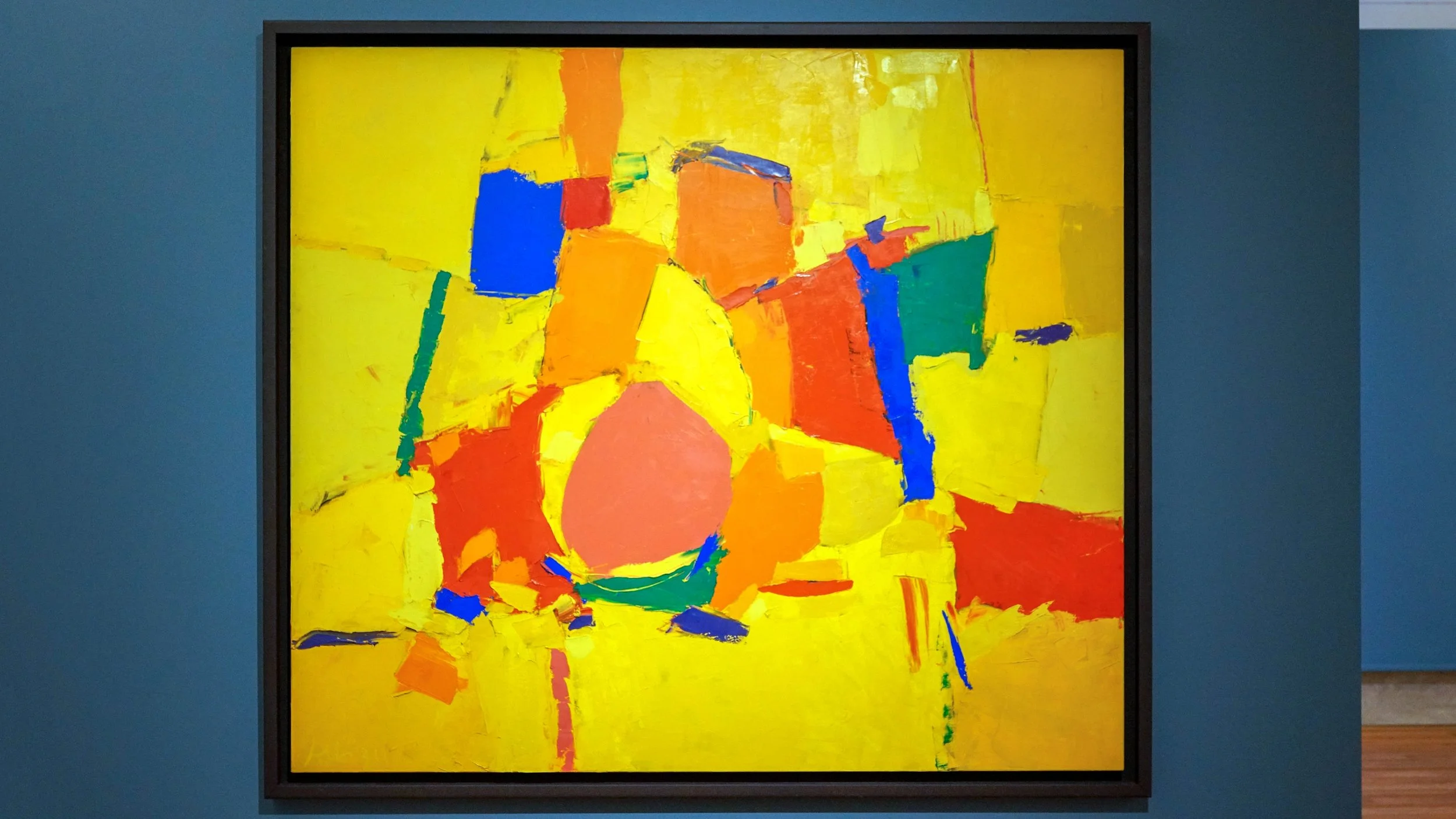
COMPOSITION · TEXTURE · SHAPE
Korean bronze mirror, Goryeo Dynasty

COLOR · LINE · ABSTRACTION
Olga Albizu, 900-50-80
LINE · TEXTURE · PATTERN
Medieval Armenian stone slab
COLOR · DESIGN · PATTERN
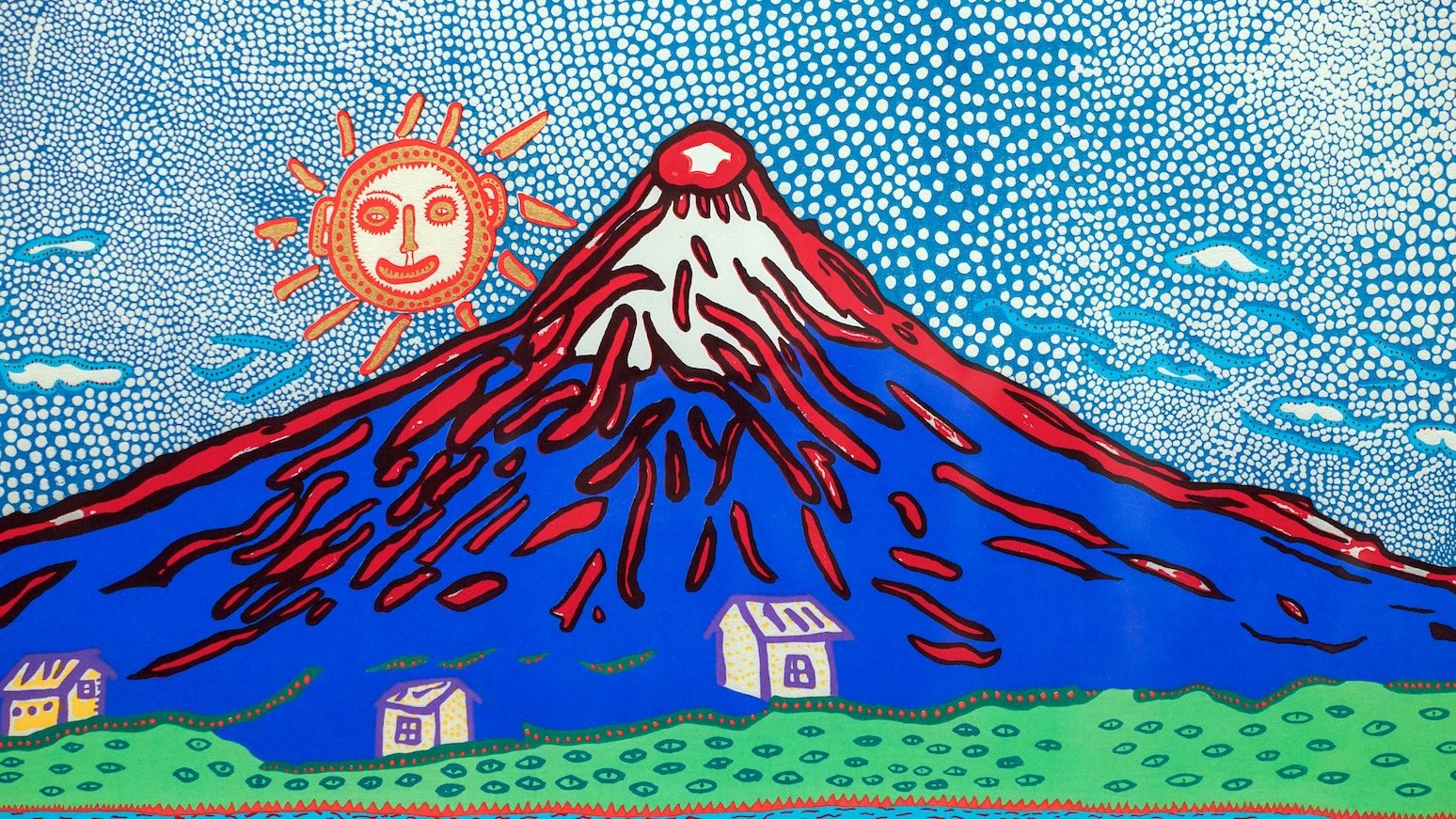
Yayoi Kusama, Where the Universe and Human Life Are
02
VOCABULARY
Language to Describe What You See
Before you can analyze art, you need the words to describe it. These videos teach the vocabulary that art historians use so you can talk about any artwork with precision.
Important terms and concepts
Linear Perspective
Impasto
Anthropomorphism
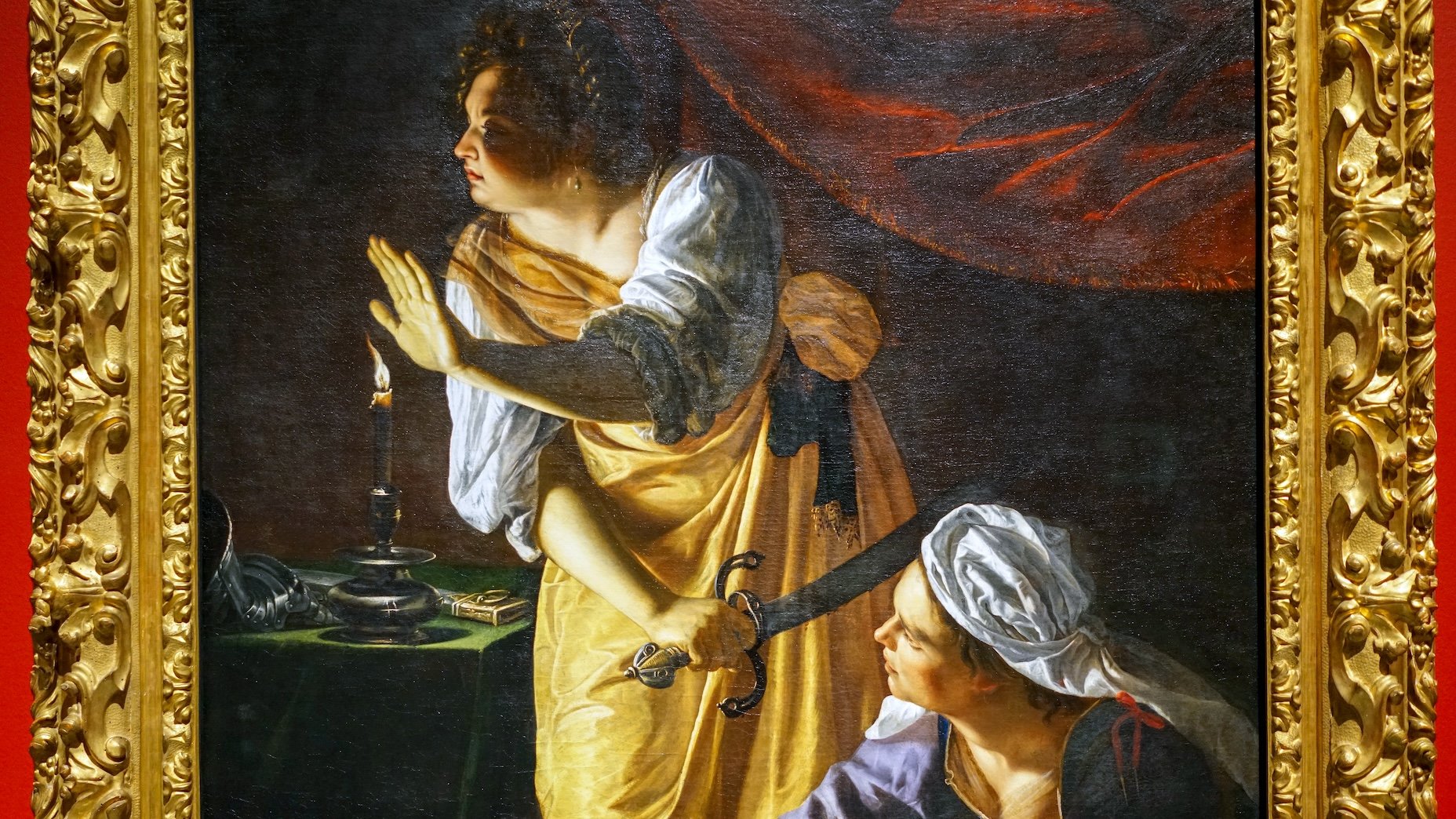
What is tenebrism?
Artemisia Gentileschi’s Judith with Her Maidservant


What is linear perspective?
The Ideal City in 15th-century Italy
What is horror vacui?
A ceiling in the church of Santo Domingo de Guzmán in Oaxaca City, Mexico
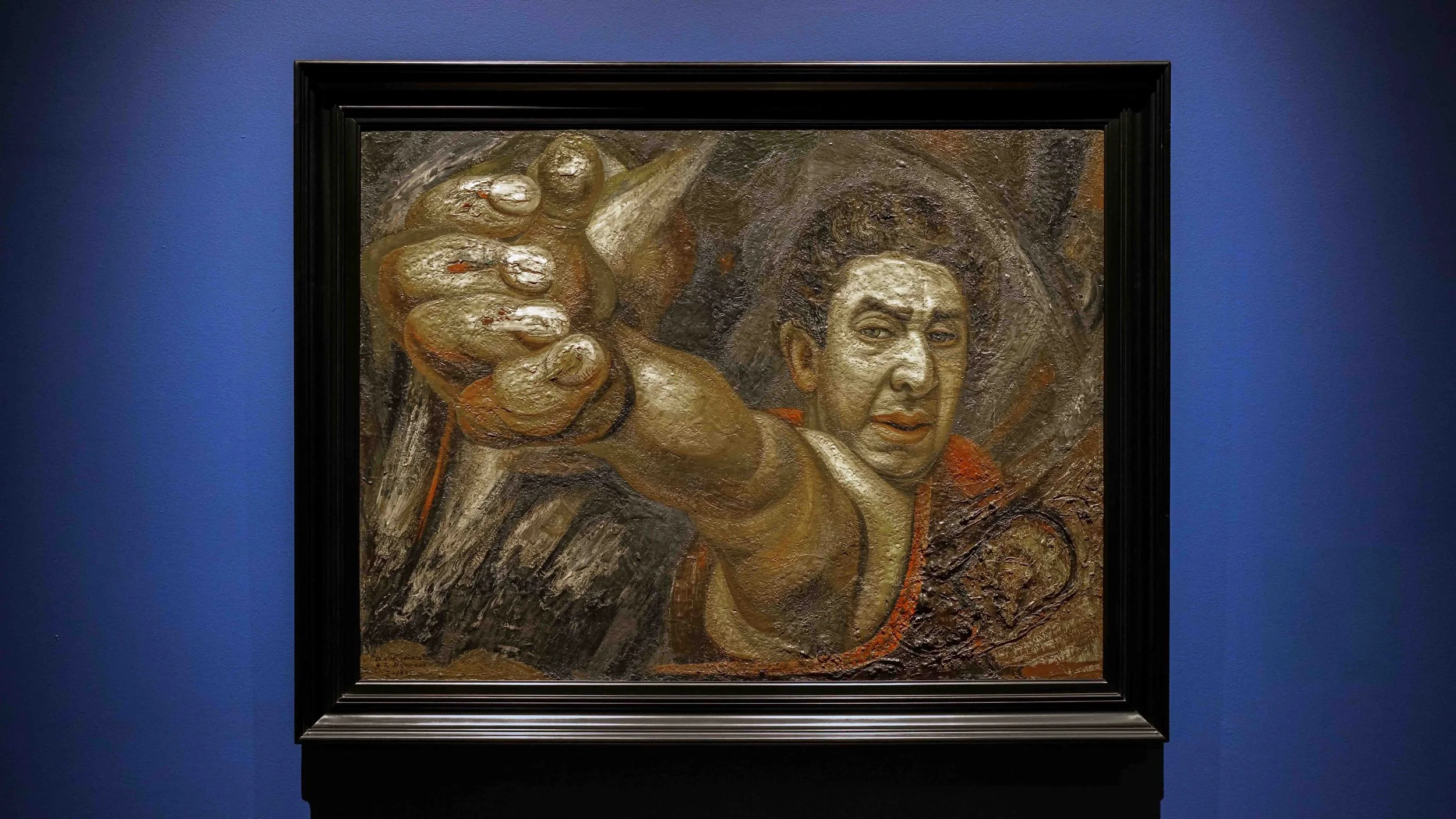

What is foreshortening?
David Alfaro Siqueiros's Self-Portrait

What is contrapposto?
Andrea del Verrocchio’s David

What is relief sculpture?
The sarcophagus lid of Pakal), caves at Longmen, and the Great Hypostyle Hall at Karnak

What is anthropomorphism?
Aztec (Mexica) tecpatl or sacrificial blades
What is atmospheric perspective?
Albert Bierstadt, The Rocky Mountains, Lander's Peak


What is en plein air painting?
Claude Monet’s Impression, Sunrise

What is impasto?
Vincent van Gogh’s Roses
What is di sotto in sù?
Andrea Mantegna’s Camera Picta
Relief Sculpture
Atmospheric Perspective
Di Sotto in Su
Mosaic
Foreshortening
En Plein Air
Contrapposto
Horror Vacui
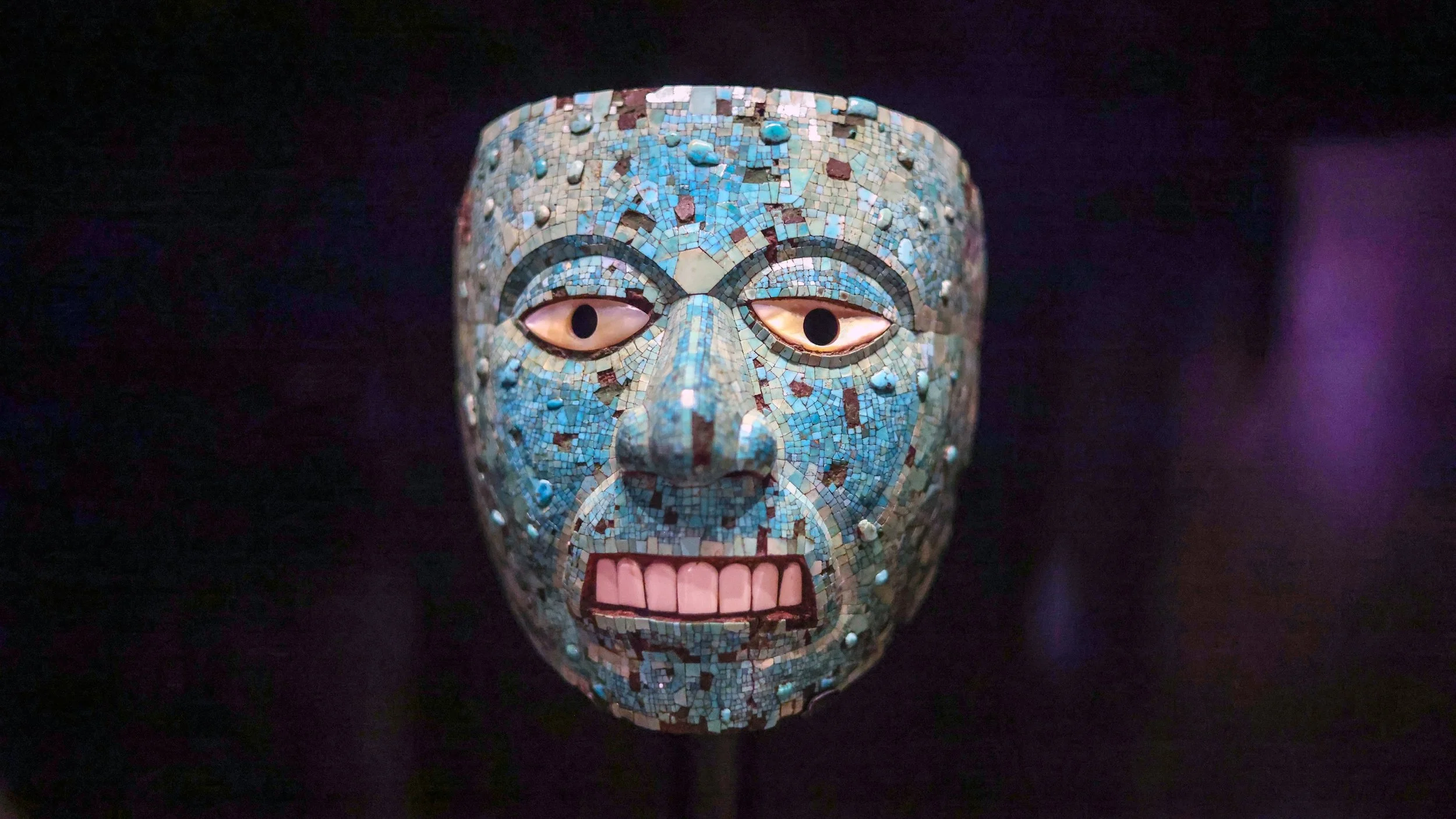
COMING SOON: What is mosaic?
Aztec, Byzantine, Islamic, and Roman examples

What is an equestrian portrait?
Marcus Aurelius on Horseback

What is a portrait?
Rogier van der Weyden, Portrait of a Lady

What is a still life?
Rachel Ruysch, Still Life with Flowers

What is a landscape painting?
José Maria Velasco, Valley of Mexico

What is a genre scene?
Caravaggio, Fortune Teller

What is self-portraiture?
Judith Leyster, Self-Portrait
03
SUBJECT MATTER
Genres & Subjects in Art
Genres are the categories of subject matter that artists have returned to across centuries and cultures, such as portraits, landscapes, still lifes, and more. Knowing the genre helps you understand what a work is trying to do.
Important terms and concepts
Equestrian Portrait
Genre Scene
Self-Portrait
Landscape Painting
Portrait
Still Life
Narrative

What is a mural?
José Clemente Orozcos murals
04
SUBJECT MATTER
The Art in Your Neighborhood
Get to know the art around your neighborhood.
Important terms and concepts
Mural
Related Resources
Explore Continents

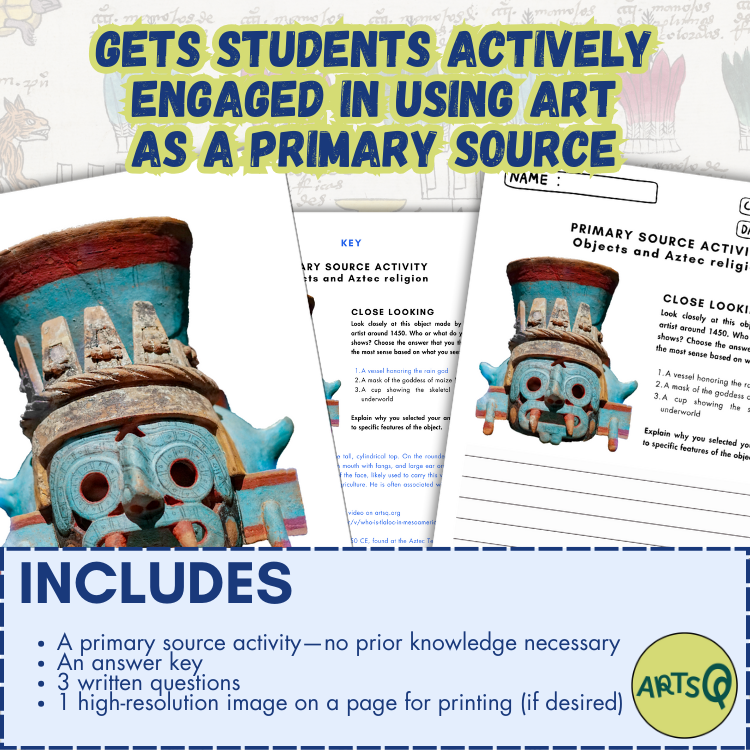
This primary source activity focuses on a painted vessel of the Aztec rain god Tlaloc to help students learn to look closely and use that visual evidence to make a claim. It also helps them understand the value of art and material culture as primary sources, which are important for learning about many different Mesoamerican cultures!
Looking for ways to encourage close looking?
Check out our printable activities in our store!