
AN ONLINE COURSE
Learning
to Look
Have you ever stood in front of an artwork and thought:
Why is this art?
What am I supposed to notice or say?
Other people seem to “get it”, so why don’t I?
My kid could make that.
Why did someone make this?
You’re not bad at art.
You were just never taught how to look. That’s what this class is for.
Learning to Look is a self-paced online course that gives you the tools to walk into any museum, gallery, or historic site and feel like you belong there.
For less than the price of a college course, you can learn how to look at art with confidence.
Your Guides
Between us, we’ve taught thousands of college students at universities across the country. Collectively, wehave more than 65 years of teaching experience.
We have published articles and books, won teaching awards, and spent way too much time in museums and on site.
We built this course because we keep meeting smart, curious people who just needed someone to show them how to look at art.

Dr. Cortney Chaffin Kim
Cortney earned an MA and PhD in East Asian Languages and Civilizations at the University of Pennsylvania. She specializes in the art and archaeology of Asia.

Dr. Lauren Kilroy-Ewbank
Lauren earned an MA and PhD in the history of art from the University of California, Los Angeles. She specializes in Indigenous Art of the Americas and Early Modern Art of Spain and Latin America.

Dr. Heather Graham
Heather earned an MA and PhD in the history of art from the University of California, Los Angeles. She specializes in Ancient and Early Modern European art.
COMING SUMMER 2026
〰️
COMING SUMMER 2026 〰️
What’s it like?
-

Introductory
No prior experience required
-

Self-paced
Learn on your own time, at your own speed
-

9 Modules
2+ hours of videos, text, & images
-

Lifetime Access
Revisit anytime—it’s yours forever

More About the Course
Discover the art of really looking.
This course transforms the way you see by slowing things down and sharpening your eye for detail. You’ll learn how artists communicate through line, color, light, and form—and why it matters.
This course turns casual viewing into genuine understanding. Whether you’re a teacher, student, traveler, or lifelong learner, you’ll walk away seeing the world with a sharper, more curious gaze.
We teach you the foundational skill behind all art history, museum education, and visual literacy: visual (formal) analysis. Perhaps that sounds academic, but it’s actually very simple!
It’s the practice of:
slowing down
noticing what’s actually there
understanding how visual elements work together to create meaning
This course shows you how to look with confidence, whether you’re in a museum, a classroom, a historic building, an archaeological site, or scrolling through images online.

What you’ll get
-
✺
A new way to see art
Learn to slow down and notice details that most people overlook—without feeling overwhelmed.
-
✺
Hands-on visual analysis skills
Identify key visual elements like line, color, space, scale, and emphasis by describing and interpreting what you see.
-
✺
Critical thinking tools
Build confidence analyzing visual evidence like an art historian by using an approach you can apply to any artwork.
-
✺
Guided close-looking exercises
Interactive prompts that train your eye and spark curiosity.
-
✺
Connections across time and place
Discover how artists everywhere use line, color, light, and form to express meaning.
-
✺
A more personal relationship with art
Move from “I like it” to “I understand why it matters.”
Practical skills you can use again and again.
No memorization
No jargon-heavy lectures
No tests
Who This Class Is For
-
Teachers
who want students to engage more deeply with images
-
Museum-goers
who want to feel more confident looking at art
-
Parents or homeschoolers
teaching visual thinking skills
-
Lifelong learners
who love art but want more than surface reactions
-
Travelers
who want to immerse themselves more fully into the visual world they are visiting
-
Anyone
who’s ever thought, “I wish I knew what I was supposed to notice”
Course Details
Module 1: Getting Started
You’ll learn about the course and your guides, Lauren, Cortney, and Heather, and we will explore some foundational questions: Where do you actually find art? Who makes it? And who pays for it? (The answers might surprise you.)
Module 2: Looking at Art
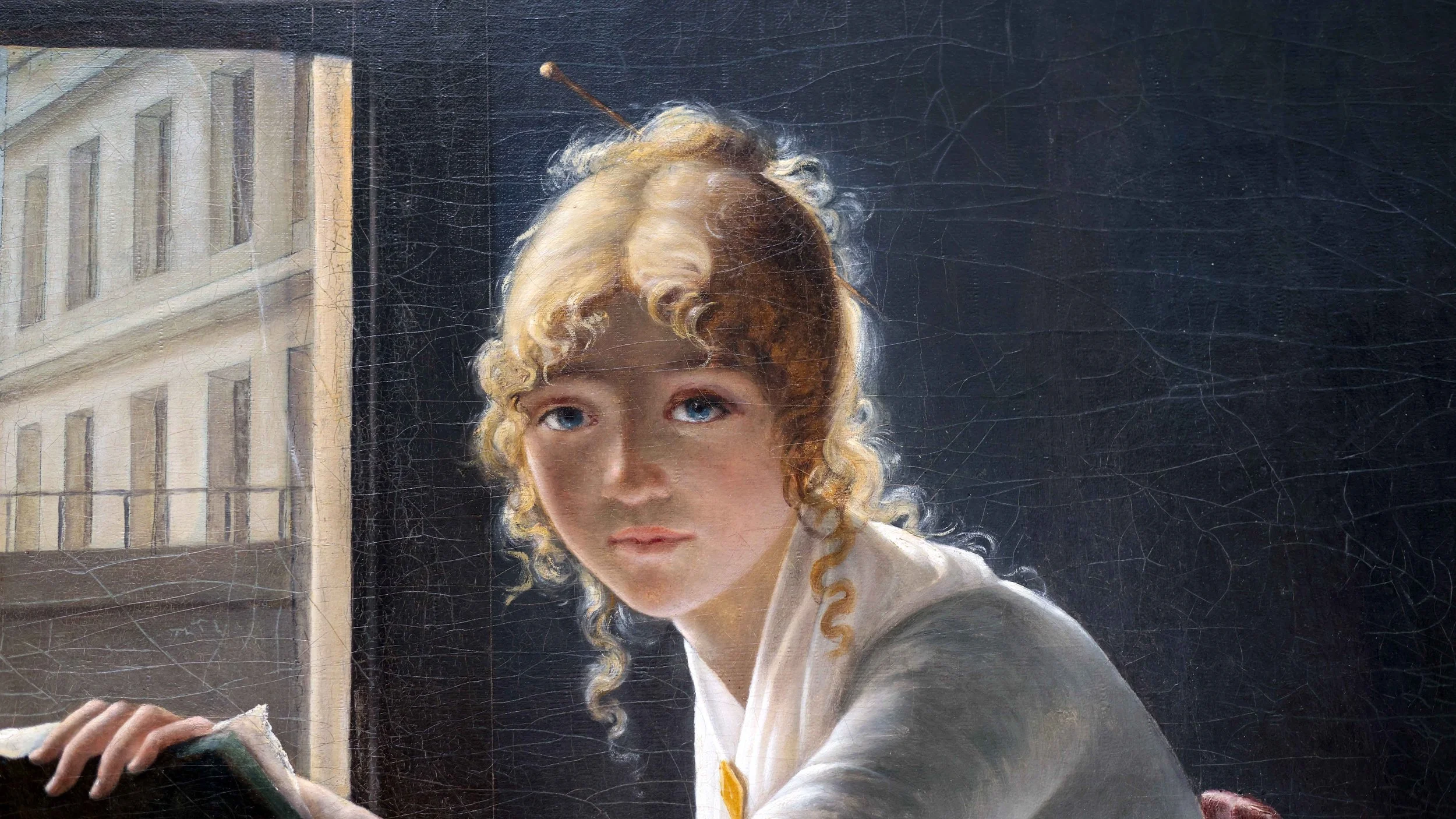
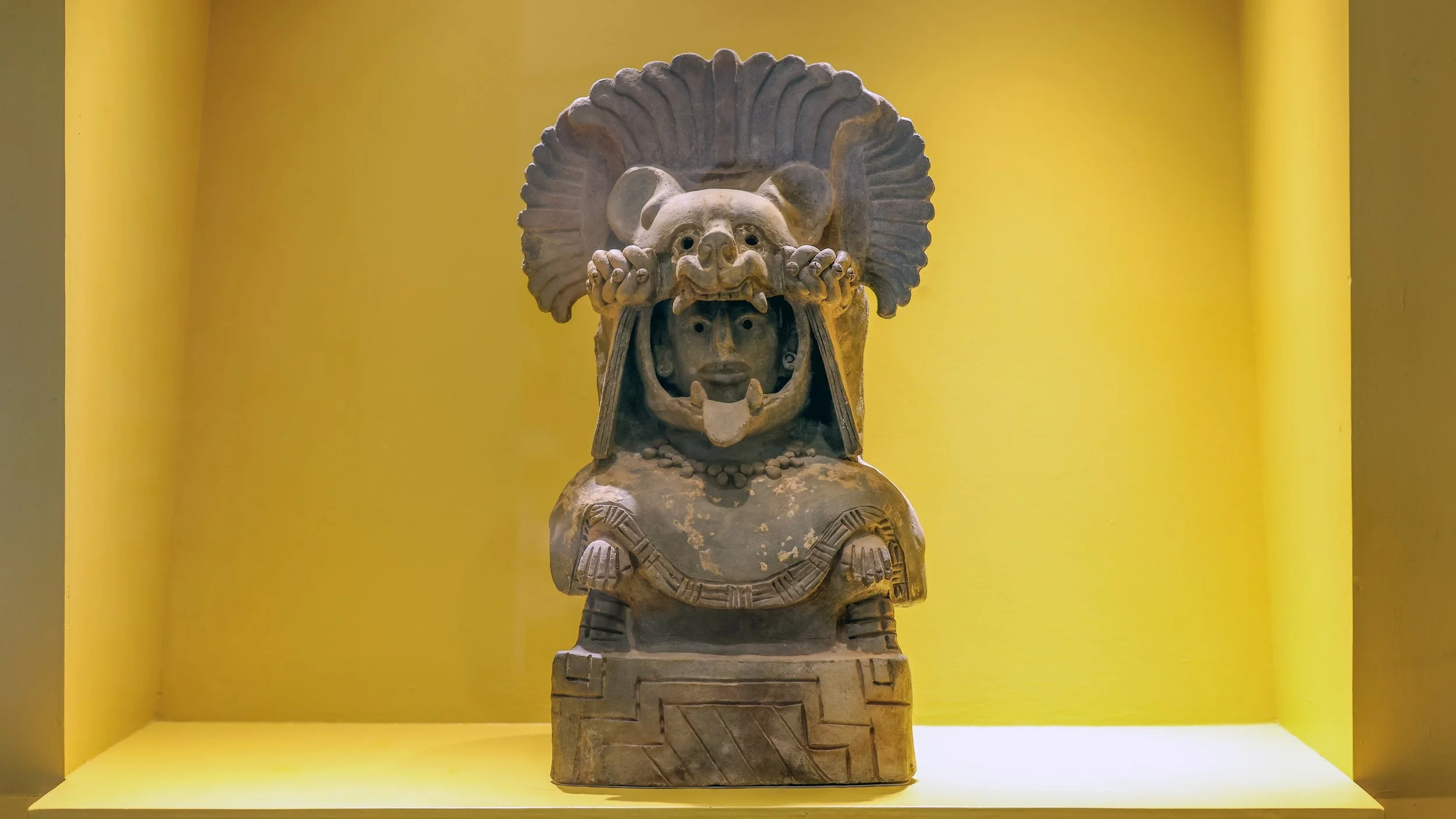
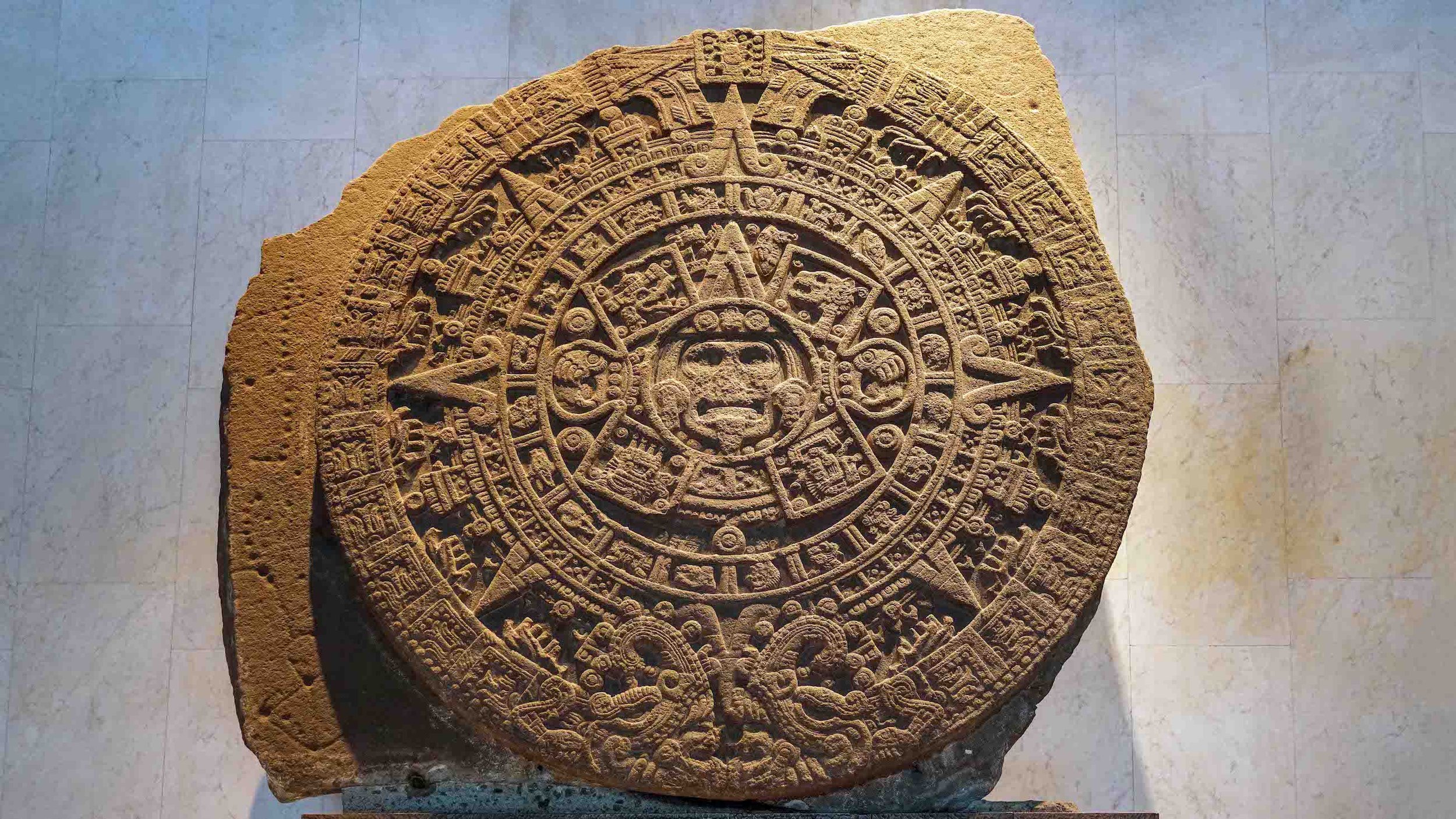
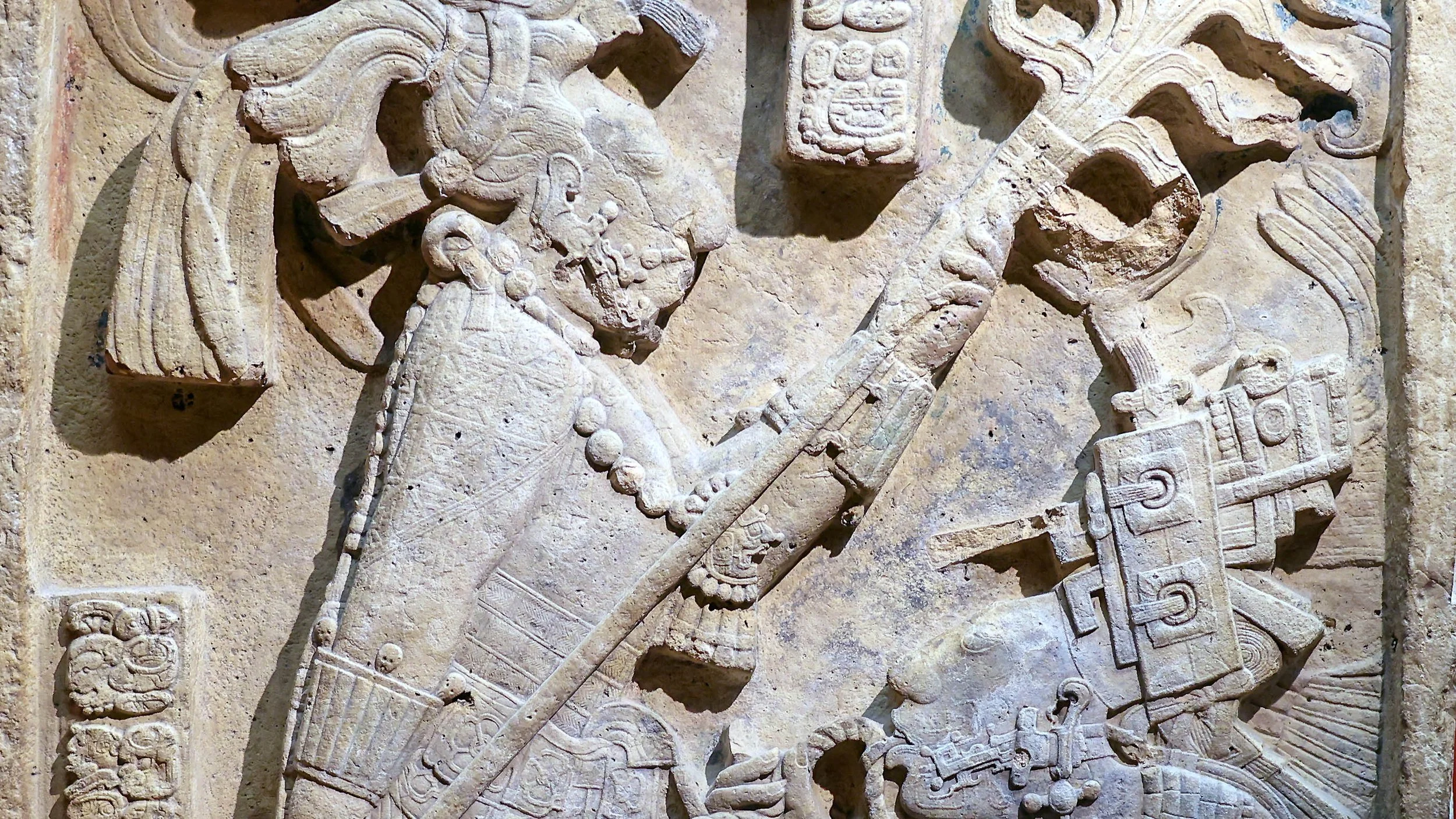
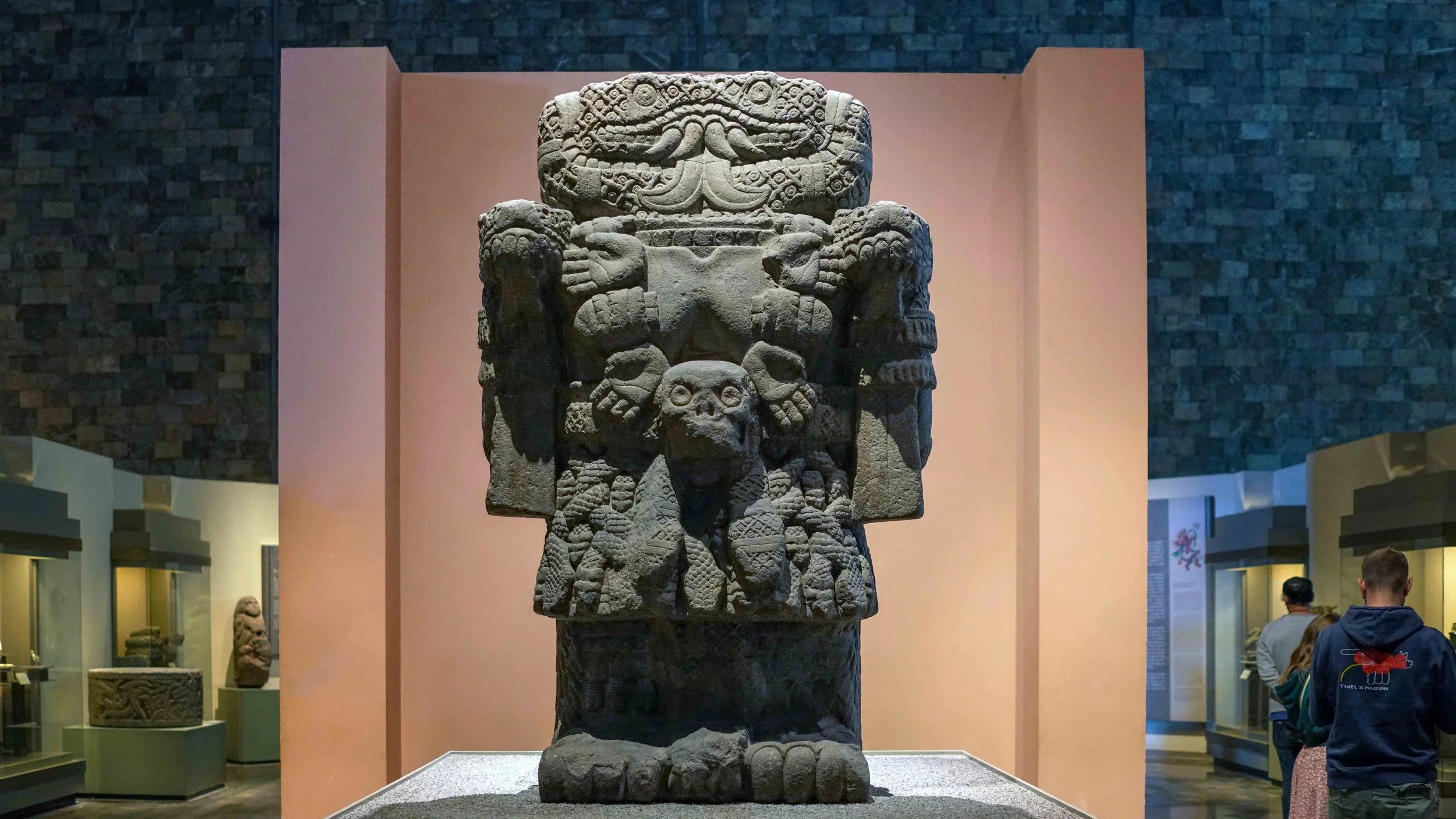
Line, Color, Shape, Texture, Light, and Space—these are the fundamental building blocks that artists use to communicate meaning. We’ll practice visual analysis by looking closely at three different types of objects: an ancient Chinese bronze vessel, an Aztec stone sculpture, and an Northern Renaissance painting.
Module 3: Visiting Museums
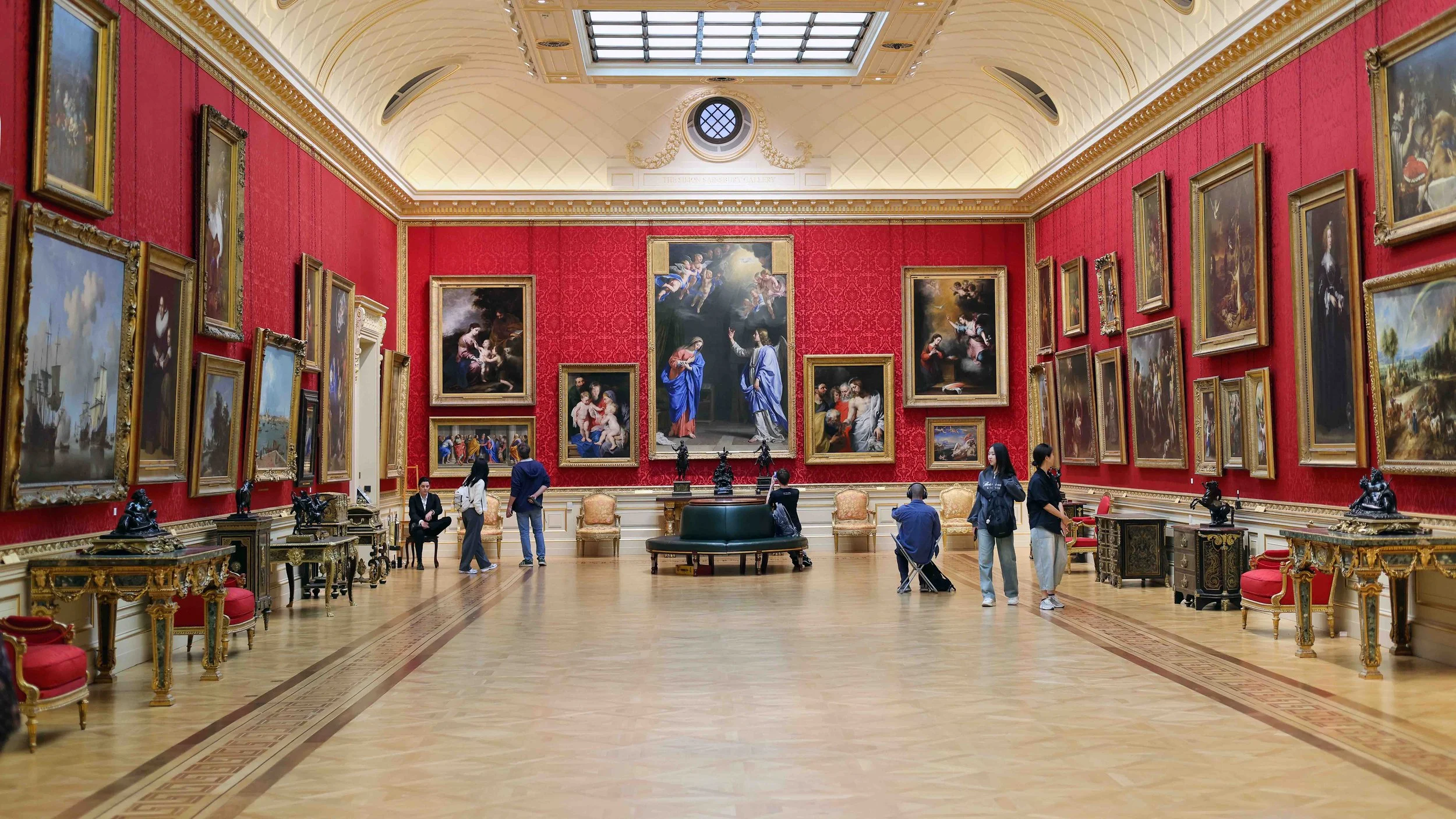
Most of us encounter art in museums, but no one really teaches us how to be in one. We’ll look at hw a museum’s design, lighting, and layout shape the way you experience art—sometimes in ways you don’t even notice. You’ll also learn how to decode a museum label and pick up some tips for photographing art if that’s your jam.

Module 4: Subjects and Genres of Art
Art isn’t just “ an image of something pretty.” There’s a rich vocabulary of subject matter and genres—portraiture, still life, history painting, landscape, religious imagery, and more. Knowing the difference completely changes what you notice. This module introduces you to the most common types you’ll encounter, and what artists were trying to say with each one.

Module 5: Painting
Paint is paint, right? Well, not exactly. The medium an artist chooses, whether that’s oil, tempera, fresco, watercolor, encaustic, or ink, shapes everything from the texture and color to how long the artwork is meant to last. We’ll walk you through the major painting media, what makes each one distinct, and how to recognize them when you’re standing in front of an artwork.
Module 6: Sculpture
Sculpture asks something different of us than a flat image does. It exists in three dimensions, inviting us to move around it. It can range from a tiny figurine to a massive public monument. We’ll look at types of sculpture—freestanding, relief, and more—and explore the variety of materials sculptors work with, from marble and bronze to clay and wood.

Module 7: Metalworking
Bronze, gold, silver—metals like these have been one of humanity’s most prized artistic materials for thousands of years. In this module, we focus on bronze, from how it is made and why it was valued across cultures to what it can tell us about the societies that produced it.

Module 8: Printmaking
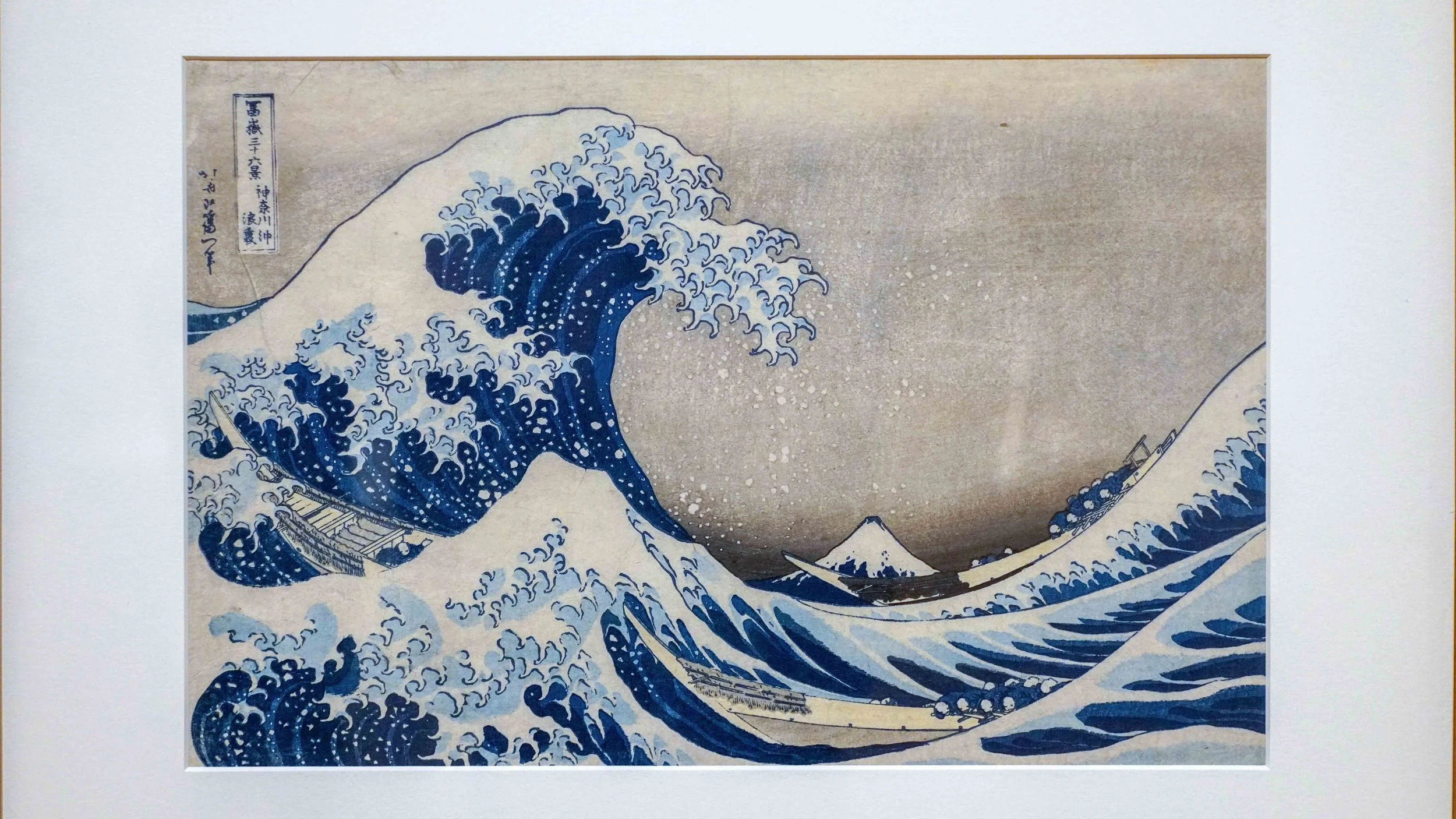
Before photography, before the internet, printmaking was how images traveled the world. We’ll introduce you to Japanese woodblock prints in particular—they are some of the most famous types of prints in the world. Once you understand how they are made, you will look at them in a whole new way.
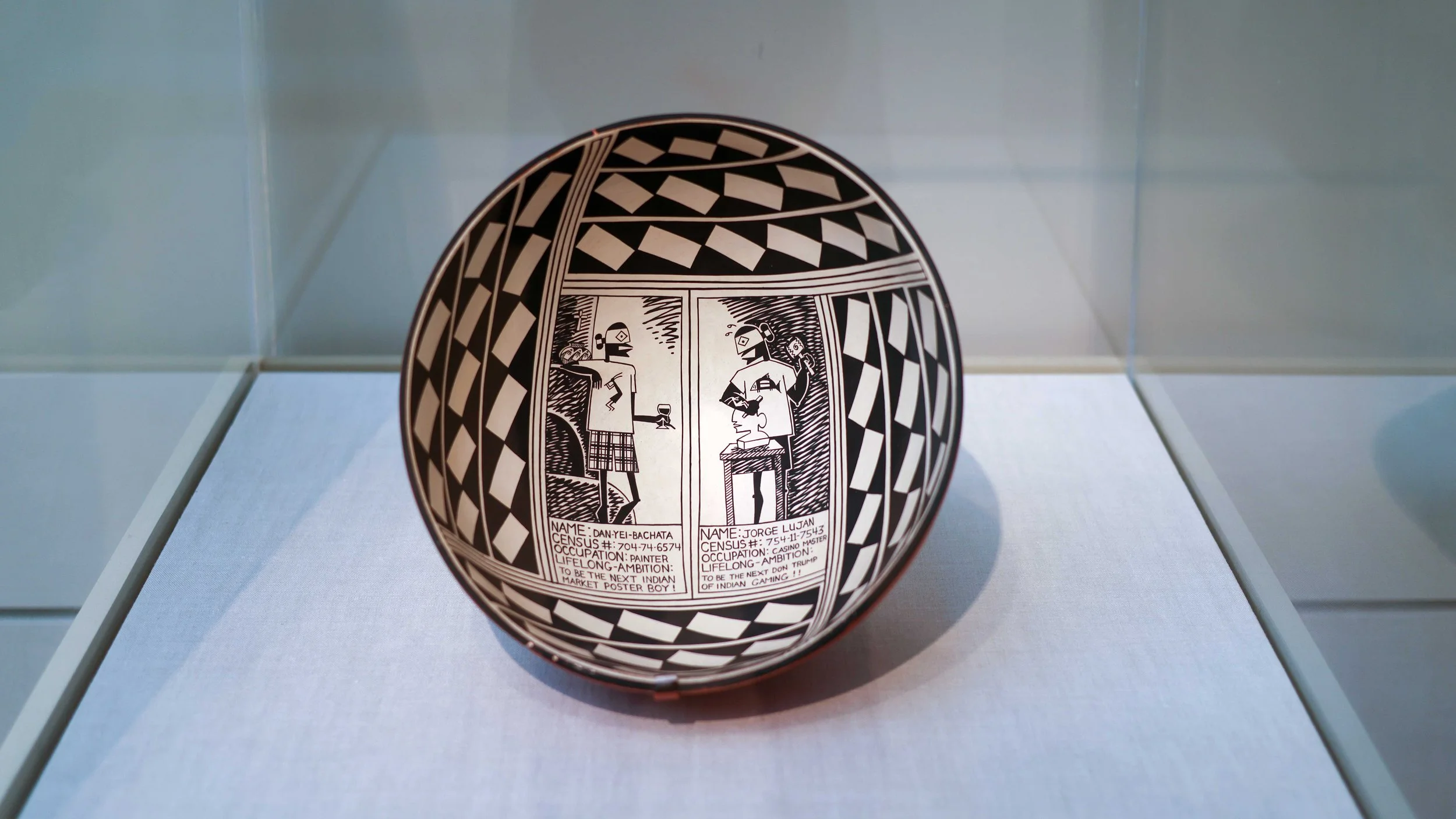
Module 9: Ceramics
From ancient earthenware to blue-and-white porcelain, this module helps you identify and connect with ceramics to appreciate their beauty.
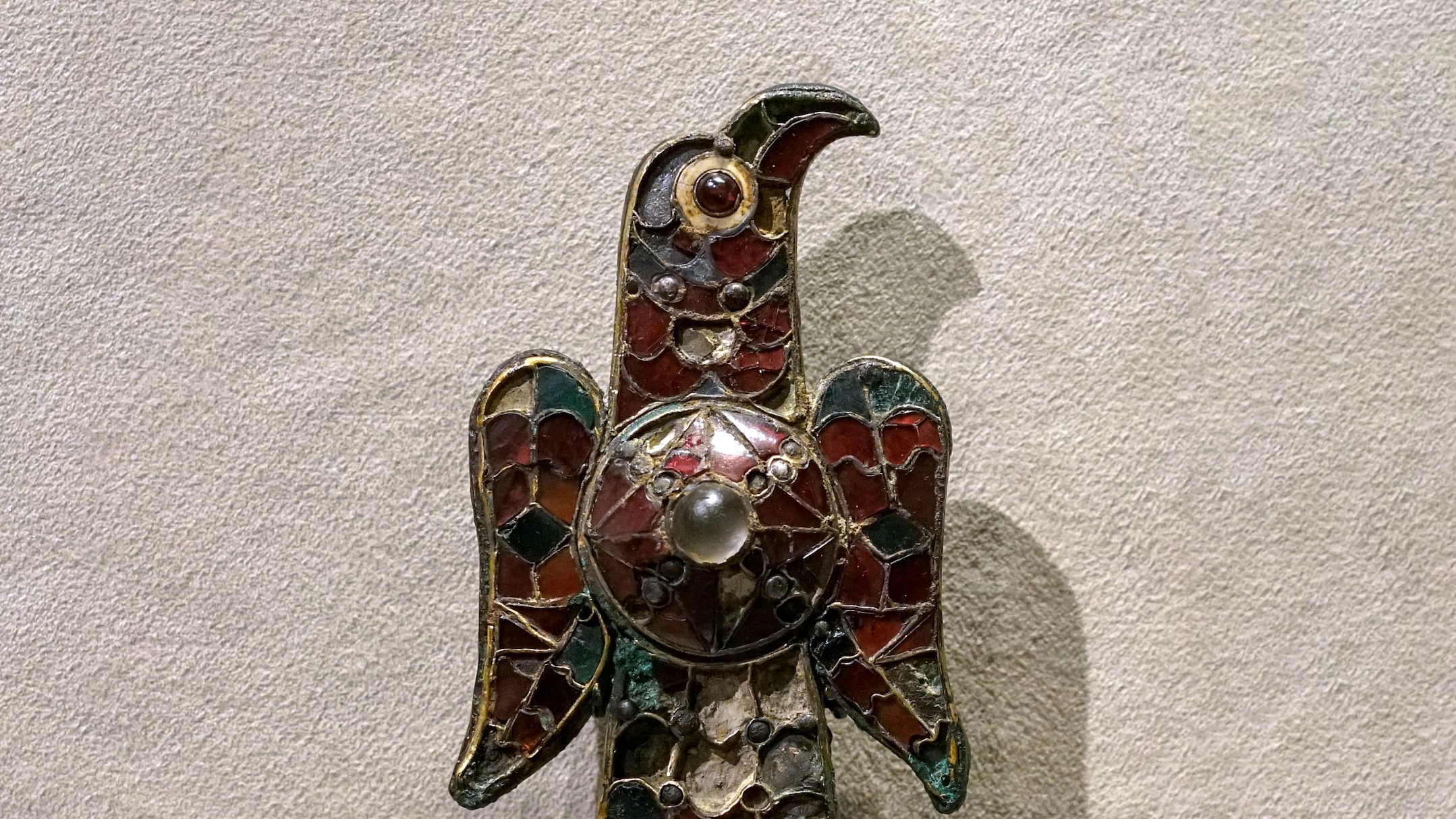
Module 10: Rocks, Gems, and Shells (Lapidary)
Some of the most breathtaking objects in any museum collection aren’t paintings or sculptures. They’re small, intricate works of art made from jade, turquoise, shell, obsidian, and other precious materials. Lapidary arts, or the cutting and shaping of gems and stones, have been practiced across cultures worldwide. In this module, we’ll explore why these objects carried such deep symbolic, spiritual, and political meanings.
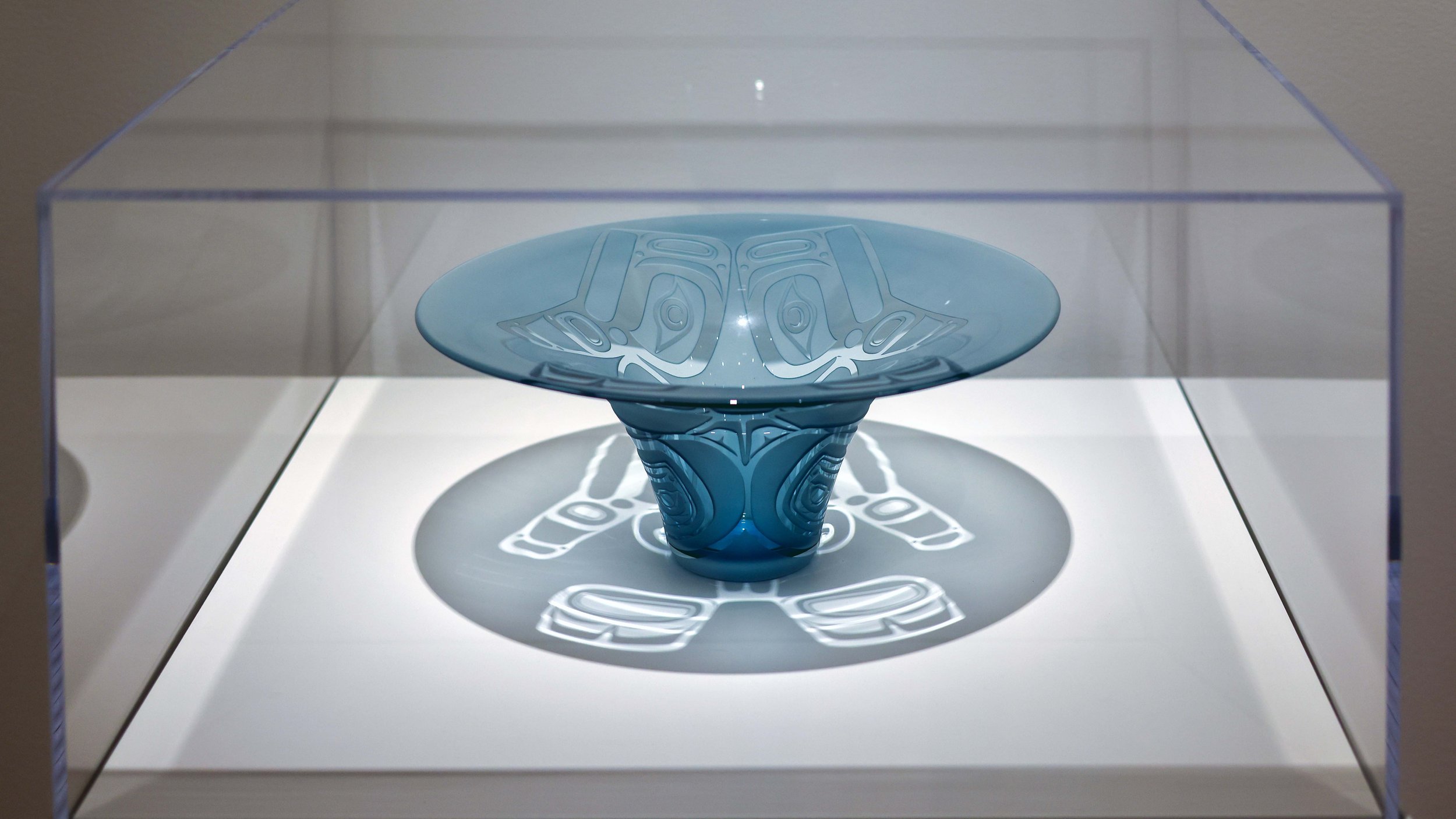
Module 11: More materials!
Glassware, featherworks, tapestry, dress, and textiles are covered in this module.

We create engaging, research-based art and history education designed for real people—kids, students, teachers, parents, and lifelong learners
We believe art history should be:
accessible
fun
visually rich
genuinely useful
Learning to Look is the foundation for all of that.
✺ Frequently asked questions ✺
-
Yes, and especially for you. We designed this course for people who feel like outsiders in museums. No background needed.
-
Nope! This course is designed for anyone, whether you have any previous knowledge of art history or not.
-
Good question! This course gives you a structured framework not just facts, but a repeatable way of looking that you can apply to any artwork, anywhere. We like to think we are curating an experience for you much as we would for any of our in-person classes.
-
Most modules are 10–25 minutes, so the whole course fits into a weekend—or you can spread it over a few weeks at your own pace.
-
Yes! Once you purchase the class, you will have instant access to the materials.
-
You will have lifetime access to the course. Even after you complete it, you can revisit it whenever you’d like!
-
Unfortunately, we can’t offer refunds as this is a digital class that you have instant access to after purchase.
Ready to See Differently?
Get on the Waitlist Now!
Ready to See Differently? Get on the Waitlist Now!