The Wild Beasts of Modern Art: The Fauvists
Speaker: Dr. Heather Graham
Henri Matisse, Woman in a Hat
In 1905, Henri Matisse painted his wife in shocking hues of green, blue, pink, and orange, and changed art history forever. This video explores Fauvism, one of the first modern art movements of the twentieth century, pioneered by Matisse and André Derain.
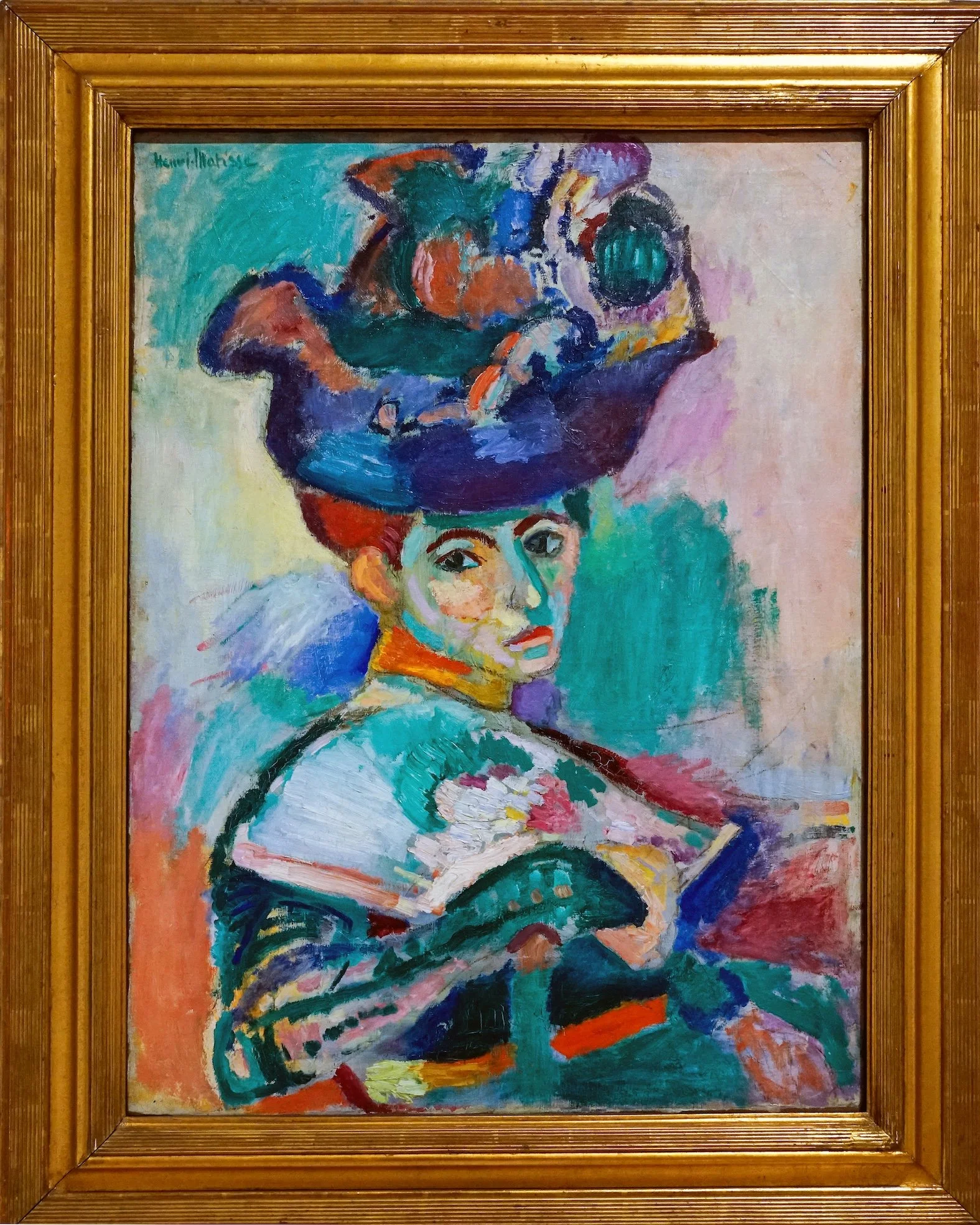
Matisse, Woman with a Hat
1905, oil on canvas, San Francisco Museum of Modern Art. Photo: © Dr. Lauren Kilroy-Ewbank
Learn how the "wild beasts" freed color from nature, why critics were scandalized, and how complementary color pairs create drama, volume, and emotion on the canvas. We consider why audiences and critics were so startled by paintings that abandoned naturalistic representation in favor of emotional and visual intensity. We also trace the origins of Fauvism in early twentieth-century France, where artists such as Matisse and Derain embraced vibrant pigments, rough brushwork, and daring contrasts to challenge centuries of artistic tradition. The short-lived Fauvist movement helped open the door to the radical artistic innovations of modernism.
Video chapters
0:00 A Portrait Unlike Any Other
0:40 The Birth of Fauvism
1:05 Challenging Tradition
1:33 “Wild Beasts” and Angry Critics
2:02 Freeing Color from Nature
2:54 The Logic of Matisse’s Colors
4:05 The Legacy of the Fauves
Learn more
Discover more about modern Europe.