
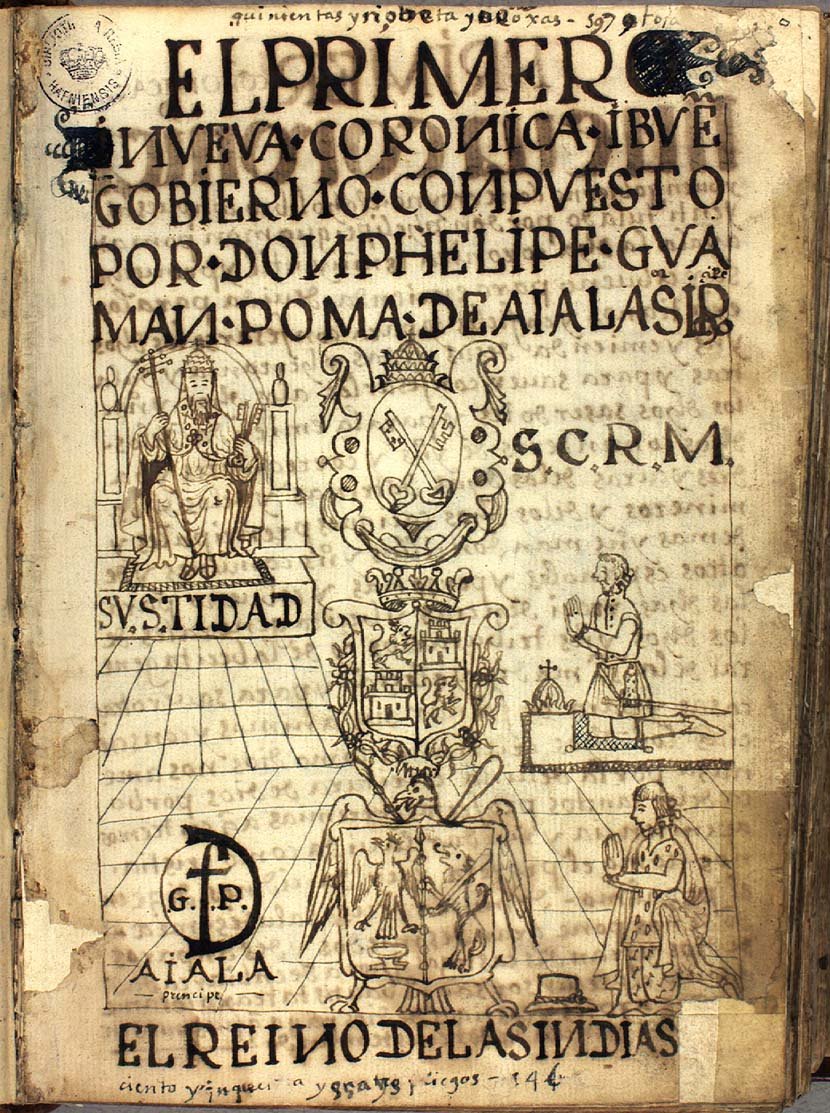
Felipe Guaman Poma de Ayala and The First New Chronicle and Good Government
Learn about Guaman Poma, the Indigenous author who documented pre-colonial and colonial Peru in a massive, illustrated manuscript. T
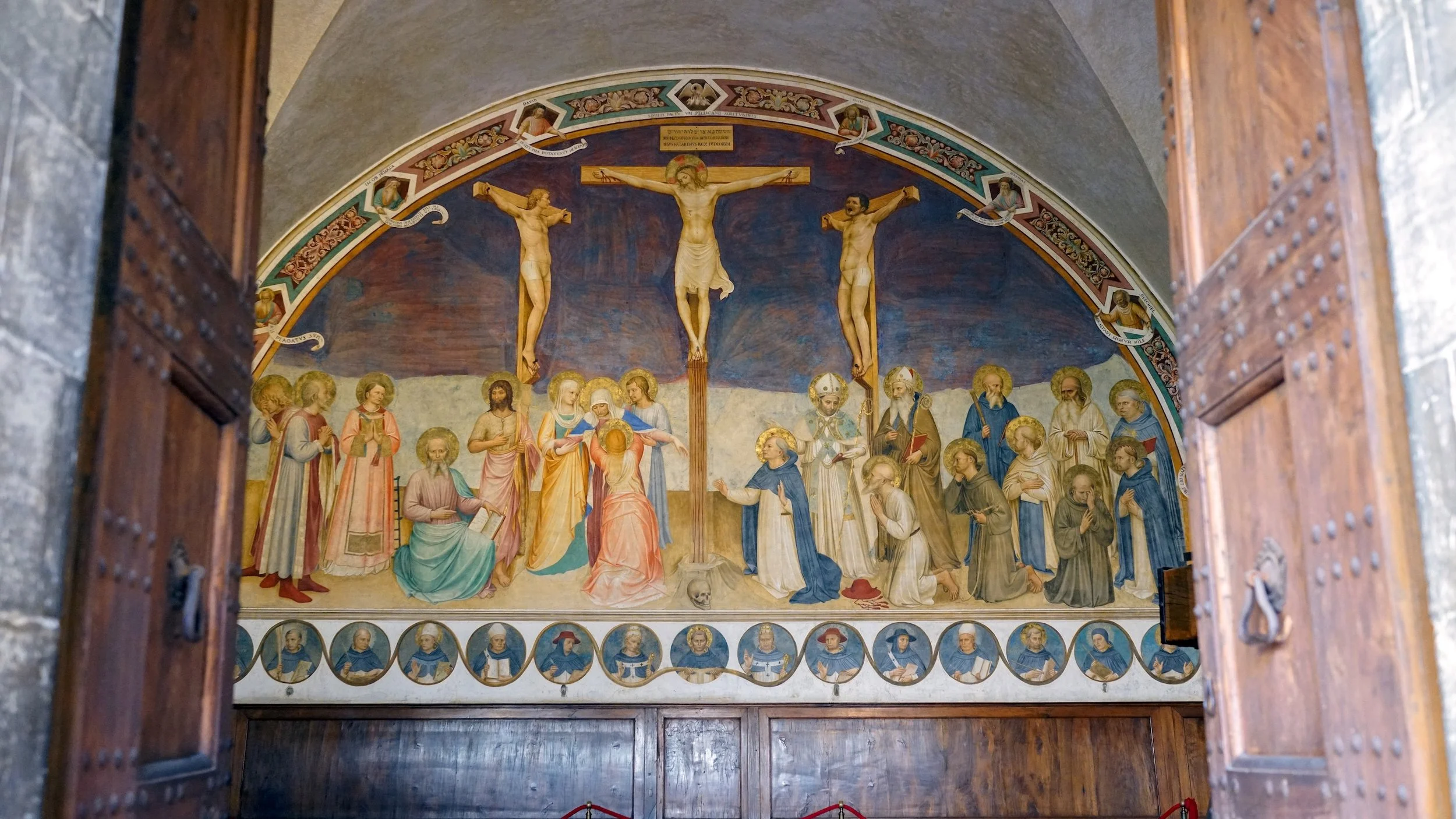
Fra Angelico, Crucifixion mural in San Marco
The monumental Crucifixion fresco in the Chapter room of the San Marco Monastery in Florence, Italy, provided the Observant Dominican friars who gathered there daily with powerful visual models for their communal religious life.
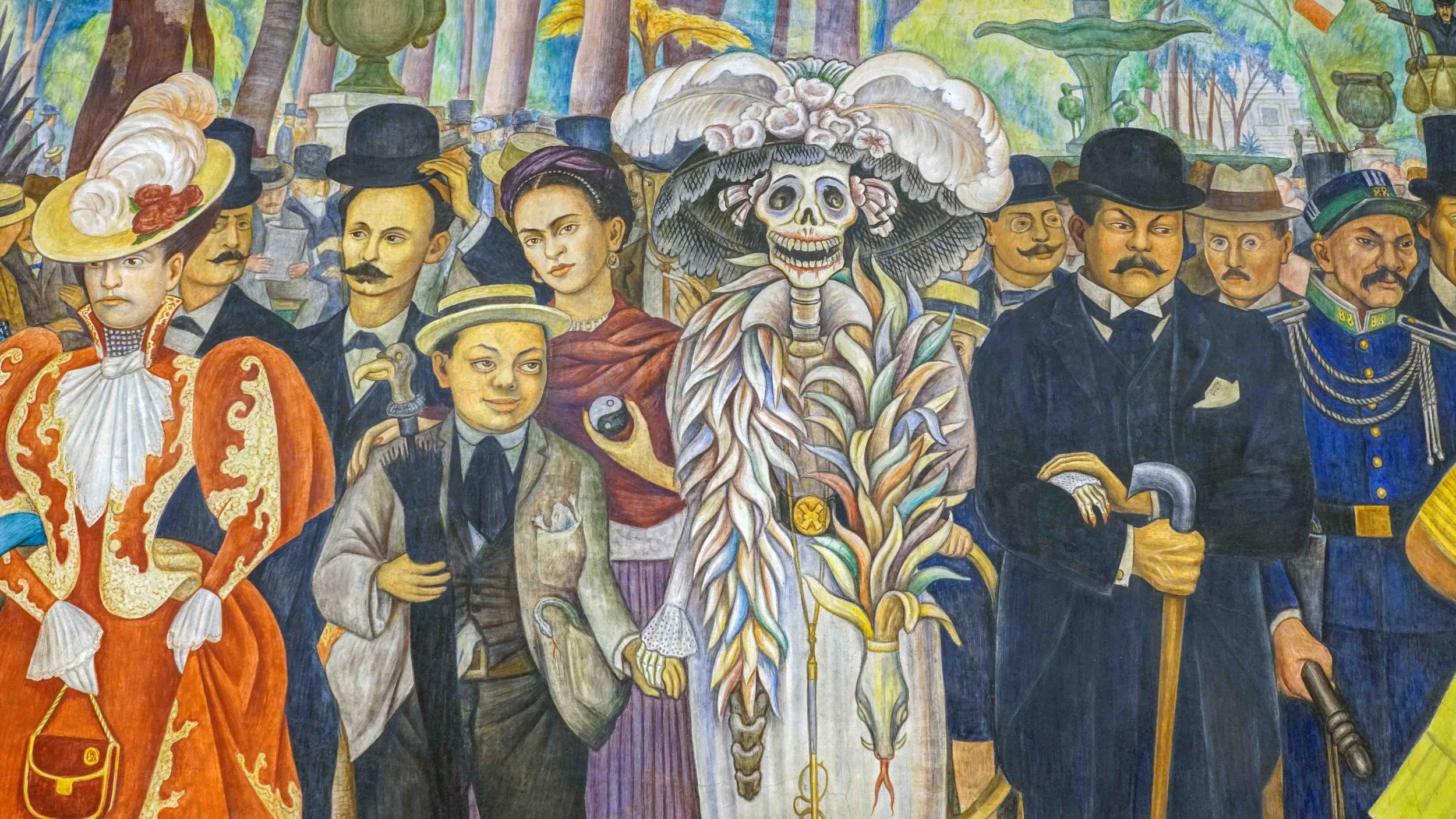
Diego Rivera, Dream of a Sunday Afternoon in Alameda Park
Diego Rivera's mural "Dream of a Sunday Afternoon in Alameda Park" is filled with over a hundred figures from Mexico's history, spanning 400 years.
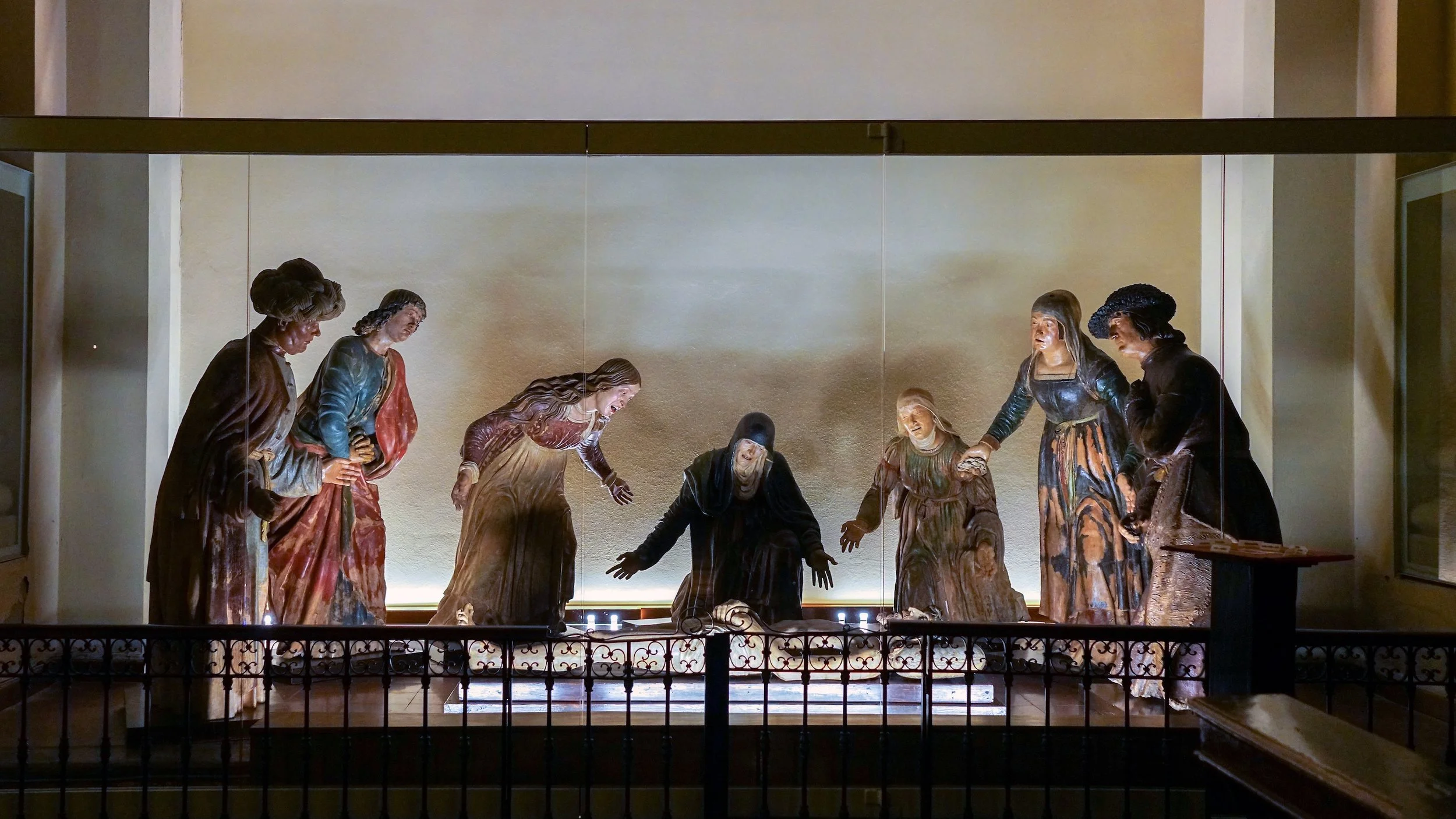
Guido Mazzoni, Lamentation Group in Ferrara
Stepping into the Church of the Gesù in Ferrara, Italy, we encounter a group of standing figures whose faces and bodies are contorted in expressions of sorrow.
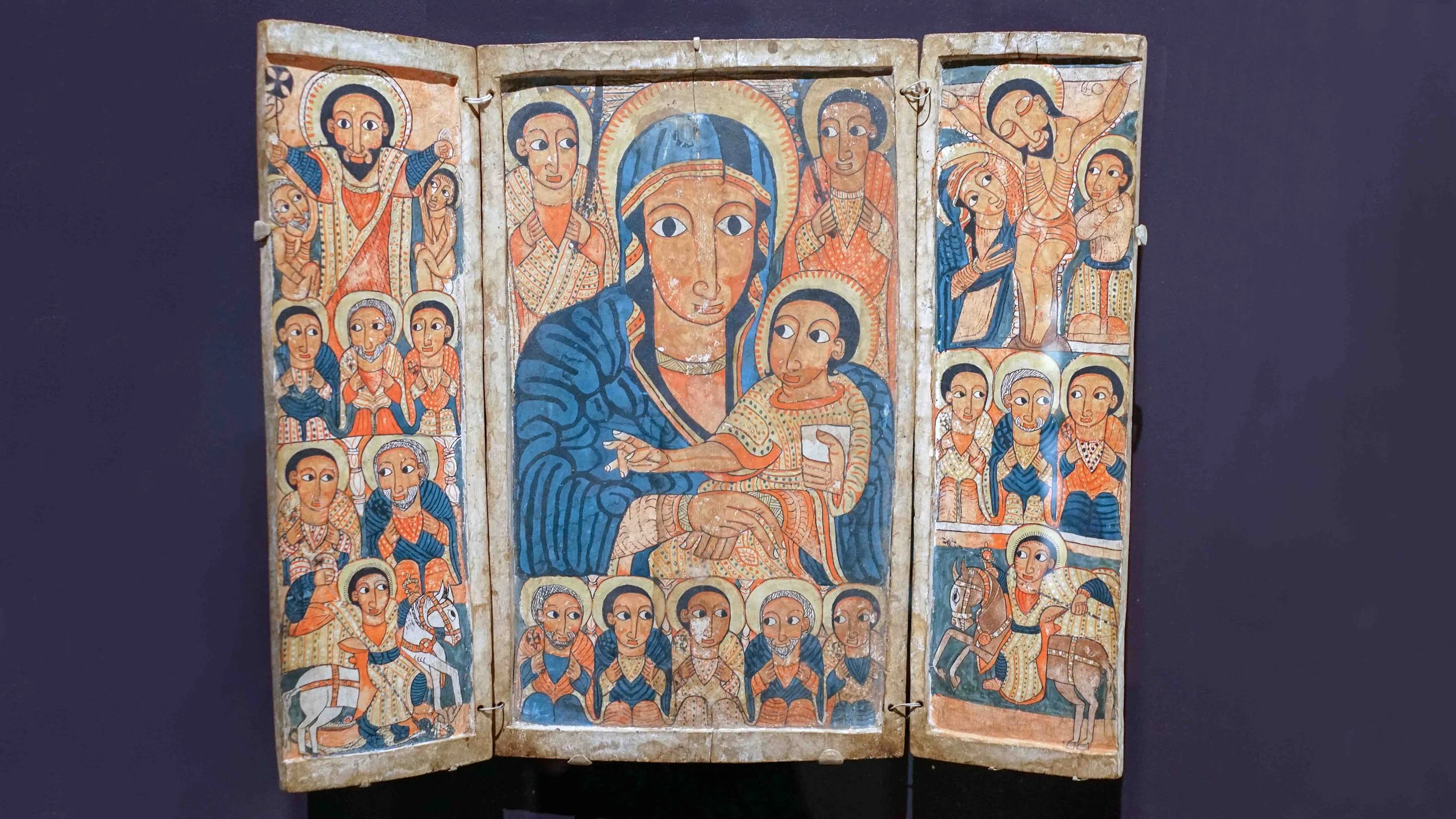
Diptych, triptych, polyptych—what’s the difference?
In art history, there are terms for artworks made of multiple panels, such as diptych, triptych, and polyptych. What do they mean?
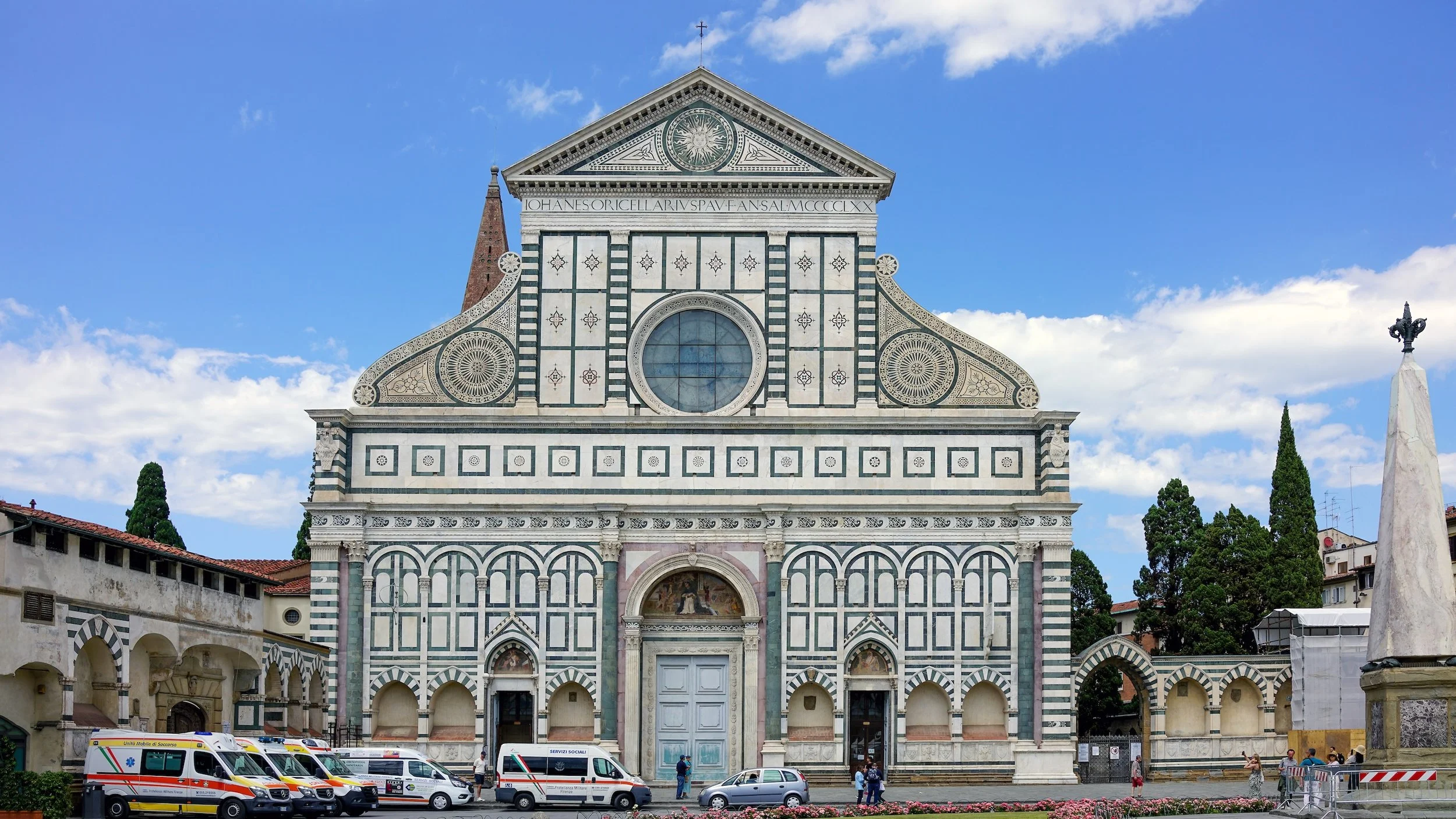
Leon Battista Alberti, Façade for Santa Maria Novella in Florence
The Dominican Church of Santa Maria Novella is one of the defining monuments of the Italian Renaissance in Florence, Italy.
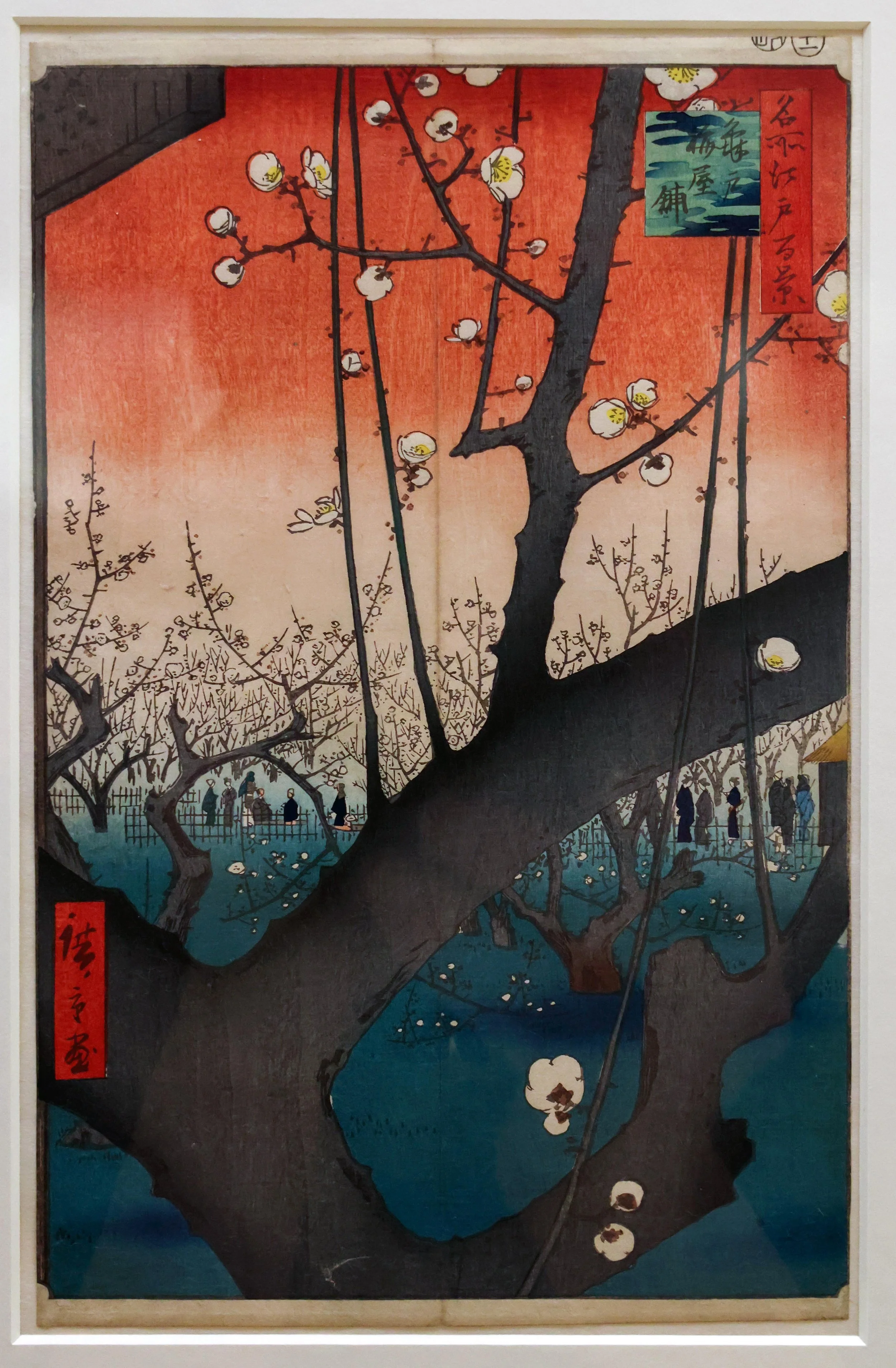
Pictures of Famous Places (meisho-e) and Ando Hiroshige's “One Hundred Famous Views of Edo”
The video explores meisho-e, or "pictures of famous places" genre in Edo Japan.
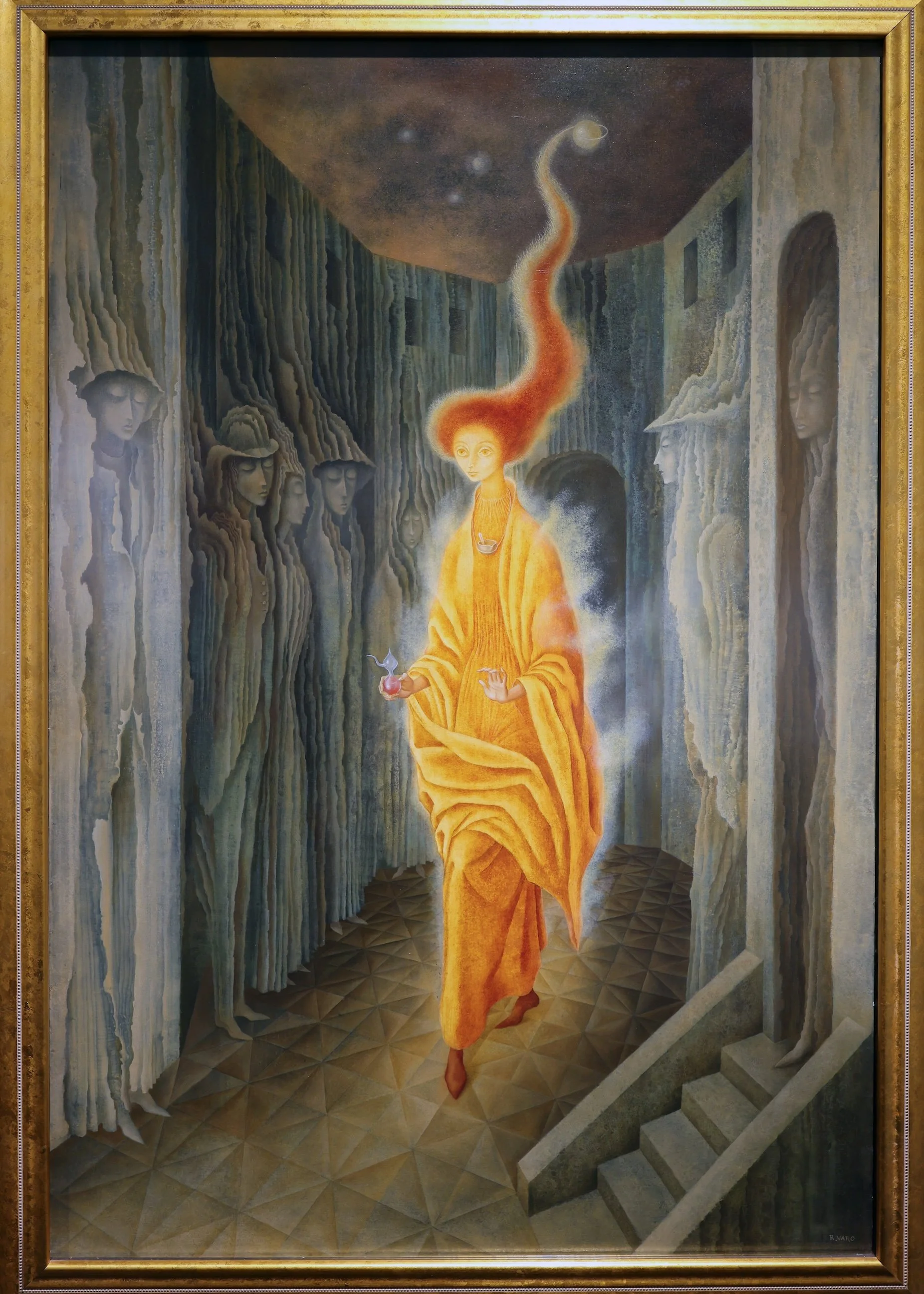
Remedios Varo, The Call (La Llamada)
Remedios Varo was deeply interested in the occult, mysticism, magic, astrology, witchcraft, and more, and she explored these ideas alongside close friends like Leonora Carrington while they lived in Mexico City.
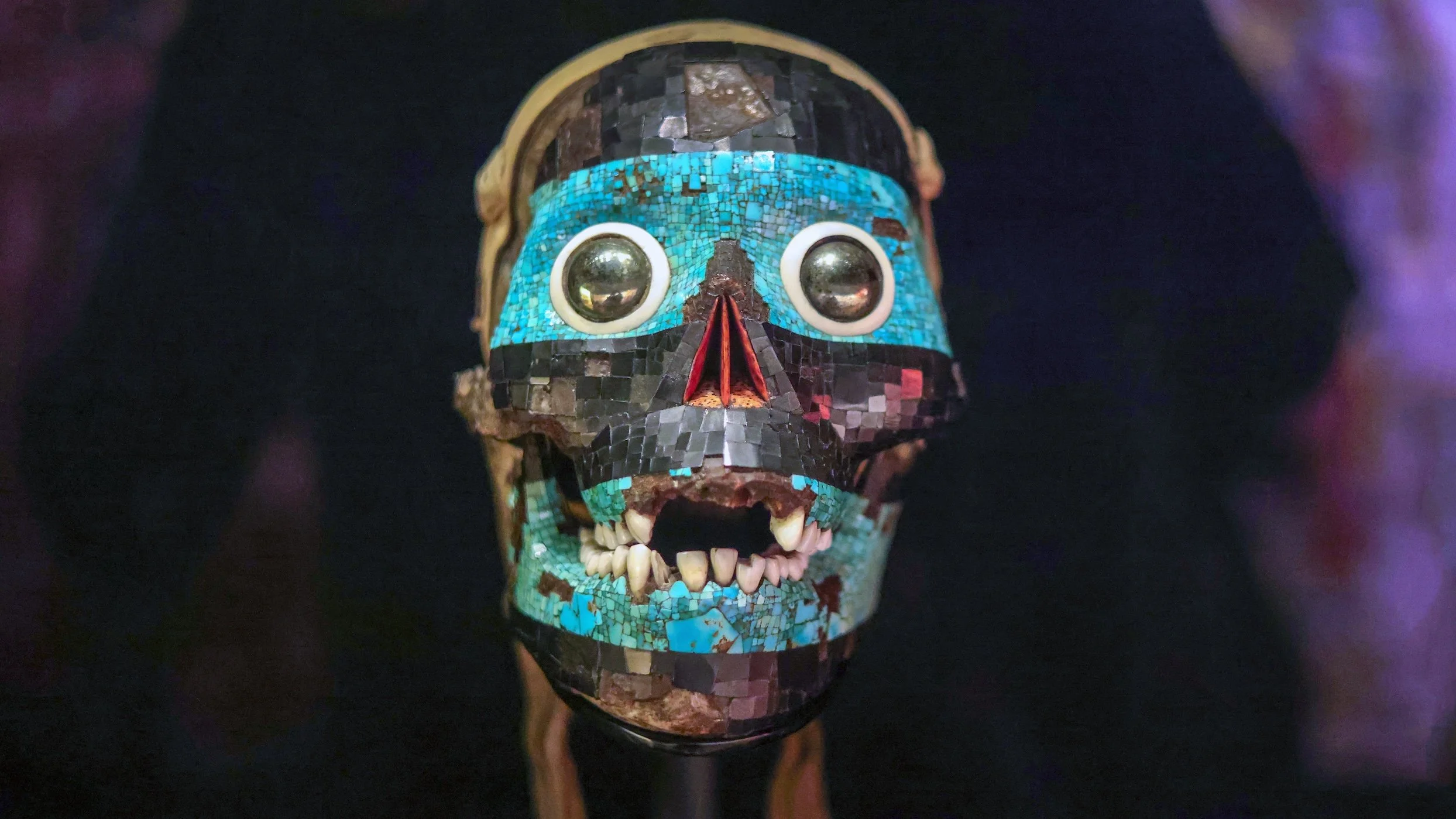
Tezcatlipoca: Identifying Aztec Deities
Learn how to identify the Aztec (Mexica) god Tezcatlipoca ("Smoking Mirror") in art.
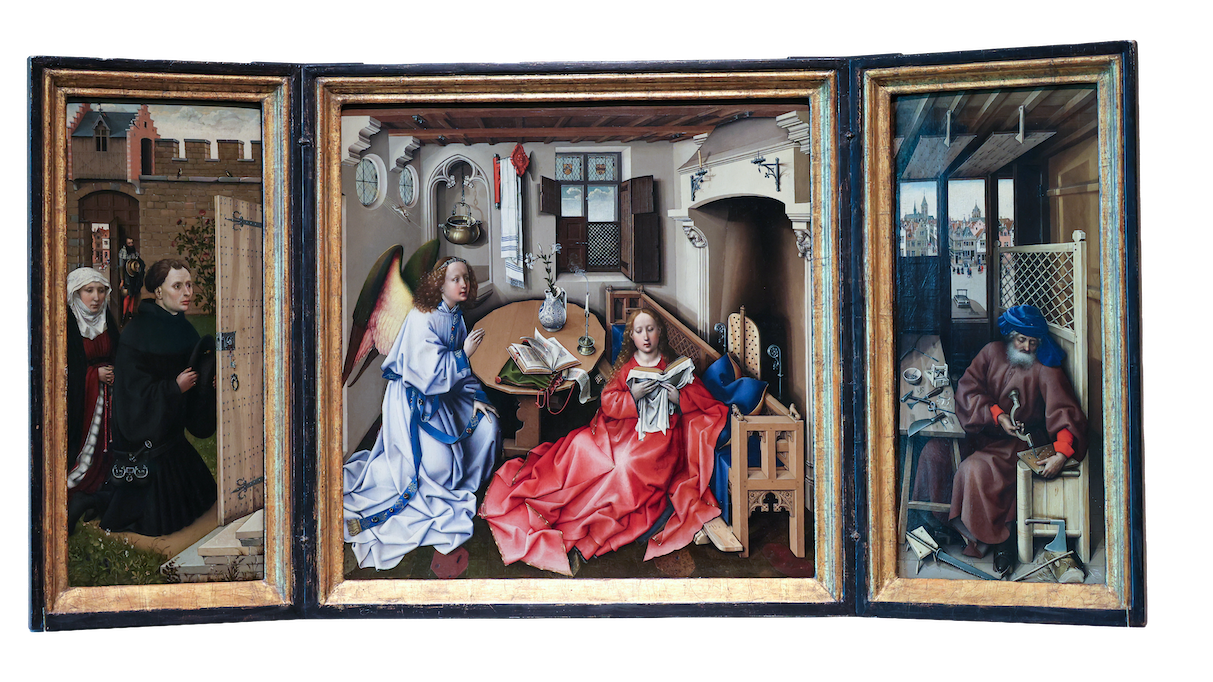
The Merode Altarpiece (Annunciation Triptych), Workshop of Robert Campin
Created in the workshop of Robert Campin around 1430, the Mérode Altarpiece is an outstanding example of Northern Renaissance painting.
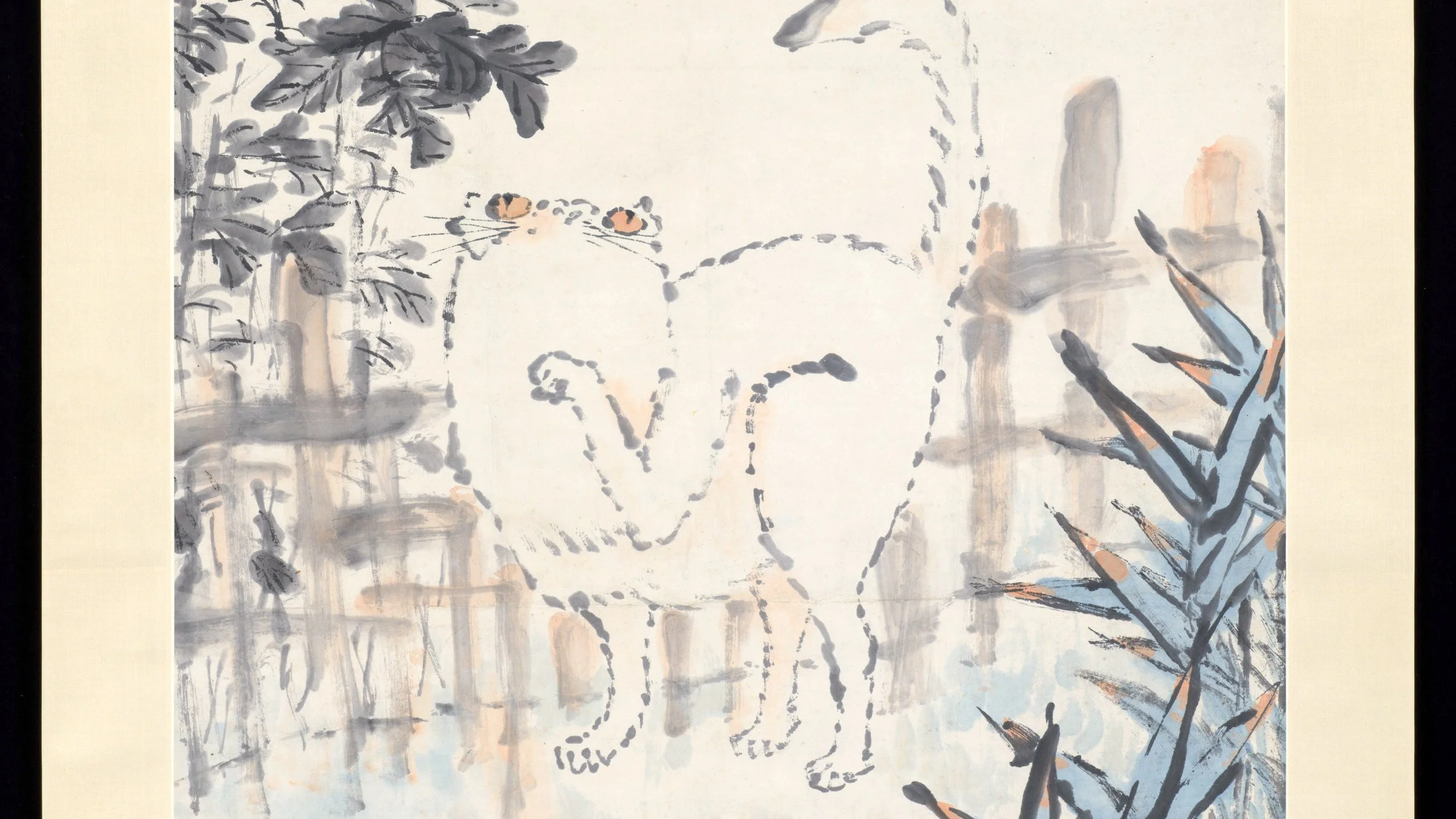
Xu Gu’s “Cat and Butterfly” and the xieyi style
This video explores a 19th-century Chinese ink painting titled Cat and Butterfly by Xu Gu.
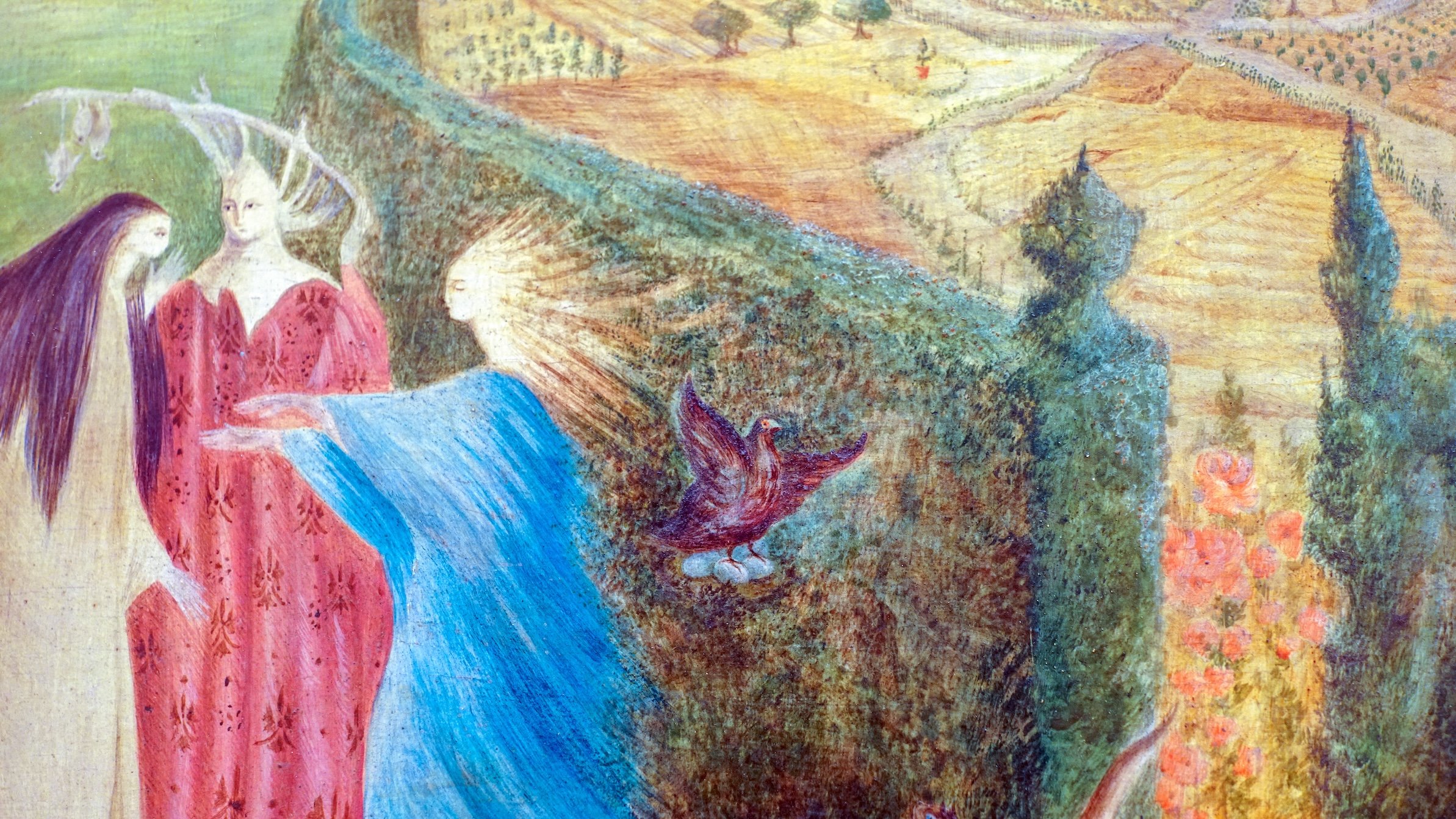
Leonora Carrington, Kitchen Garden on the Eyot and Surrealism in Mexico
Modern surrealist artist Leonora Carrington often turned to alchemy, magic, mythical creatures, the occult, folklore, fairy tales, and more.
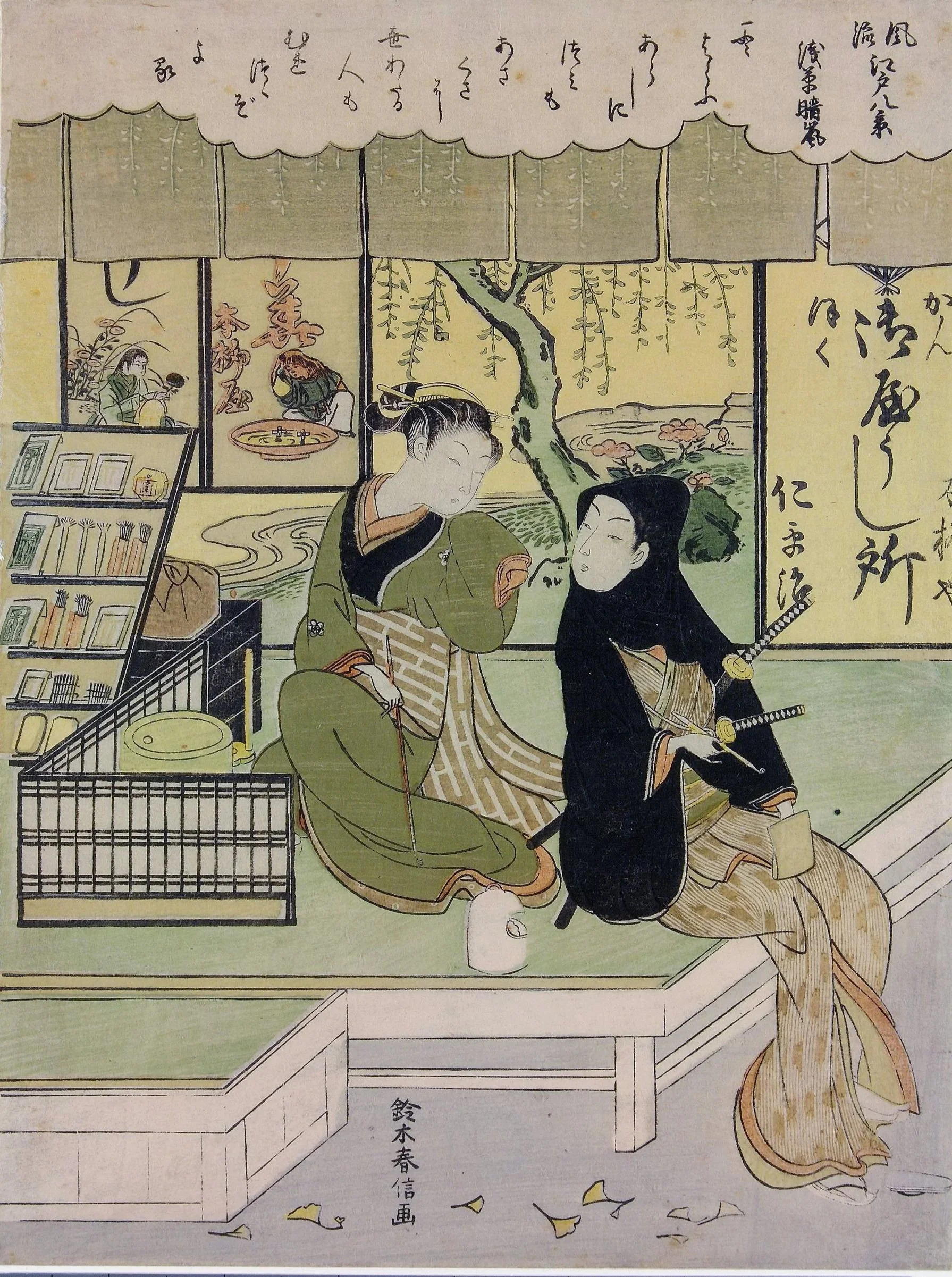
Pictures of Beautiful Women (Bijinga) by Suzuki Harunobu in Edo Japan
Explore an 18th-century Japanese woodblock print by Suzuki Harunobu featuring a contemporary beauty in the city of Edo (Tokyo), flirting with a young samurai.

The Floating World: Japanese Prints of the Edo Period—A Free Mini-Course
We are delighted to be launching courses on ARTSQ! Our first one is The Floating World: Japanese Prints of the Edo Period, a free mini-course.
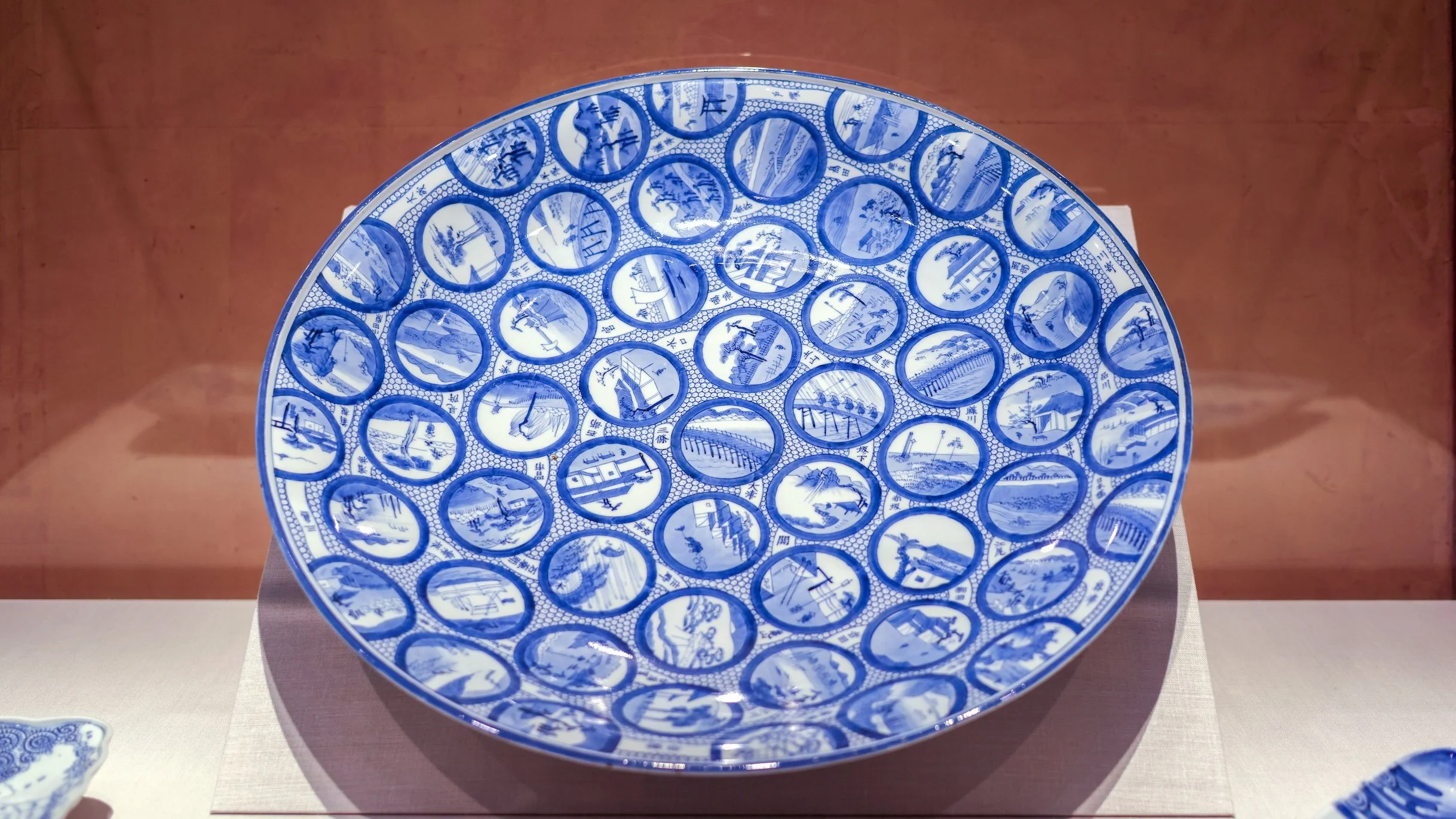
Porcelain Dish with Design of the Fifty-Three Stations of the Tokaido
Explore a 19th-century blue-and-white porcelain dish that connects to Japanese Edo-period game boards and woodblock prints by the famed printmaker Ando Hiroshige.

The Wild Beasts of Modern Art: The Fauvists
In 1905, Henri Matisse painted his wife in shocking hues of green, blue, pink, and orange, and changed art history forever.
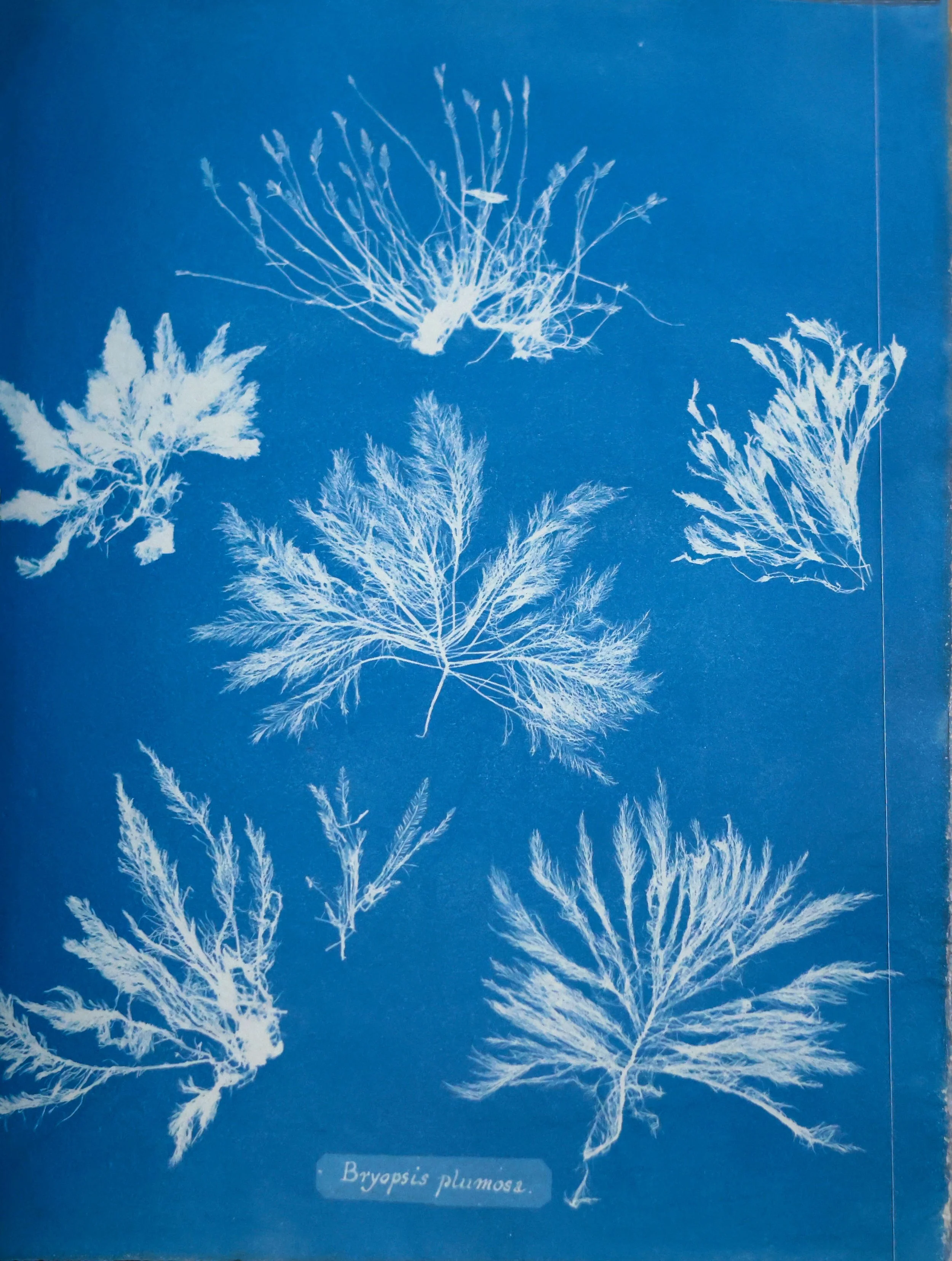
Anna Atkins and Cyanotypes
Some of the earliest forms of photography didn't need a camera.
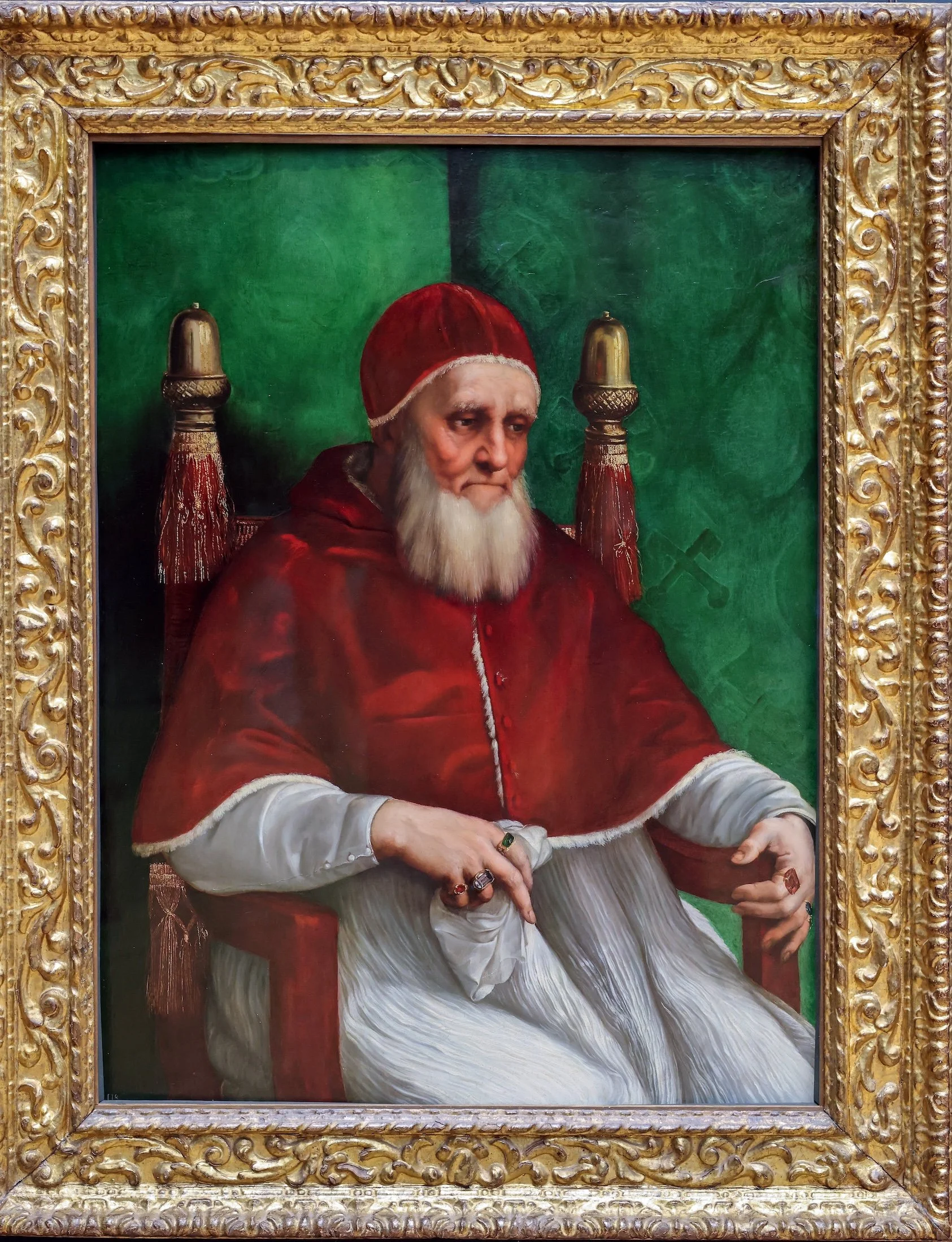
Raphael, Portrait of Julius II—The Warrior Pope
The Renaissance artist Raphael depicted the powerful and controversial Pope Julius II in a portrait painted around 1511.
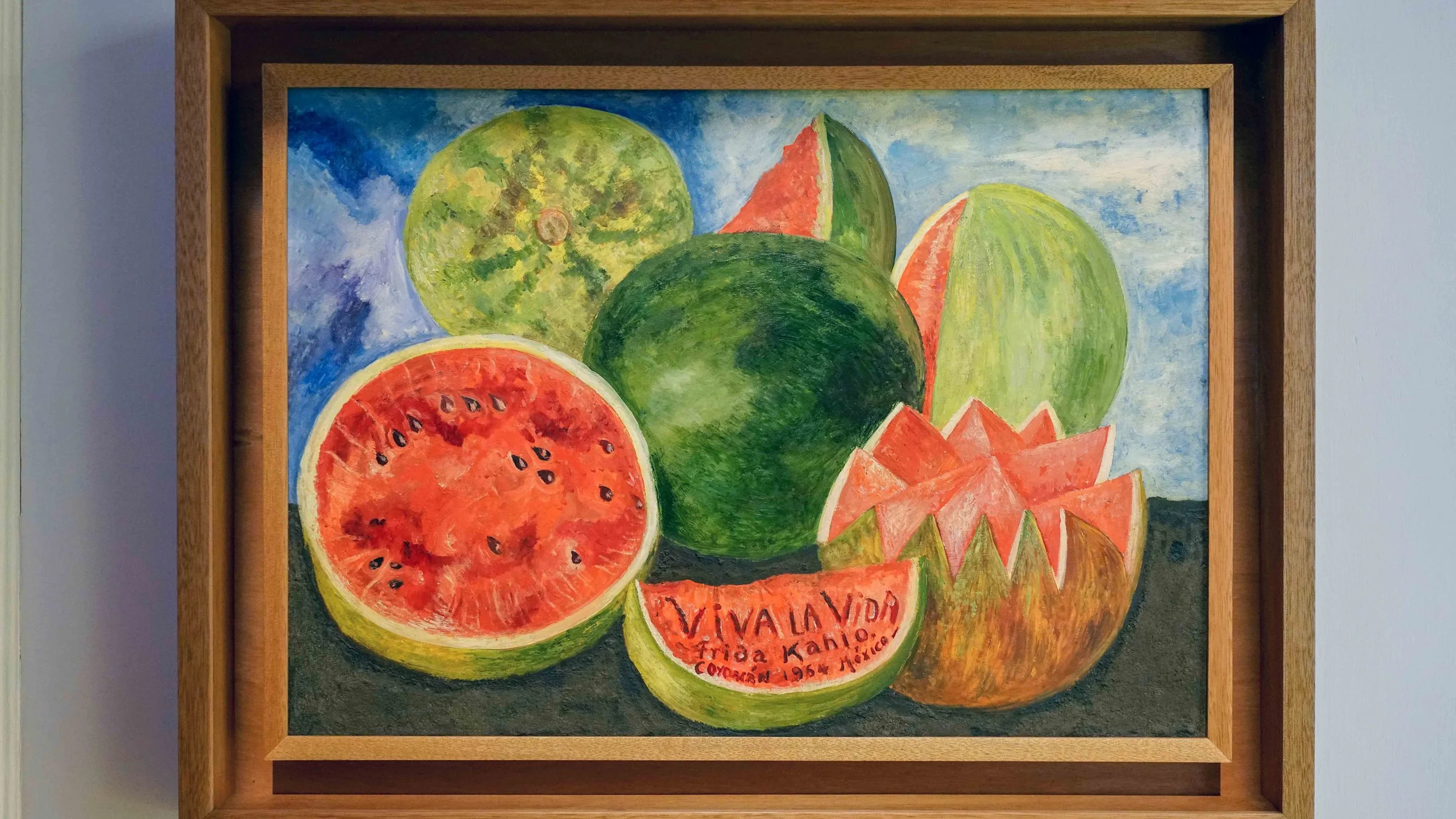
Frida Kahlo's Viva la Vida (Long Live Life)—Her Final Painting
Frida Kahlo’s final painting, Viva la Vida, is a powerful symbol of life’s celebration.