
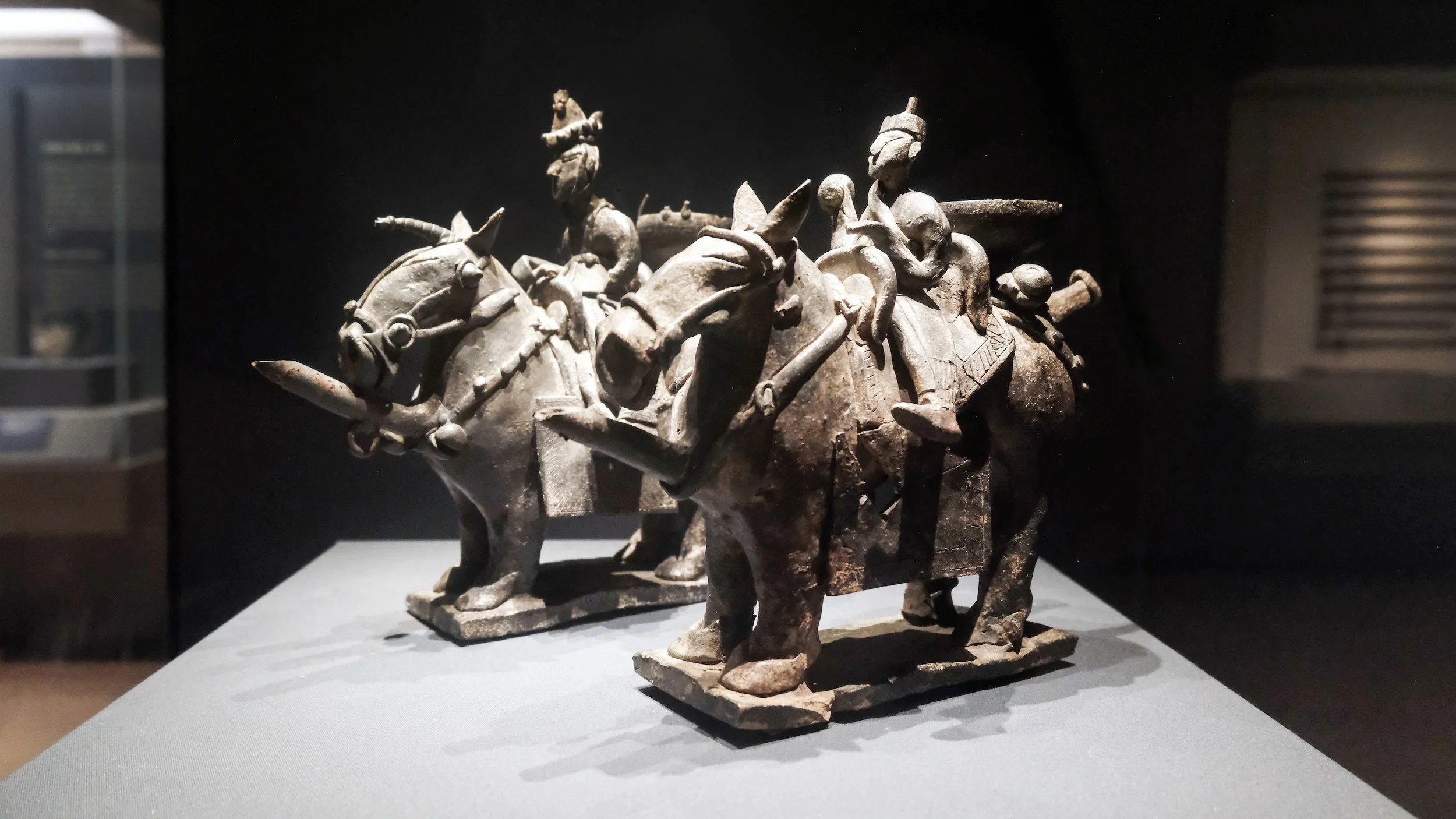
Silla horse-rider shaped vessels from the National Museum of Korea
Explore a pair of pouring vessels shaped like riders on squat horses, discovered in the 6th-century Geumnyeongchong, or “Gold Bell Tomb,” in Gyeongju, South Korea.
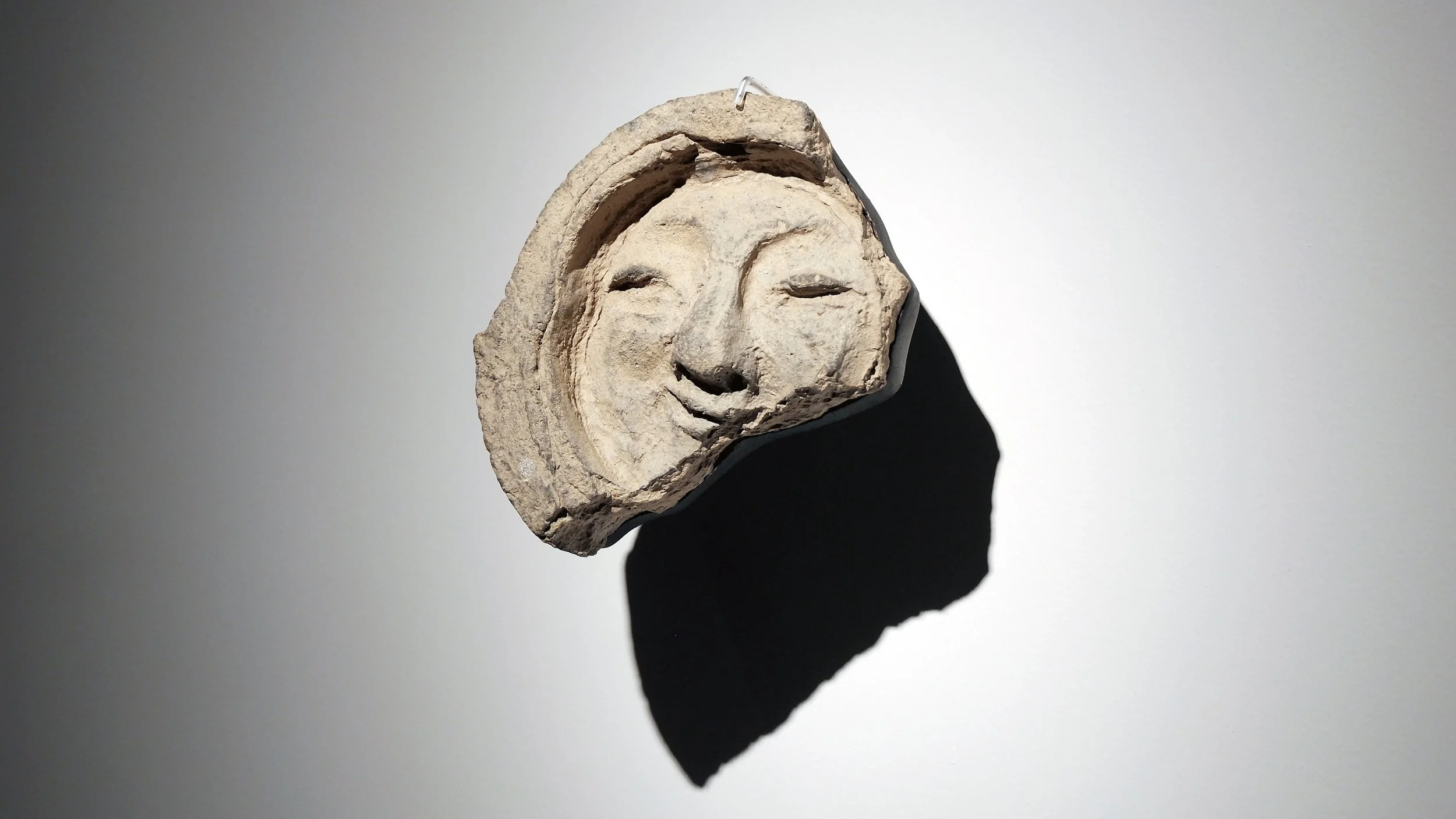
Smile of Silla
This video explores the iconic “Smile of Silla,” a roof-end tile dating to the 7th century and designated a National Treasure in South Korea.
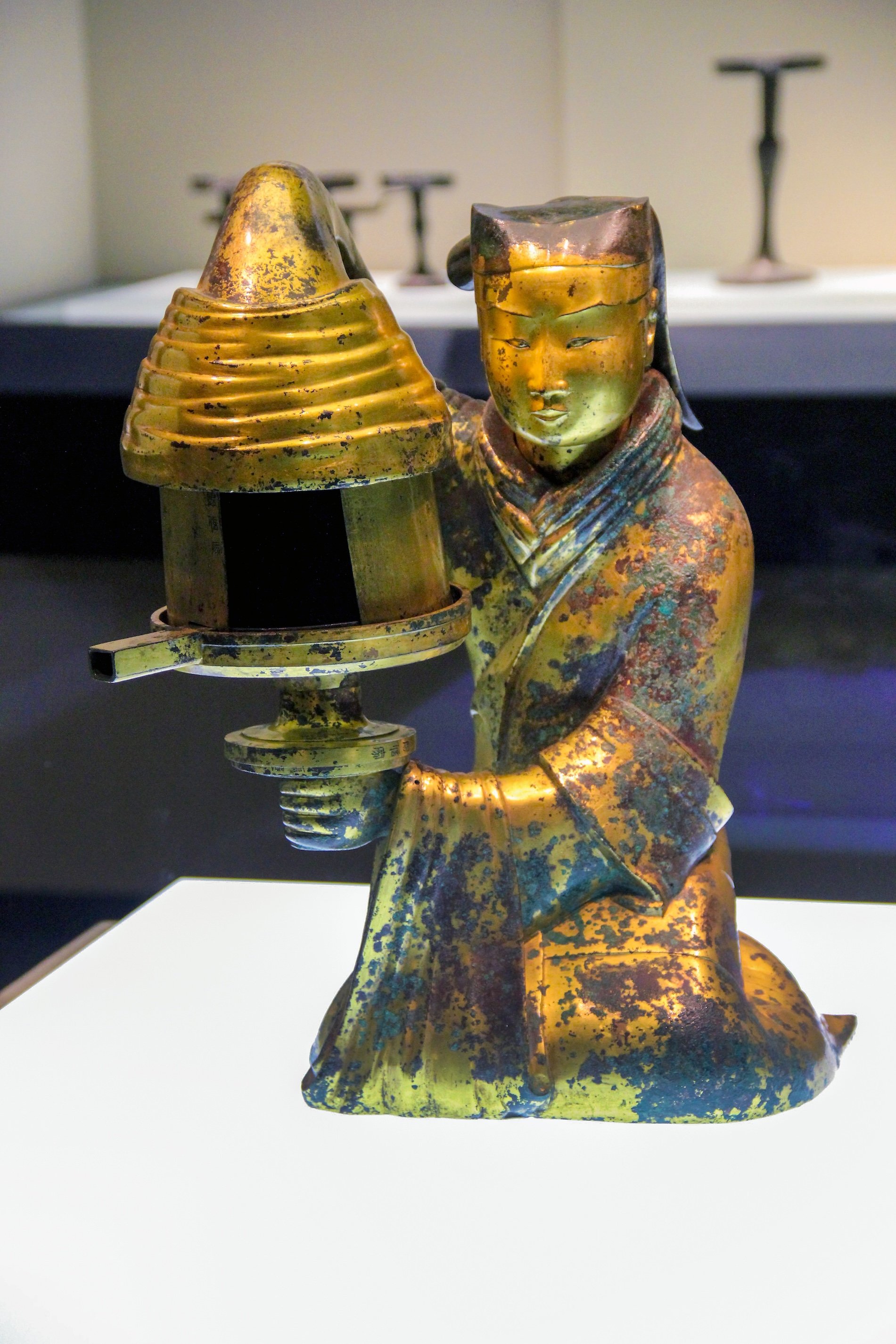
The Changxin Palace Lamp
Examine the Western Han Dynasty gilt bronze lamp (known as the Changxin Palace Lamp), an ancient artifact designed for both beauty and air purification.
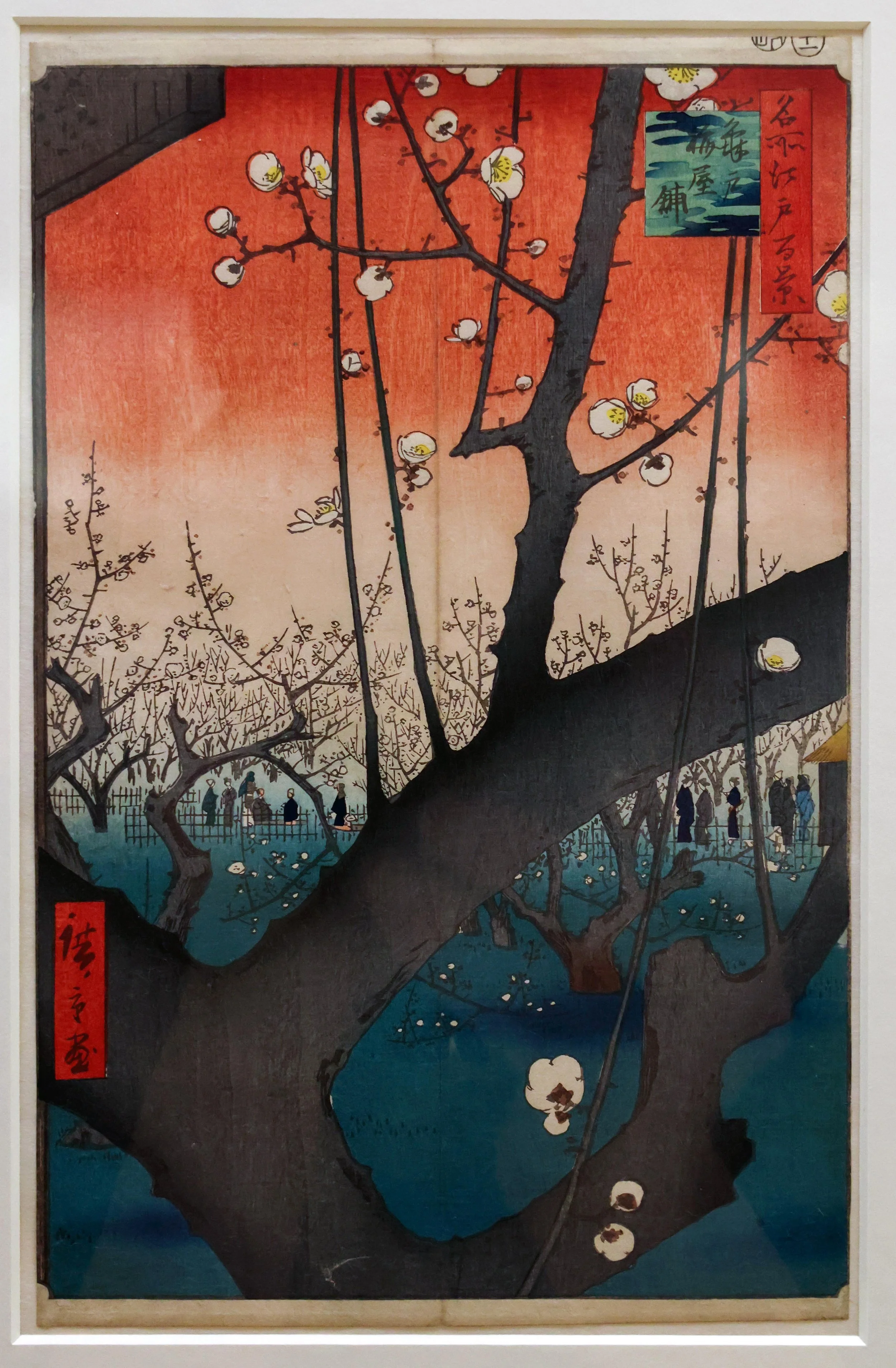
Pictures of Famous Places (meisho-e) and Ando Hiroshige's “One Hundred Famous Views of Edo”
The video explores meisho-e, or "pictures of famous places" genre in Edo Japan.
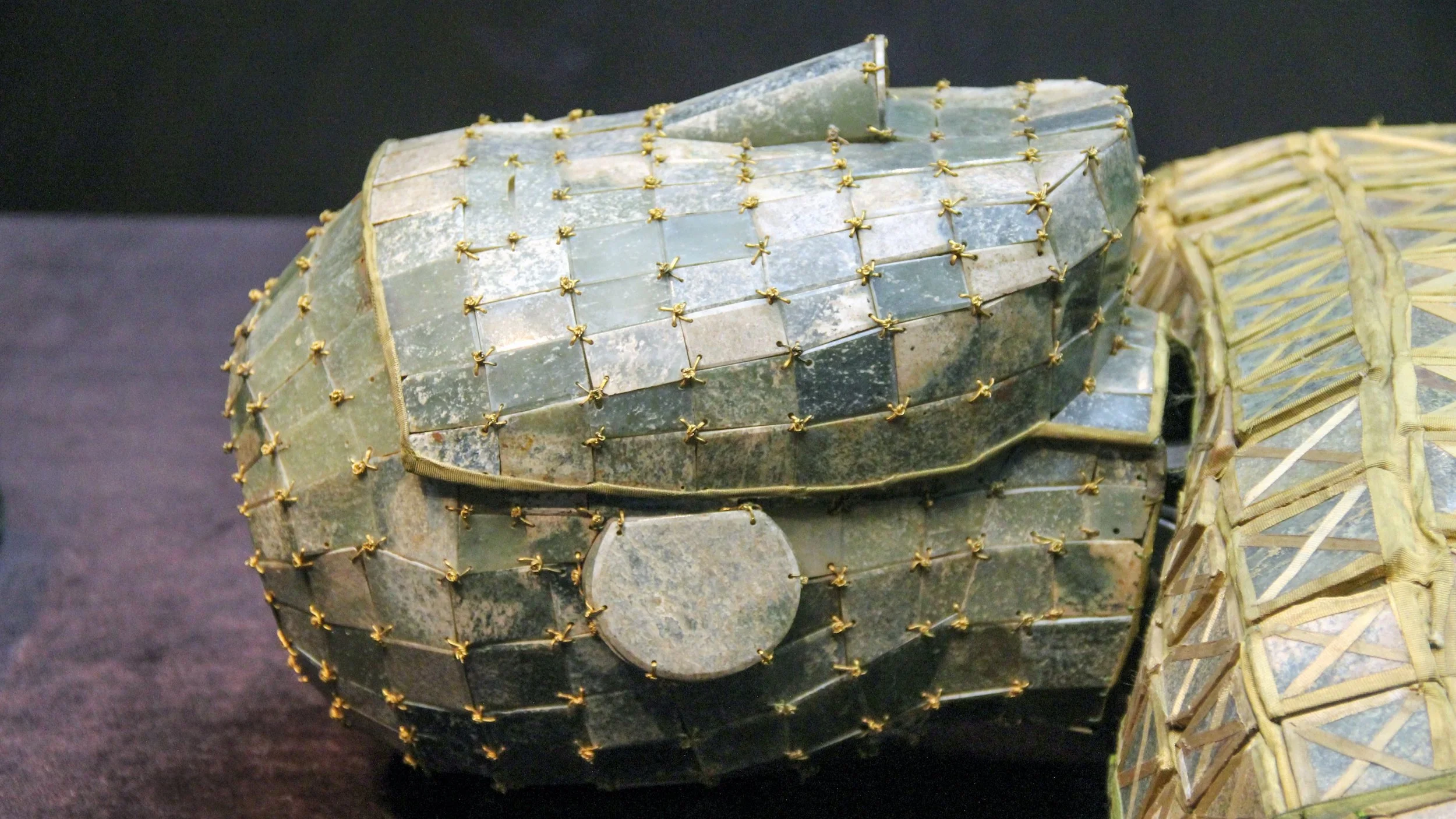
Jade Burial Suits of the Han Dynasty | Princess Dou Wan and Prince Liu Sheng
Explore the jade burial suits found in imperial Western Han dynasty tombs in ancient China.

Hand Scrolls vs. Hanging Scrolls in Chinese Art
What is the difference between a handscroll and a hanging scroll mounting in Chinese ink painting?

Vairocana Buddha at Fengxian Temple at Longmen Grottoes
Carved into the hard limestone cliffside in the 7th century CE, the Fengxian temple features a monumental 56-foot-high image of the Vairocana Buddha.
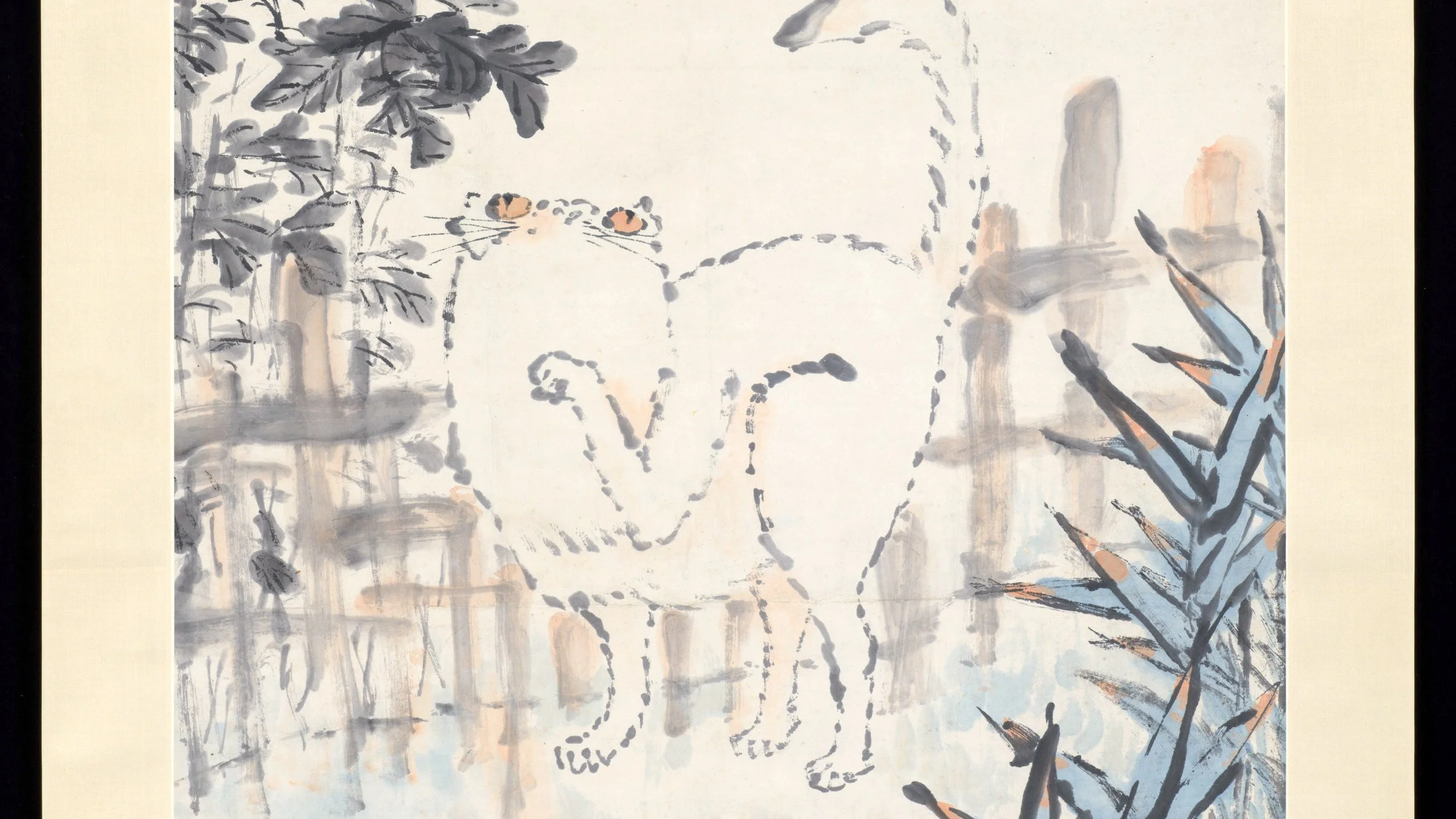
Xu Gu’s “Cat and Butterfly” and the xieyi style
This video explores a 19th-century Chinese ink painting titled Cat and Butterfly by Xu Gu.
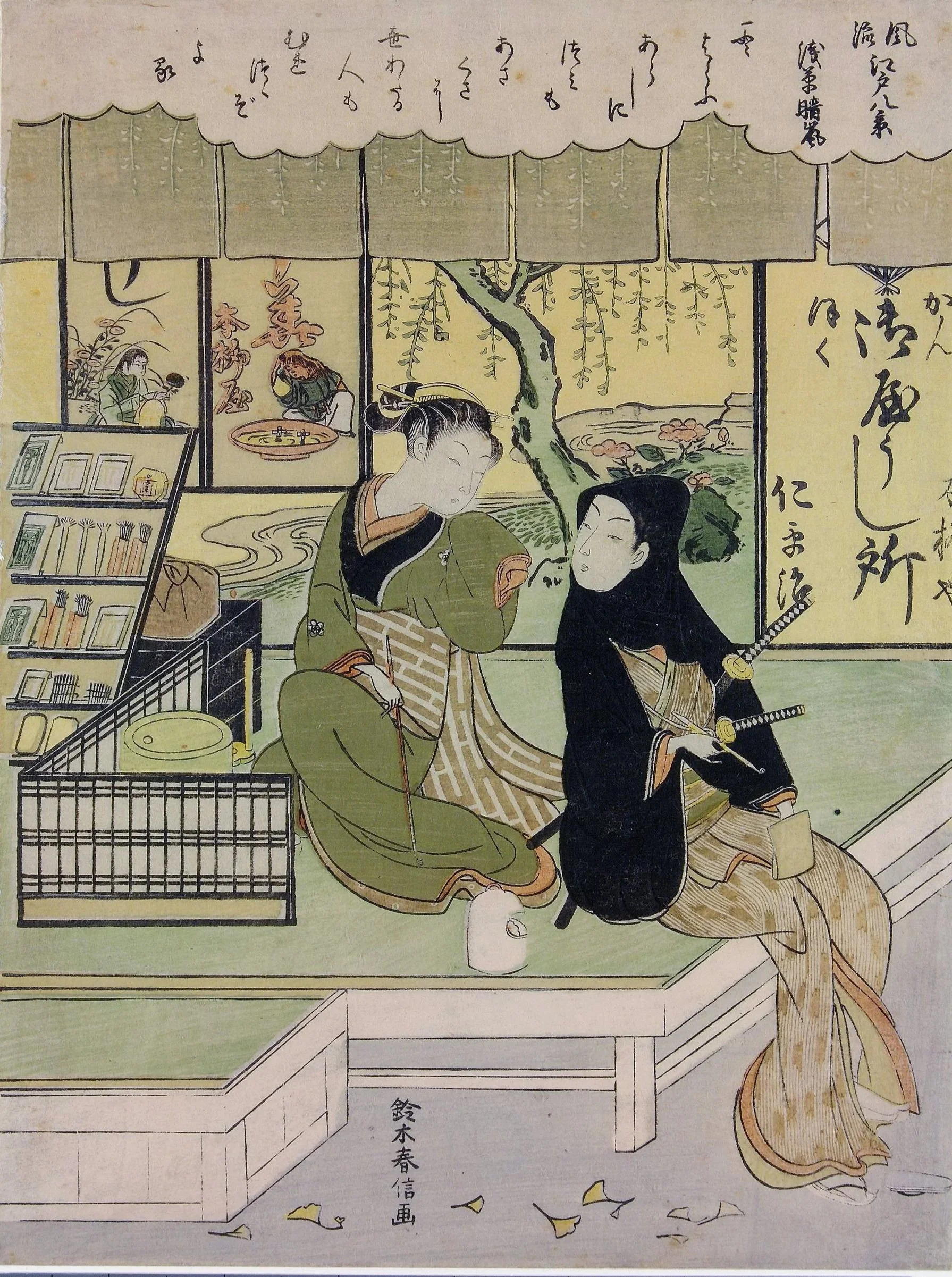
Pictures of Beautiful Women (Bijinga) by Suzuki Harunobu in Edo Japan
Explore an 18th-century Japanese woodblock print by Suzuki Harunobu featuring a contemporary beauty in the city of Edo (Tokyo), flirting with a young samurai.

The Floating World: Japanese Prints of the Edo Period—A Free Mini-Course
We are delighted to be launching courses on ARTSQ! Our first one is The Floating World: Japanese Prints of the Edo Period, a free mini-course.
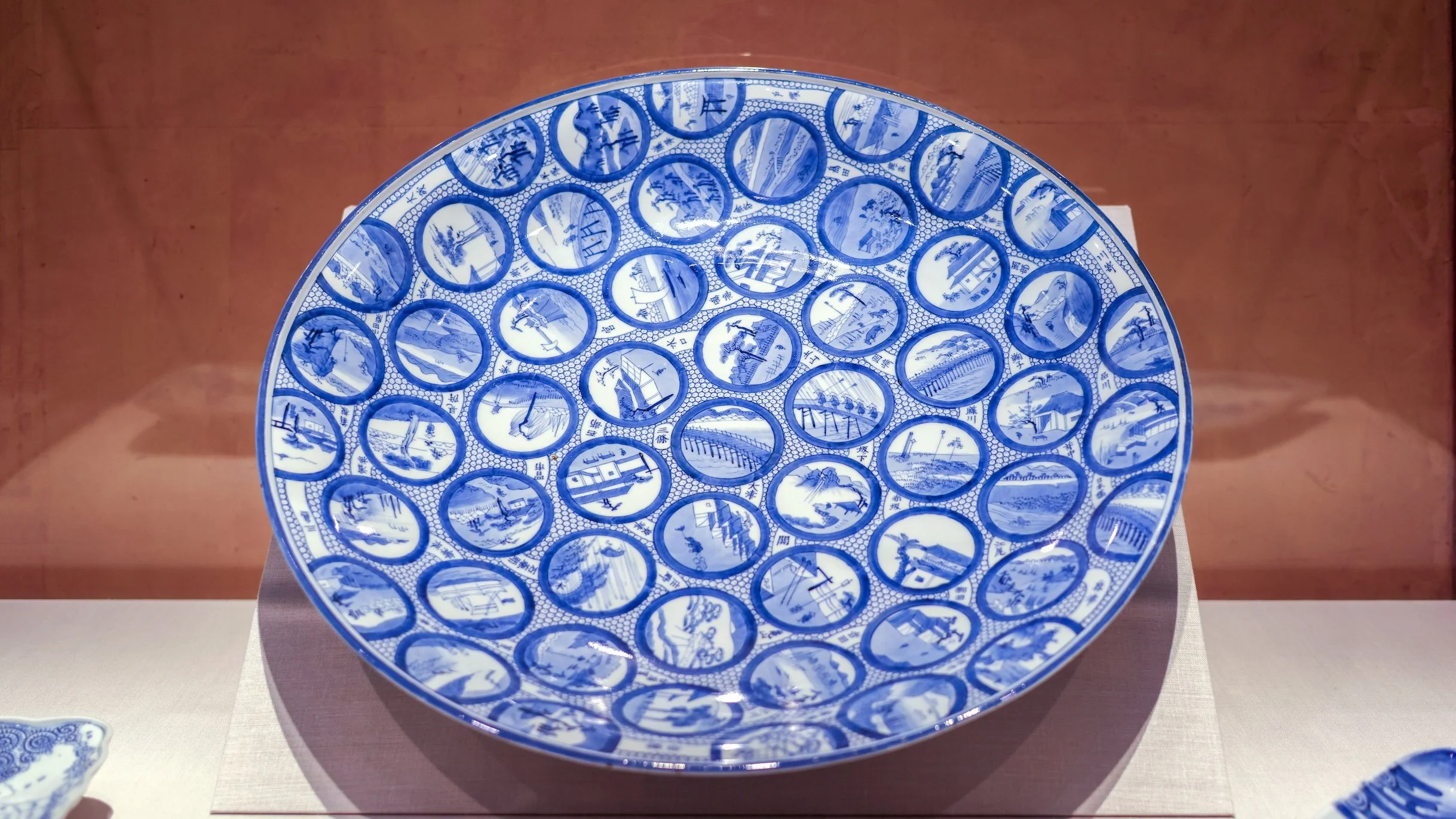
Porcelain Dish with Design of the Fifty-Three Stations of the Tokaido
Explore a 19th-century blue-and-white porcelain dish that connects to Japanese Edo-period game boards and woodblock prints by the famed printmaker Ando Hiroshige.
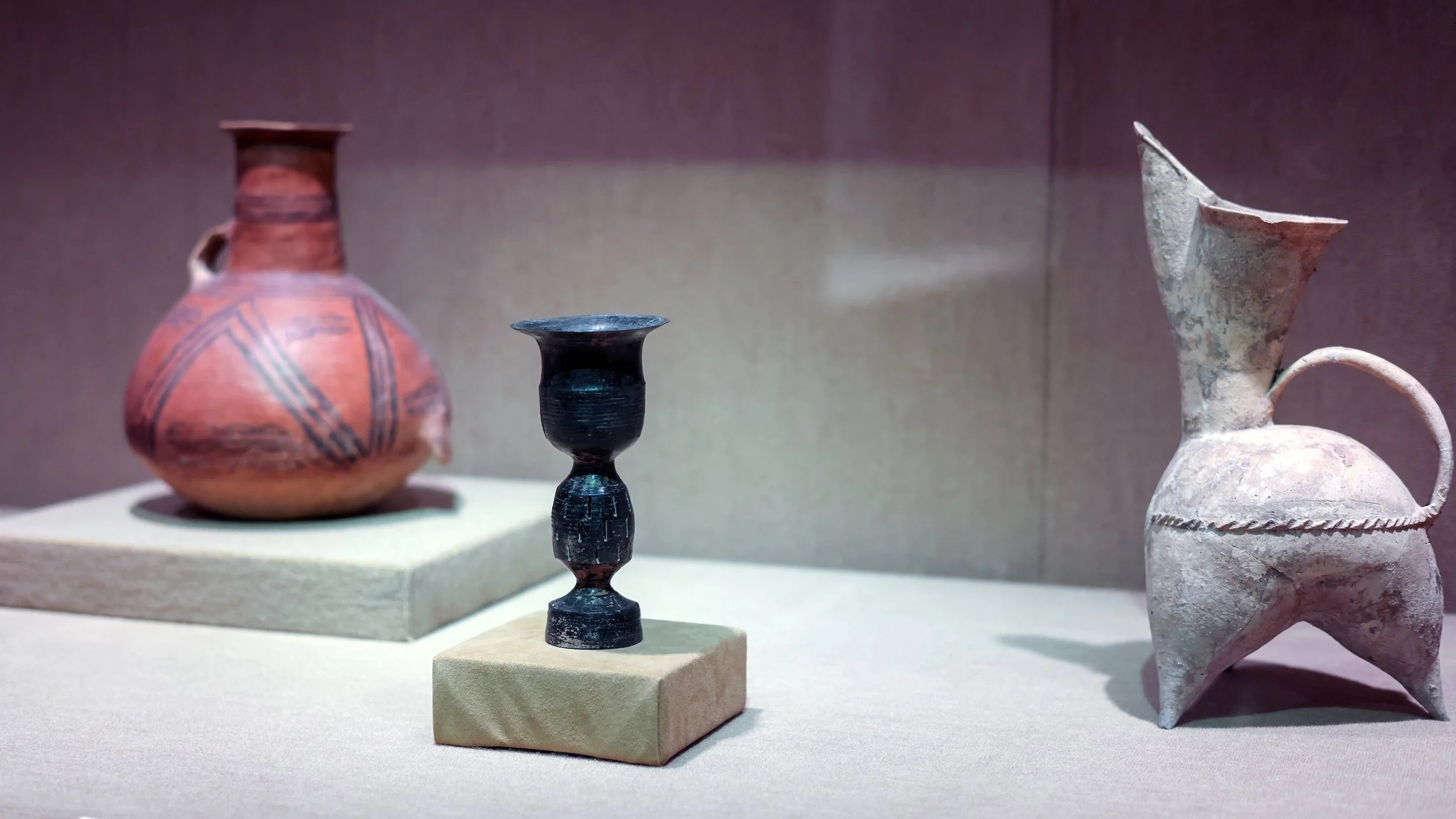
The Reduction Firing Process Behind Neolithic Blackware
The reduction firing process was one of the most innovative technological achievements in the history of ceramics.
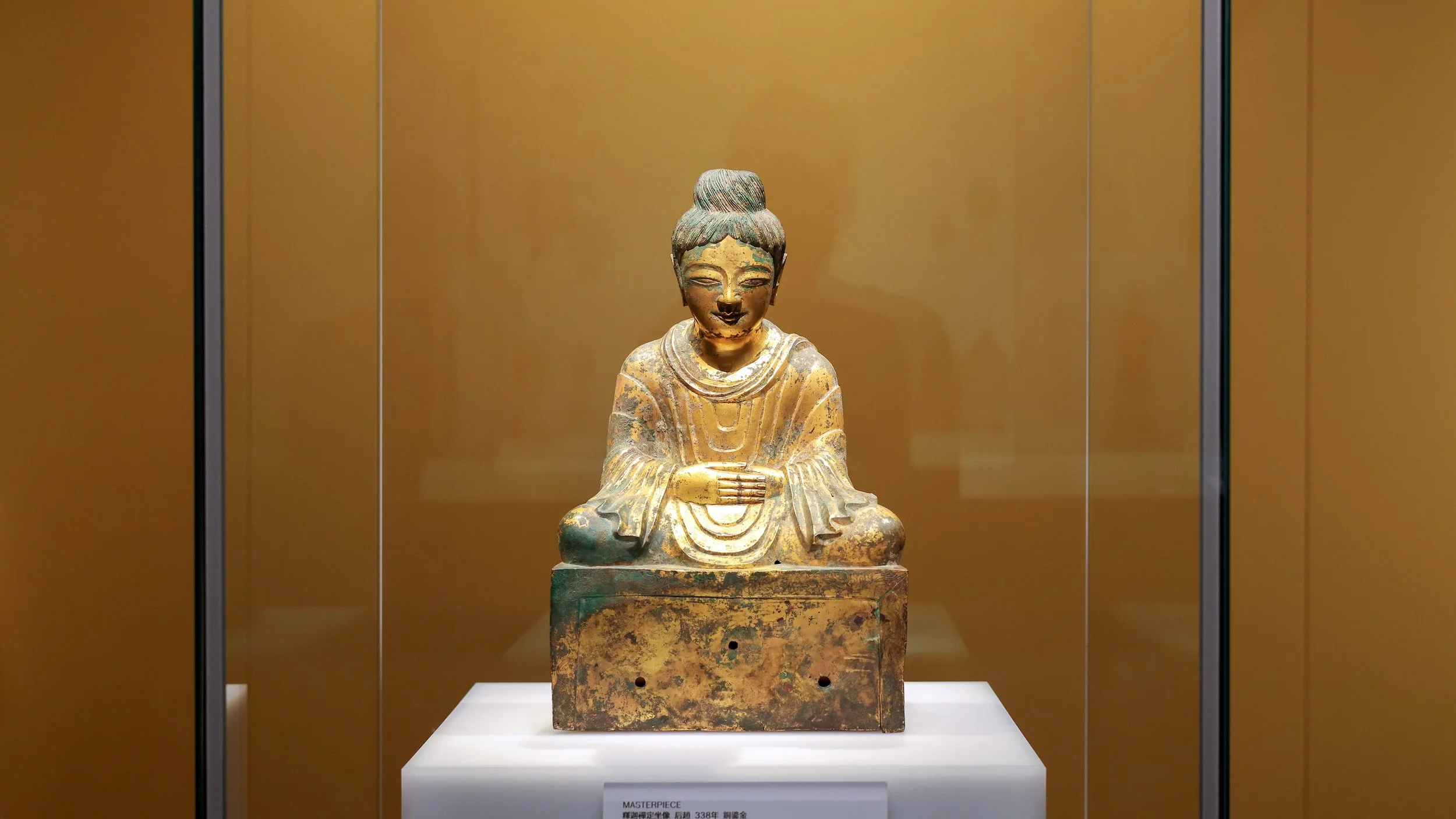
The Earliest Dated Buddha Statue from China
The earliest visual images of the Buddha were transmitted to China by travelers along the ancient Silk Roads.
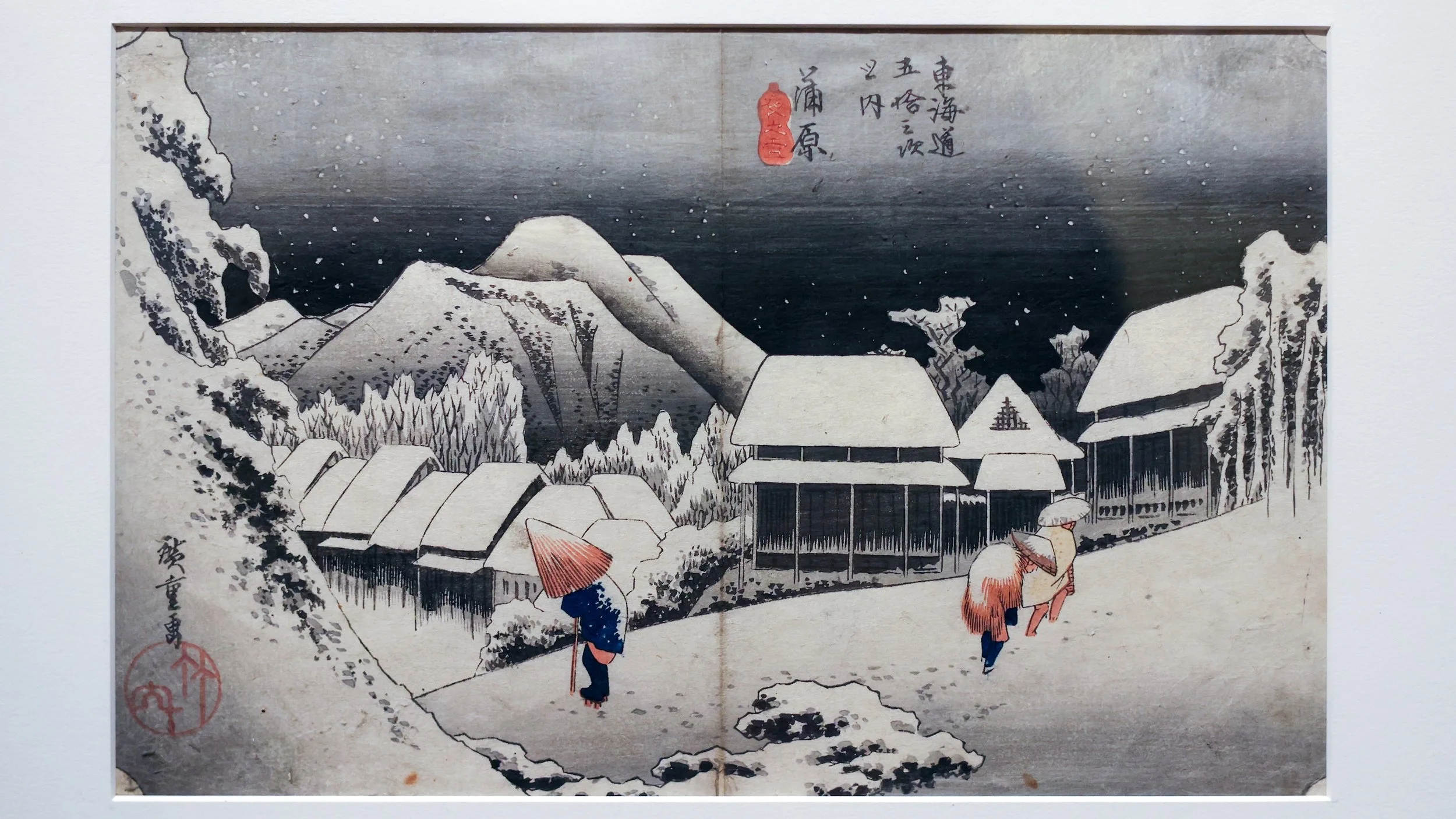
Utagawa Hiroshige, Kanbara, Night Snow from the series “Fifty-three Stations of the Tokaido”
This video explores a snowy scene from a famous Japanese woodblock print series titled Fifty-Three Stations of Tokaido, published between 1832 and 1834 by print designer Andō Hiroshige.
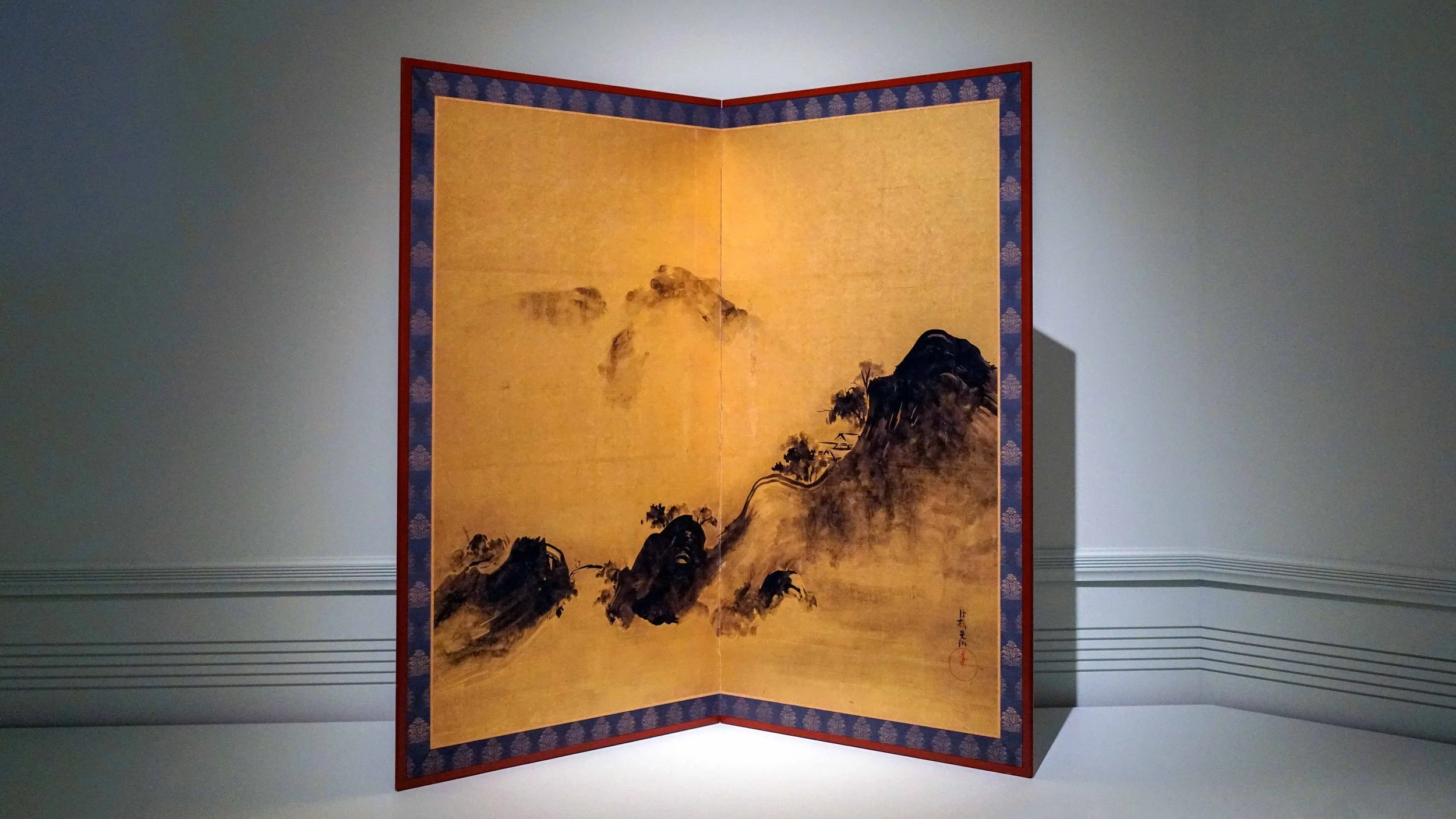
What is a byobu? | Ogata Korin’s Landscape
A gorgeous Japanese byōbu by the 18th-century artist Ogata Kōrin helps explain what a byōbu is.
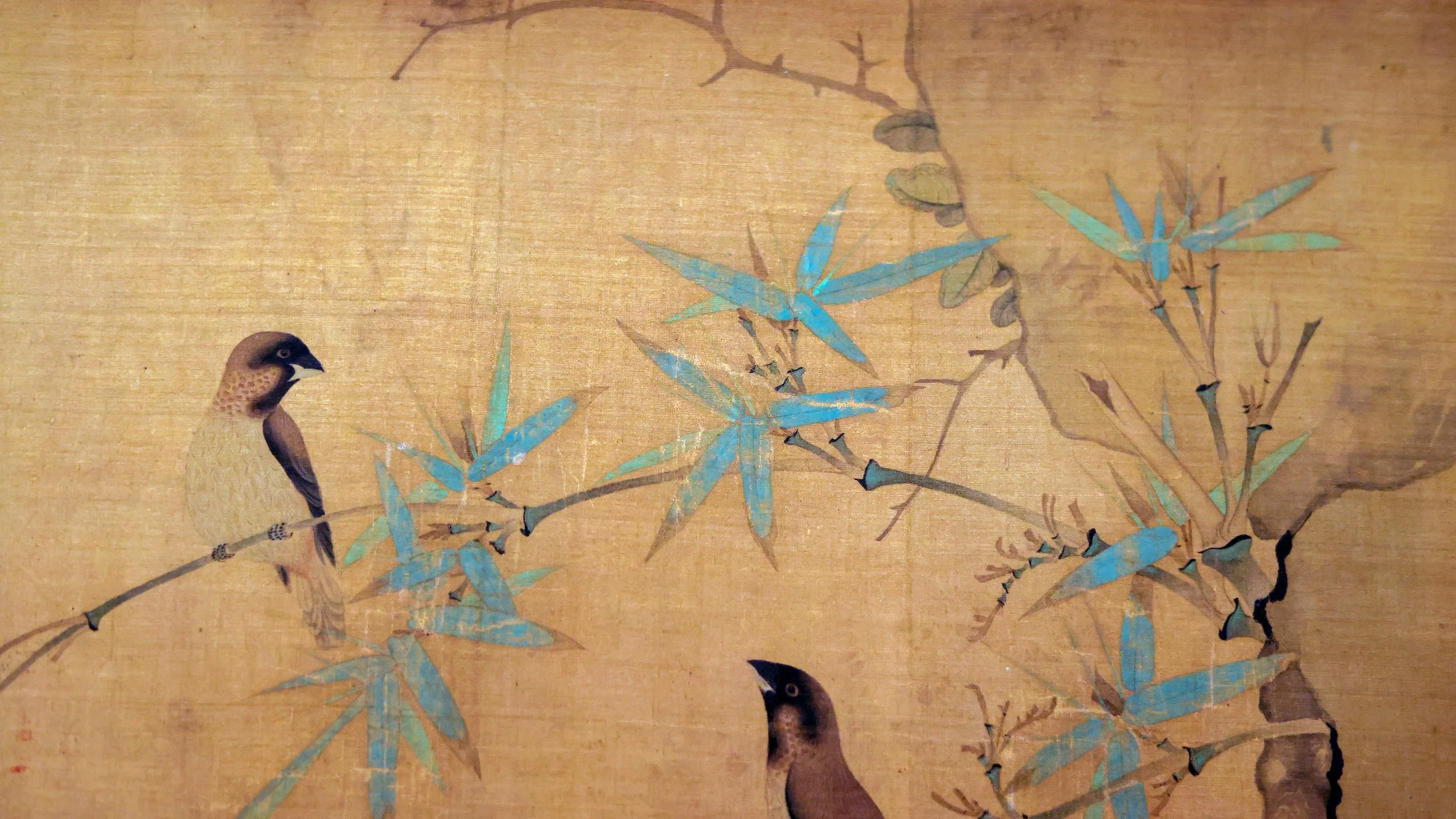
What is bird-and-flower painting in East Asia? | Emperor Huizong's Finches and Bamboo
Explore bird-and-flower genre paintings in the history of Chinese art through an analysis of an ink painting titled Finches and Bamboo by Song dynasty emperor Huizong.
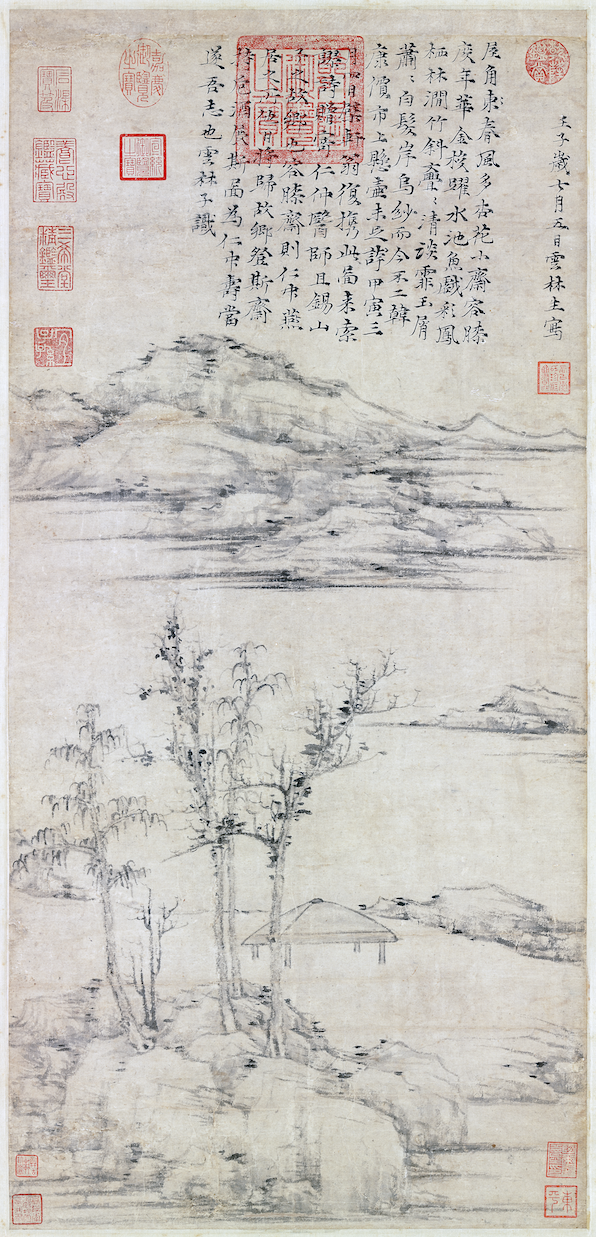
Traditional Chinese Ink Painting
Explore traditional Chinese ink painting with one of the most famous examples from the Yuan dynasty!
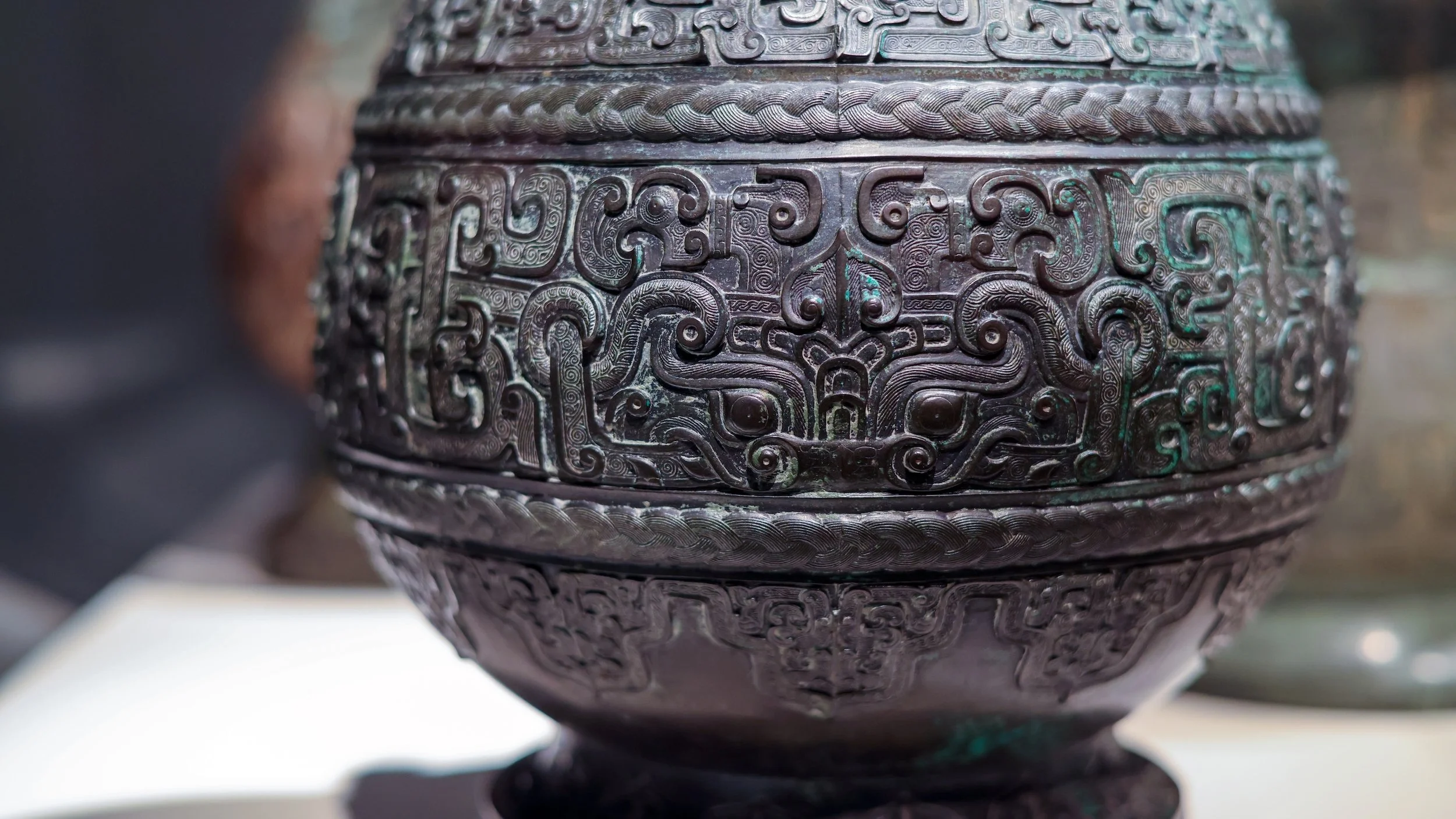
How to Do a Visual Analysis in Art History: An Ancient Chinese Bronze Vessel
This video explains how to do a visual analysis (formal analysis) of a 5th-century BCE Chinese bronze vessel.
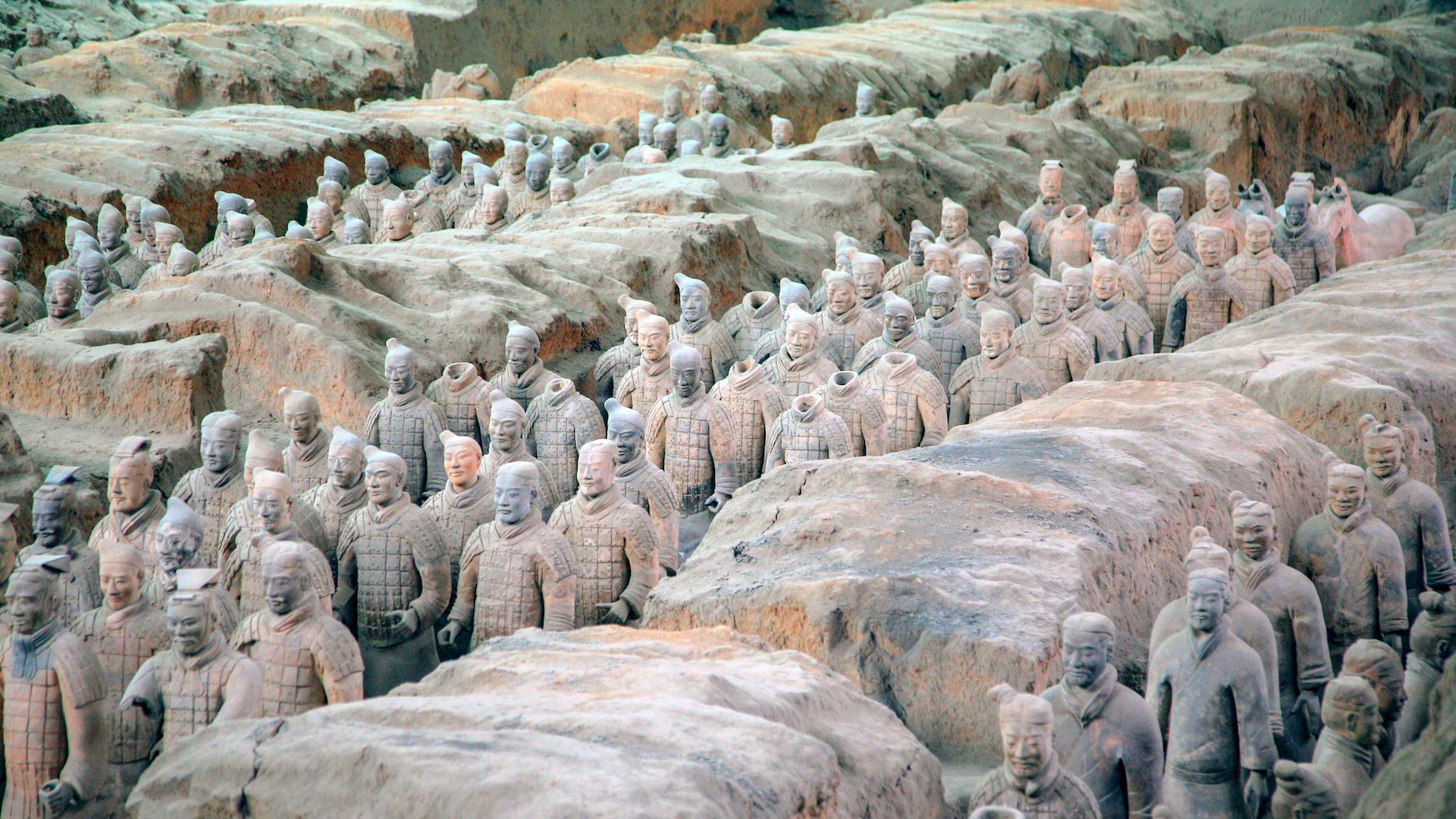
The Terracotta Warriors and the Tomb of the First Emperor of China
The terracotta army in the tomb of the First Emperor of China, Qin Shi Huangdi, is one of the most fascinating discoveries in archaeology.

Fan Kuan, Travelers Amid Mountains and Streams
Explore a monumental ink painting on silk titled Travelers Amid Mountains and Streams by Northern Song dynasty artist Fan Kuan.