
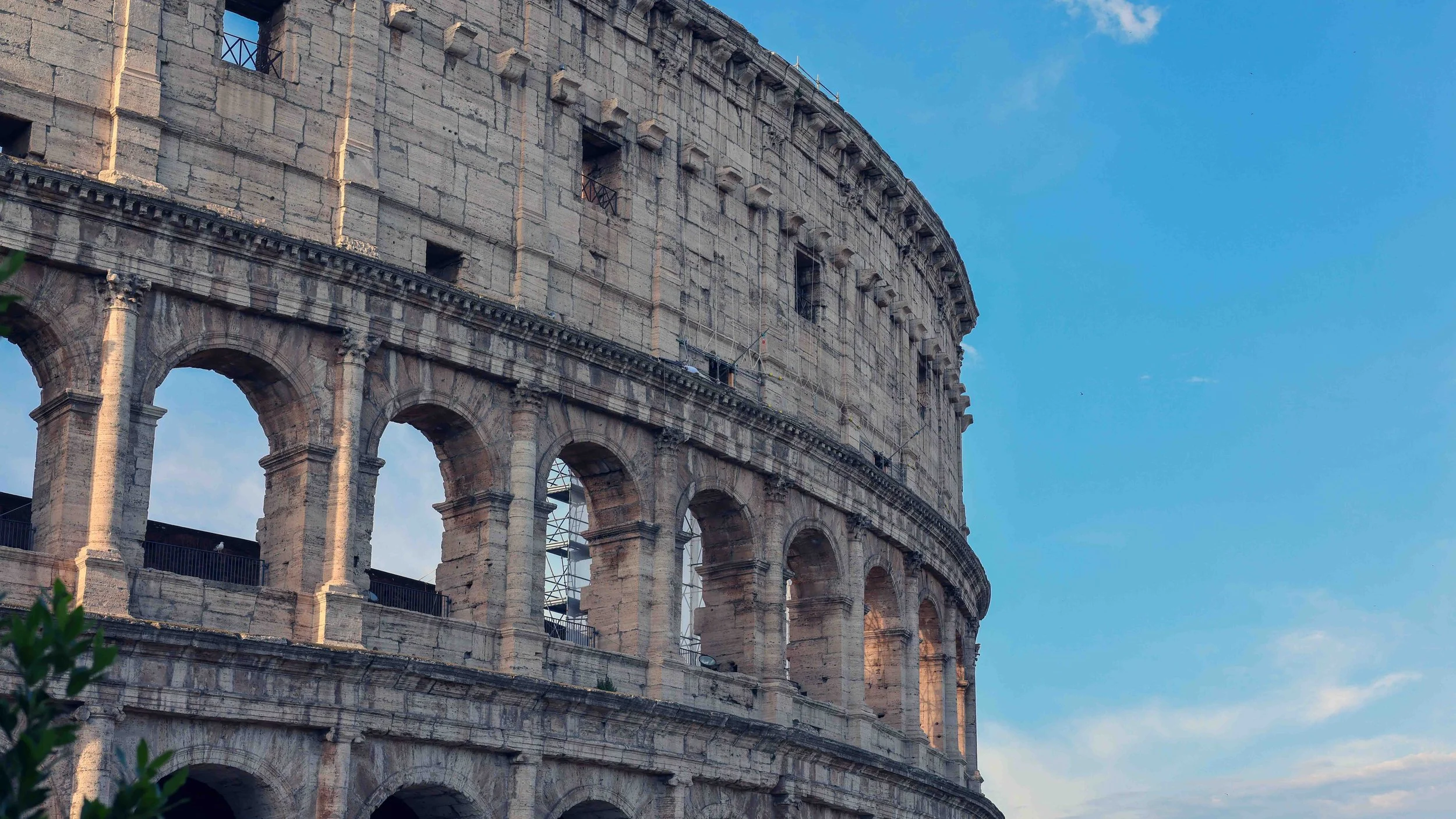
The Colosseum in Rome
The Flavian Amphitheater, more commonly known as the Colosseum, is one of the most imposing surviving structures of the ancient Roman world.
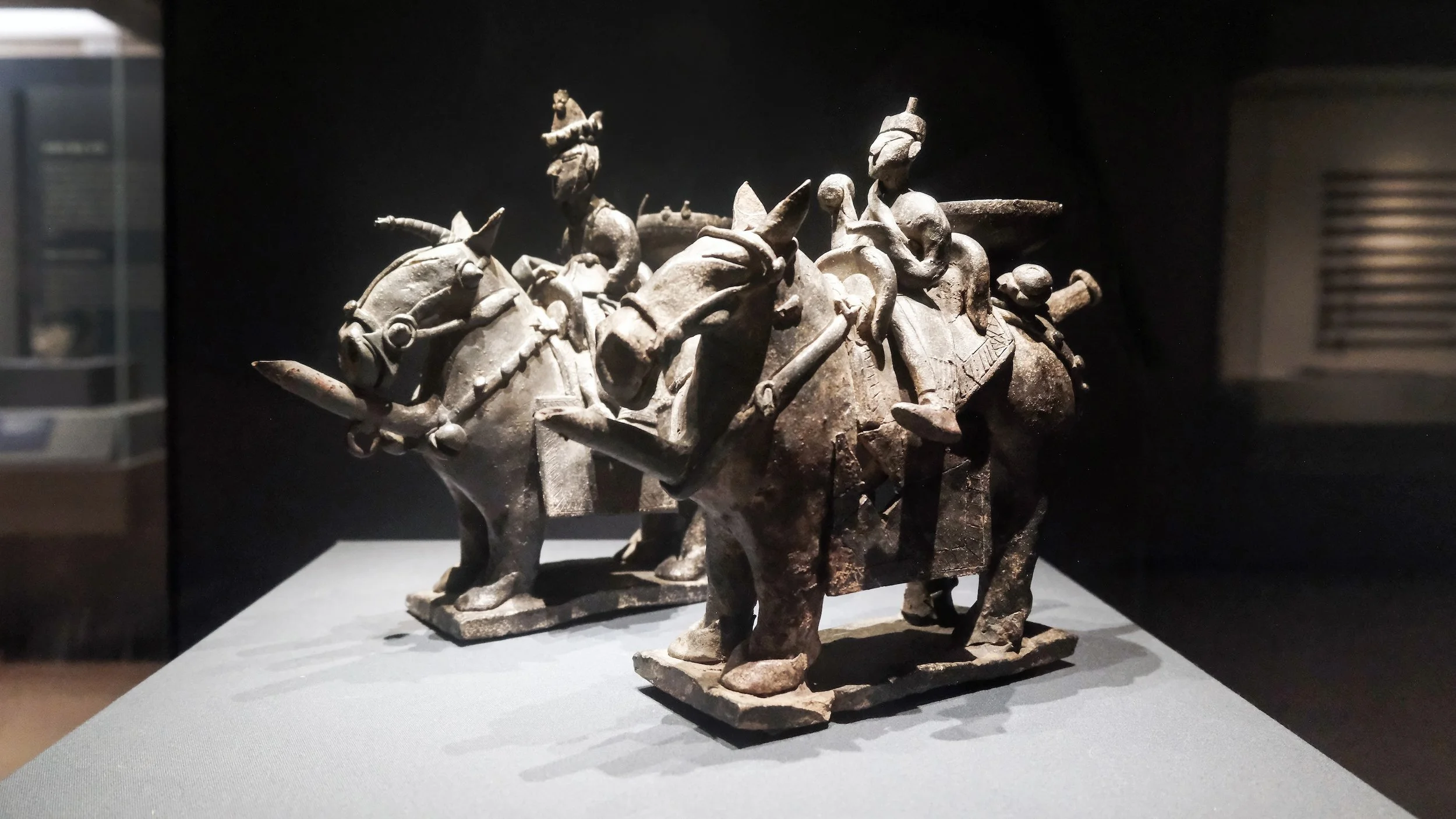
Silla horse-rider shaped vessels from the National Museum of Korea
Explore a pair of pouring vessels shaped like riders on squat horses, discovered in the 6th-century Geumnyeongchong, or “Gold Bell Tomb,” in Gyeongju, South Korea.
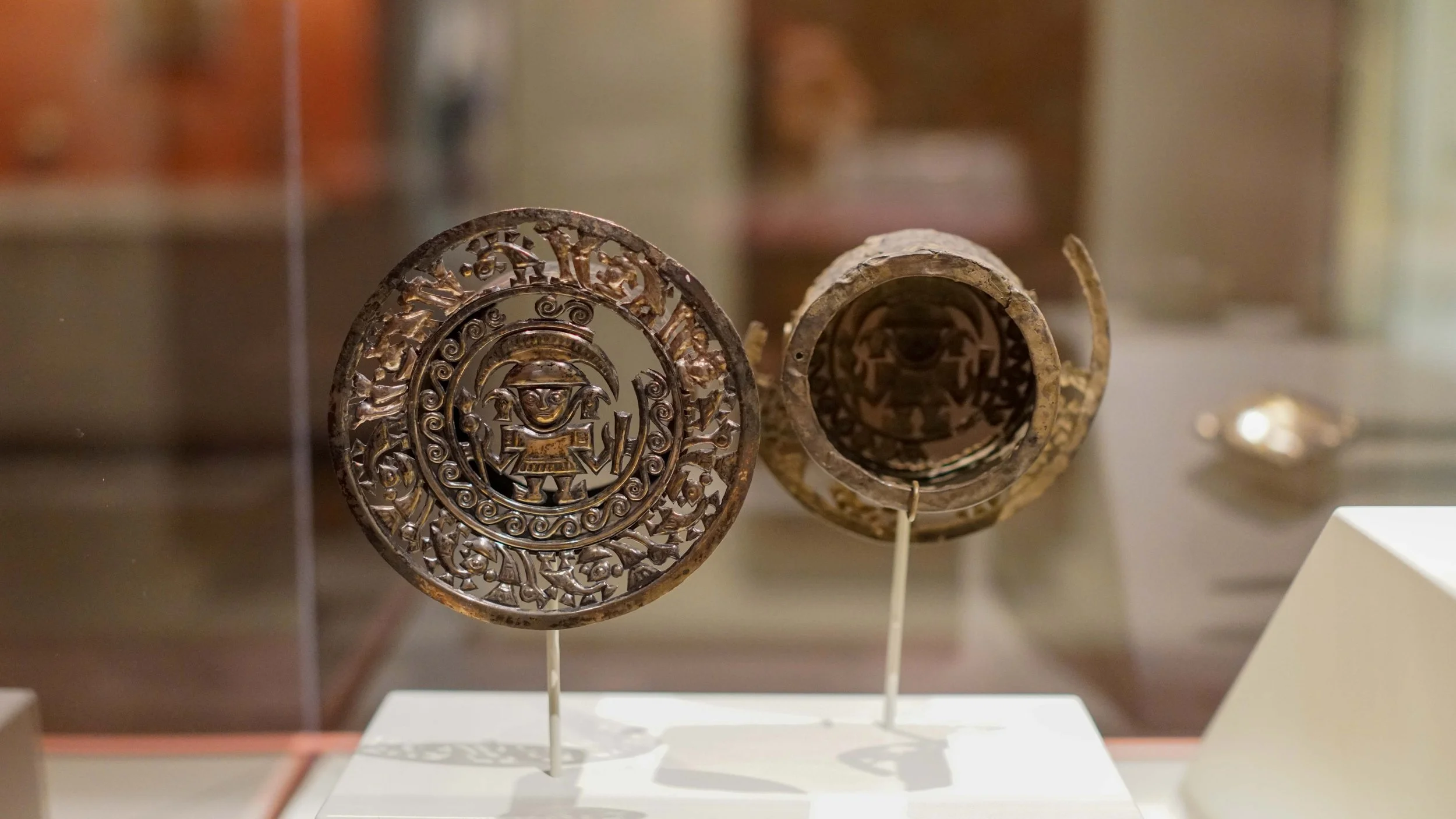
Ear Ornaments in the Pre-Columbian Americas
Among the many cultures of the ancient Americas, ear ornaments took many forms, including earspools, ear plugs, ear plaques, and ear flares.
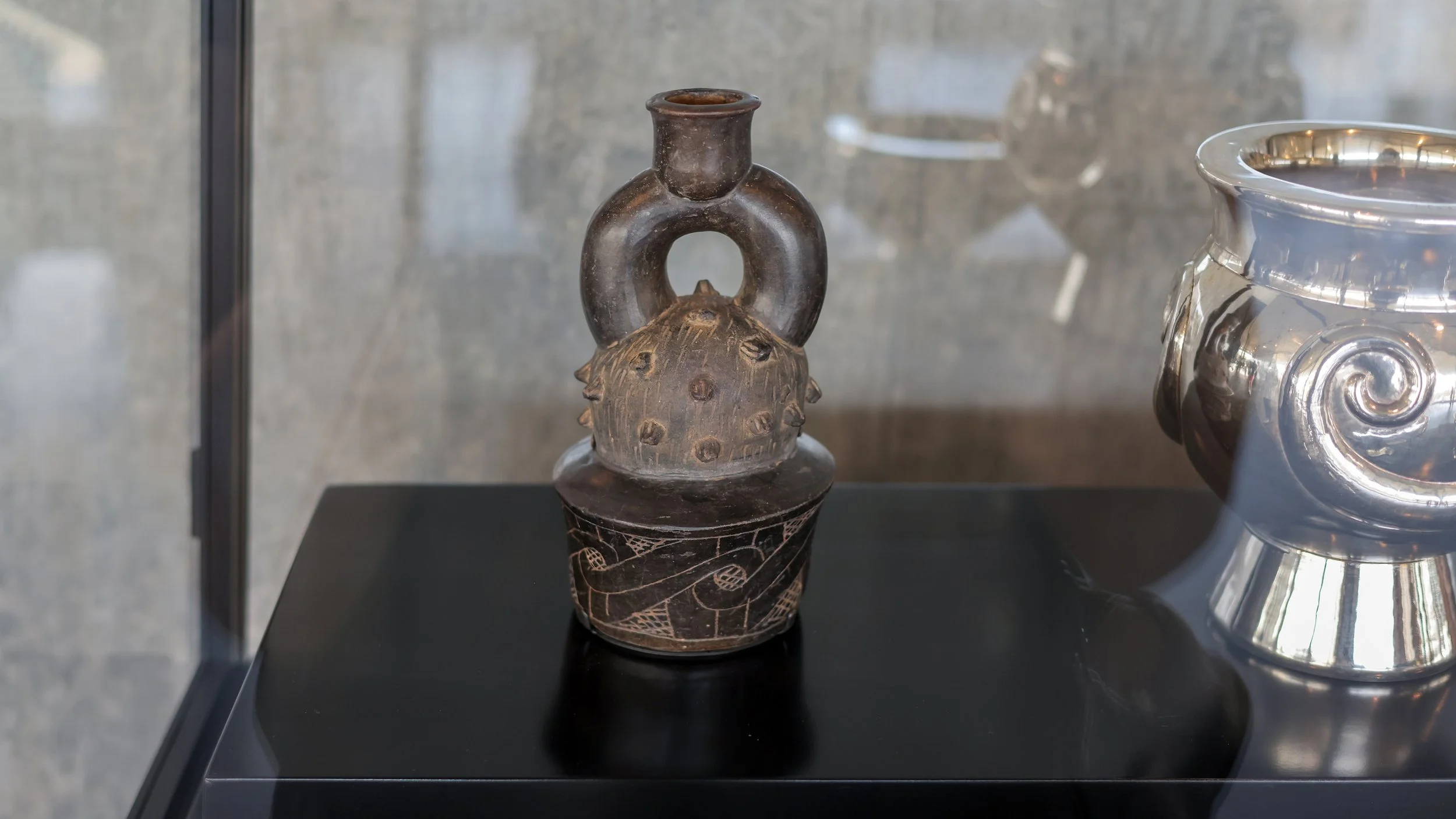
Cupisnique Vessel from Ancient Peru
Look at a clay vessel featuring a thorny oyster, made over two thousand years ago in Peru in the Cupisnique cultural tradition.
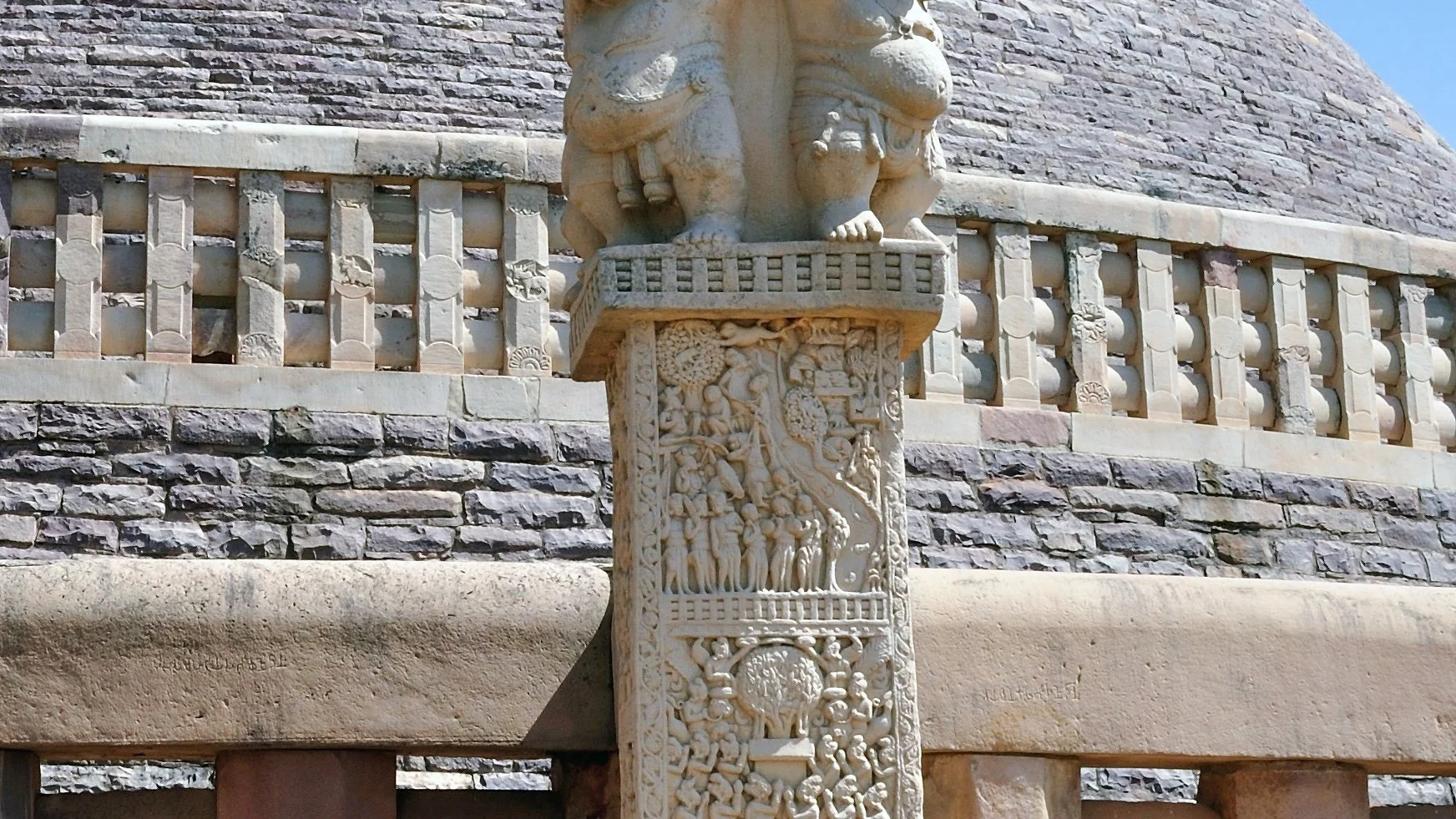
What is a Jataka Tale? The Mahakapi Jātaka at the Great Stupa of Sanchi
This video explains what a jātaka is in Buddhist literature and art, using the story of the Monkey king as an example.
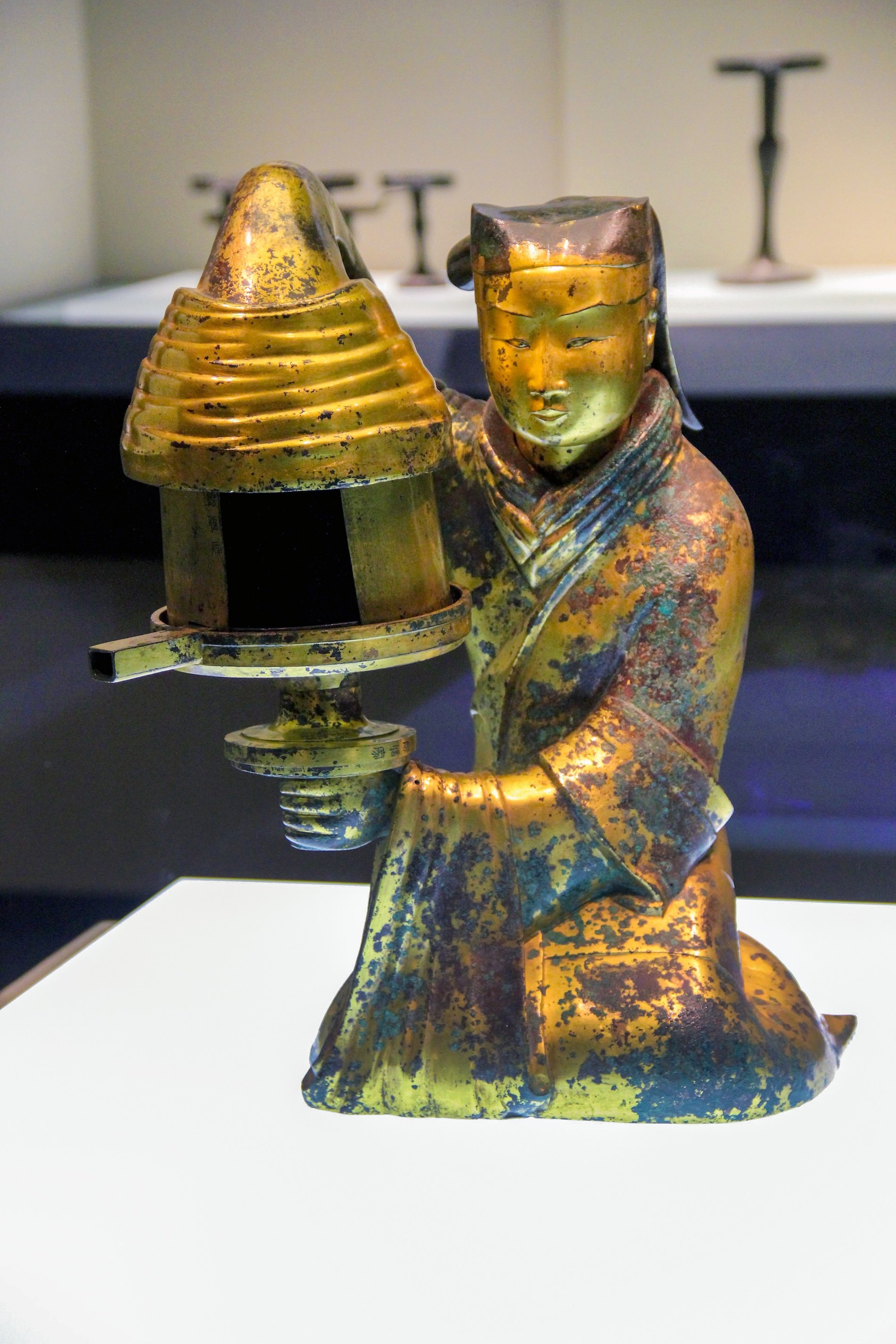
The Changxin Palace Lamp
Examine the Western Han Dynasty gilt bronze lamp (known as the Changxin Palace Lamp), an ancient artifact designed for both beauty and air purification.
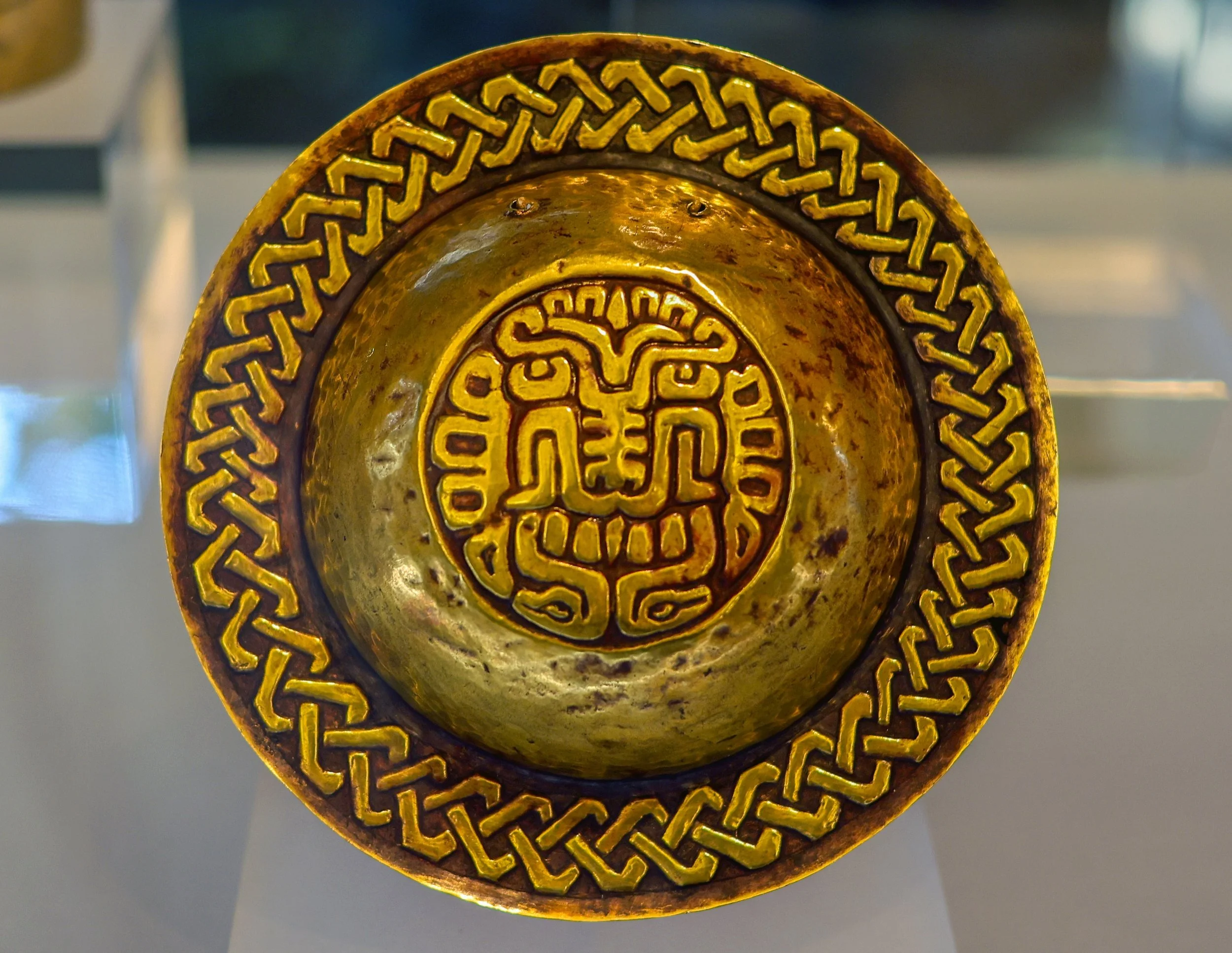
Chavín Craftsmanship and Metalworking: A Chest Ornament with Agnathic Feline Face
A 2,000-year-old Chavin gold ornament helps us learn how ancient Andean art reflects early metallurgical skills in Peru.

Hand Scrolls vs. Hanging Scrolls in Chinese Art
What is the difference between a handscroll and a hanging scroll mounting in Chinese ink painting?
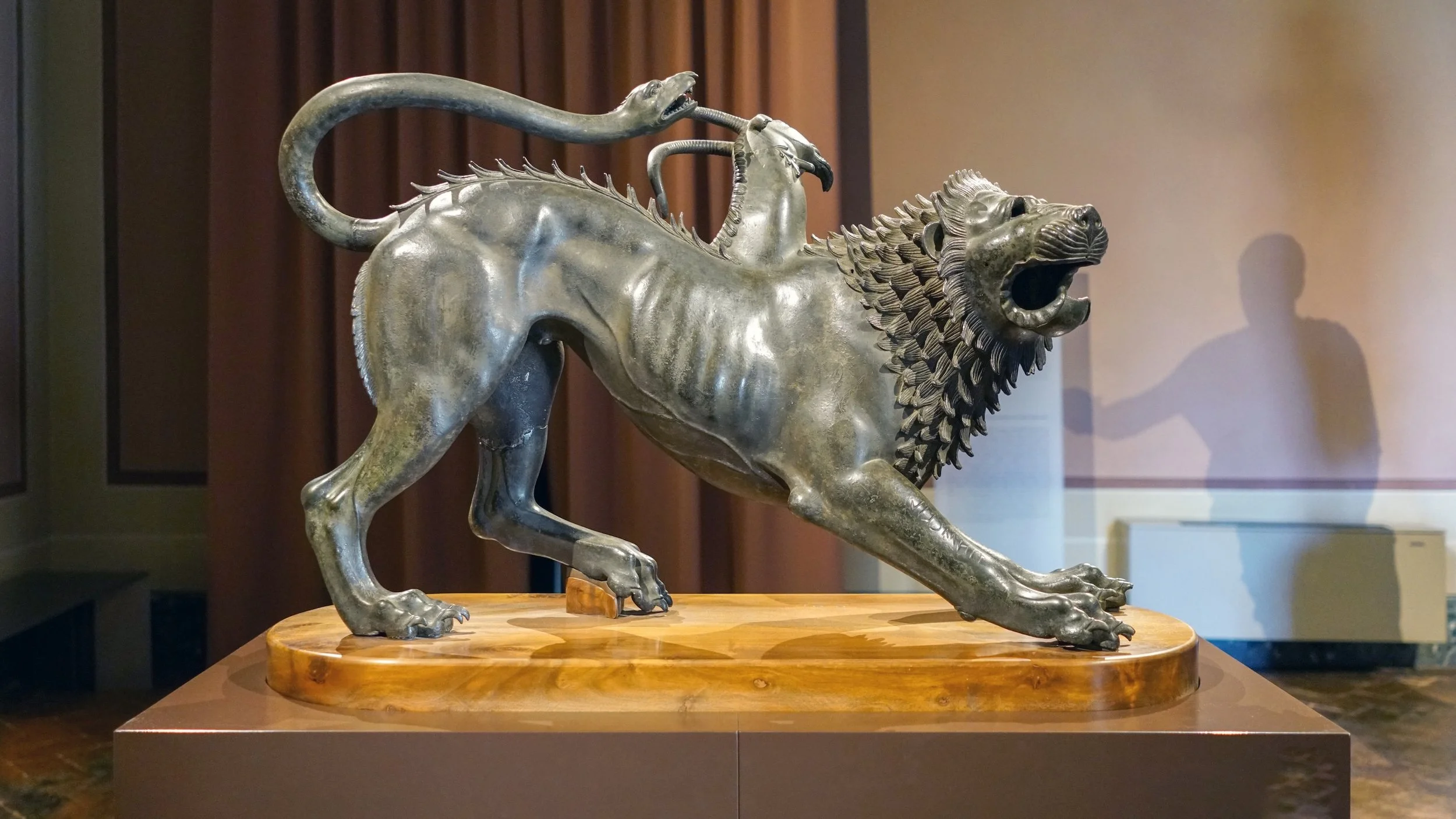
The Chimaera of Arezzo
The Chimaera of Arezzo is a bronze sculpture of a fire-breathing monster from ancient Greek mythology.
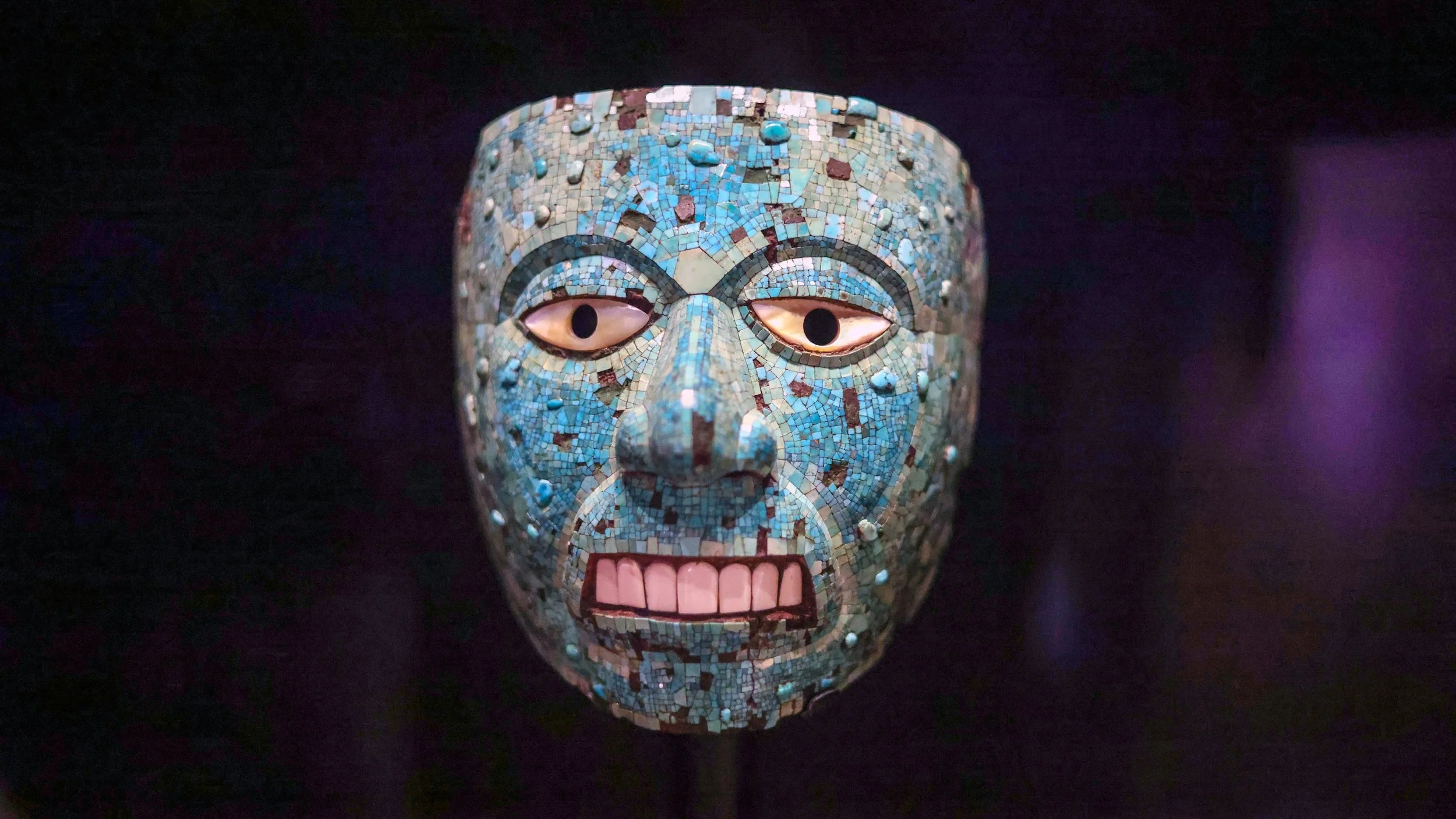
What is a mosaic? Examples from Aztec, Roman, Thai, Islamic, and Byzantine Art
This video focuses on understanding mosaics, both how they are made and the materials they are made from.
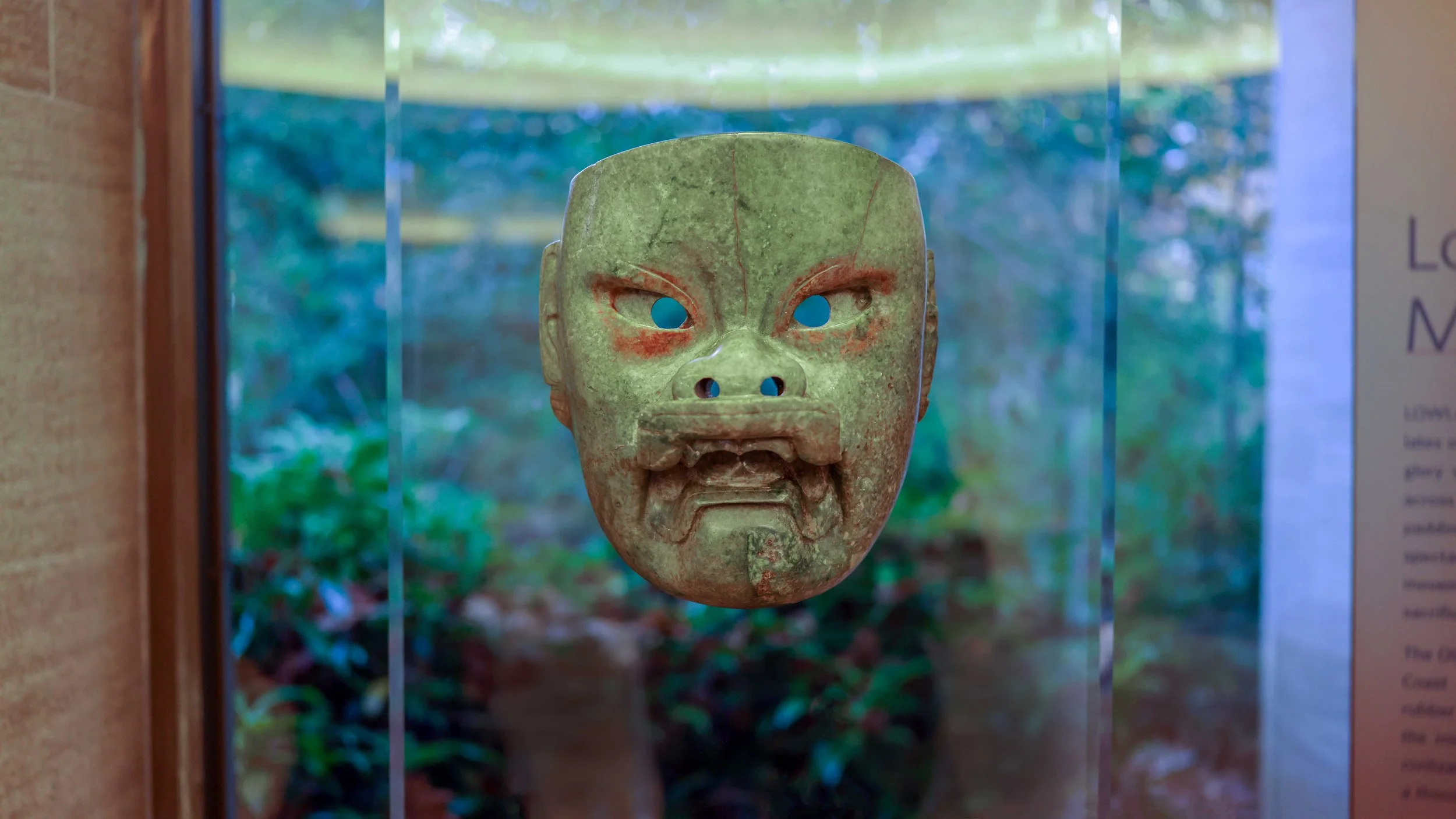
What is Jade (Jadeite) in Mesoamerica?
Jadeite was a precious material in Mesoamerica among the Olmec, Maya, and others.
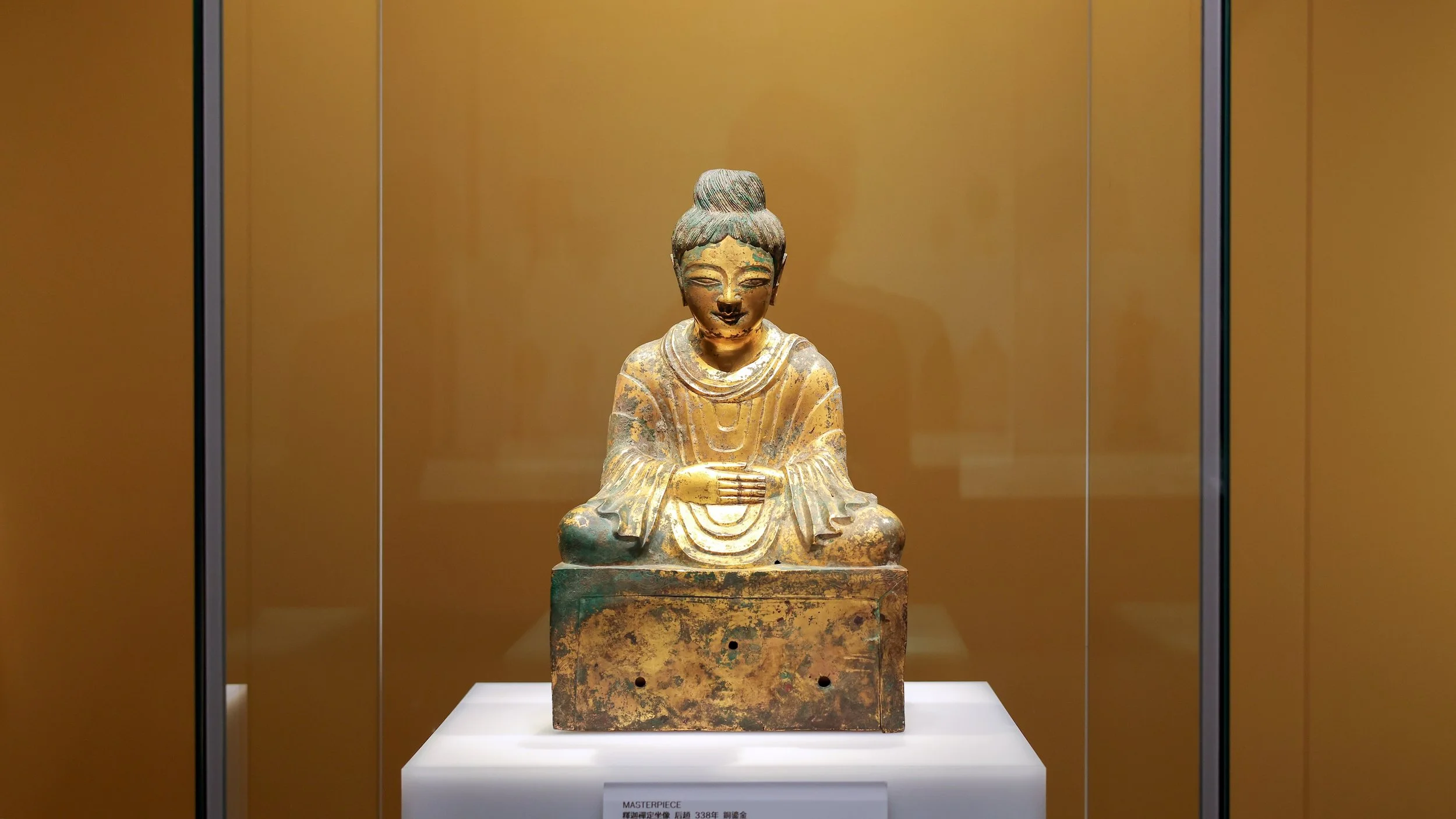
The Earliest Dated Buddha Statue from China
The earliest visual images of the Buddha were transmitted to China by travelers along the ancient Silk Roads.
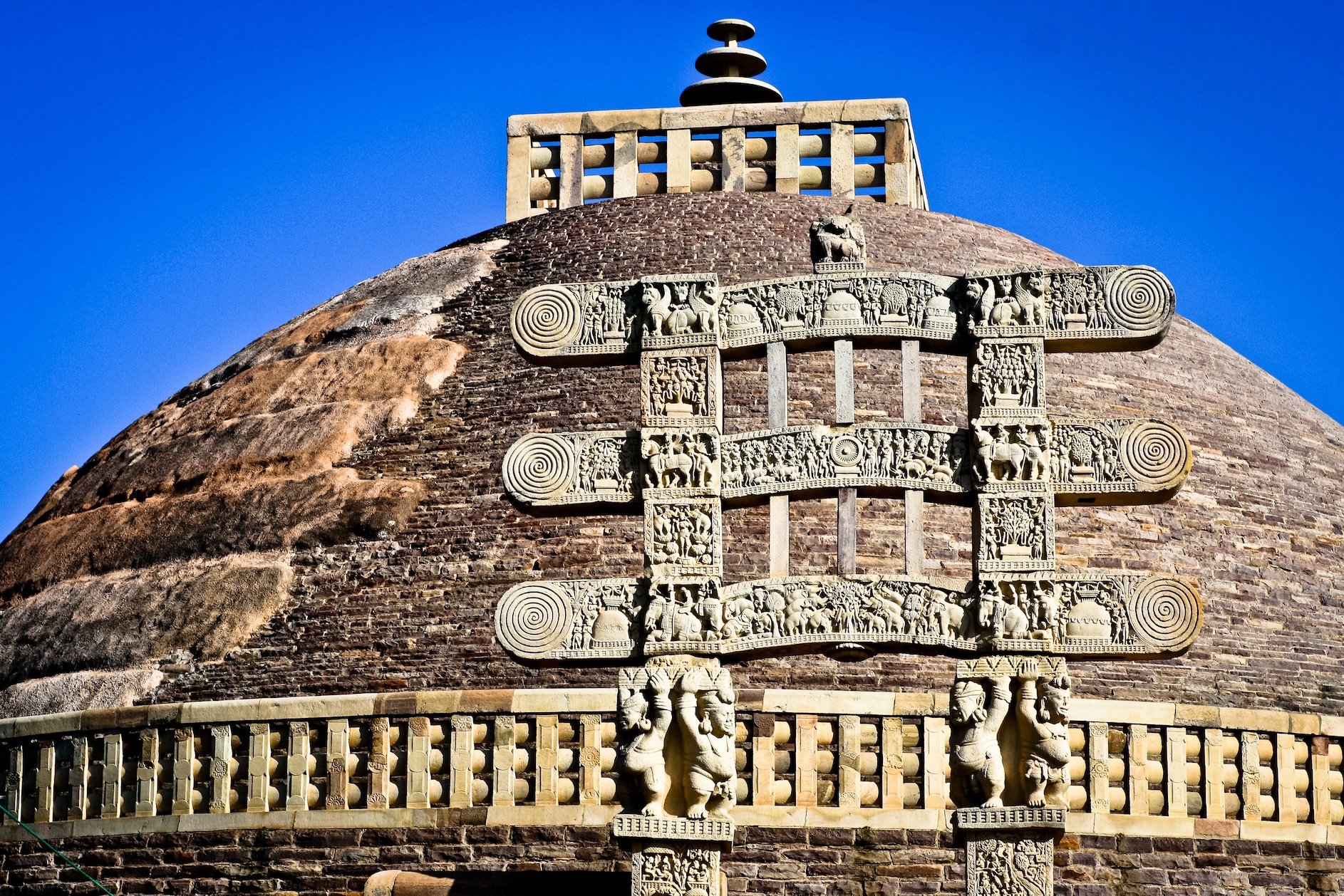
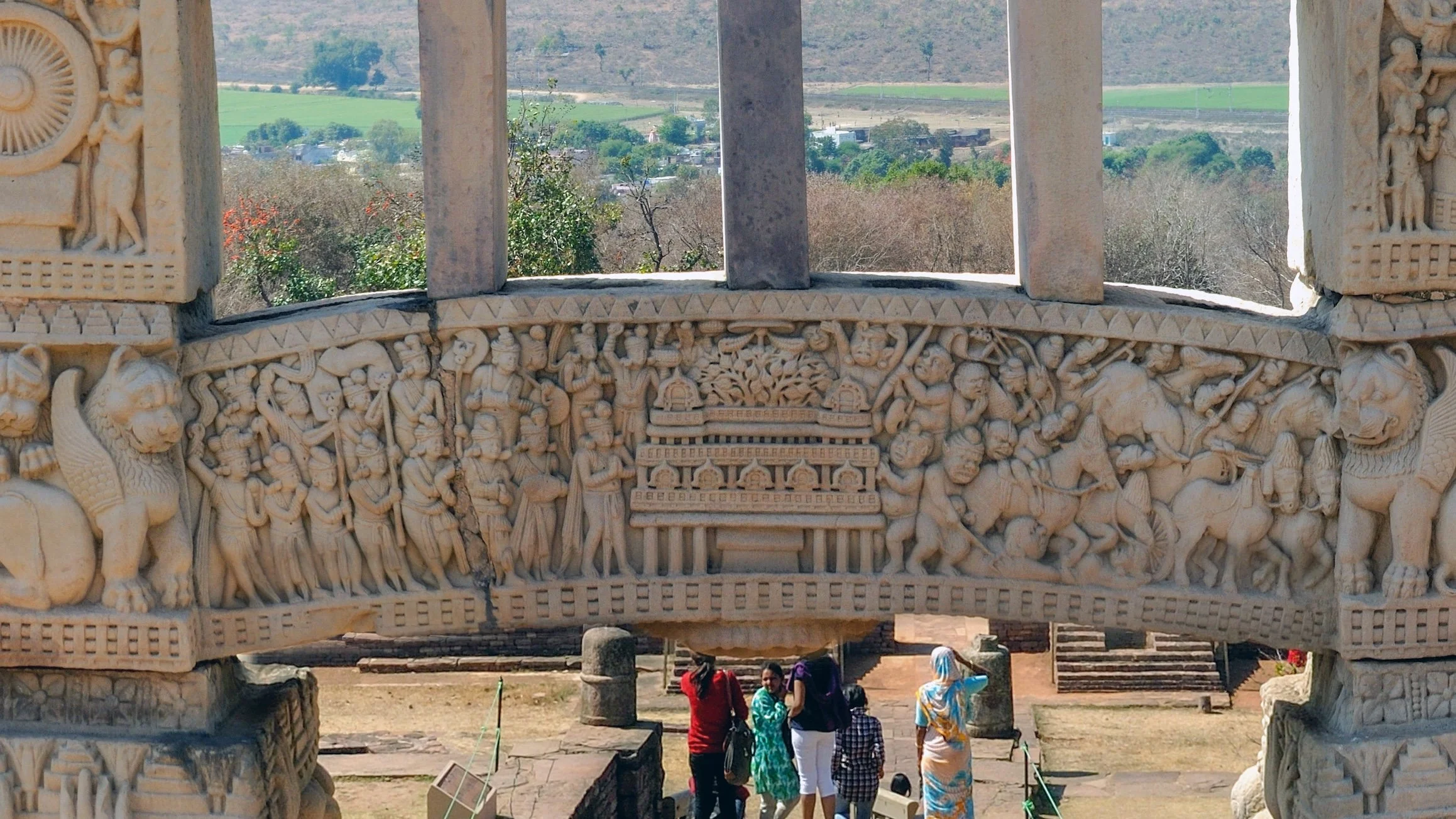
What is conflated narrative? | The Enlightenment relief at the Great Stupa at Sanchi
How does a single image show the passage of time?

Colima Dogs and West Mexican Ceramics
Dogs have been immortalized in art across the globe for thousands of years.
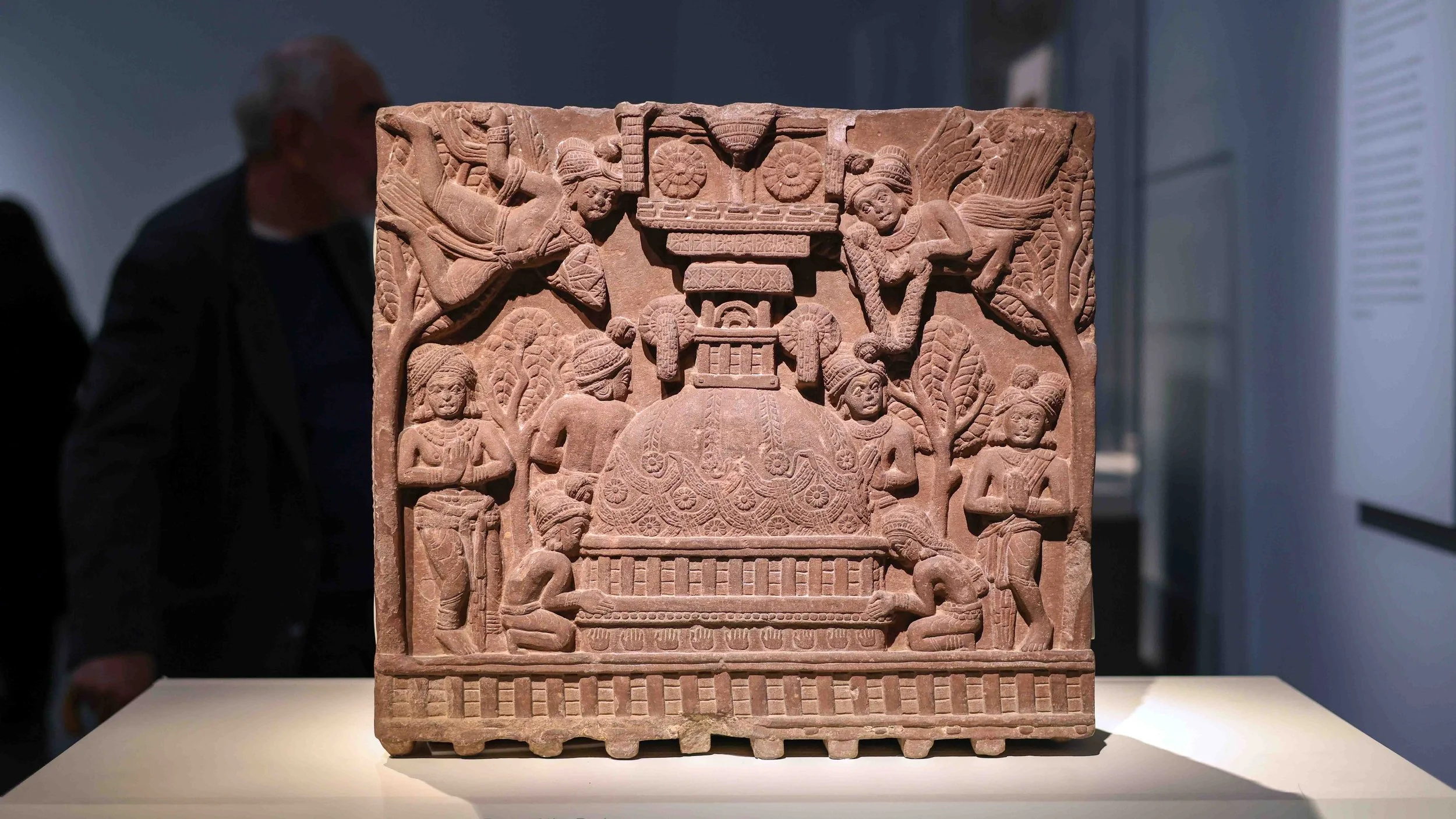

What is continuous narrative? | The Great Departure relief at the Great Stupa at Sanchi
Because early Buddhist art is aniconic, we explain the symbols used to depict the Buddha’s presence in this scene and show how they repeat from right to left to illustrate how his story unfolds.
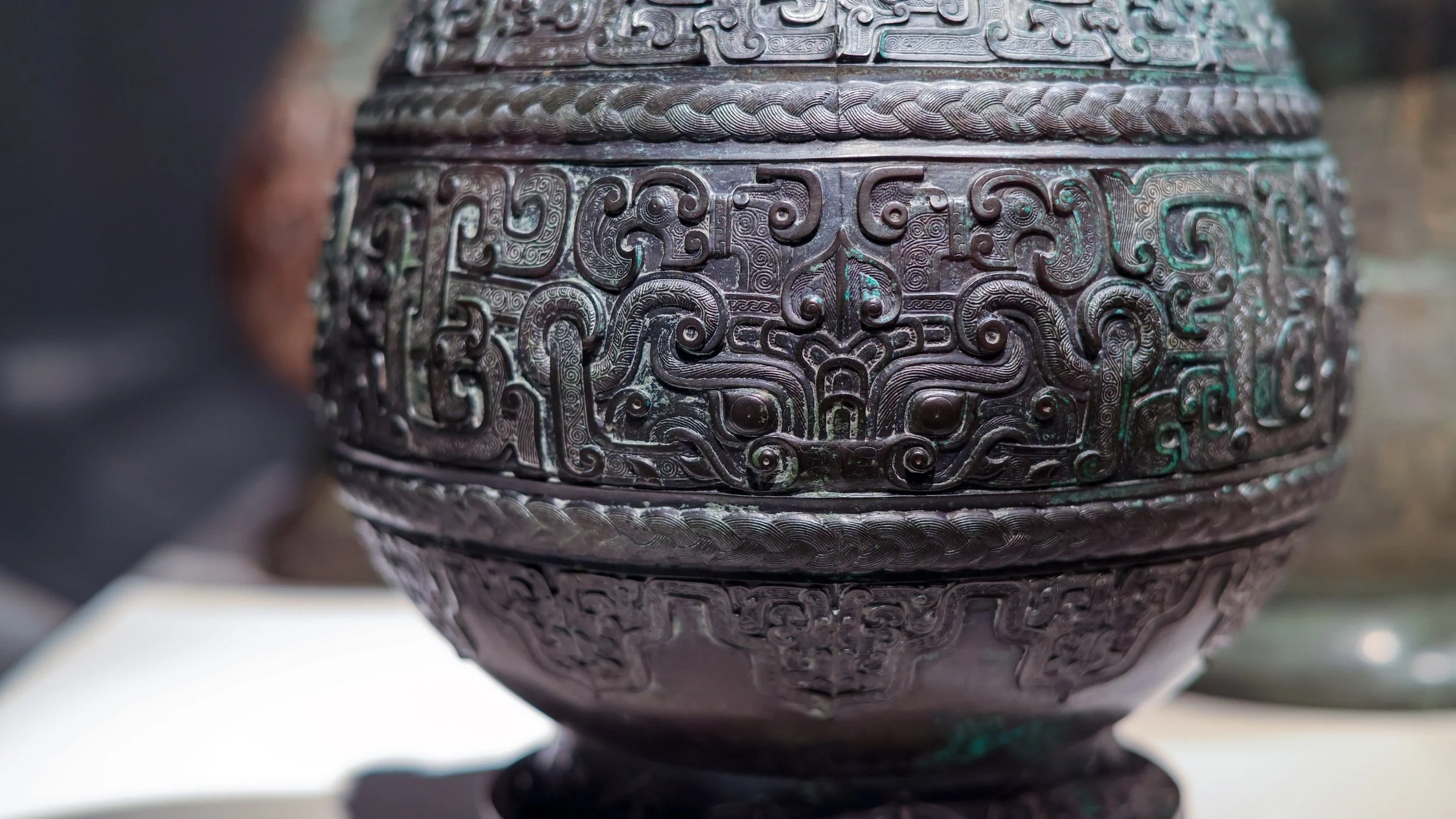
How to Do a Visual Analysis in Art History: An Ancient Chinese Bronze Vessel
This video explains how to do a visual analysis (formal analysis) of a 5th-century BCE Chinese bronze vessel.
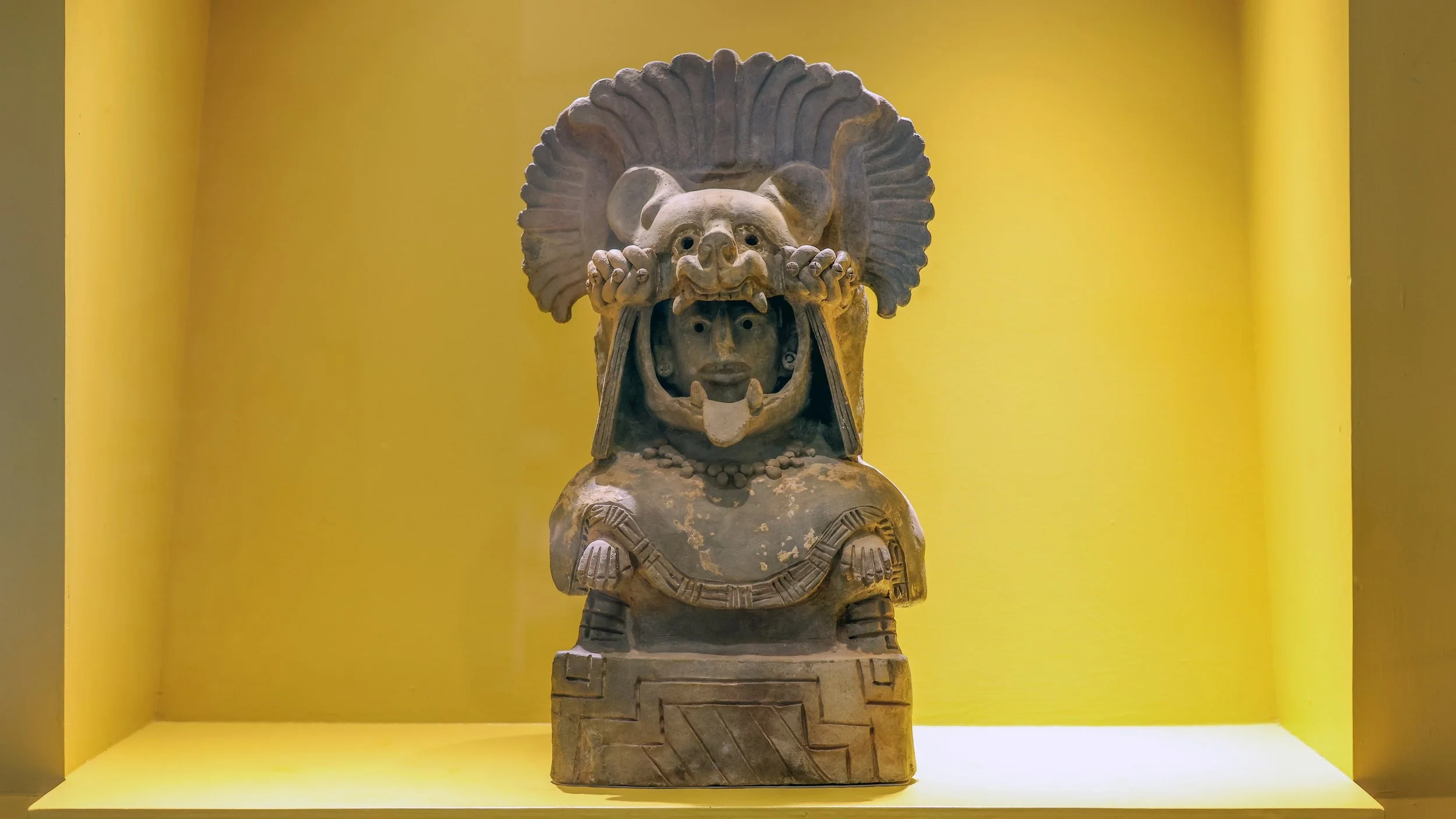
Zapotec Funerary Urns in Mesoamerica: Inside Ancient Mexican Tombs
Zapotec funerary urns are unique to ancient Mexico.
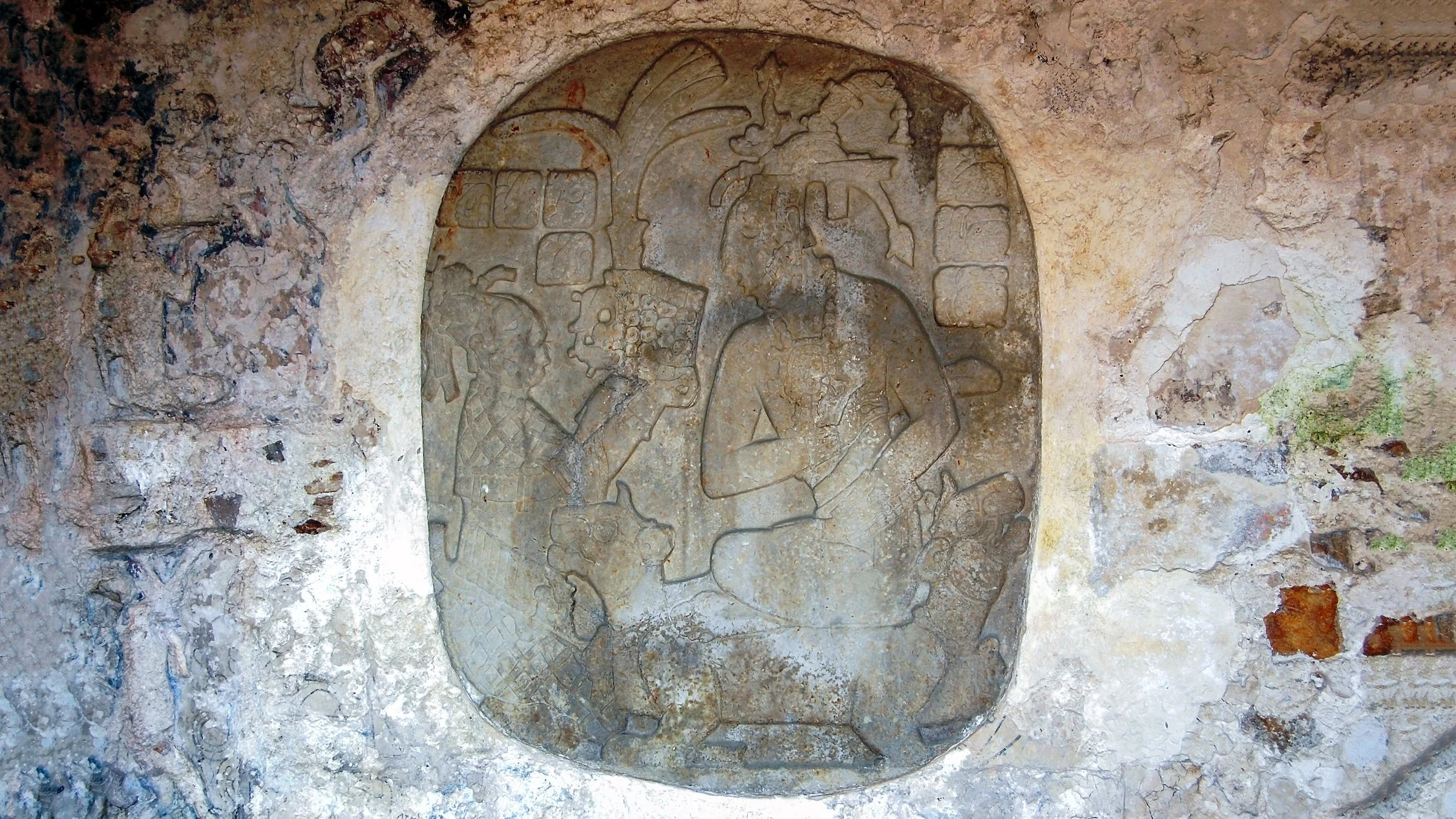
Lady Sak K'uk', Queen of Palenque
Who is the ancient Maya queen Lady Sak K’uk’ of Palenque?