
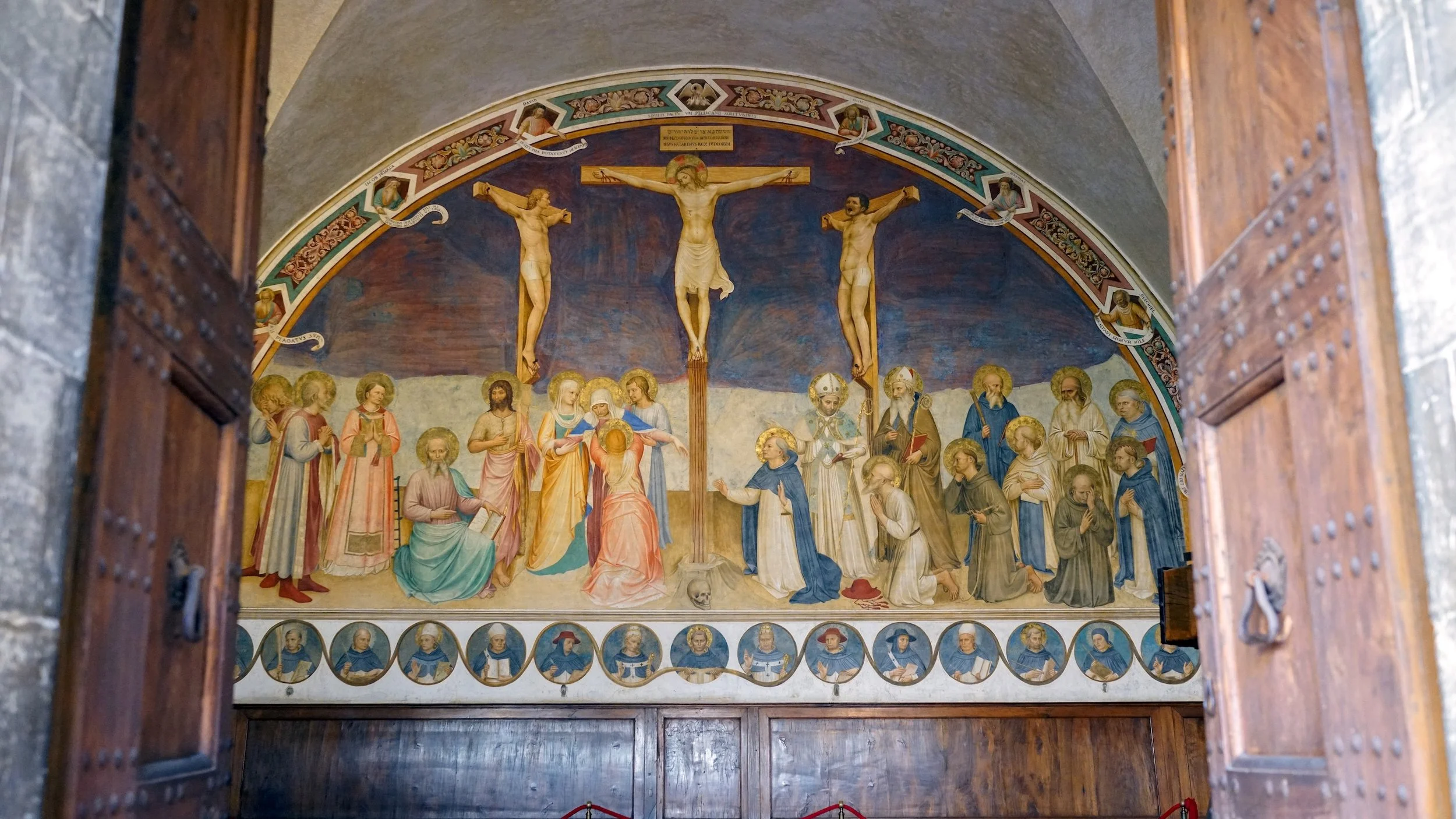
Fra Angelico, Crucifixion mural in San Marco
The monumental Crucifixion fresco in the Chapter room of the San Marco Monastery in Florence, Italy, provided the Observant Dominican friars who gathered there daily with powerful visual models for their communal religious life.
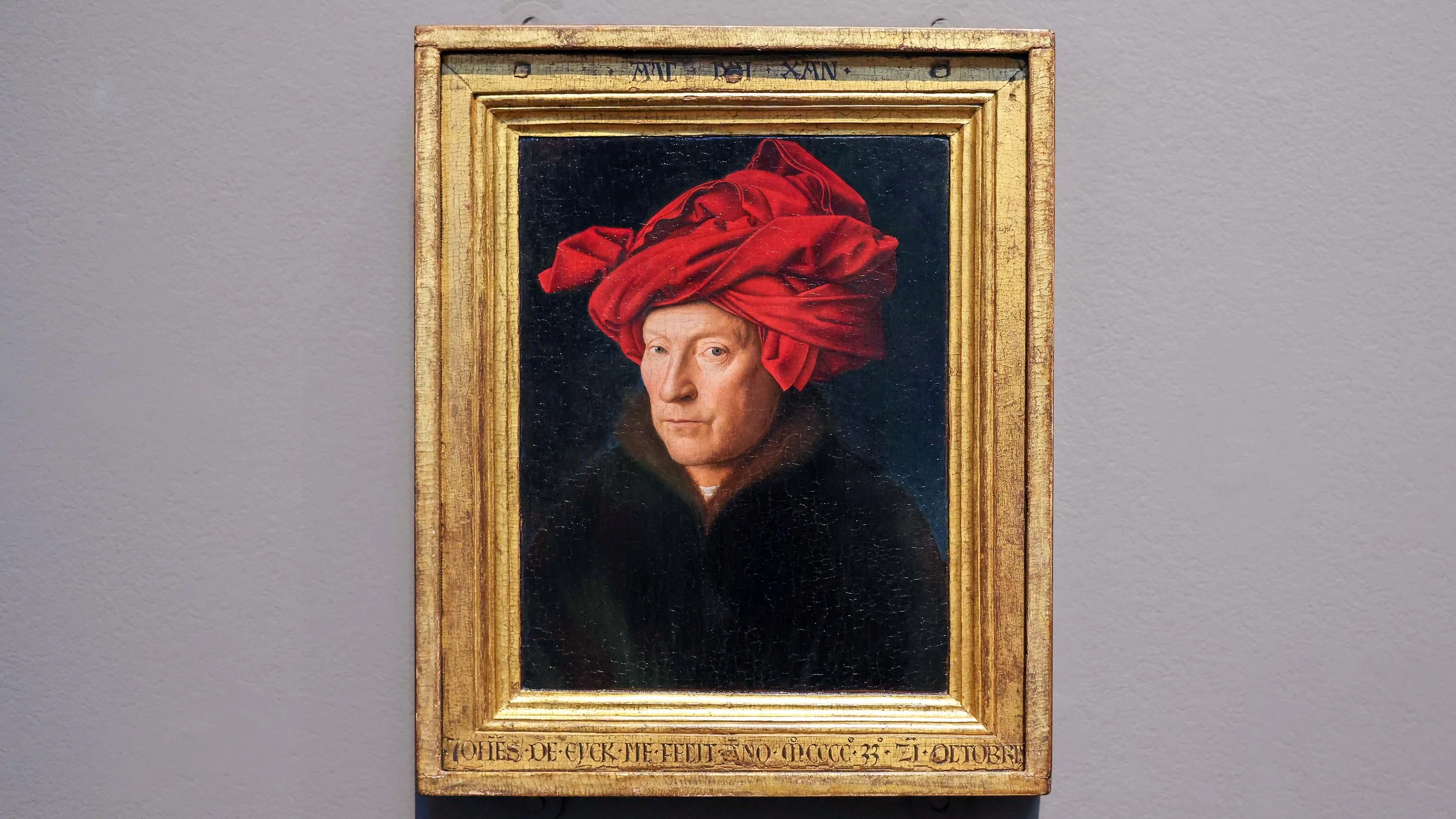
Jan van Eyck, Portrait of a Man (Self-Portrait)
With his piercing gaze, weathered features, and brilliant red chaperon, Jan van Eyck’s 1433 startlingly life-like portrait is widely believed to depict the artist himself.
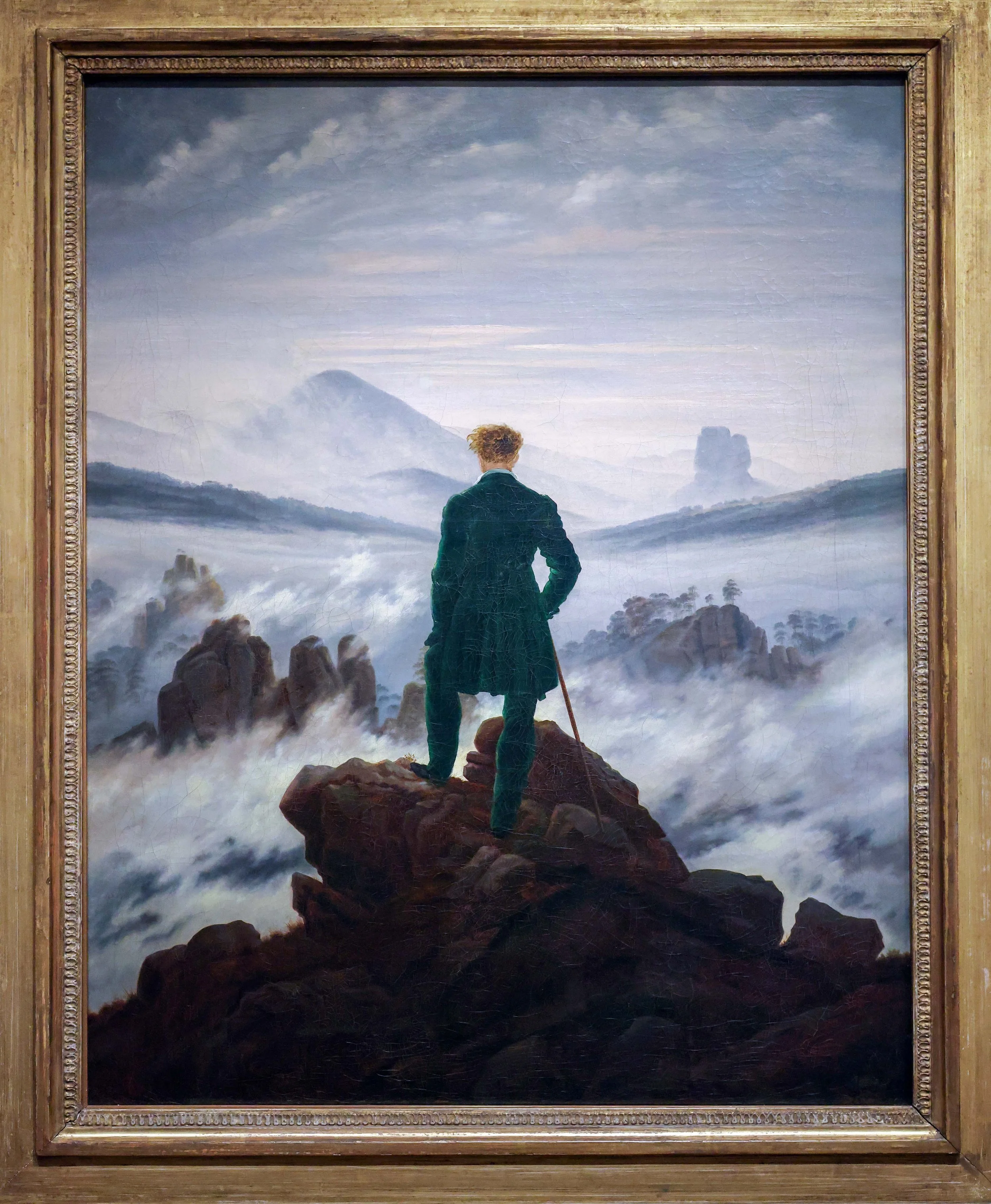
What is Romanticism?
Looking at paintings like Wanderer Above the Sea of Fog and Monk by the Sea by the artist Caspar David Friedrich, this video discusses the art movement known as Romanticism.

Paleolithic art, an introduction
Prehistoric art spans a long time, but one of the most important periods is the Paleolithic era, or Old Stone Age.
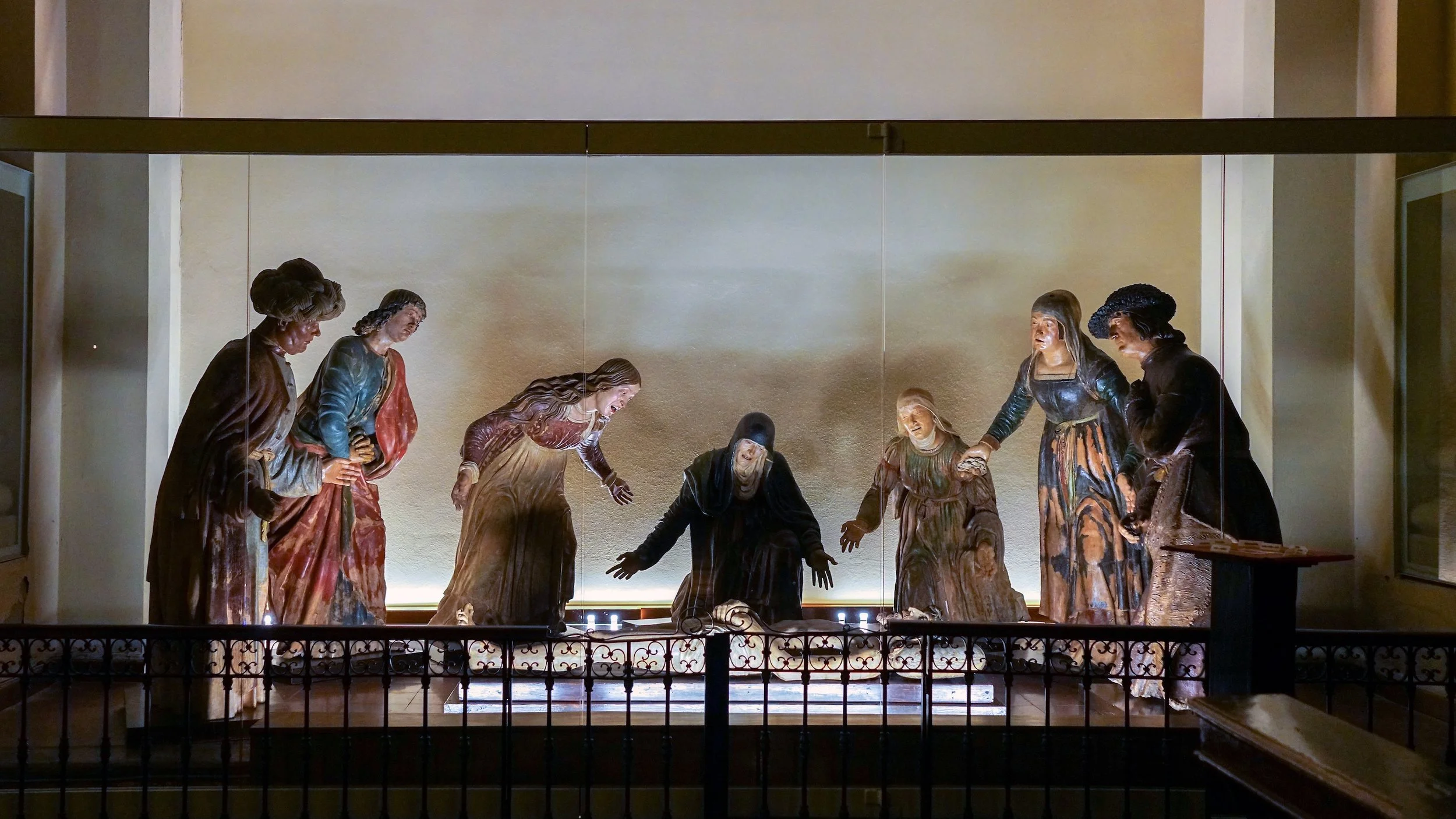
Guido Mazzoni, Lamentation Group in Ferrara
Stepping into the Church of the Gesù in Ferrara, Italy, we encounter a group of standing figures whose faces and bodies are contorted in expressions of sorrow.
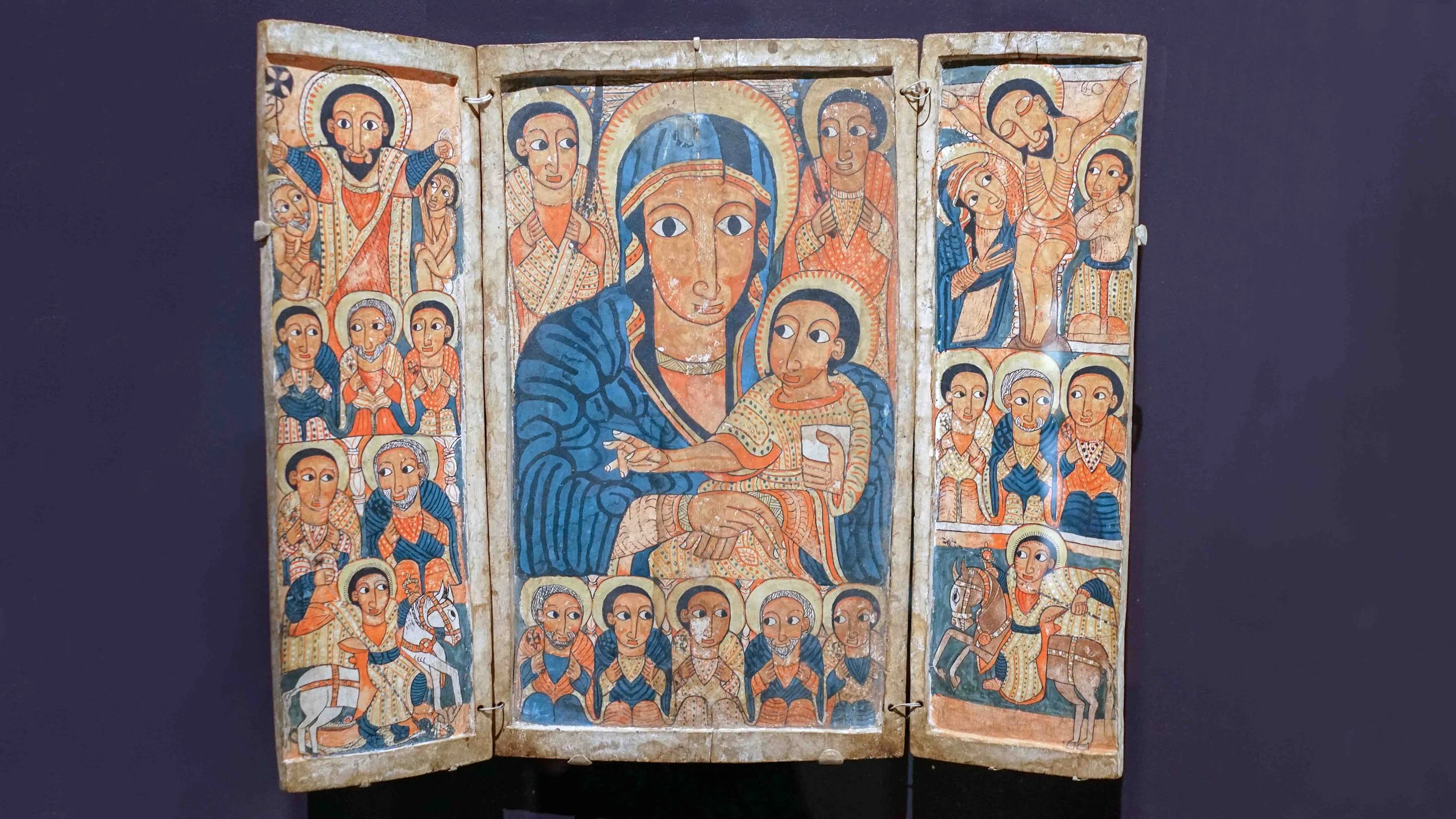
Diptych, triptych, polyptych—what’s the difference?
In art history, there are terms for artworks made of multiple panels, such as diptych, triptych, and polyptych. What do they mean?
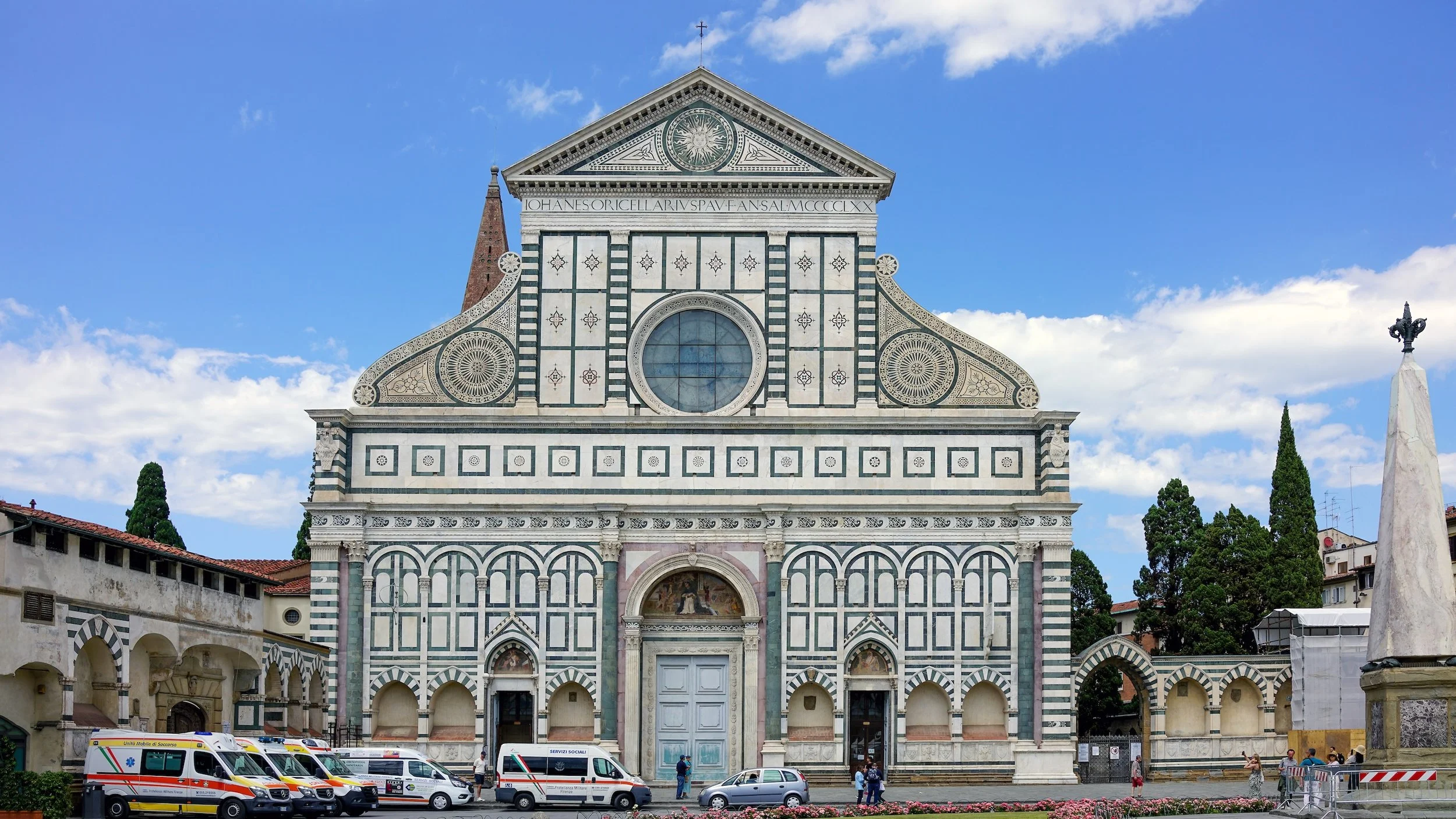
Leon Battista Alberti, Façade for Santa Maria Novella in Florence
The Dominican Church of Santa Maria Novella is one of the defining monuments of the Italian Renaissance in Florence, Italy.
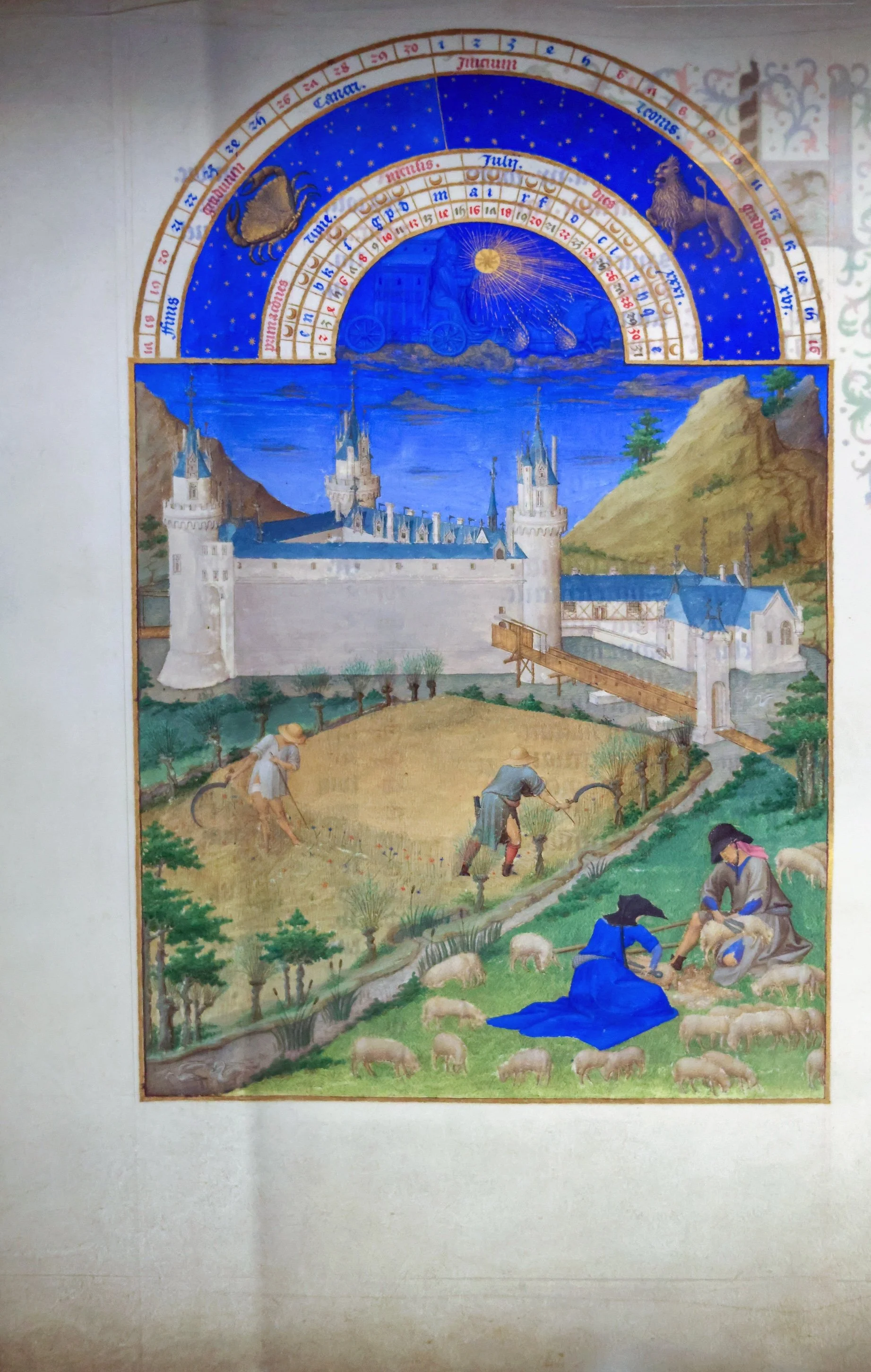
August Calendar Page in the Très Riches Heures du Duc de Berry
A calendar page from the famous medieval manuscript, the Très Riches Heures du Duc de Berry, focuses on falconry in August.
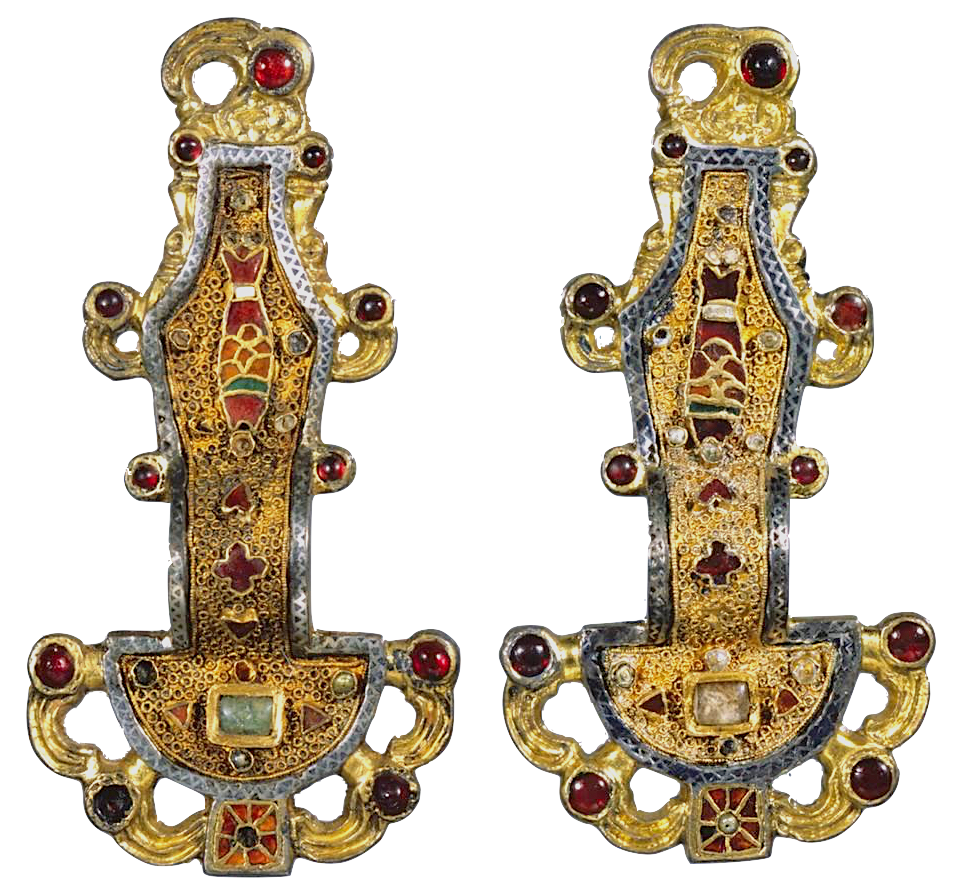
Medieval Fibulae
Fibulae (singular: fibula) are most commonly associated today with the medieval Germanic tribes migrating across Europe in the 5th to 7th centuries, but they were not unique to these groups.
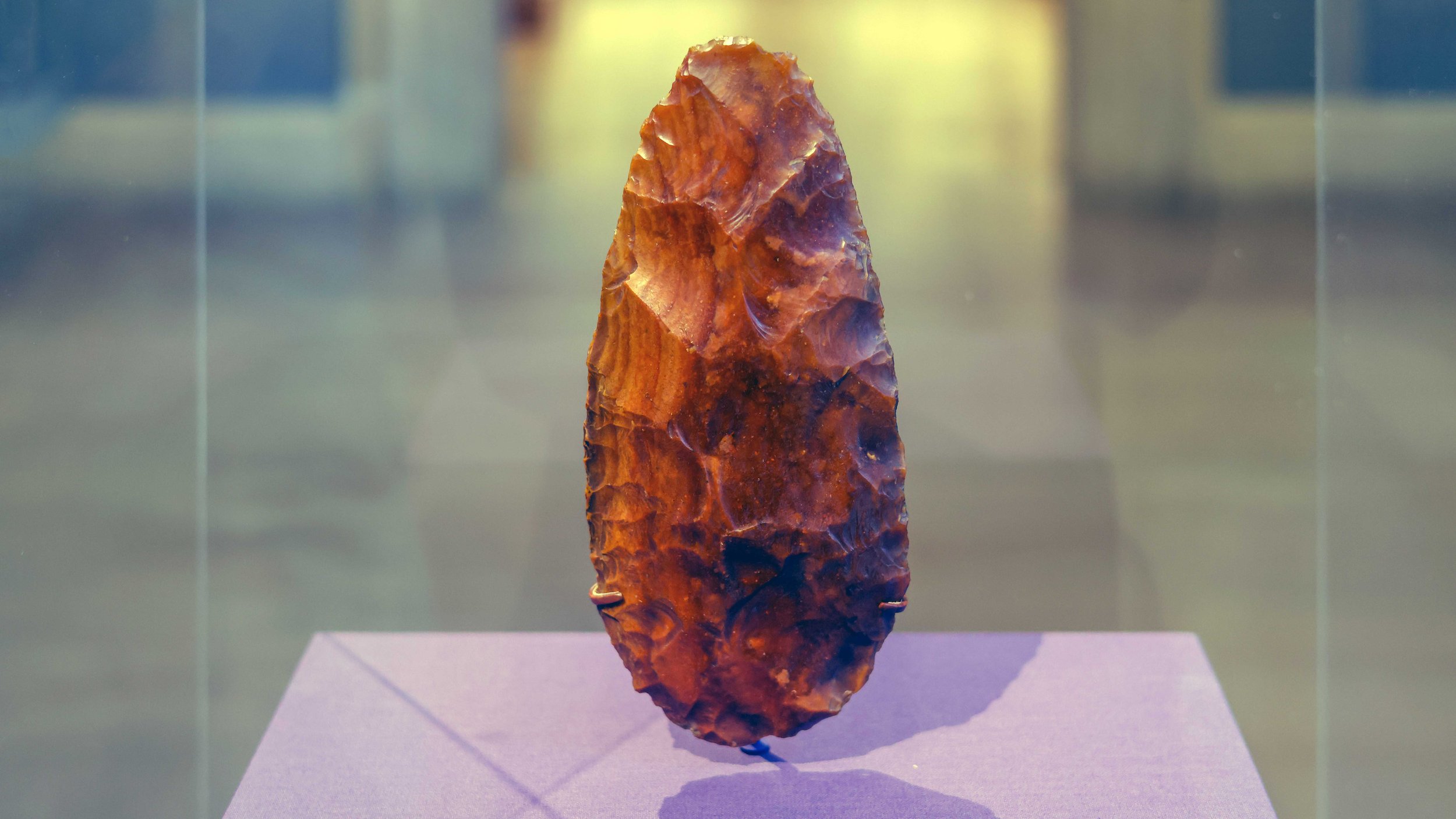
Paleolithic Handaxes or Bifaces
This video explores one of the most remarkable objects in human history: the Acheulean hand axe.
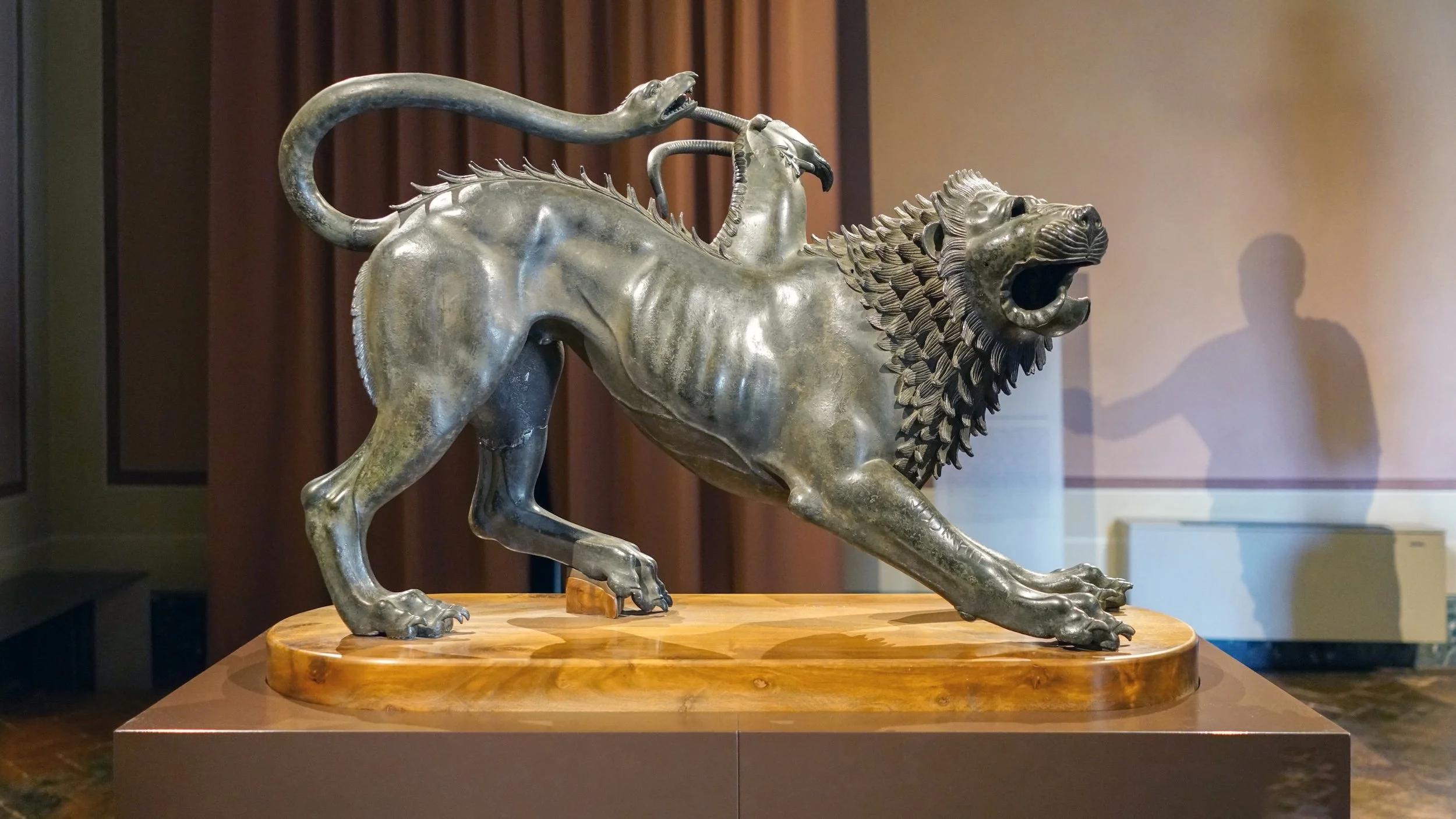
The Chimaera of Arezzo
The Chimaera of Arezzo is a bronze sculpture of a fire-breathing monster from ancient Greek mythology.
July Calendar Page in the Très Riches Heures du Duc de Berry
A calendar page from the famous medieval manuscript, the Très Riches Heures du Duc de Berry, focuses on peasants harvesting wheat and shearing sheep during July and also shows the Palace of Poitiers in France.
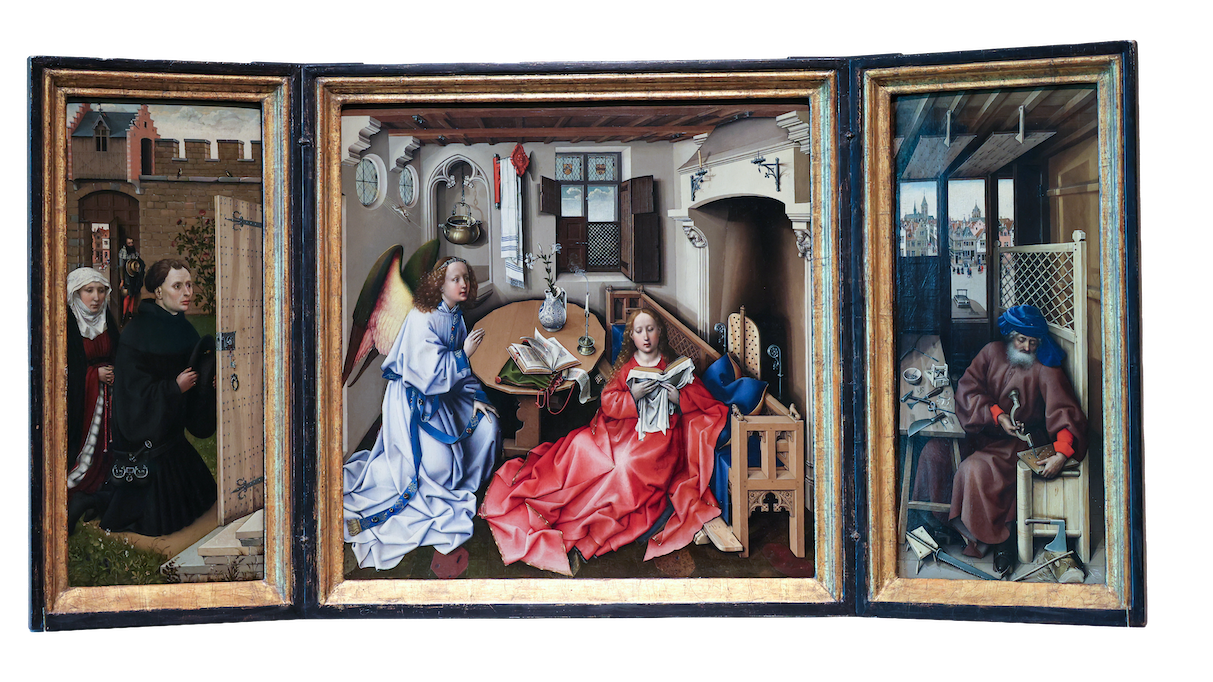
The Merode Altarpiece (Annunciation Triptych), Workshop of Robert Campin
Created in the workshop of Robert Campin around 1430, the Mérode Altarpiece is an outstanding example of Northern Renaissance painting.
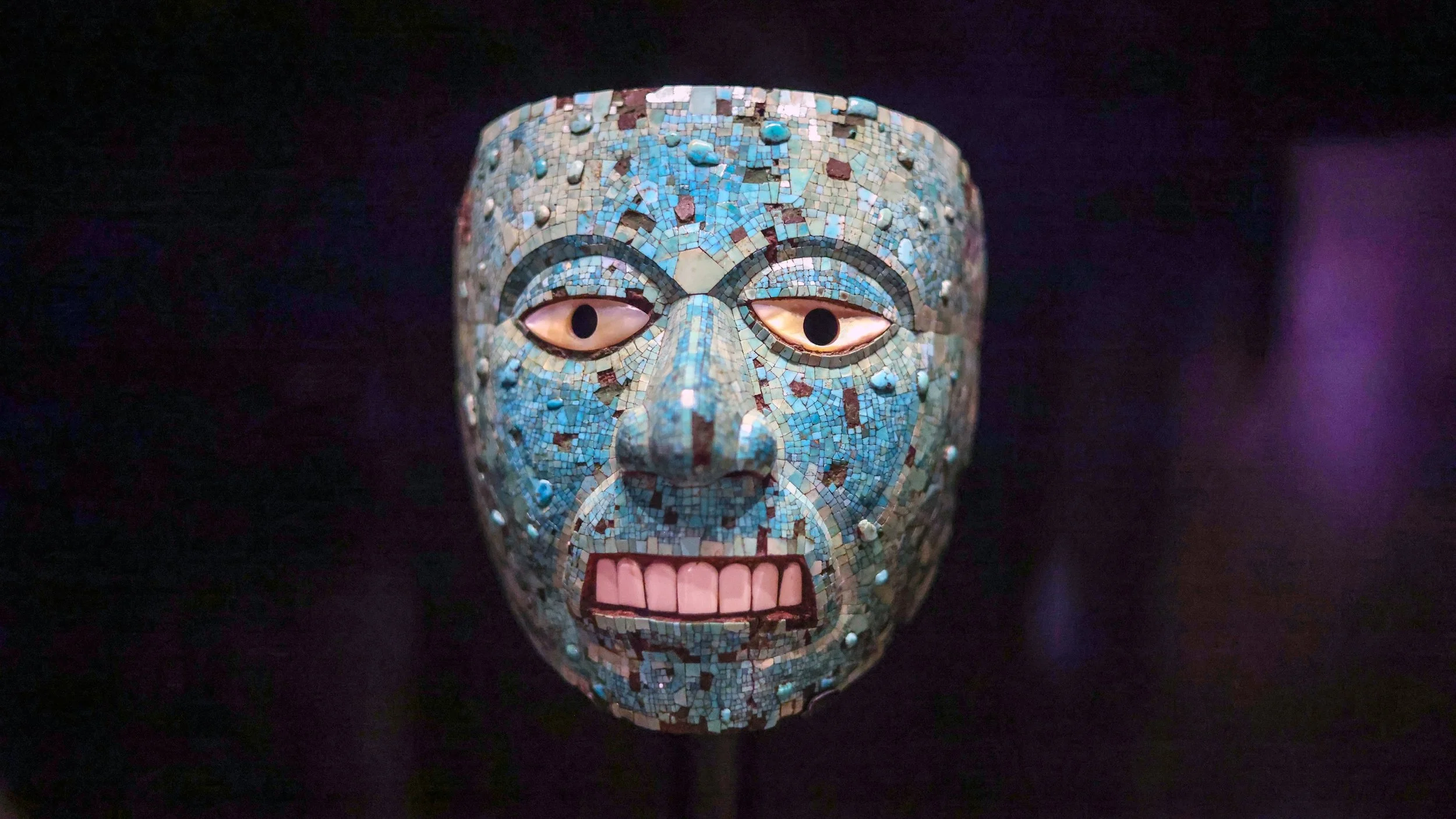
What is a mosaic? Examples from Aztec, Roman, Thai, Islamic, and Byzantine Art
This video focuses on understanding mosaics, both how they are made and the materials they are made from.
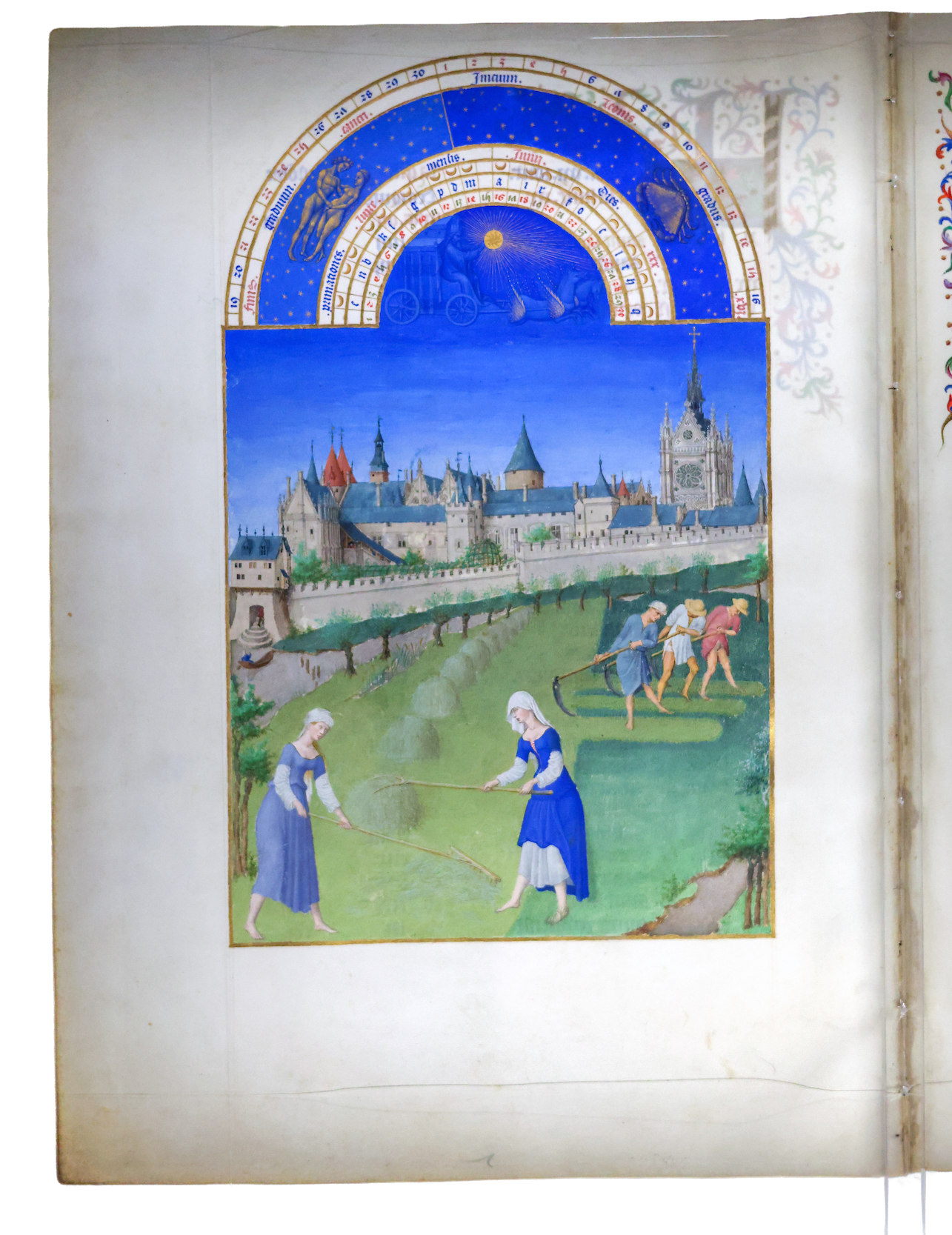
June in the Très Riches Heures du Duc de Berry
Barefoot peasants are shown raking hay and cutting grass under a clear blue sky, offering a glimpse into life in the Middle Ages.

The Wild Beasts of Modern Art: The Fauvists
In 1905, Henri Matisse painted his wife in shocking hues of green, blue, pink, and orange, and changed art history forever.
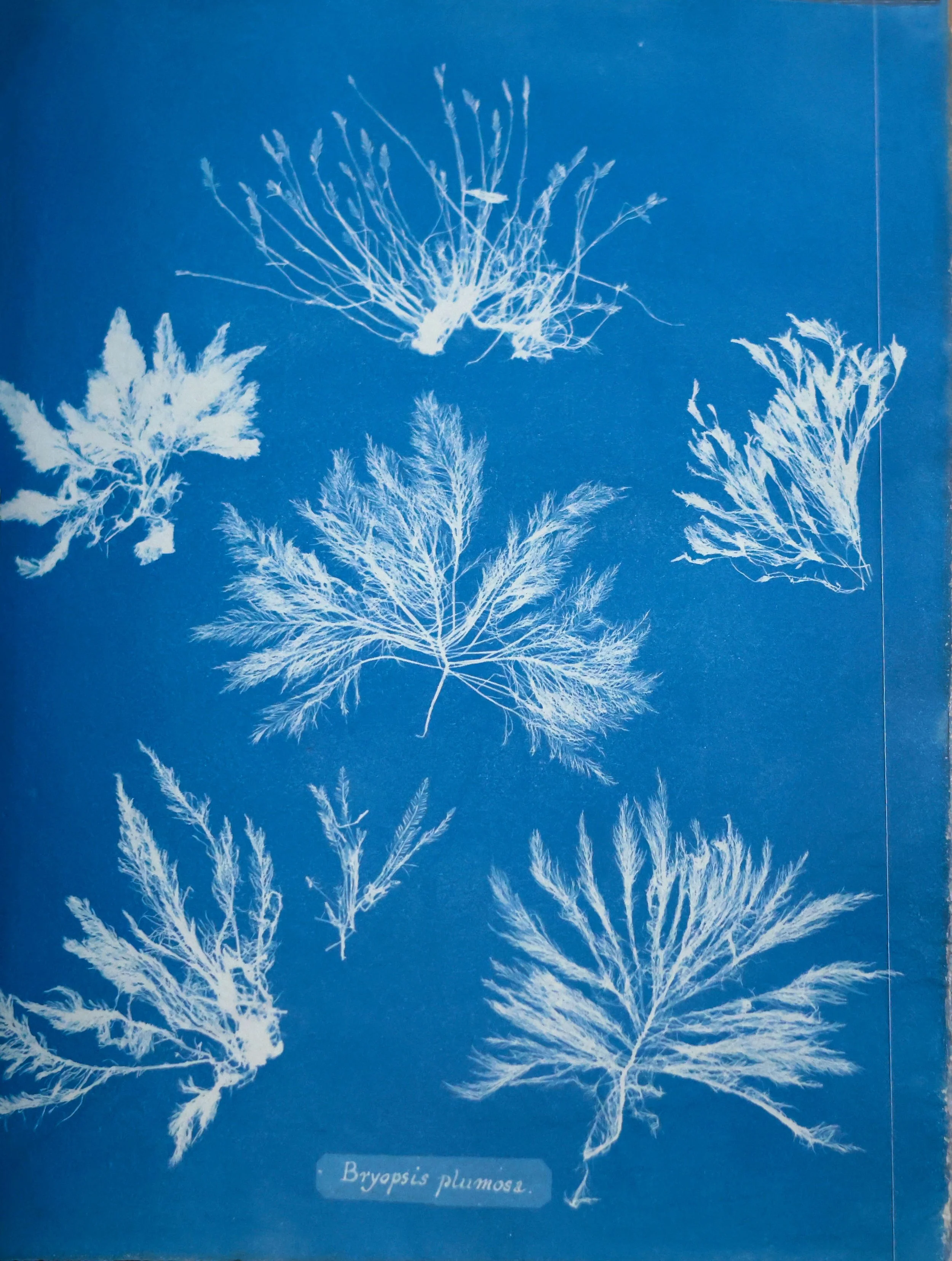
Anna Atkins and Cyanotypes
Some of the earliest forms of photography didn't need a camera.
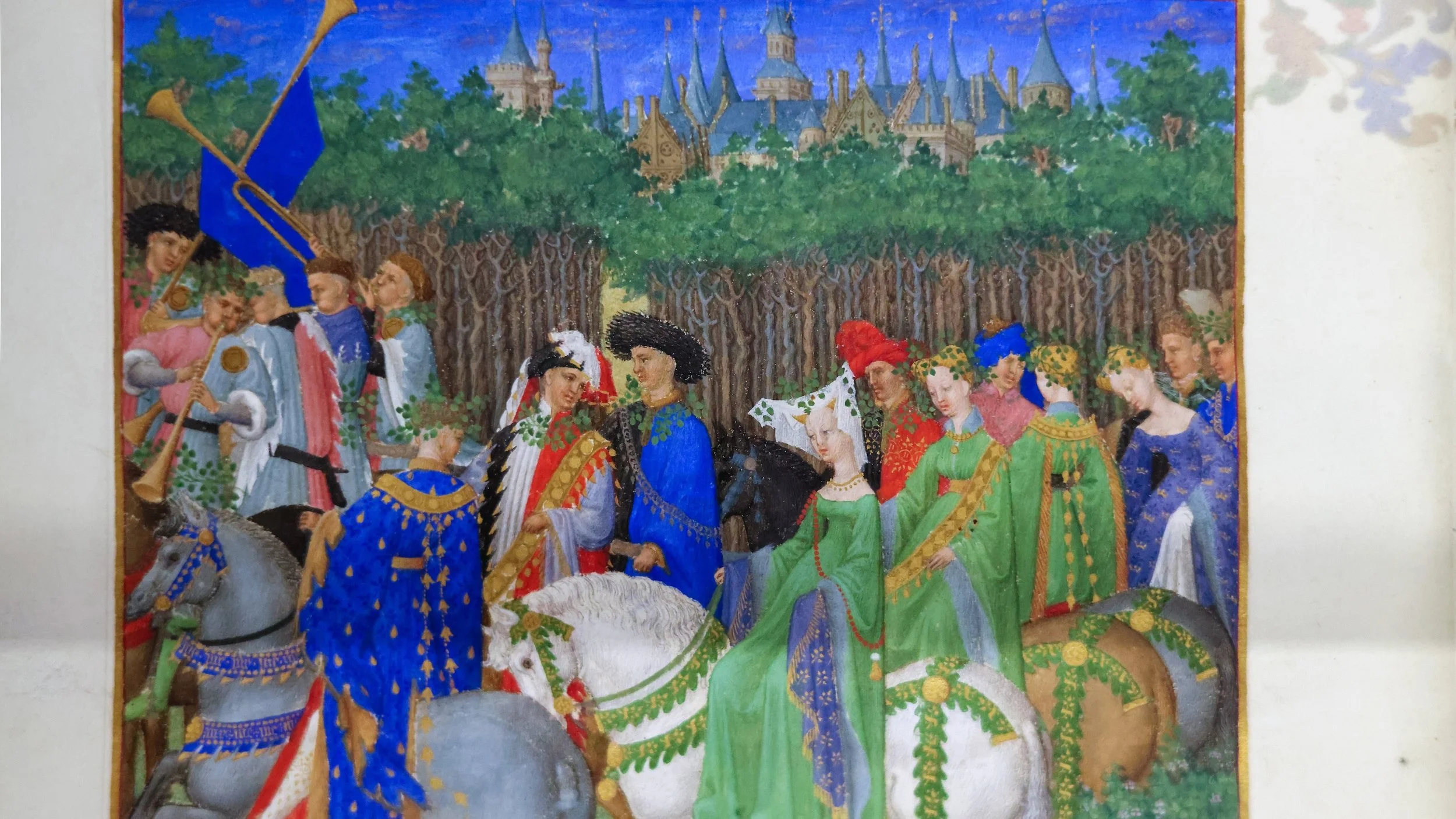
May Calendar Page in the Très Riches Heures du Duc de Berry
In a scene from the medieval illuminated manuscript known as Très Riches Heures of Jean, Duke of Berry, aristocrats have a May celebration in the forest.
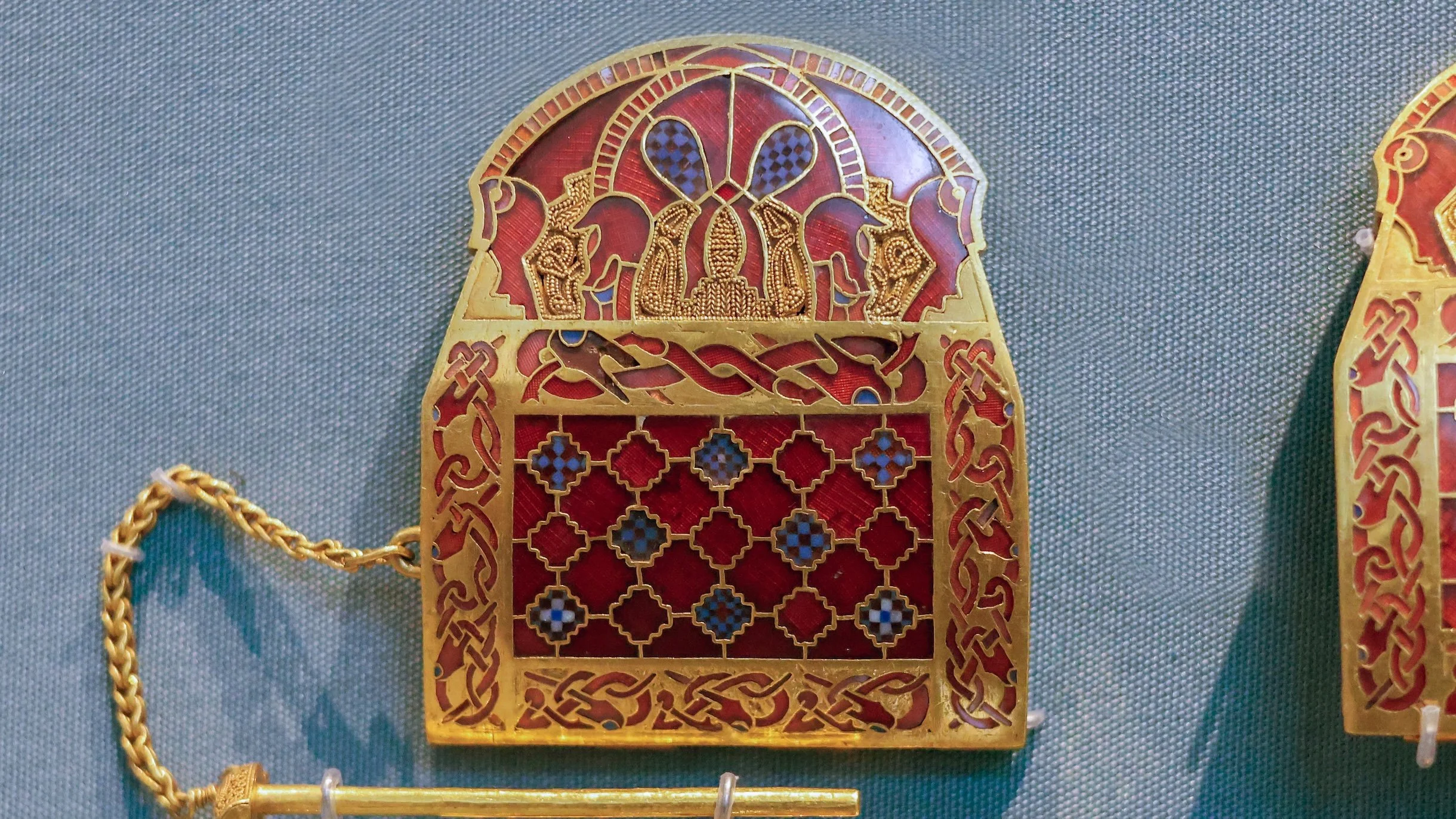
What is cloisonné?
Discovered during an archaeological dig at Sutton Hoo, a shoulder-clasp’s intricate craftsmanship helps us understand cloisonné.
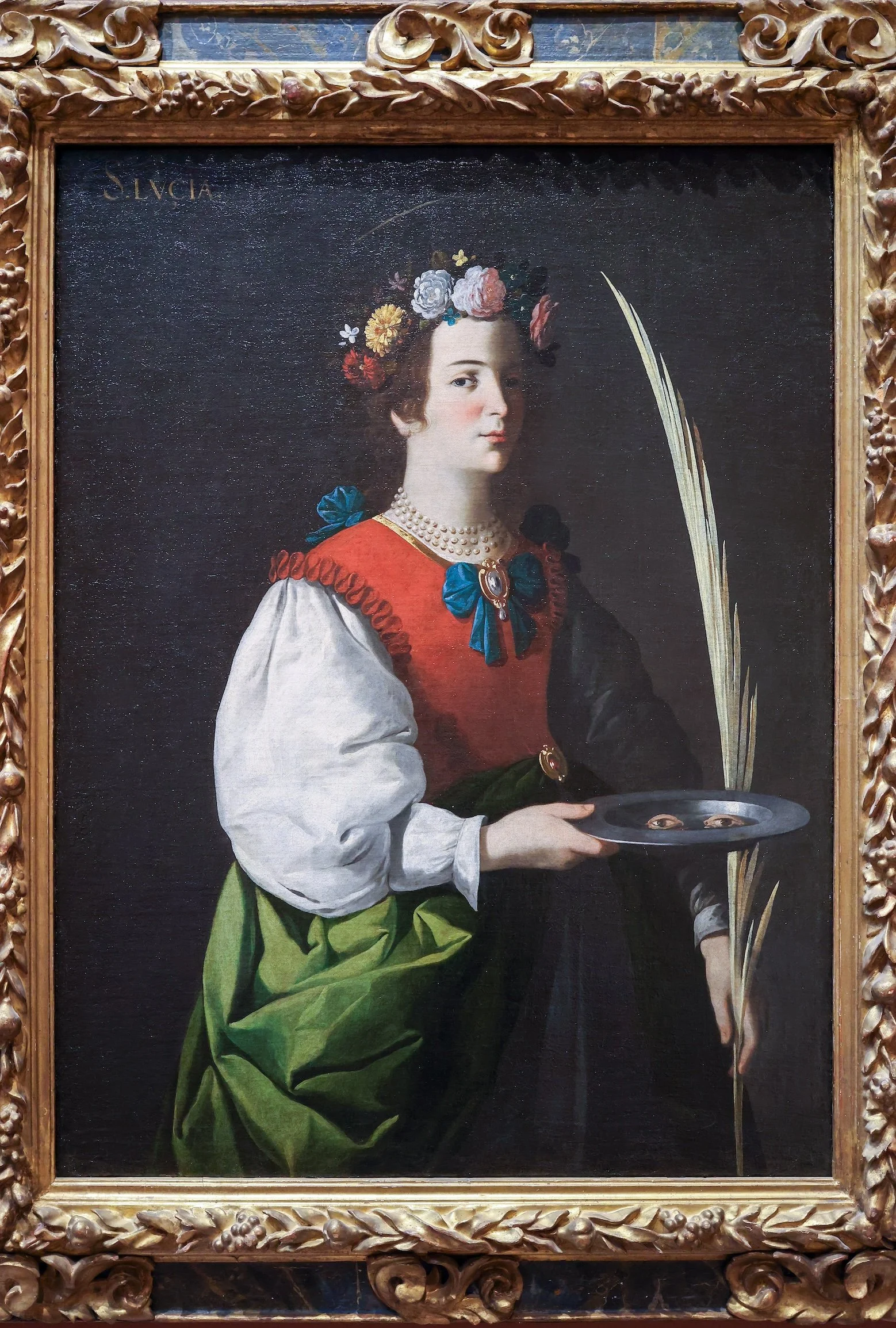
Francisco de Zurbarán's Saint Lucy and Spanish Baroque Realism
Francisco de Zurbarán's Saint Lucy is a notable example of Spanish Baroque realism from 1625–30.