

Ancient Japan
Jomon, Yayoi, and Kofun periods

From tomb mounds to pottery, the art of ancient Japan is the primary way we understand the period before 538 CE
Jomon and Yayoi periods
c. 10,500–300 BCE and 300 BCE–300 CE
Japan’s Neolithic period is associated with Jomon Culture, known for its ceramics. In the Yayoi period, ceramics continued to be important, and metallurgy was introduced.
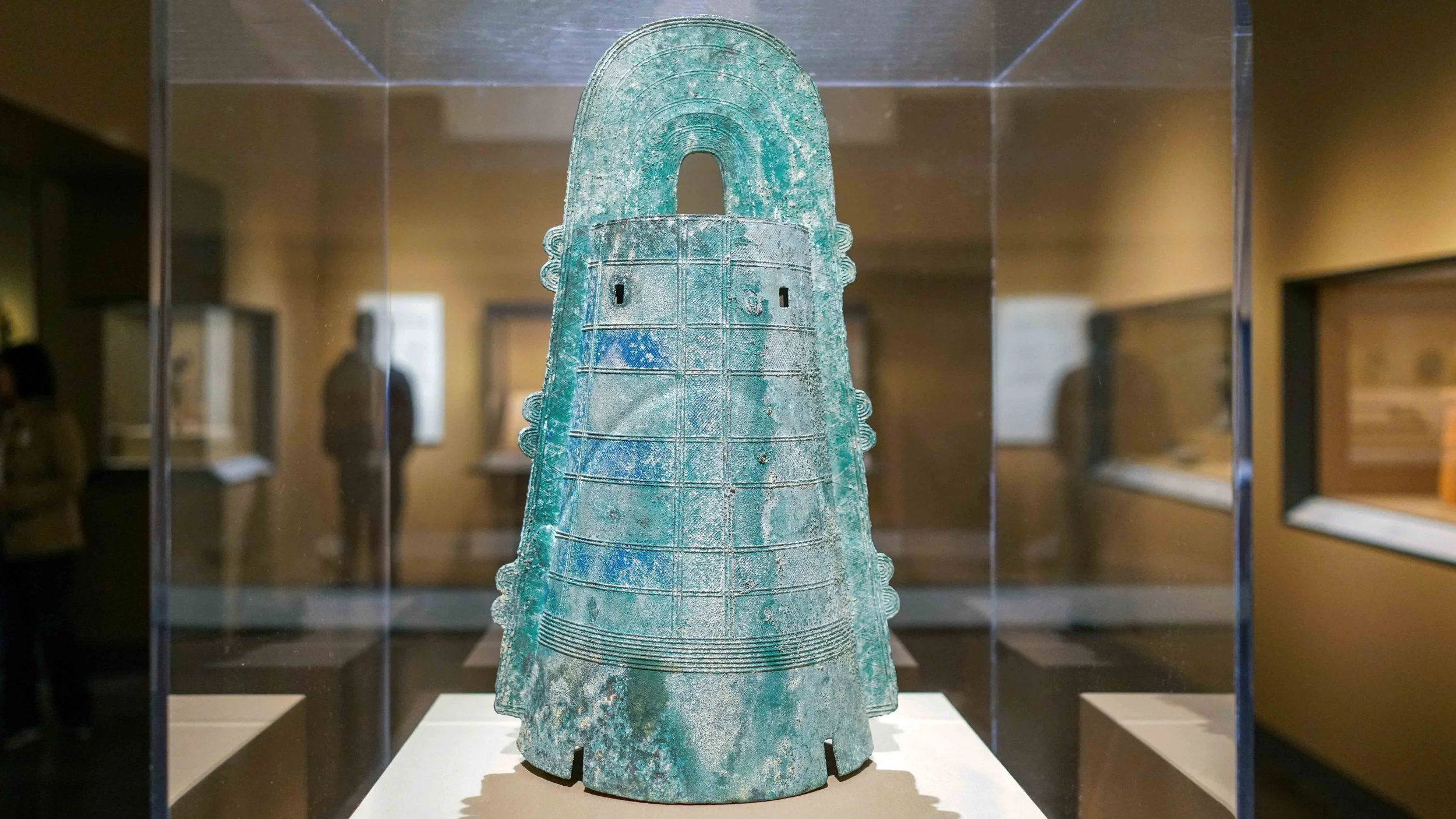
VIDEO: Dotaku (ritual bronze bells)
Important terms and concepts
Jomon period
Yayoi period
dotaku
bronze
Kofun period
300-538 CE
Named after the large tomb mounds constructed during this period

VIDEO: What is a haniwa?
VIDEO: More about Haniwa and the ancient tombs of Japan
Important terms and concepts
Kofun period
Haniwa
Earthenware
Coiling method
Related Resources
Explore Continents