
You probably know at least one Japanese woodblock print. It shows up on mugs, phone cases, tote bags, and socks. It's Hokusai's Under the Wave off Kanagawa, better known as The Great Wave. This print is just one image from an entire world of Japanese art that's surprising and much more approachable than you might imagine.
If you've ever stood in front of a Japanese print in a museum and wondered what you were looking at, who made it, or why it looks the way it does, our free online mini-course, “The Floating World: Japanese Prints of the Edo Period,” is for you.
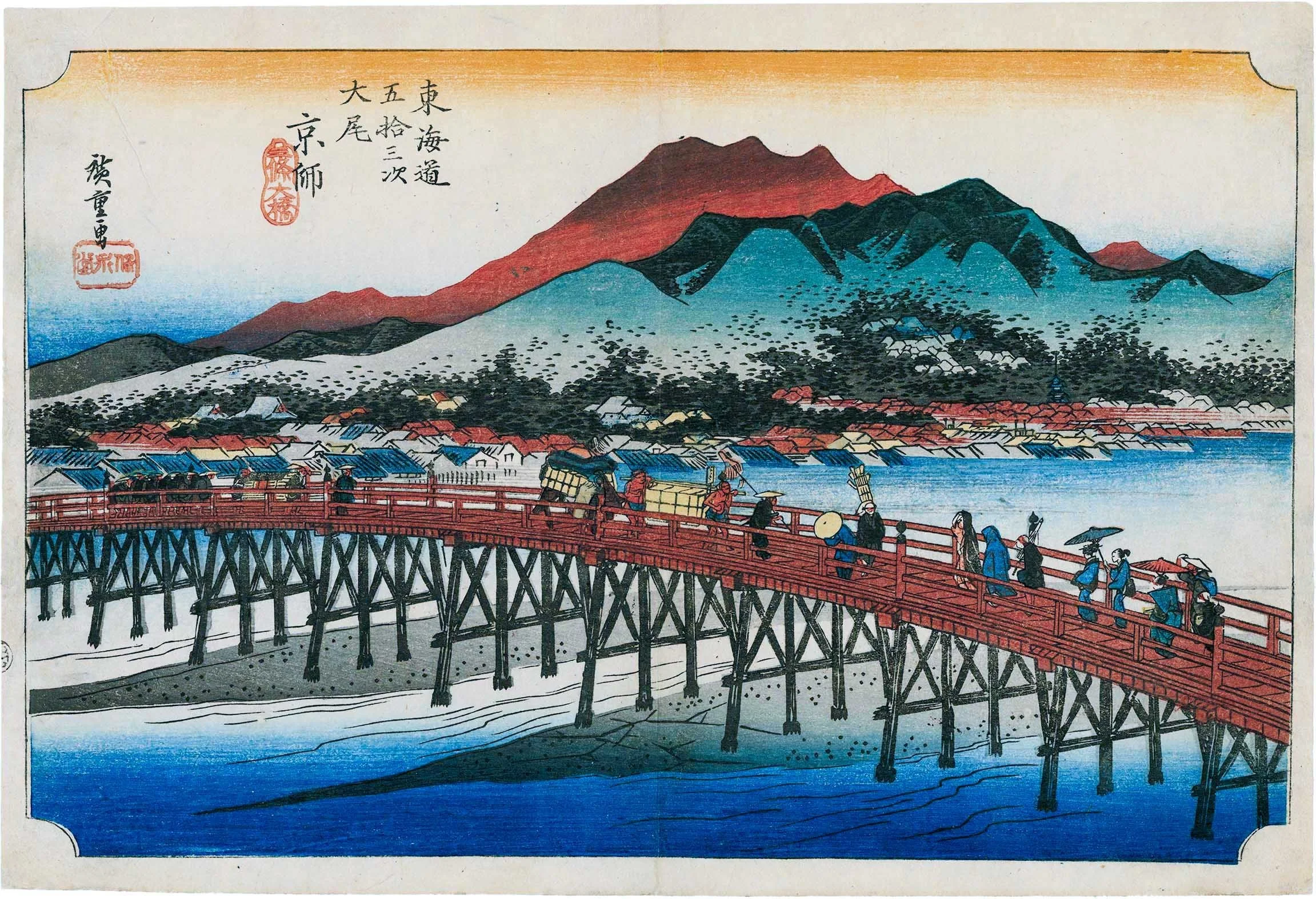
What are Japanese woodblock prints?
Japanese woodblock prints are images made by carving a design into woodblocks, inking them, and pressing paper onto them by hand. During the Edo period (1615–1868), printmaking took off in Japan's booming cities, especially Edo (today's Tokyo).
The most famous kind of Japanese print is called ukiyo-e, which means "pictures of the floating world." The floating world was the lively urban culture of Edo: kabuki theater, actors, fashion, entertainment districts, festivals, and travel. It was about enjoying the pleasures of the moment, drifting along like a gourd on a river. Ukiyo-e prints captured that world and sold it right back to the people living in it.
Meet the artists
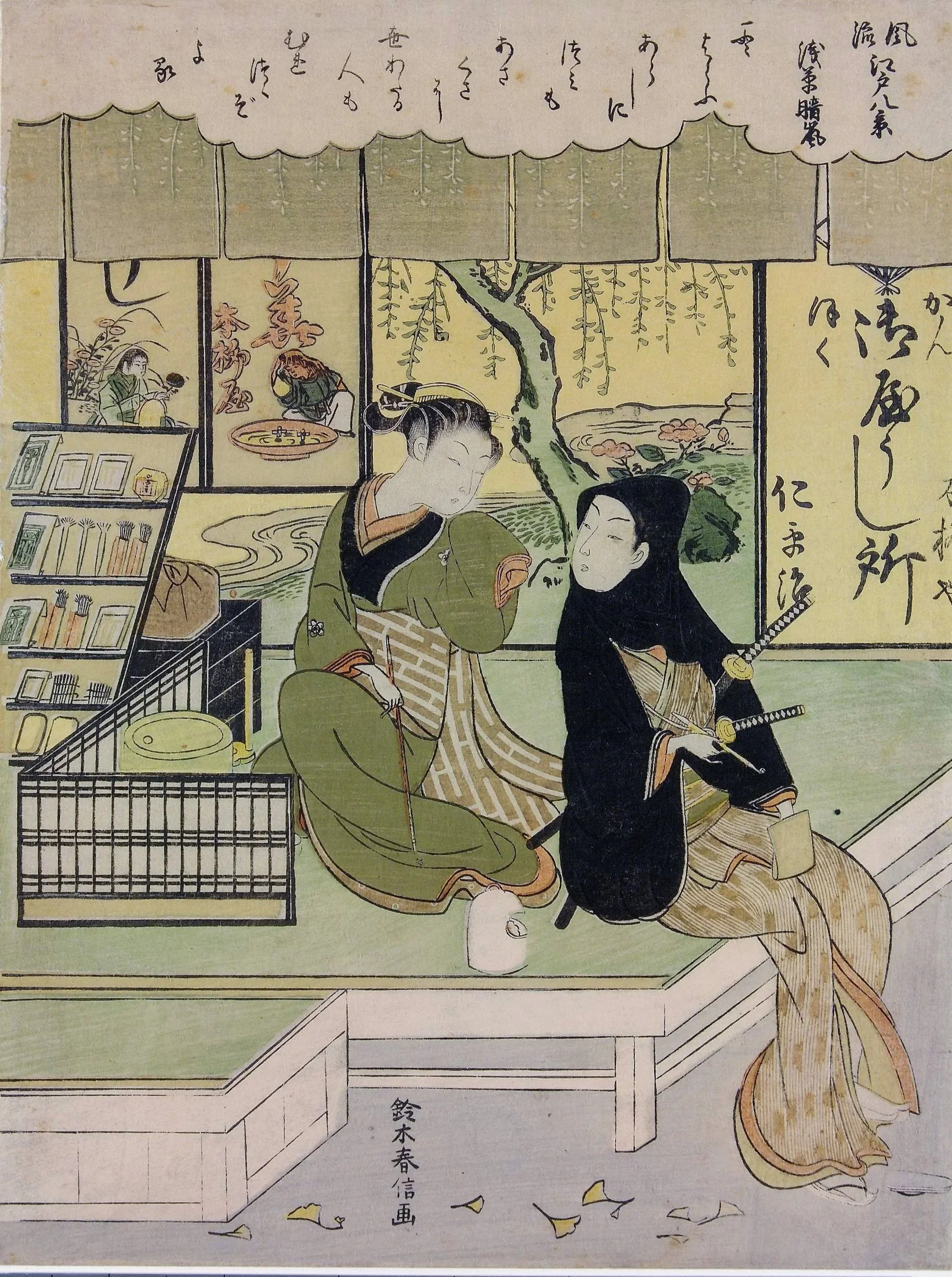
The course introduces you to some of the biggest names in Japanese printmaking and the big changes they helped bring about.
Hishikawa Moronobu and sumizuri-e
Suzuki Harunobu and nishiki-e
Katsushika Hokusai
Utagawa (Ando) Hiroshige
More about the course
The Floating World: Japanese Prints of the Edo Period is a free, short, self-paced online course from ARTSQ. It walks you through an overview of Japanese woodblock prints, from the world of Edo to the artists and techniques that made ukiyo-e famous, and finally to how these prints inspired artists around the globe, such as Claude Monet and Vincent van Gogh.
Here's what you'll explore:
Introduction to the course and your guide
The Tokugawa/Edo Period: setting the stage
The Floating World: an introduction to ukiyo-e
Hishikawa Moronobu and Sumizuri-e: black-and-white woodblock prints
Suzuki Harunobu and Nishiki-e: the arrival of full-color prints
Hokusai's Thirty-Six Views of Mount Fuji: one of the most famous print series ever made
Ando Hiroshige and Meisho-e: pictures of famous places
The Afterlives of Japanese Prints: how ukiyo-e inspired artists worldwide
Each lesson mixes short readings, lots of beautiful videos, and close-looking activities that help you slow down and see what's happening in a print. This class doesn't focus on memorizing dates.
Who is this course for?
Museum-goers who want to feel more confident in front of Japanese art
Lifelong learners who love art and want more than a quick Google search
Travelers heading to Japan (or a museum with a great print collection) who want to get more out of what they see
Teachers and students looking for a clear, engaging introduction to Japanese art
You don't need any art history background. If you can look at an image, you're ready.
Learn more about the course, including frequently asked questions.
Your guide: Dr. Cortney Chaffin Kim
Dr. Cortney Chaffin Kim teaches the course and earned her MA and PhD in East Asian Languages and Civilizations at the University of Pennsylvania. She specializes in the art and archaeology of Asia, and one of her favorite classes to teach is a semester-long course on Japanese prints. This mini-course distills that experience into something you can enjoy on your own schedule.
Start exploring the floating world
Japanese prints are some of the most delightful works of art ever made. Give yourself the opportunity to get to know them. We promise that you’ll never look at The Great Wave the same way again.