

Fan Kuan, Travelers Amid Mountains and Streams
Explore a monumental ink painting on silk titled Travelers Amid Mountains and Streams by Northern Song dynasty artist Fan Kuan.

What is a Nazca Double-Spout and Bridge Vessel?
Learn about Nazca ceramics, specifically double-spout and bridge vessels.

What is a mural?
Explore murals featuring the incredible work of early 20th-century artist José Clemente Orozco in Mexico City.

Introduction to the Birth of the Buddha and Queen Maya
How was the birth of the Buddha shown in art?

Introduction to Crowned Nun Portraits (monjas coronadas)
Some of the most famous 18th-century colonial Mexican paintings are the stunning monjas coronadas (crowned nuns).

Equestrian portraits explained
How would you like to be remembered? This is a key question for anyone having their portrait created, including the ancient Roman Emperor Marcus Aurelius on horseback.

Chinese Music for the Dead: The Marquis Yi of Zeng’s Bells
In the 1970s, archaeologists in China made one of the most impressive archaeological discoveries in world history from the tomb of a marquis (the Marquis Yi of Zeng) who lived and died in south China in the 5th century BCE.
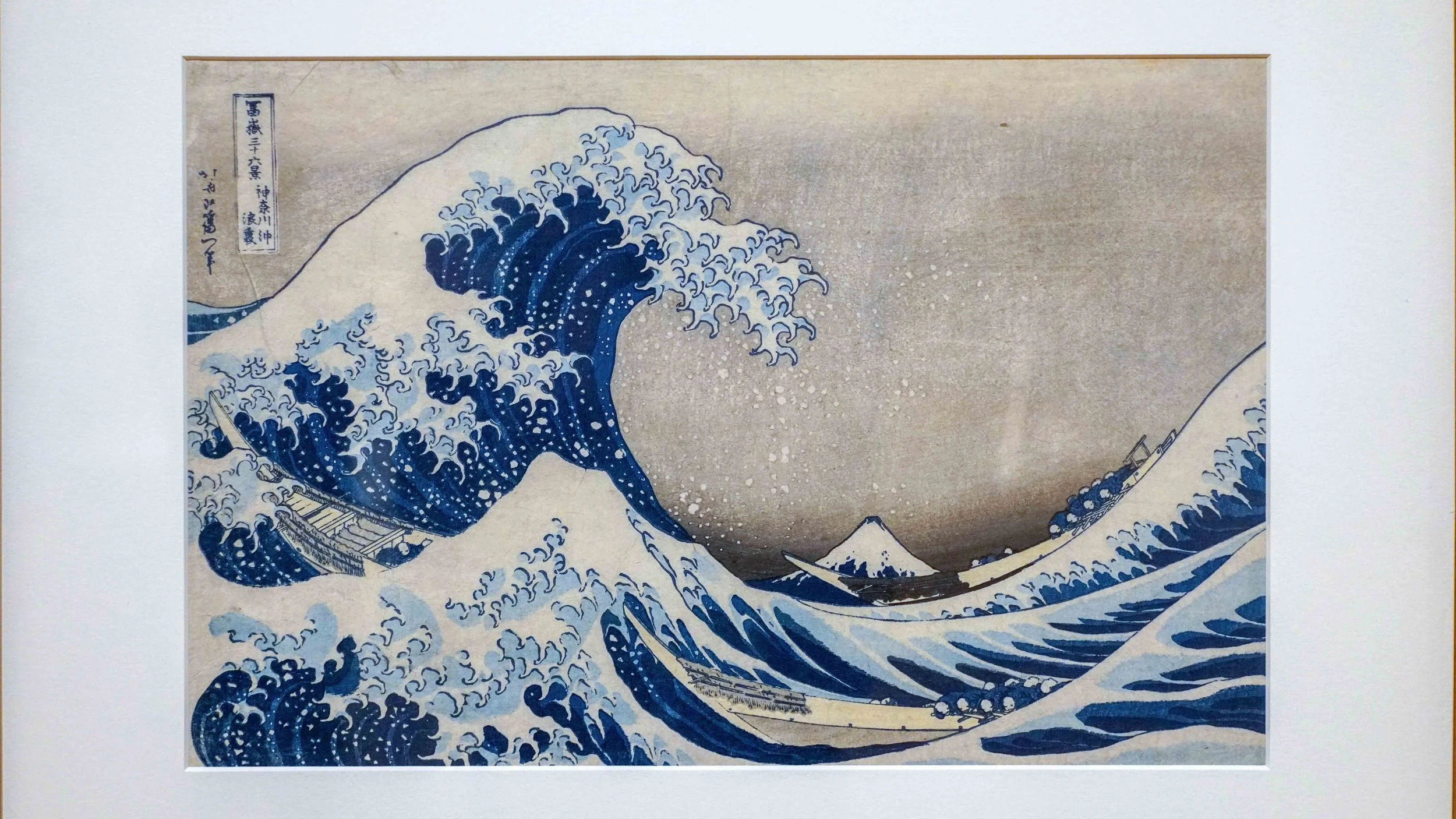
Getting to know Hokusai’s The Great Wave
Hokusai’s The Great Wave print isn’t just famous in Japanese art, but it is one of the most recognizable images in the history of art worldwide!

A symbol of Heaven? A Chinese jade bi disk
What can a jade disk crafted in Neolithic China tell us about the cosmos? These circular disks may be connected to early Chinese views of the universe that consisted of a square Earth and a round (circular) canopy that represented Heaven.
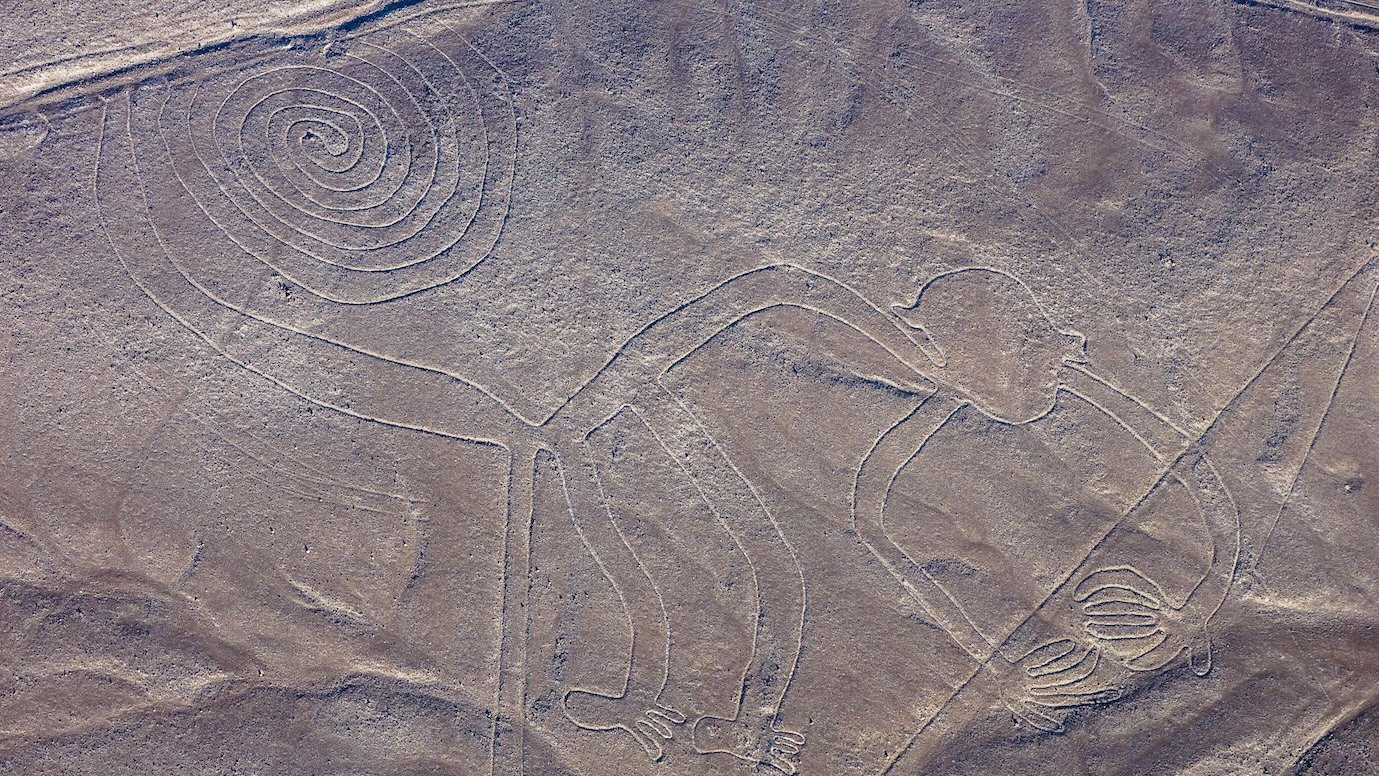
The Nazca Lines in Ancient Peru
Learn about the famous Nazca Lines, ancient geoglyphs in Peru.

The death mask of the most famous ancient Maya king
When archaeologists managed to slide the lid off a sarcophagus and look inside, they found Pakal’s body covered in jade ornaments. A jade mask covered Pakal’s face. And all of these helped to transform him into the Maize God!
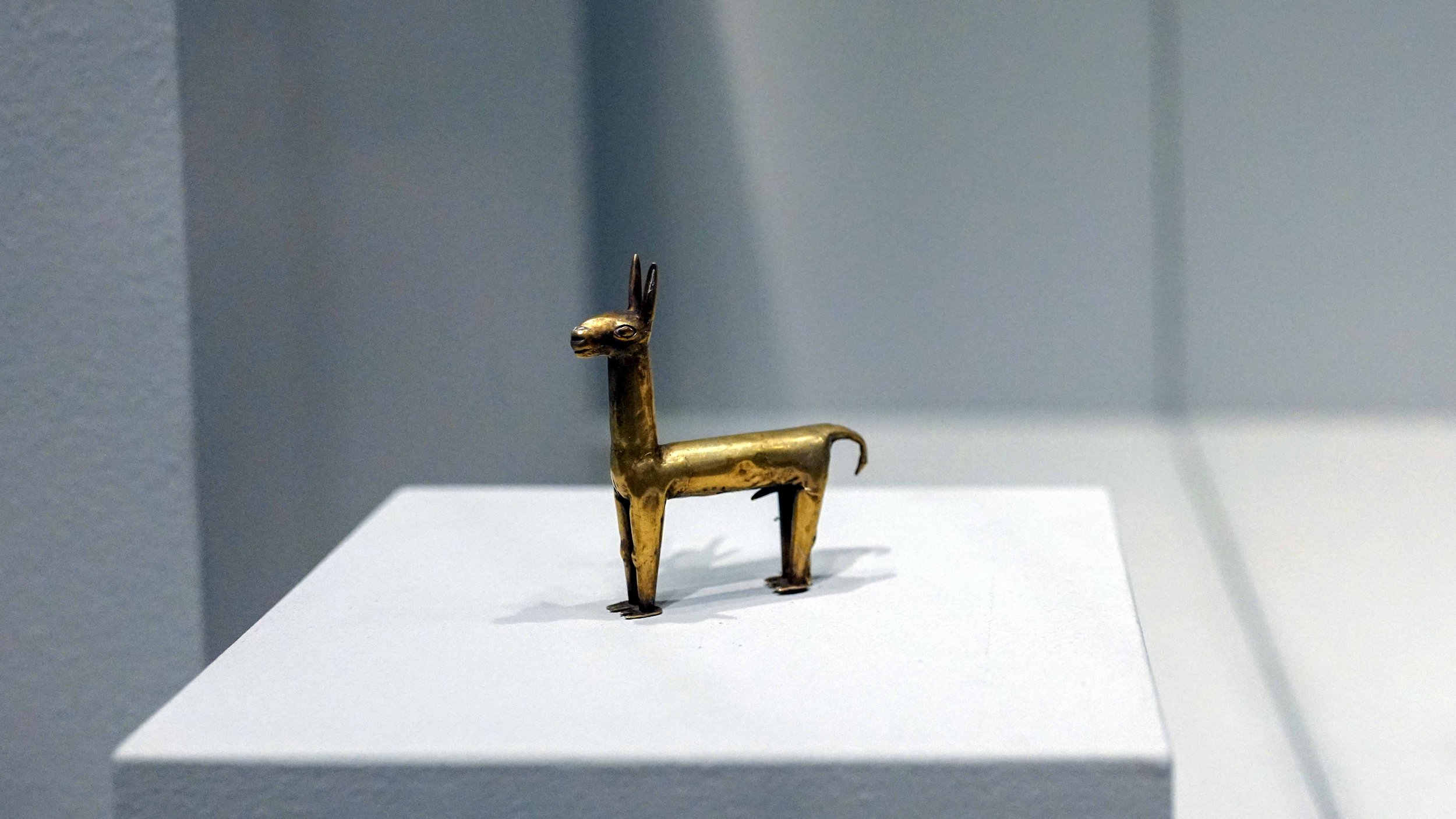
Little luxurious llamas in the Inka Empire
Golden and silver llamas made by Inka artists more than 500 years ago in South America are tiny and shiny. These cute figurines give us some insight into the powerful and massive Inka Empire, which had about 12 million people in it at its height!

Tlatilco culture and an ancient fish figurine in Mesoamerica
Dive into the captivating world of ancient Central Mexico with a vibrant figurine showing a fish!

Bones and the Zapotec at ancient Monte Albán | Mesoamerican Art
Get to know a little about bones in art and ancient Zapotec culture at Monte Albán in Oaxaca, Mexico.
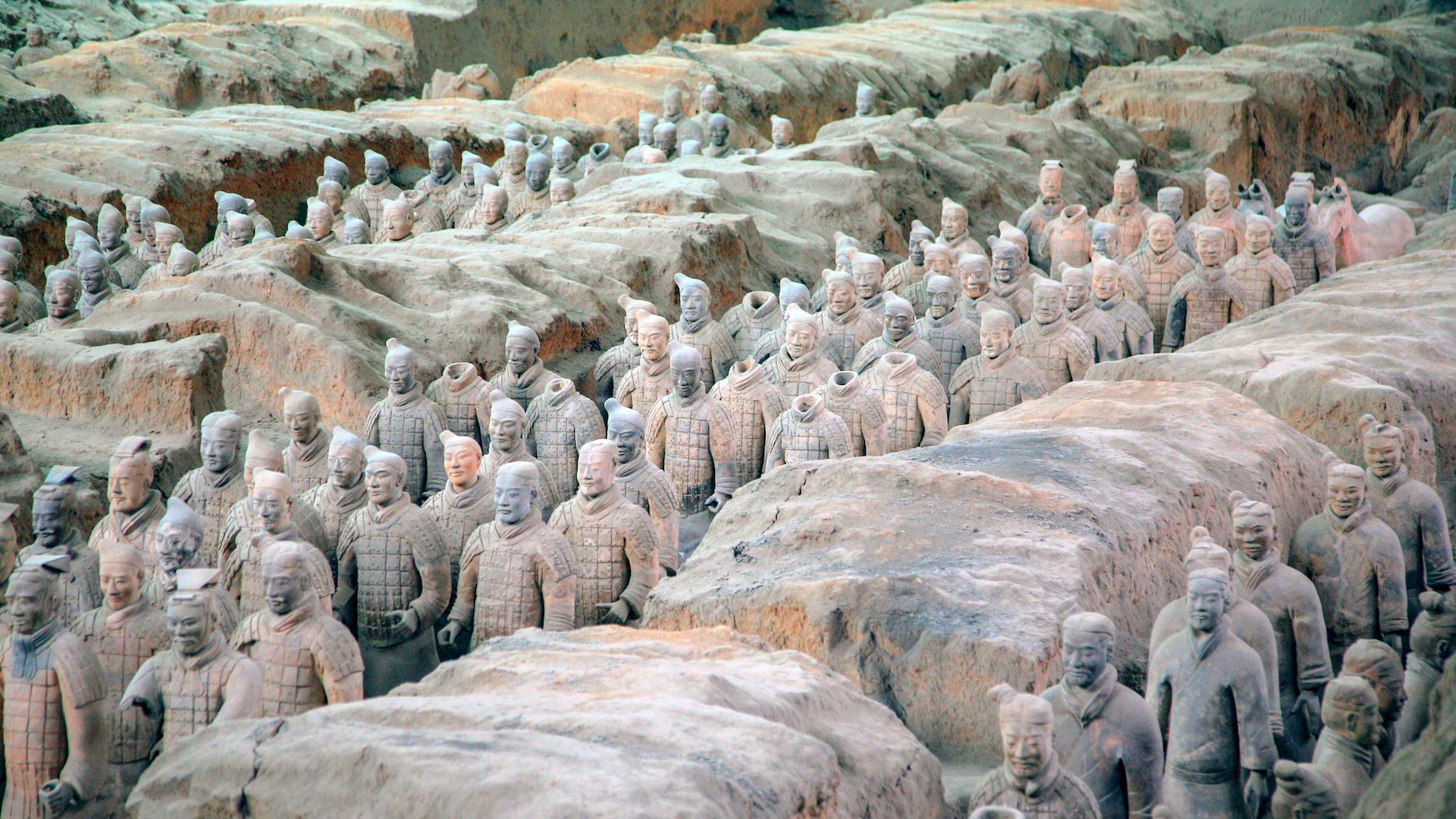
The Illusion of the Terracotta Army, Tomb of the First Emperor of China
The tomb of the First Emperor of China, who died in 210 BCE, was never excavated, but in the 1970s three pits were found nearby that contained a terracotta army! These pits contained over 8,000 life-size terracotta warriors lined up in trenches in military formation.
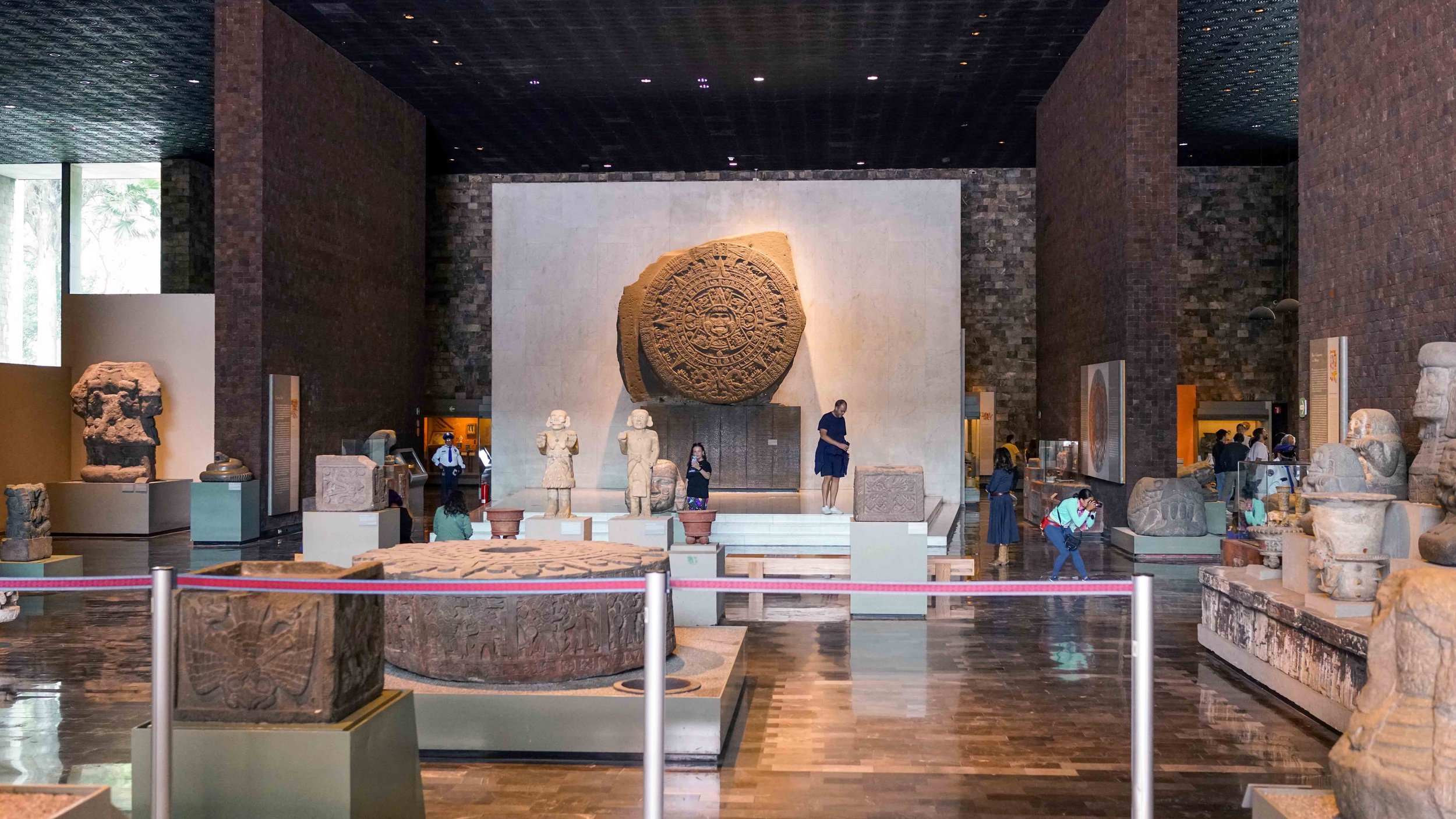
The most famous Aztec artwork: The Sun Stone or “Calendar Stone”
The most famous Aztec artwork—the “Calendar Stone” or Sun Stone, today in Mexico City’s National Museum of Anthropology

A journey into paradise at the Phoenix Hall in Japan
Travel back in time to explore the Phoenix Hall at Byōdō-in Temple in Uji, Japan and Pure Land Buddhism. Learn about the origins of this magnificent temple and how it symbolizes the teachings of Buddhism.
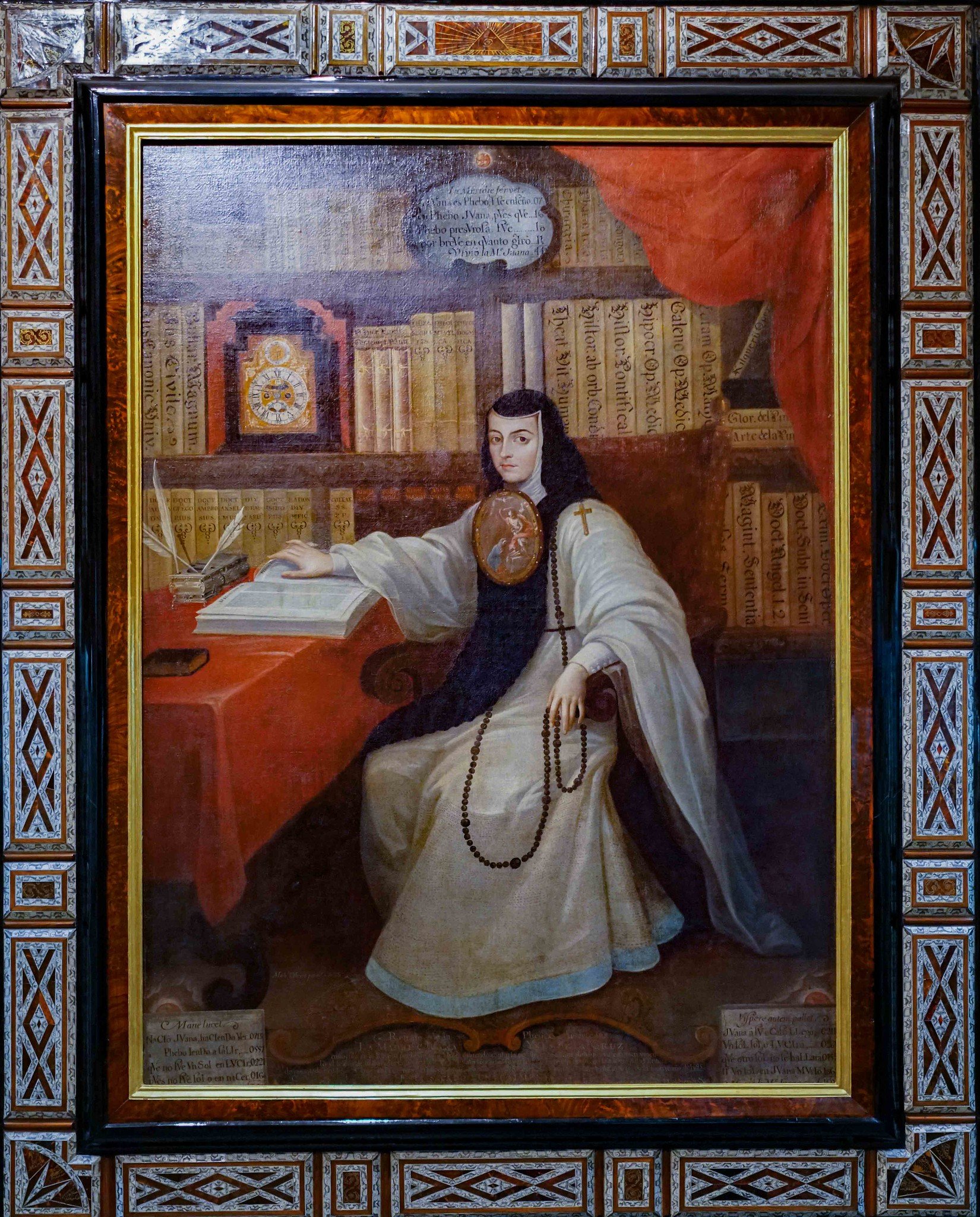
Famous paintings everyone should know: Miguel Cabrera’s Sor Juana Inés de la Cruz
It's a painting everyone should know but probably doesn't! The portrait of Sor Juana Inés de la Cruz was painted by the most famous artist of New Spain (colonial Mexico) in the 18th century.
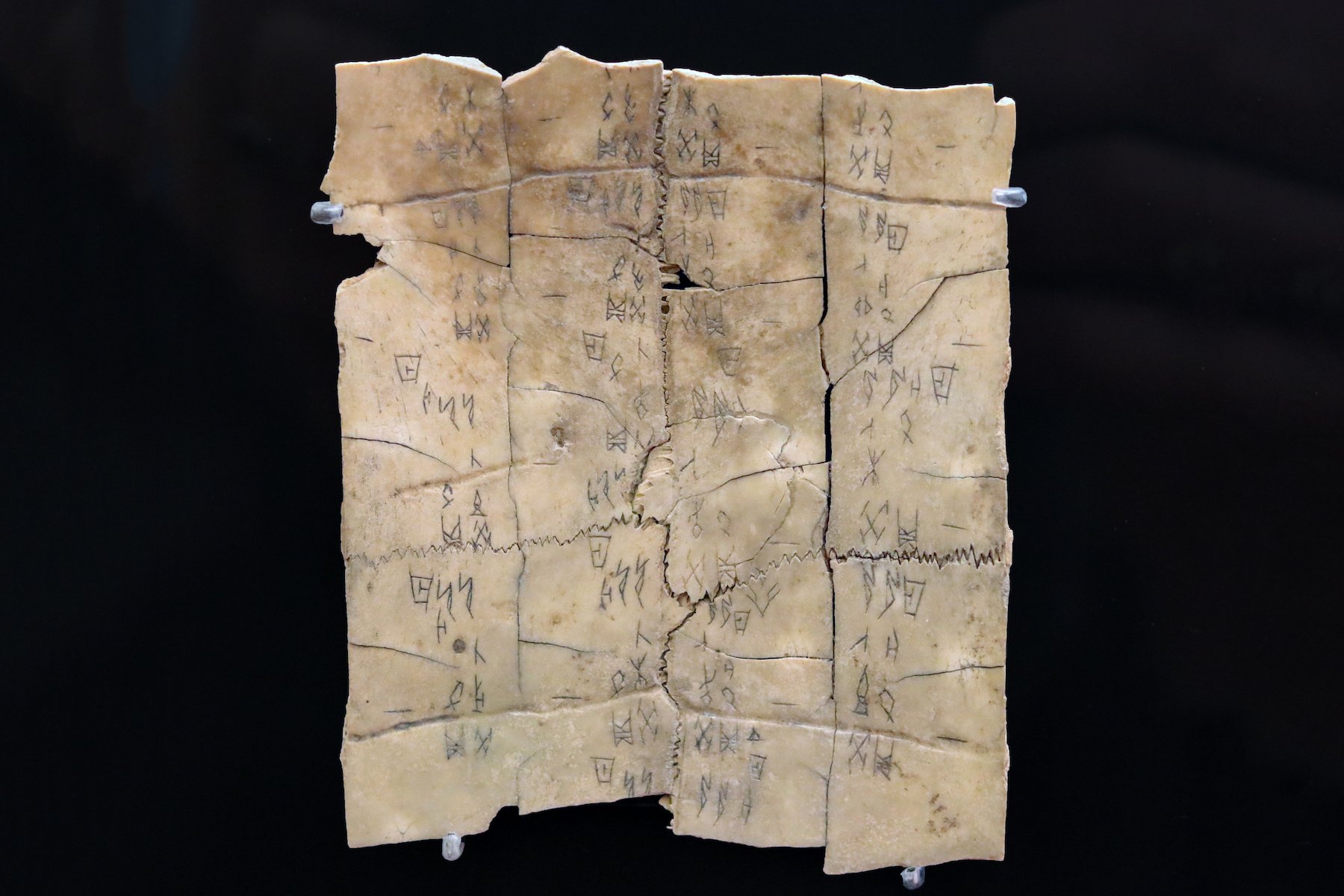
Predicting the future with turtle shells
How did ancient Chinese kings predict the future with turtle shells? Why did Shang dynasty king Wu Ding use turtle shells and animal bones to resolve his terrible toothache?