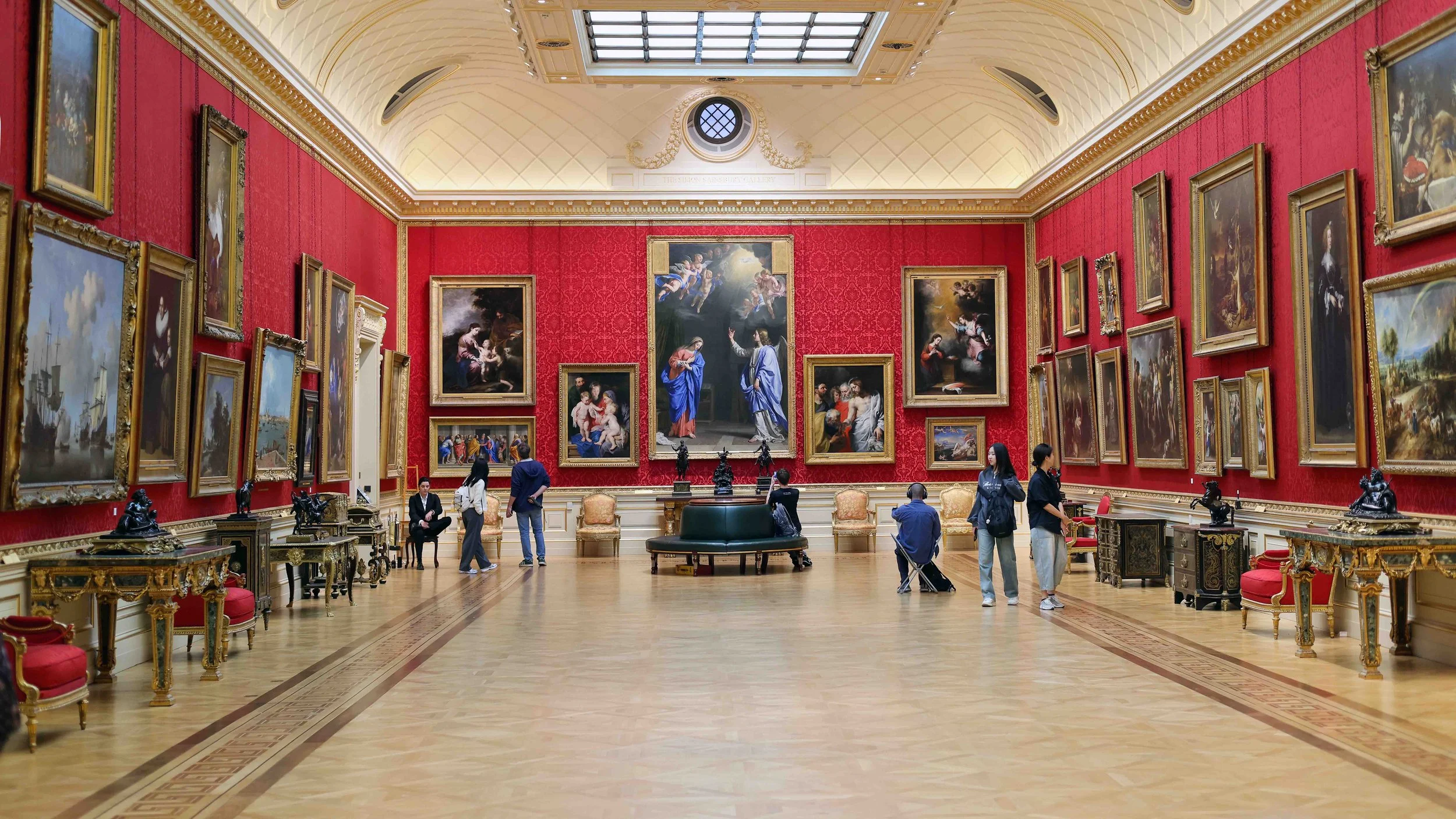
The Wallace Museum, London
Have you ever walked through a museum, stopped in front of something amazing, and thought, "I wish I knew what I was looking at"? You're not alone. Art history can feel like an elitist club with a secret handshake. Big, confusing words; way too many dates; and an assumption that you already know the basics, like pronouncing people’s names and art movements.
We’ve spent decades in classrooms, and we want to make art history more accessible. Art history is really about people and their stories: what they made, why they made it, and what it meant to them. We think anyone can learn to understand that. That is one reason we created ARTSQ's online art history courses.
What makes ARTSQ courses different?
They're made for real people.
You don't need any background in art or history. If you can look at an object or a building, you're ready.
They're self-paced.
Watch or listen to a lesson on your lunch break, binge a whole module on a rainy Sunday, or come back months later to re-learn. Every course comes with lifetime access.

They cover the whole world.
Lots of art history courses start and end with Europe. Ours travel across Asia, the Americas, and beyond, because amazing art has been made everywhere, by everyone, for a very long time.
They're taught by experts.
An art historian with a PhD creates every course. In other words, people who have spent years teaching in universities and museums and who genuinely love sharing what they know in an engaging, accessible way. We’ve all had years to refine what we teach and how we teach it.

They teach you how to look.
Our lessons mix short videos, readings, and lots of images with hands-on activities that help you slow down and look closely at works of art. The goal isn't memorizing dates or names. It's building skills and knowledge you can take into any museum, archaeological site, or building anywhere.
They're family-friendly.
Most of our courses work for curious teens and adults, so they're great for homeschoolers, teachers, and families who like learning together. (We note it clearly if a course isn't or try to help people determine if the content is right for them.)

Start here! Our free mini-course about Japanese prints
The best way to see what ARTSQ is all about is to try our free mini-course: The Floating World: Japanese Prints of the Edo Period
The class introduces you to the colorful world of Japanese woodblock prints, from black-and-white examples to full-color prints like Hokusai's The Great Wave and Hiroshige's landscapes. You'll also see how these prints traveled to Europe and inspired artists like Vincent van Gogh. Your guide is Dr. Cortney Chaffin Kim, a specialist in Asian art and archaeology.
The mini-course takes about two hours; it's completely free, and it's yours forever.
Coming soon!
We're busy building more courses, and here's a sneak peek at what's on the way.
Learning to Look is our core course for beginners. It gives you the tools to analyze any work of art: how to describe what you see, think critically about it, and make connections across time and place.
Learn more about Learning to Look
The Americas
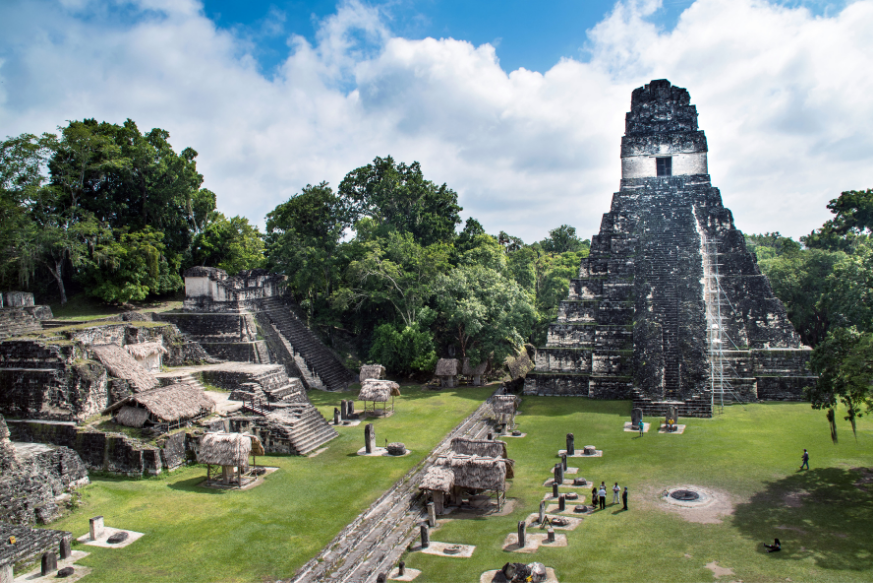
Ancient Maya Art and Architecture. A crash course in the cities, temples, sculptures, and painted vessels of the Classic Maya of Mesoamerica, and what they tell us about the people who made them.
Women in Maya Art: Power and Ritual. Meet the queens, noblewomen, and everyday people of the ancient Maya world through the art that represented them.
Art of the Ancient Andes. A journey through thousands of years of Andean art, from early ceramics and textiles to the Inka.
The Art and Life of Frida Kahlo. Go beyond the famous self-portraits to understand the artist, her world, and the stories behind her paintings.
Asia
Early Buddhist Art of South Asia. Explore some of the earliest Buddhist art ever made, from monumental stupas to the first images of the Buddha, and discover how artists told his life story.
Death and Material Culture in Ancient China. A journey through thousands of years of ancient Chinese art, from the Neolithic through the Han dynasty, focusing on what has been found in tombs.
Asia
Italian Renaissance Art. A crash course in the cities, buildings, sculptures, and paintings of the Renaissance across the Italian Peninsula, and what they tell us about the people who made them.
Want to know the moment a new course opens? Join our newsletter, and you'll be the first to hear. (No spam, ever.)
Who are ARTSQ courses for?
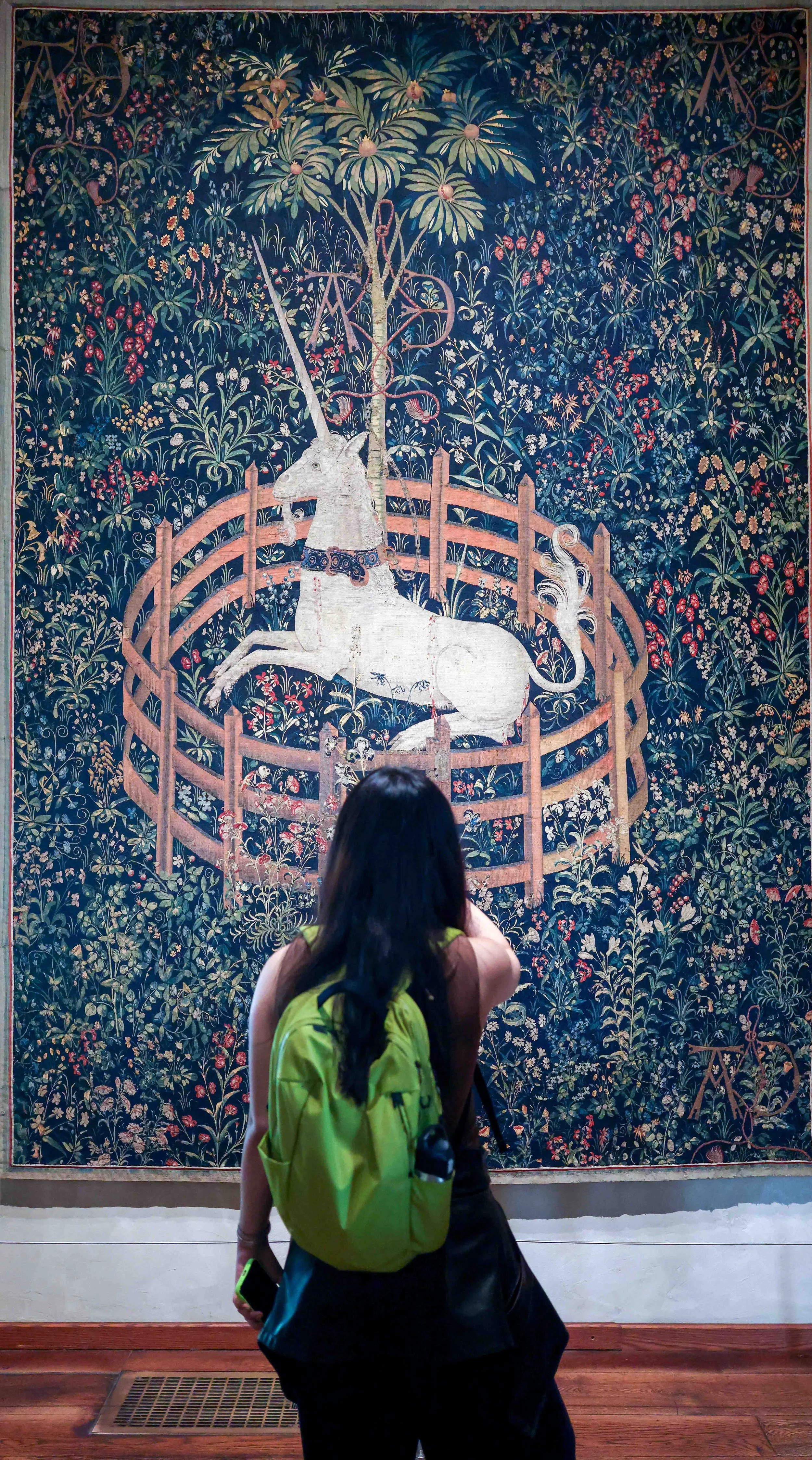
Museum-goers who want to feel more confident in front of art
Lifelong learners who love art and want more than surface-level reactions
Travelers who want to understand the places and art they're about to see
Teachers and homeschool families looking for engaging, research-based lessons
Students who want a clear, friendly way into art history