
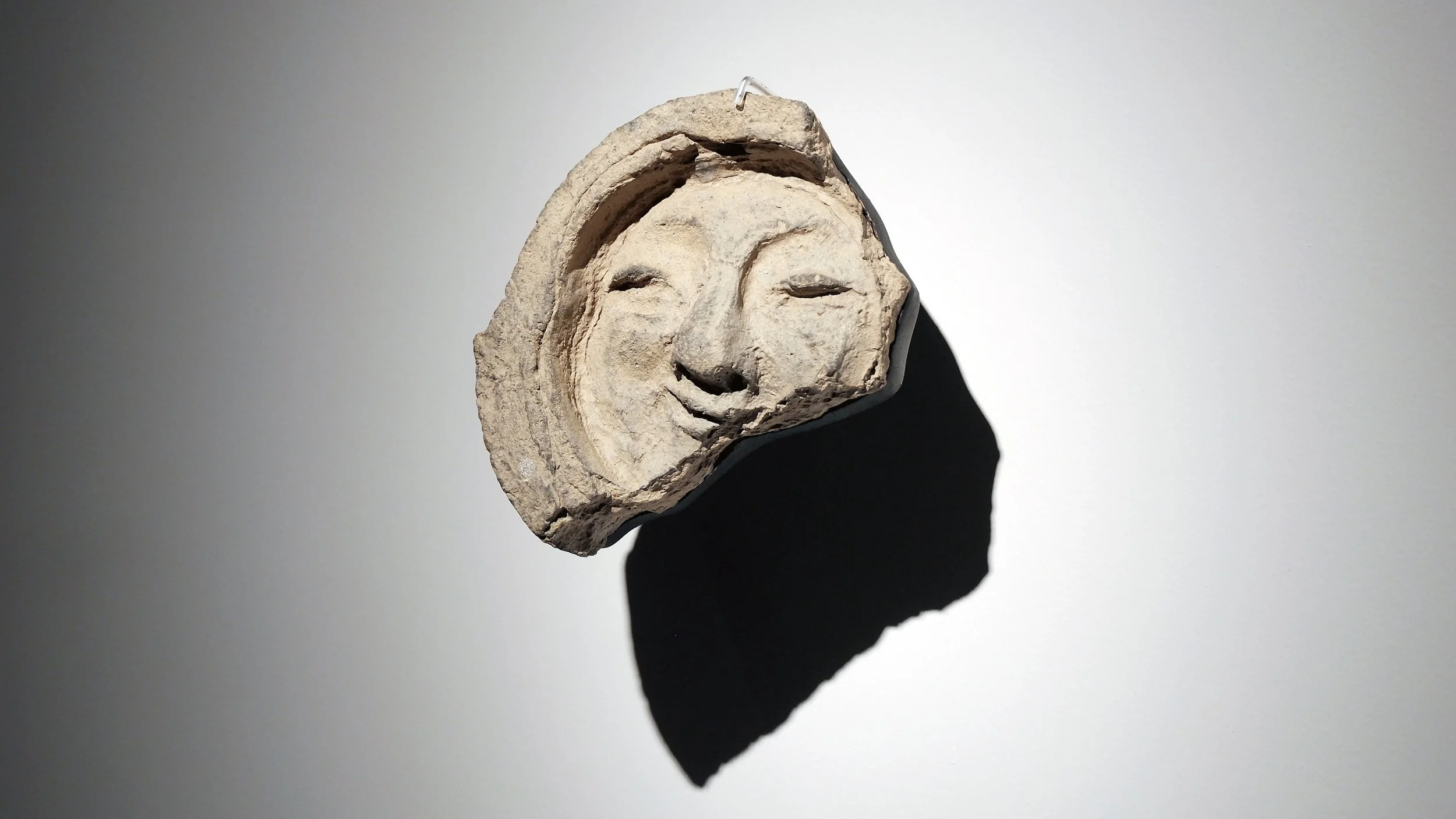
Smile of Silla
This video explores the iconic “Smile of Silla,” a roof-end tile dating to the 7th century and designated a National Treasure in South Korea.

Cenotes in the Ancient Maya World
How did the ancient Maya survive in the arid Yucatán Peninsula?
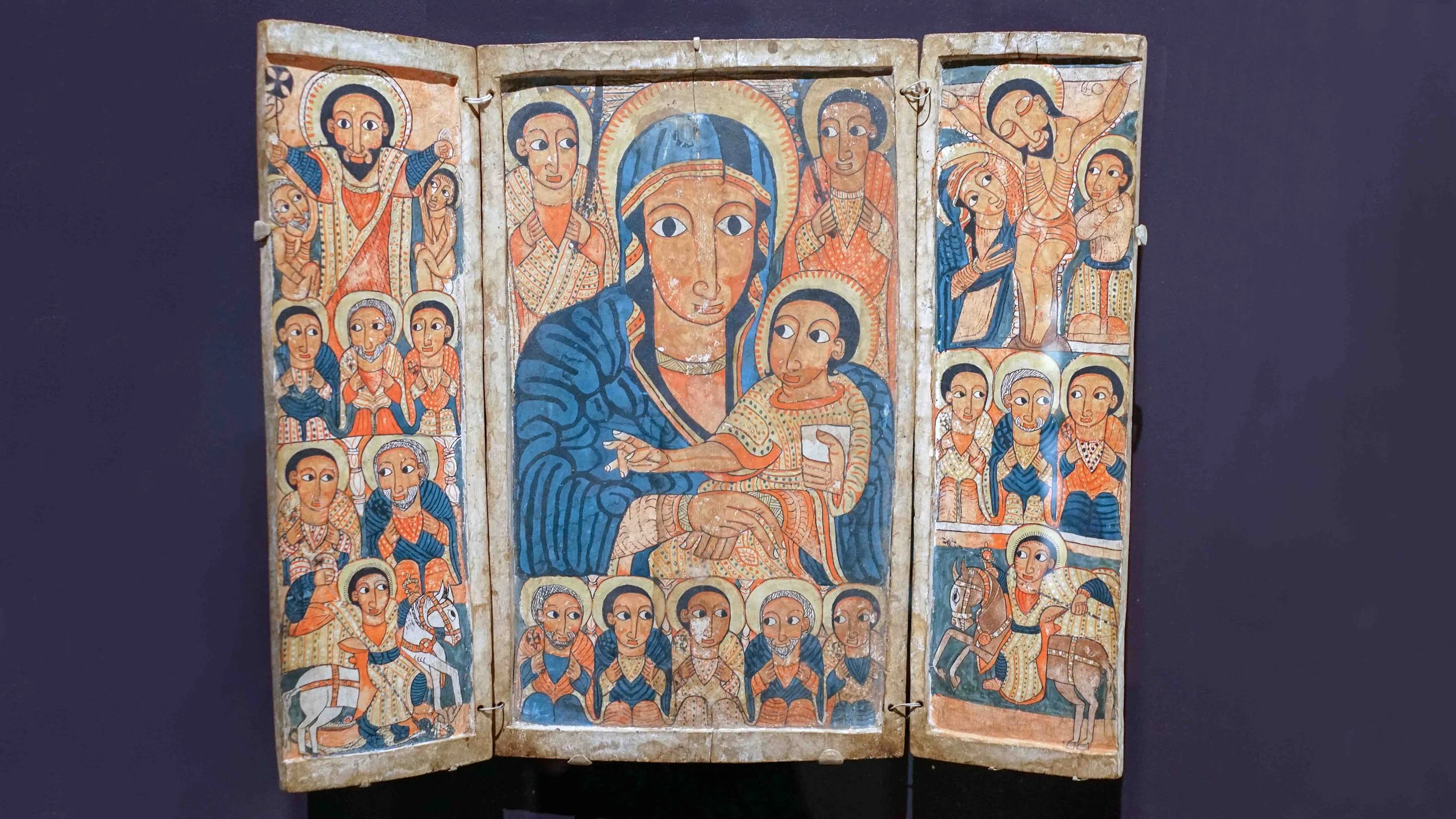
Diptych, triptych, polyptych—what’s the difference?
In art history, there are terms for artworks made of multiple panels, such as diptych, triptych, and polyptych. What do they mean?
August Calendar Page in the Très Riches Heures du Duc de Berry
A calendar page from the famous medieval manuscript, the Très Riches Heures du Duc de Berry, focuses on falconry in August.
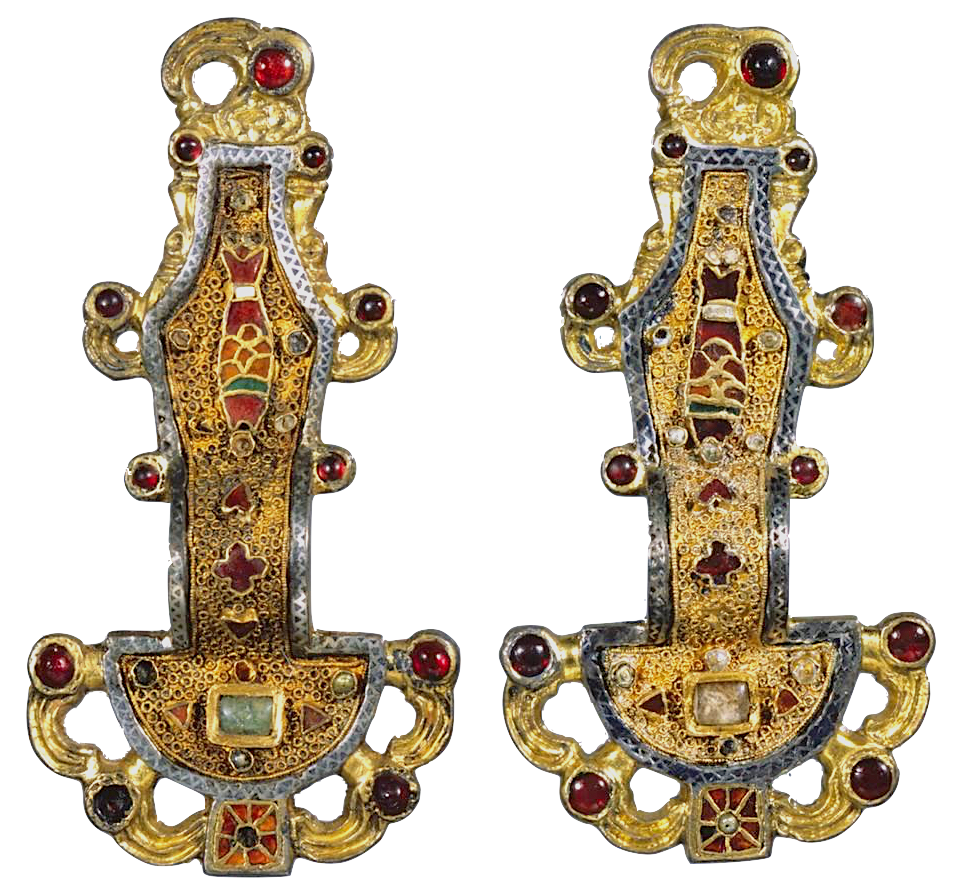
Medieval Fibulae
Fibulae (singular: fibula) are most commonly associated today with the medieval Germanic tribes migrating across Europe in the 5th to 7th centuries, but they were not unique to these groups.
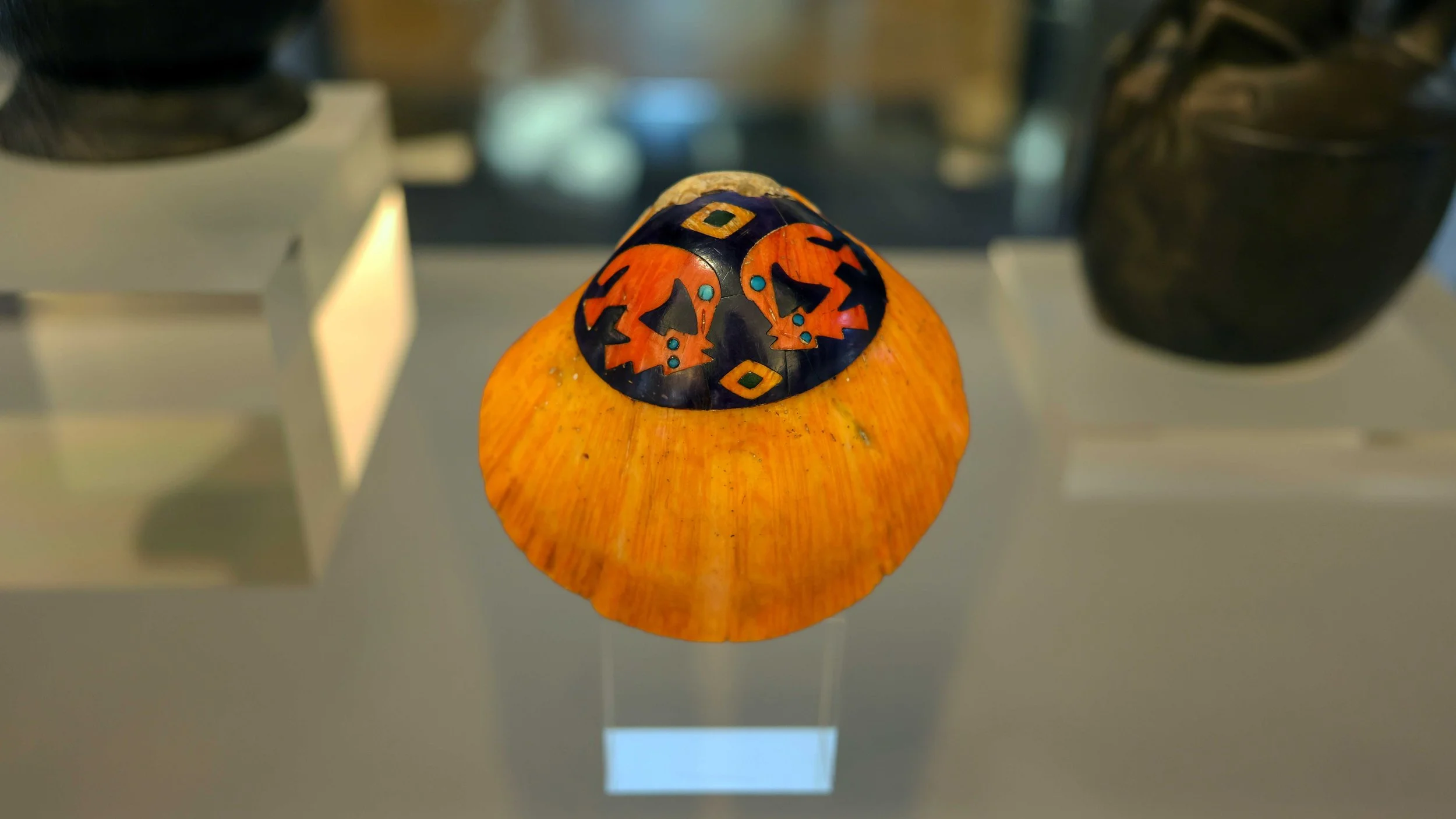
Spondylus Shell in the Kingdom of Chimor in the Ancient Andes
The Chimú kingdom of Chimor thrived along the coast of what is now Peru, growing wealthy in part because of the Spondylus shell.
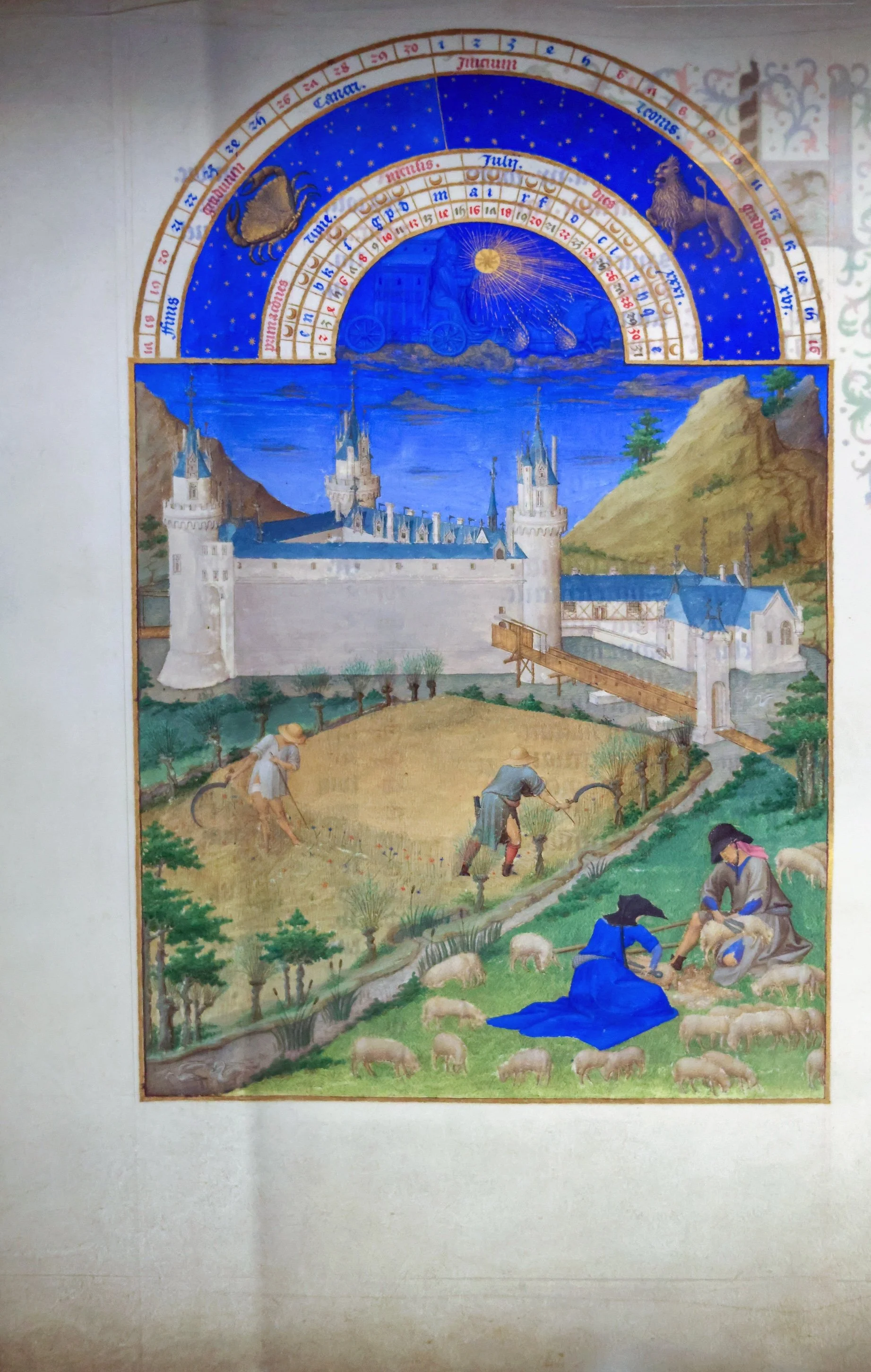
July Calendar Page in the Très Riches Heures du Duc de Berry
A calendar page from the famous medieval manuscript, the Très Riches Heures du Duc de Berry, focuses on peasants harvesting wheat and shearing sheep during July and also shows the Palace of Poitiers in France.
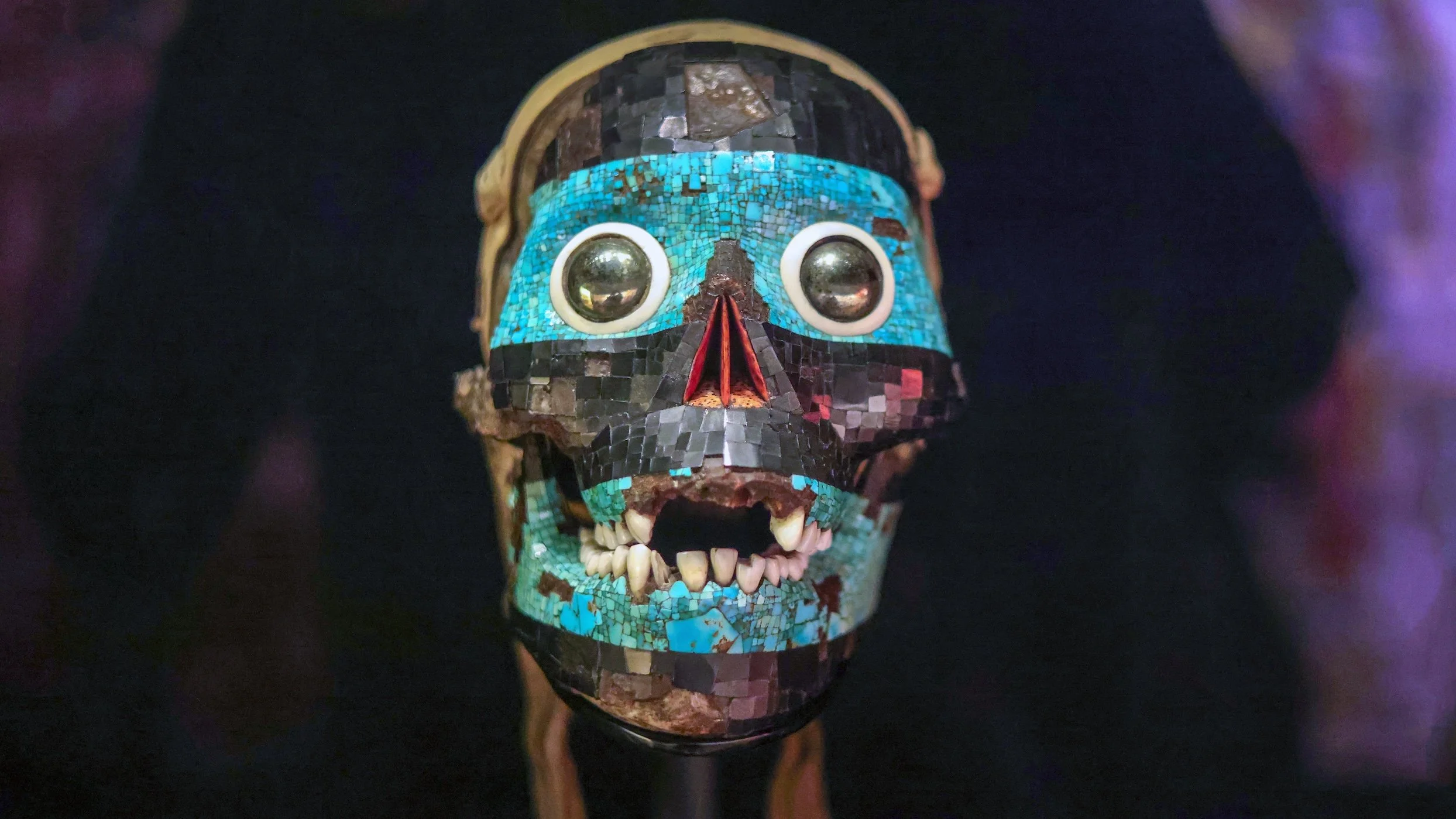
Tezcatlipoca: Identifying Aztec Deities
Learn how to identify the Aztec (Mexica) god Tezcatlipoca ("Smoking Mirror") in art.
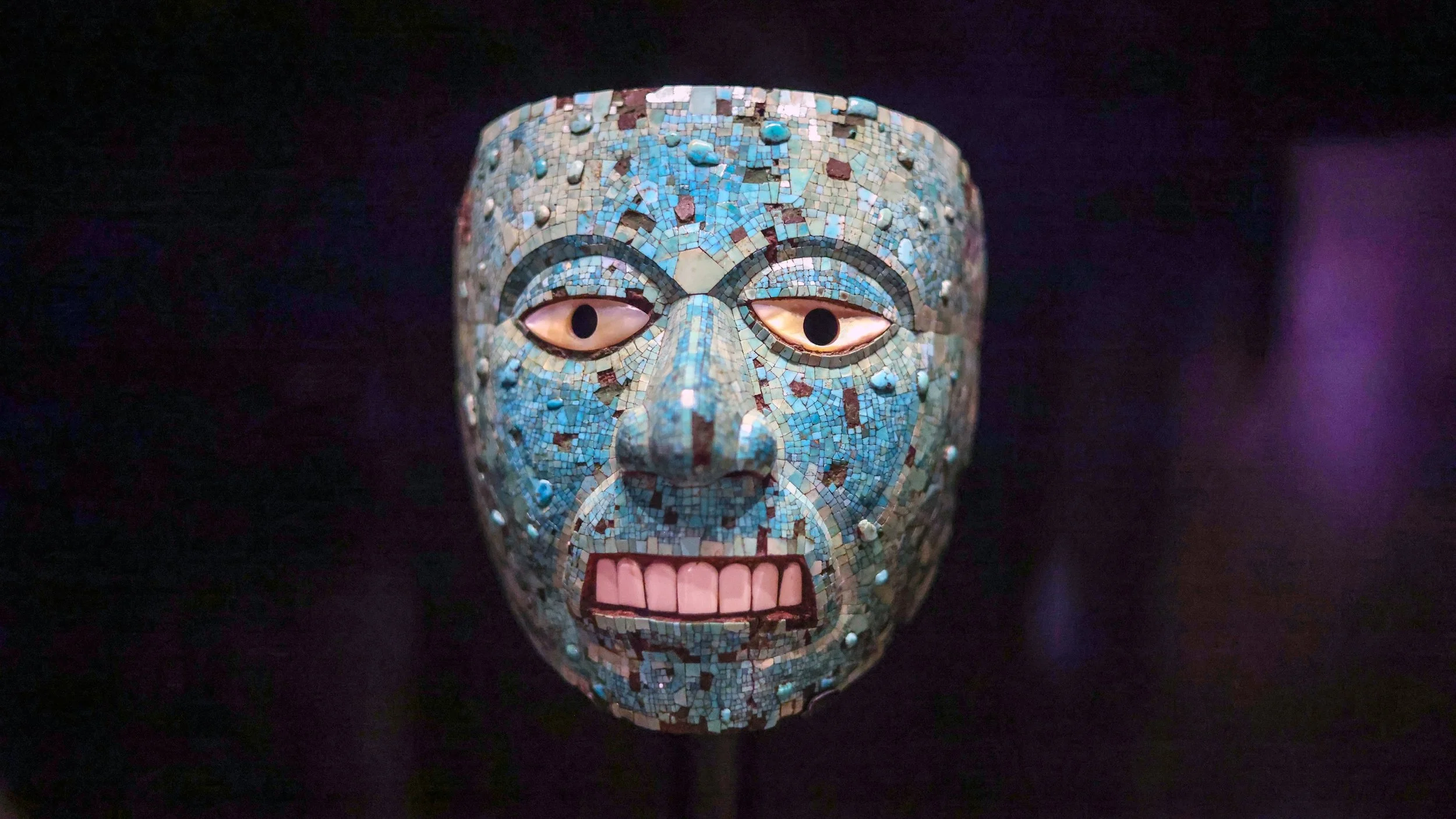
What is a mosaic? Examples from Aztec, Roman, Thai, Islamic, and Byzantine Art
This video focuses on understanding mosaics, both how they are made and the materials they are made from.
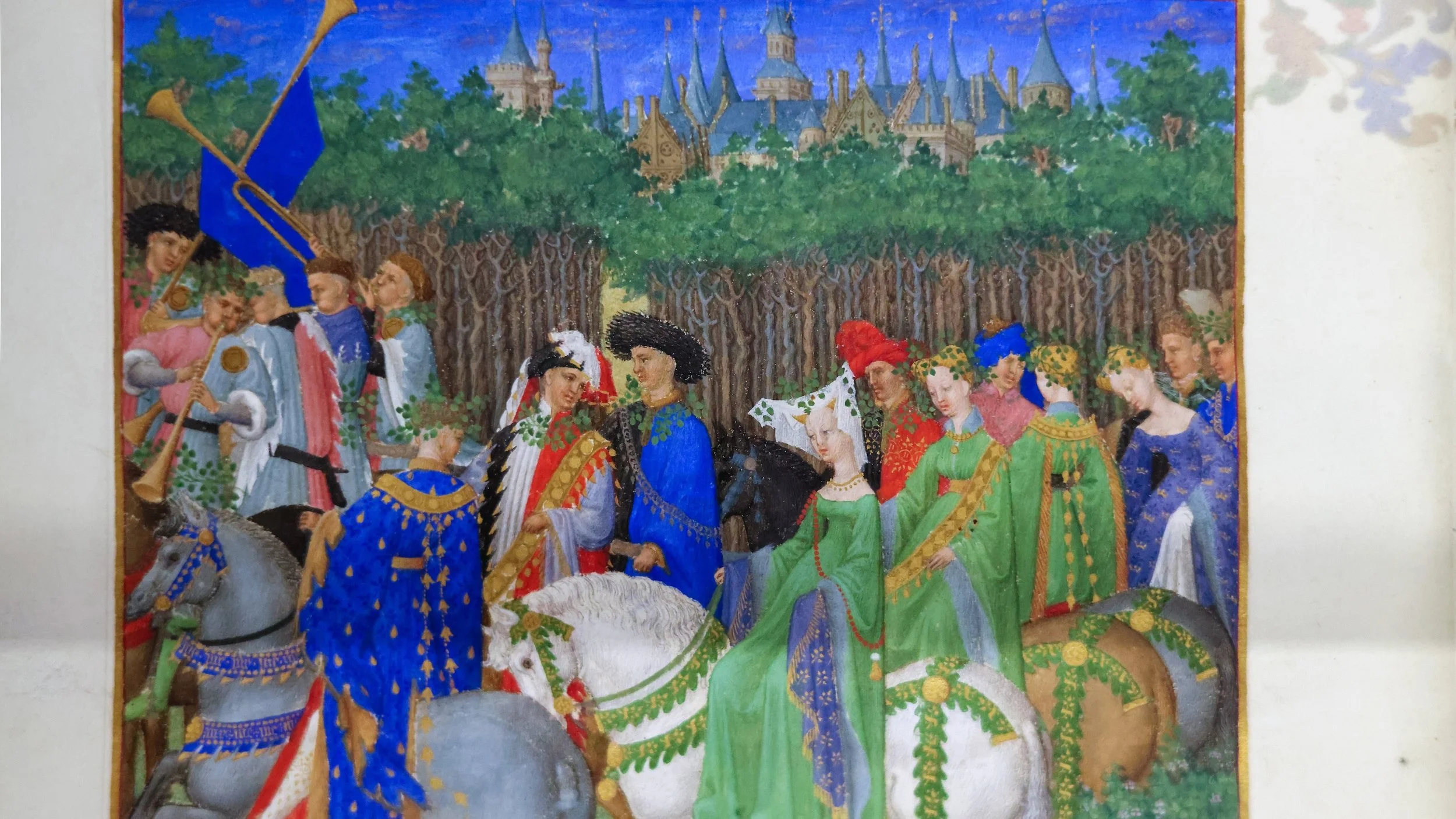
May Calendar Page in the Très Riches Heures du Duc de Berry
In a scene from the medieval illuminated manuscript known as Très Riches Heures of Jean, Duke of Berry, aristocrats have a May celebration in the forest.
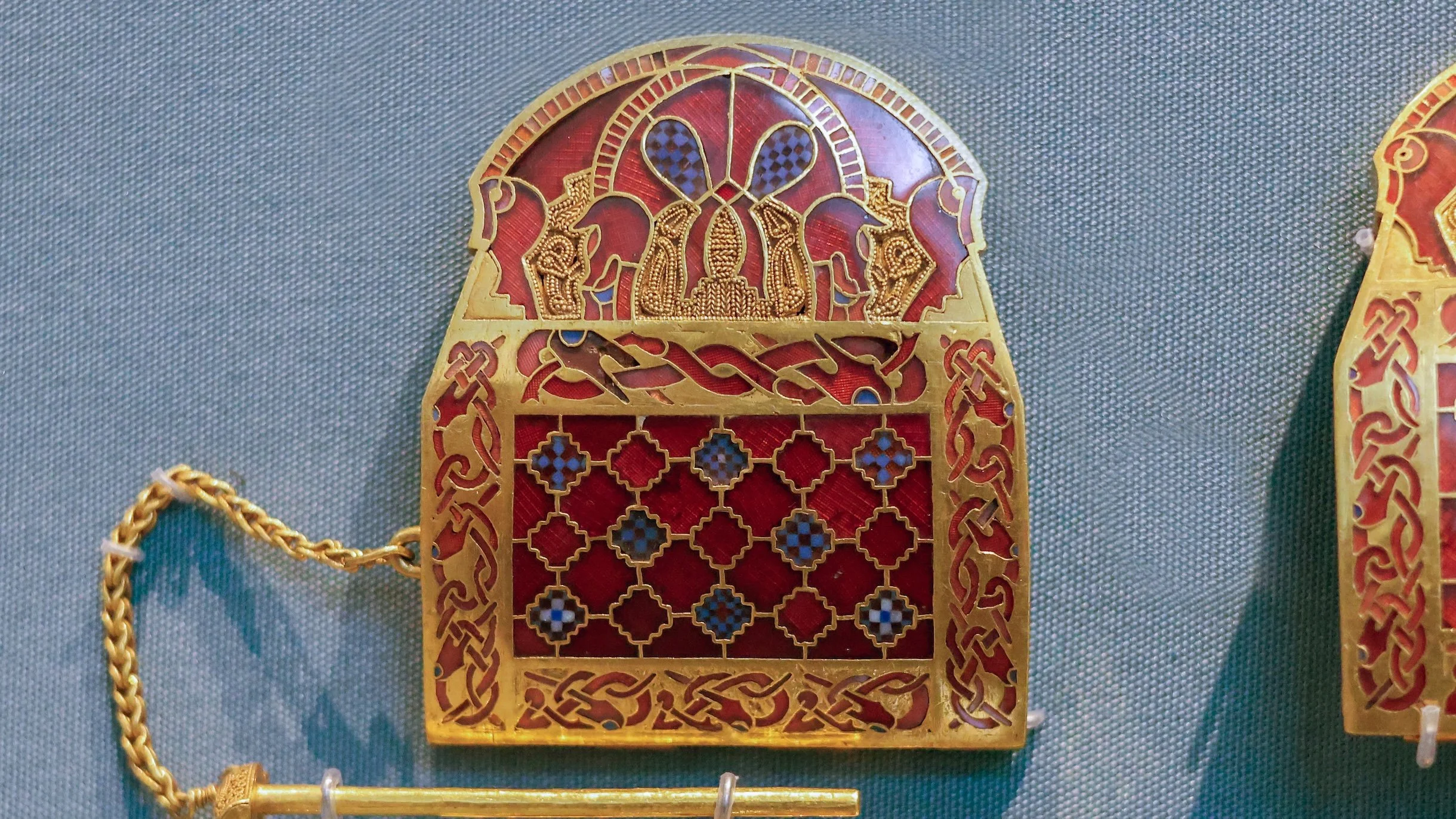
What is cloisonné?
Discovered during an archaeological dig at Sutton Hoo, a shoulder-clasp’s intricate craftsmanship helps us understand cloisonné.
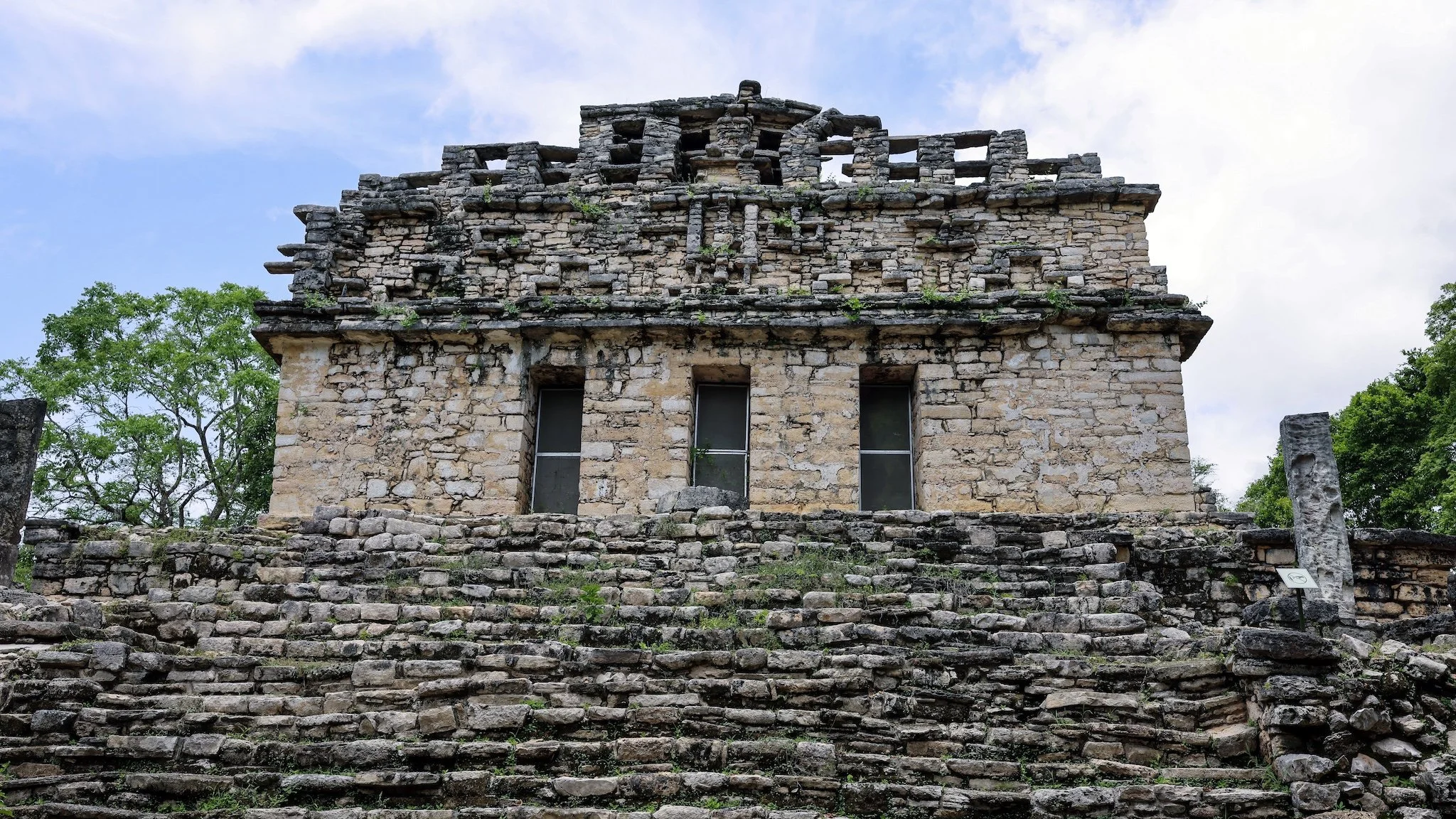
Structure 40 at Yaxchilan and Bird Jaguar IV
Built by Bird Jaguar IV or Yaxum B’ahlam IV in the 8th century, Structure 40 publicized Bird Jaguar IV’s dynastic lineage and helped to justify his rule at the Maya city-state of Yaxchilan.
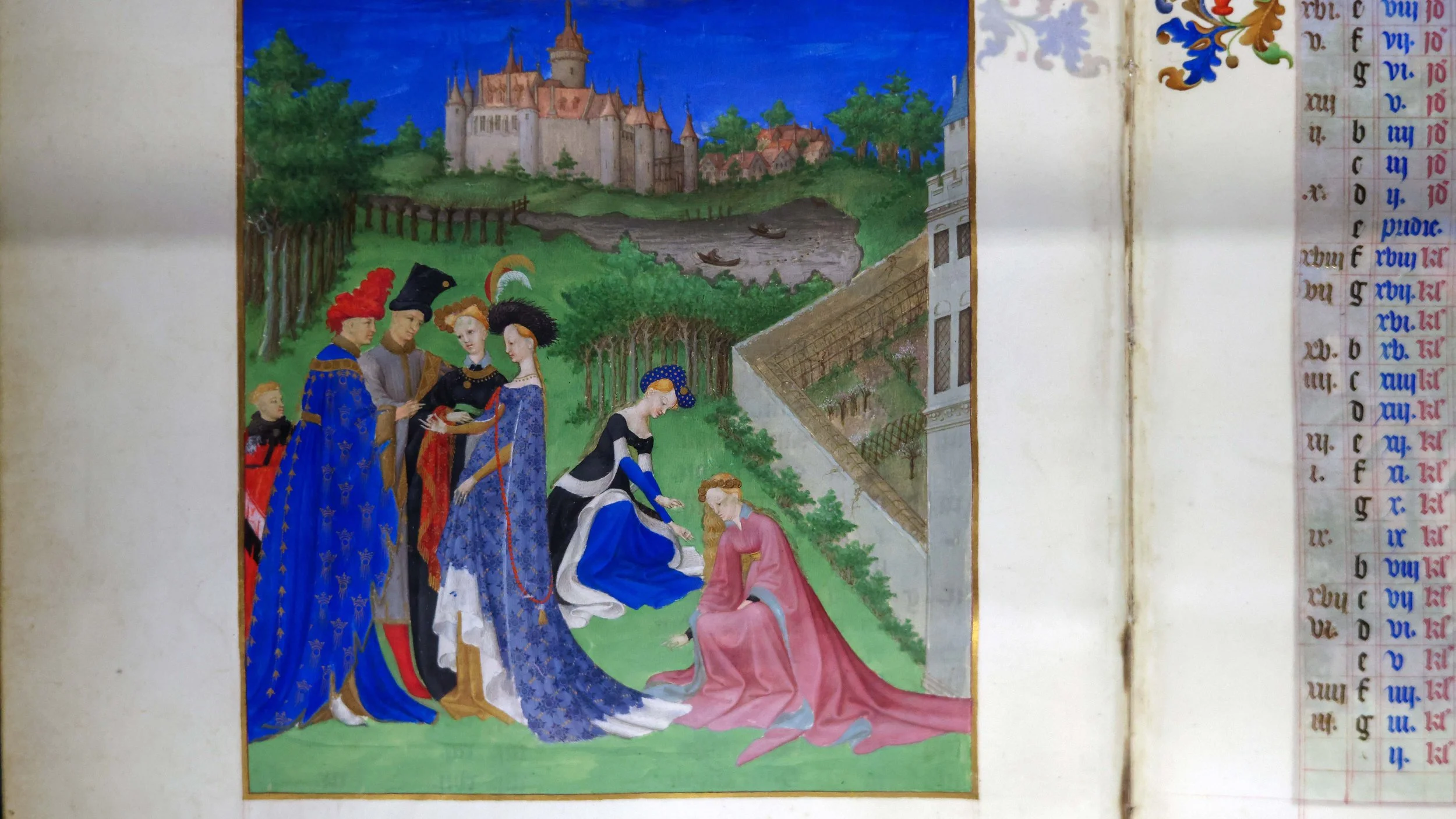
April Calendar Page in the Medieval Très Riches Heures du Duc de Berry
In a scene from the medieval illuminated manuscript known as Très Riches Heures of Jean, Duke of Berry, nobles gather for a wedding and to pick wildflowers.
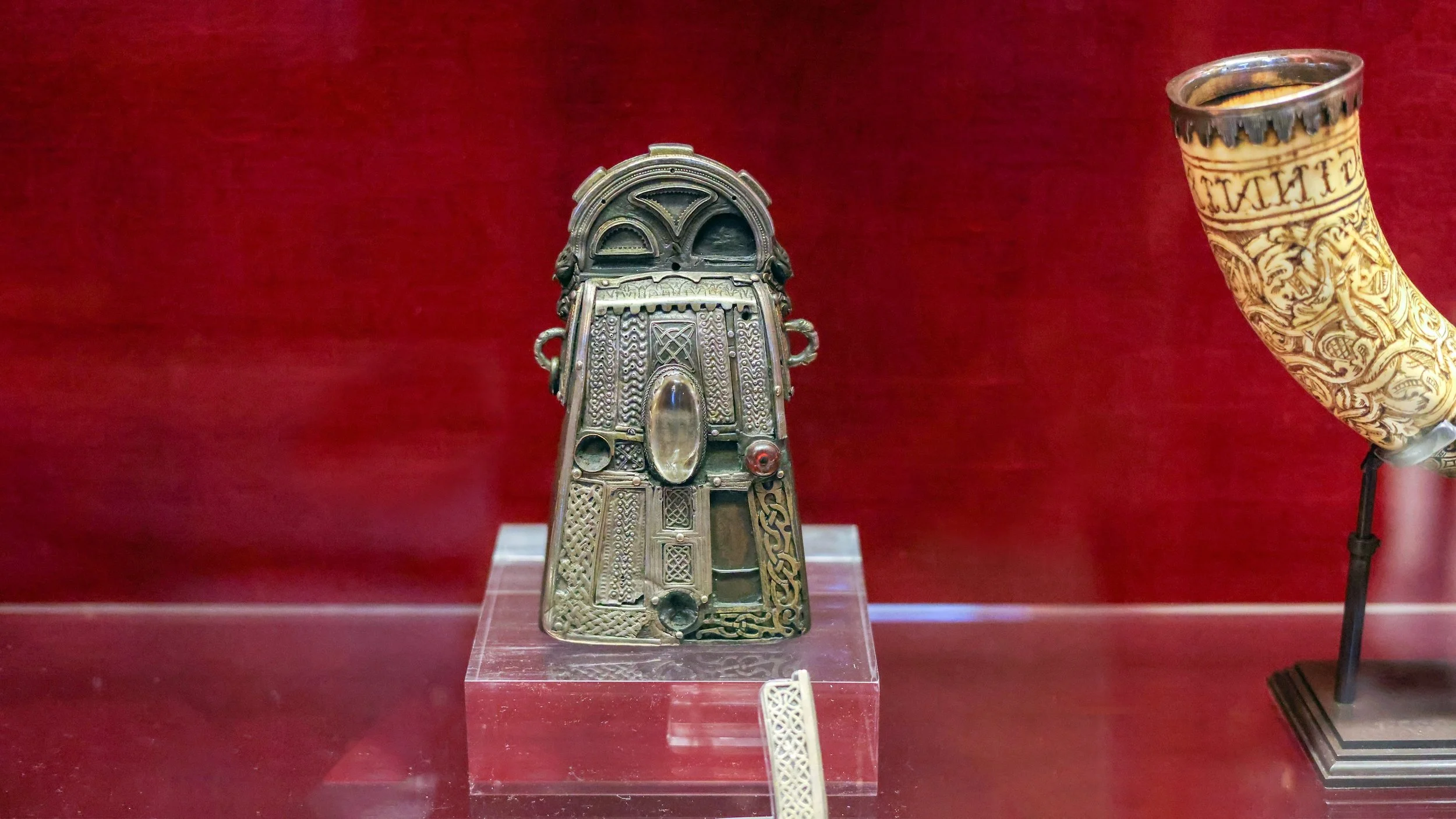
The Medieval Irish Bell-Shrine of St. Mura
This video examines the Irish medieval Bell-Shrine of St. Mura, a relic and reliquary that gives us insight into early Christianity, faith, and community in the early Middle Ages in Ireland.
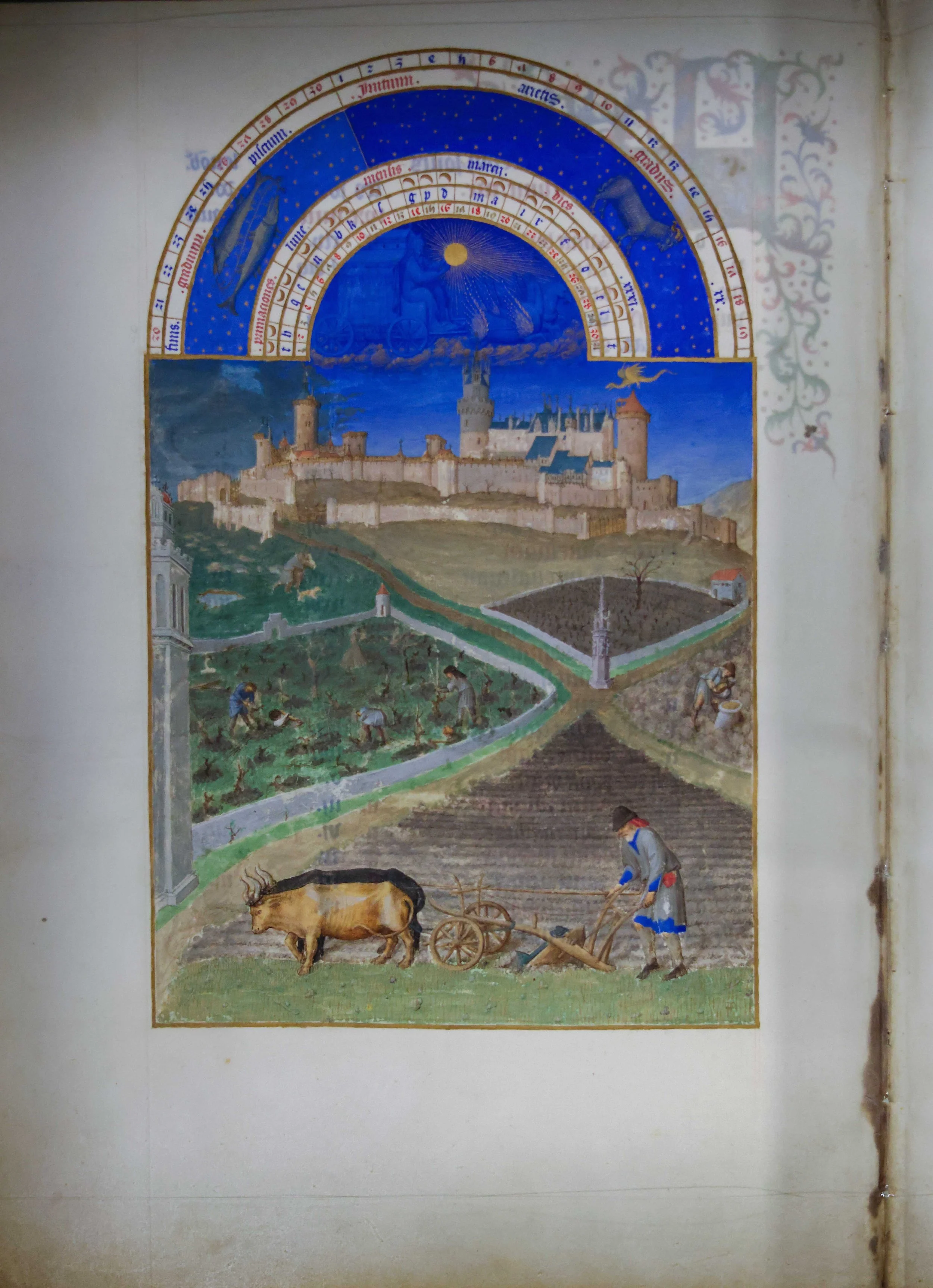
March in the Très Riches Heures du Duc de Berry
What did March look like in the Middle Ages? A famous illuminated manuscript gives us insight!
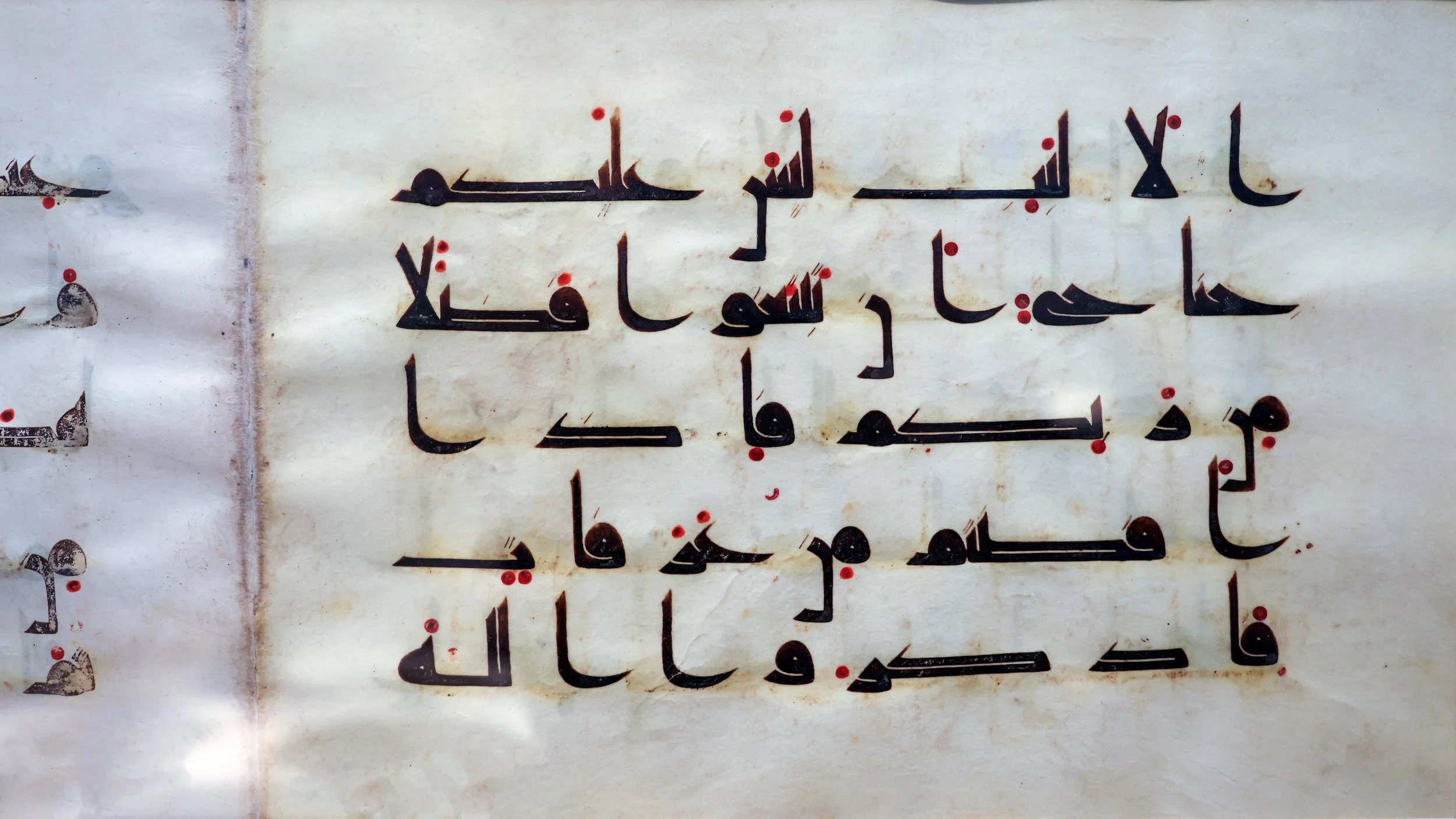
What is Kufic?
This video looks at the beautiful calligraphic script known as Kufic that was used in early manuscripts of the Qur’an.
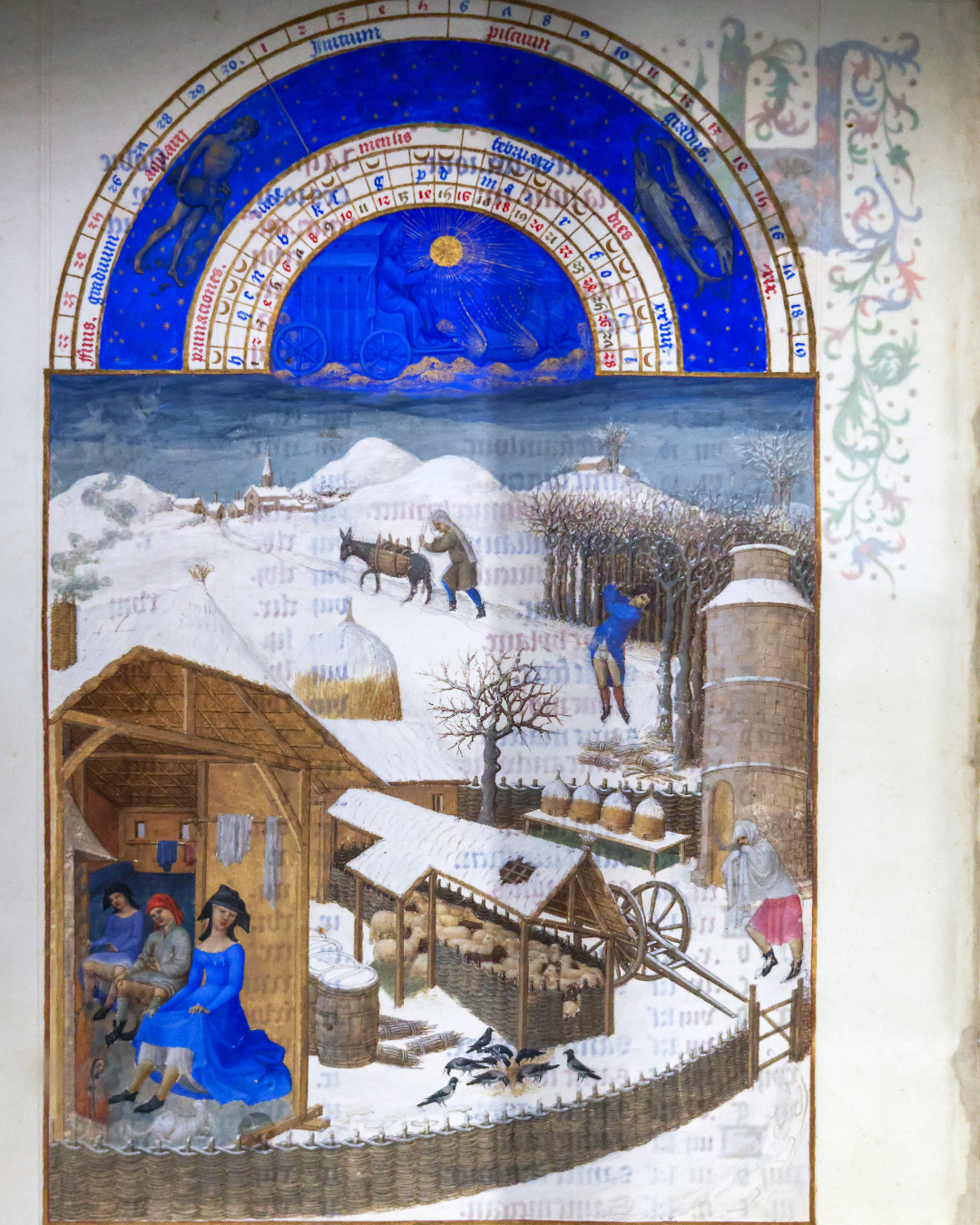
February in the Très Riches Heures du Duc de Berry
What did February look like in the Middle Ages? A famous illuminated manuscript gives us insight!

Han Gan, Night-Shining White
This famous traditional Chinese ink painting, currently in The Metropolitan Museum of Art, is a portrait of Tang emperor Xuanzong’s favorite horse, Night-Shining White.
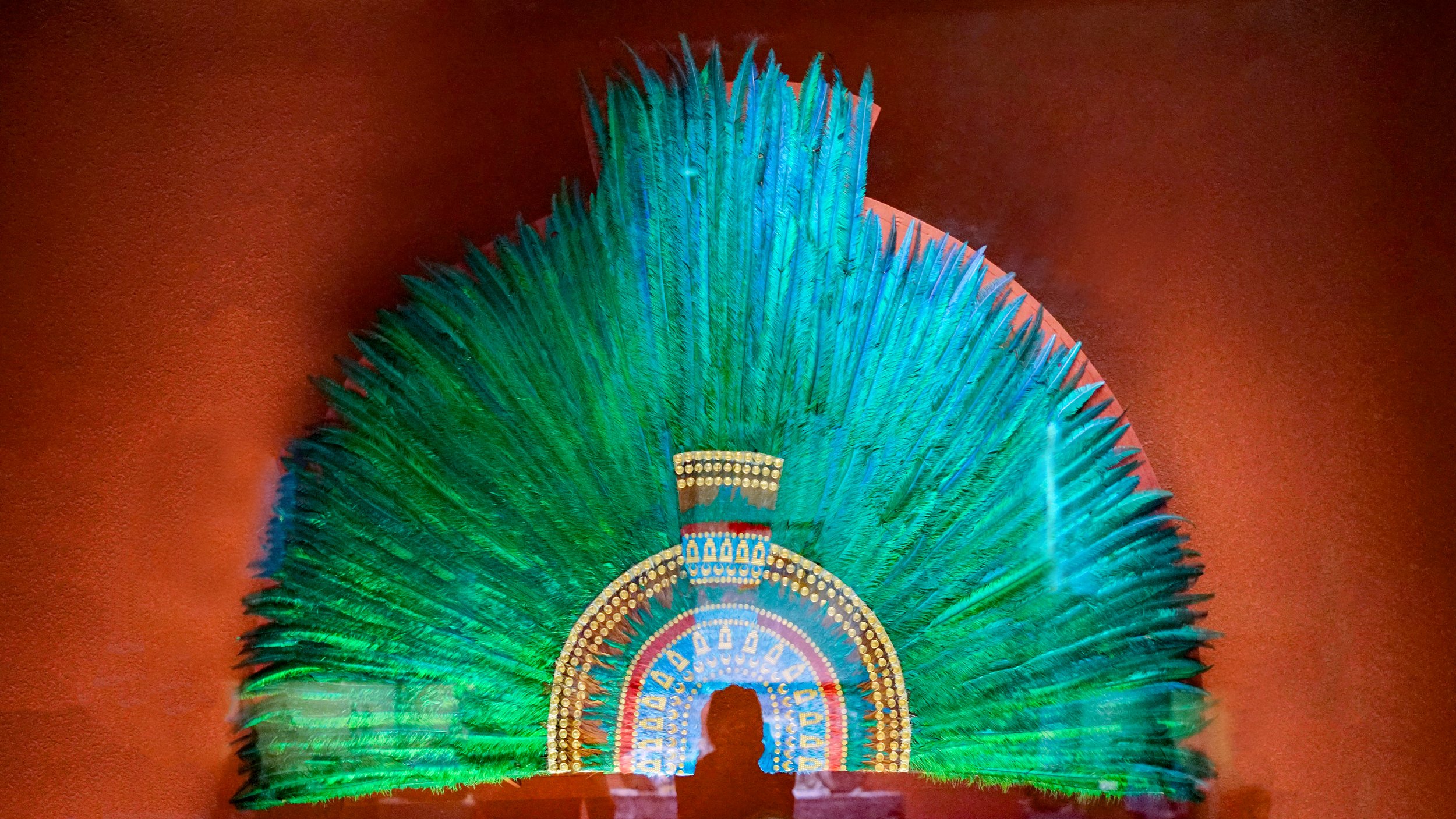
Aztec feather art more precious than gold (featherworks)
Feather objects like feathered headdresses were popular for much of Mesoamerican history, and the Aztecs of Central Mexico created some of the most spectacular featherworks that still survive.
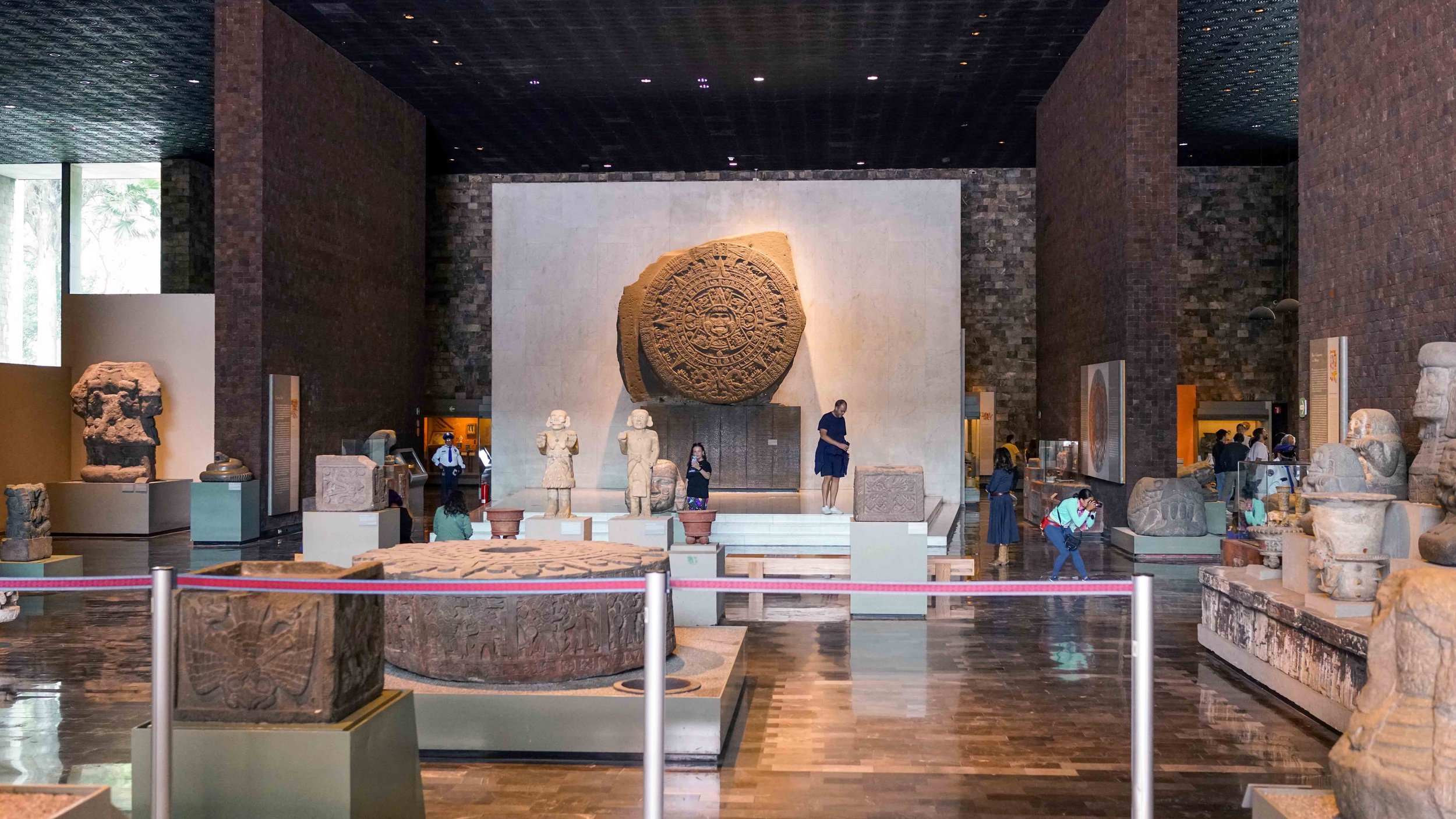
The Aztec Sun Stone or “Calendar Stone”: The most famous Aztec artwork
The most famous Aztec artwork—the “Calendar Stone” or Sun Stone, today in Mexico City’s National Museum of Anthropology