
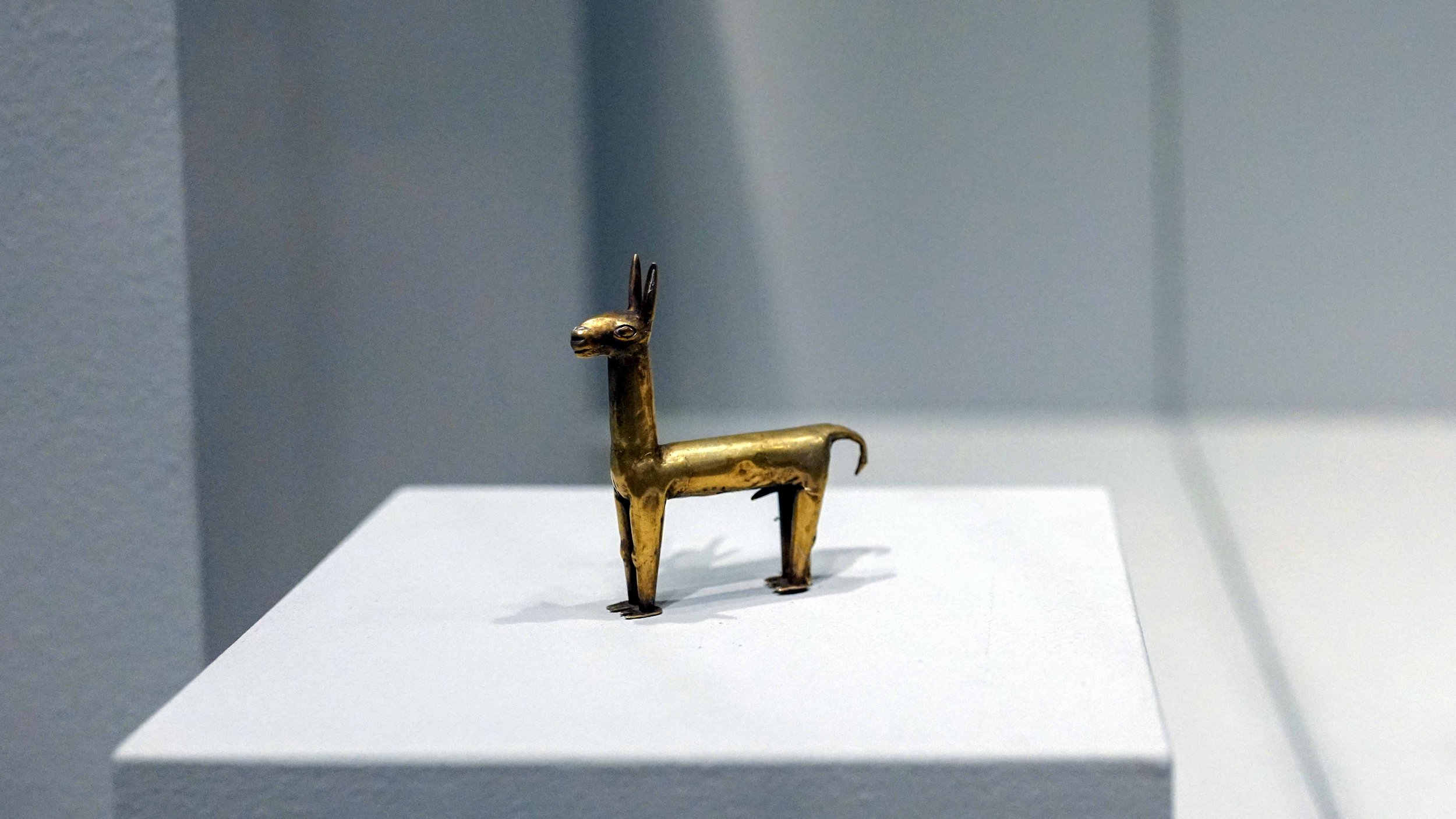
Little luxurious llamas in the Inka Empire
Golden and silver llamas made by Inka artists more than 500 years ago in South America are tiny and shiny. These cute figurines give us some insight into the powerful and massive Inka Empire, which had about 12 million people in it at its height!
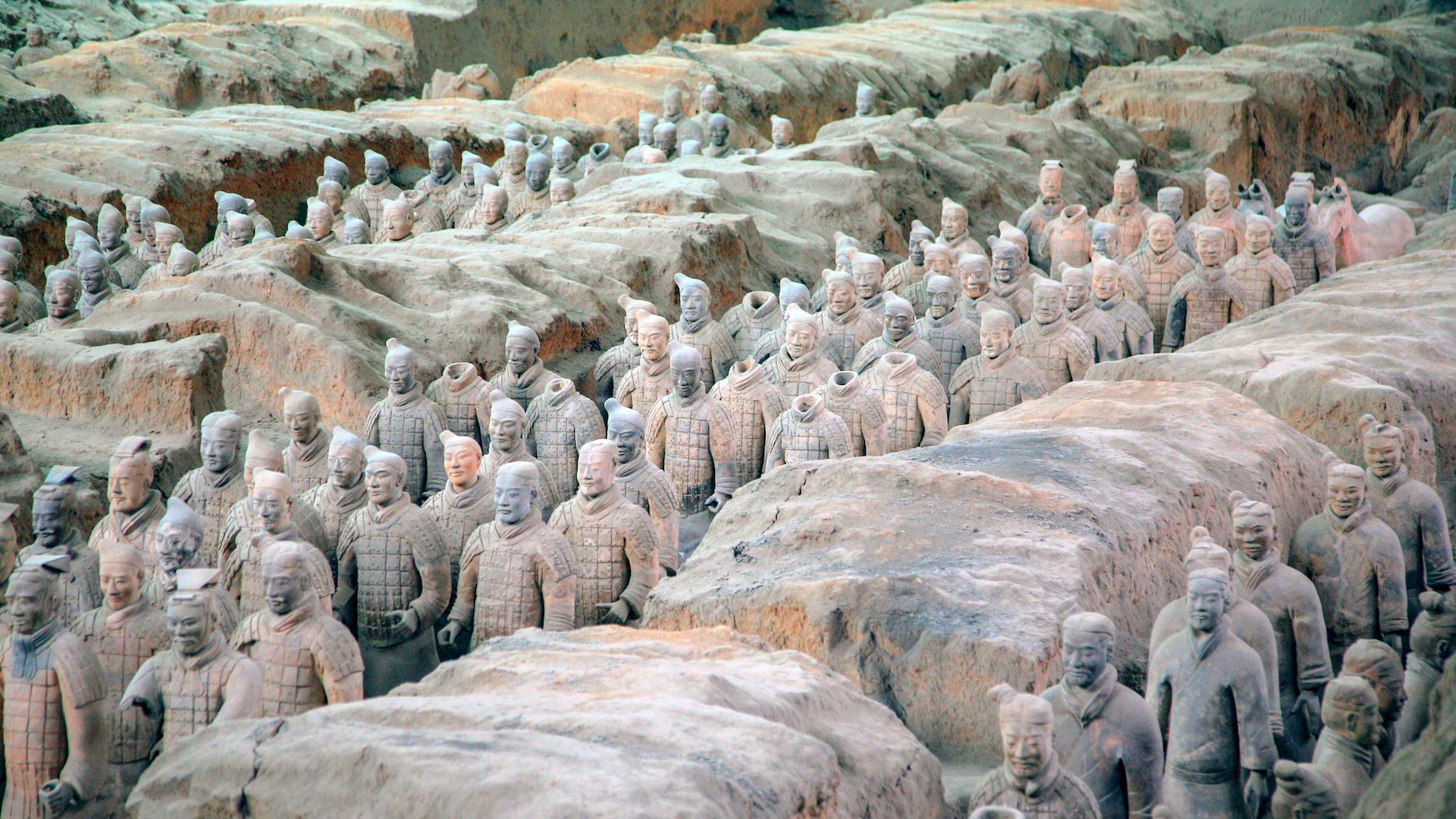
The Illusion of the Terracotta Army, Tomb of the First Emperor of China
The tomb of the First Emperor of China, who died in 210 BCE, was never excavated, but in the 1970s three pits were found nearby that contained a terracotta army! These pits contained over 8,000 life-size terracotta warriors lined up in trenches in military formation.
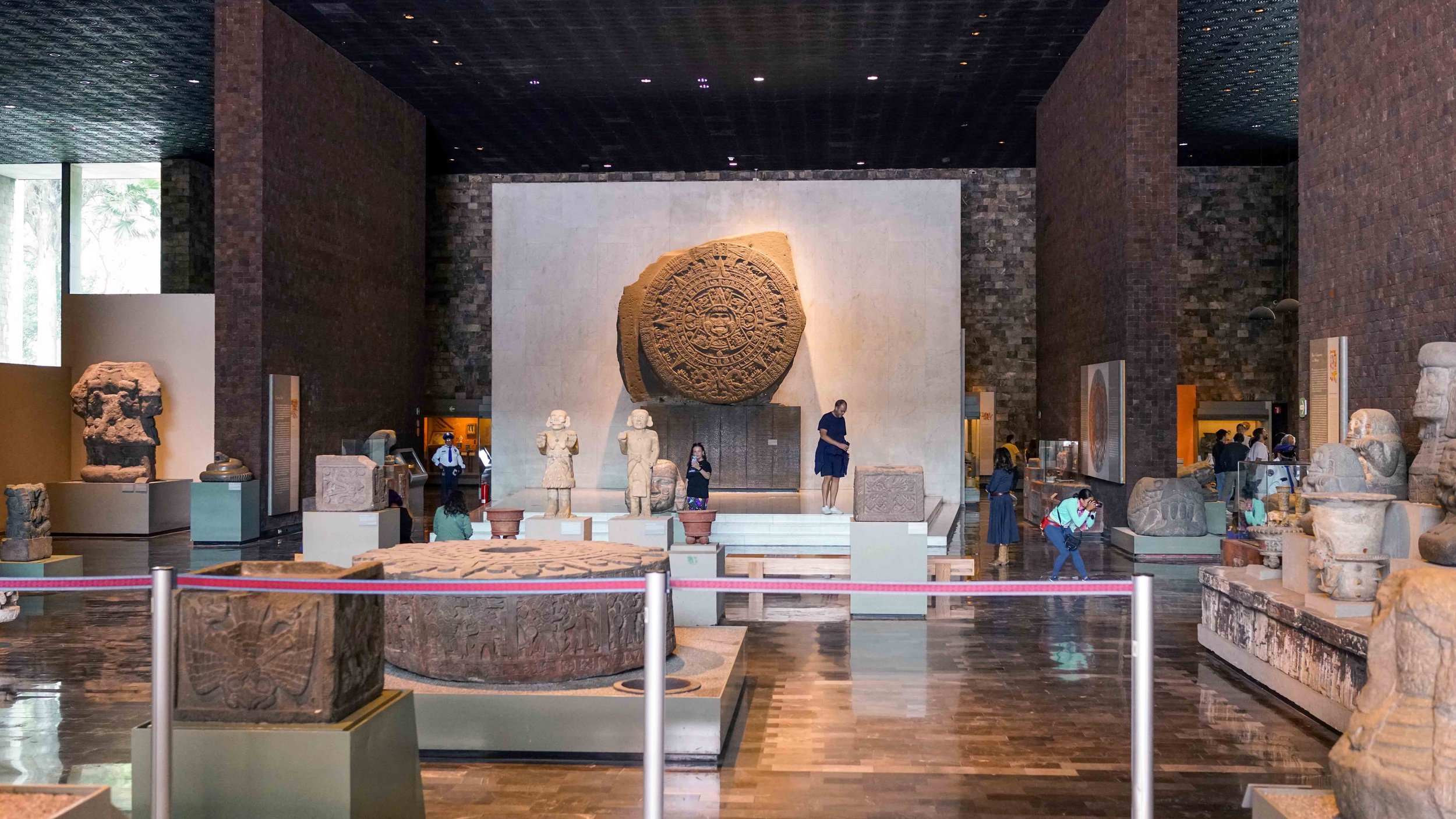
The most famous Aztec artwork: The Sun Stone or “Calendar Stone”
The most famous Aztec artwork—the “Calendar Stone” or Sun Stone, today in Mexico City’s National Museum of Anthropology

A journey into paradise at the Phoenix Hall in Japan
Travel back in time to explore the Phoenix Hall at Byōdō-in Temple in Uji, Japan and Pure Land Buddhism. Learn about the origins of this magnificent temple and how it symbolizes the teachings of Buddhism.
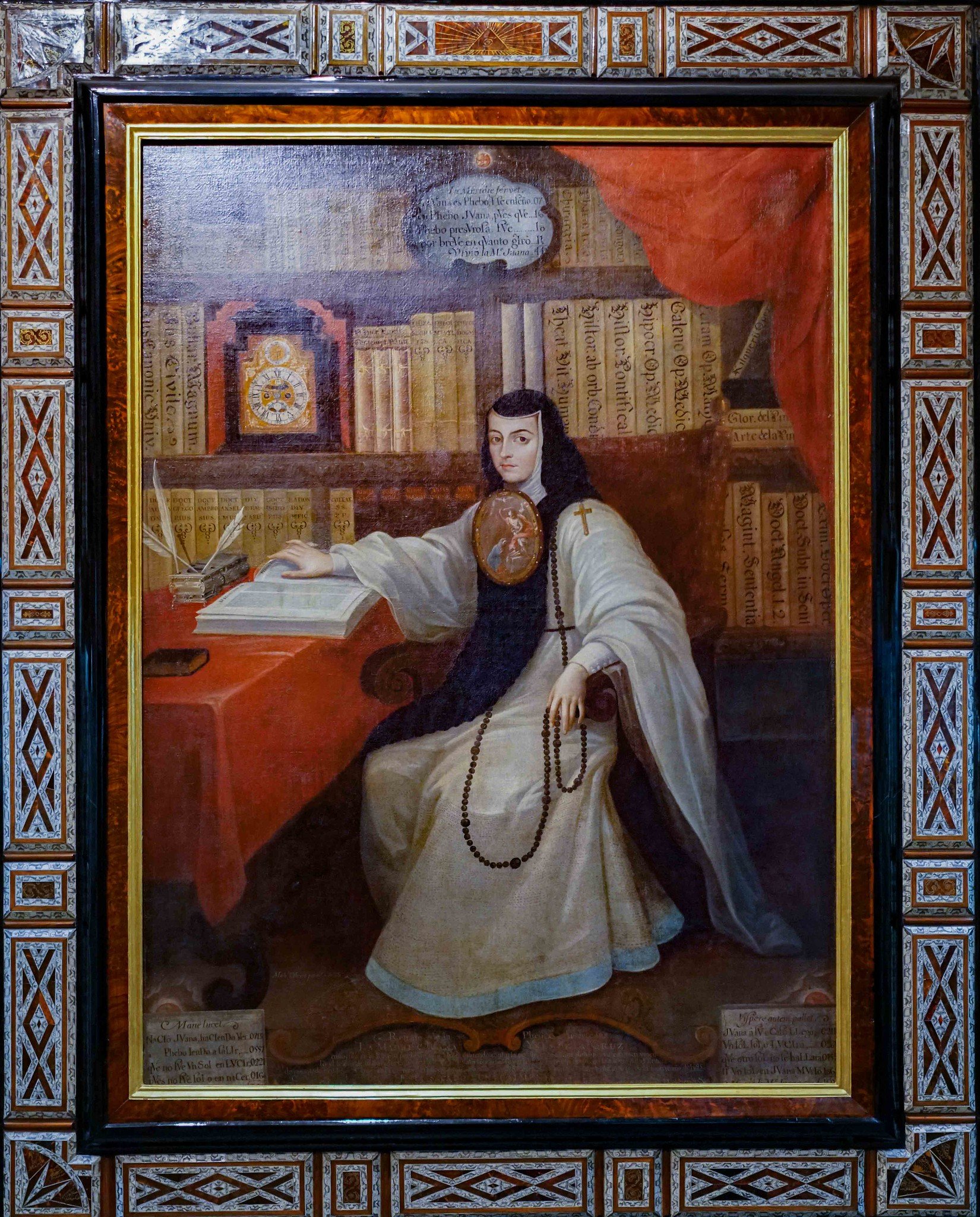
Famous paintings everyone should know: Miguel Cabrera’s Sor Juana Inés de la Cruz
It's a painting everyone should know but probably doesn't! The portrait of Sor Juana Inés de la Cruz was painted by the most famous artist of New Spain (colonial Mexico) in the 18th century.
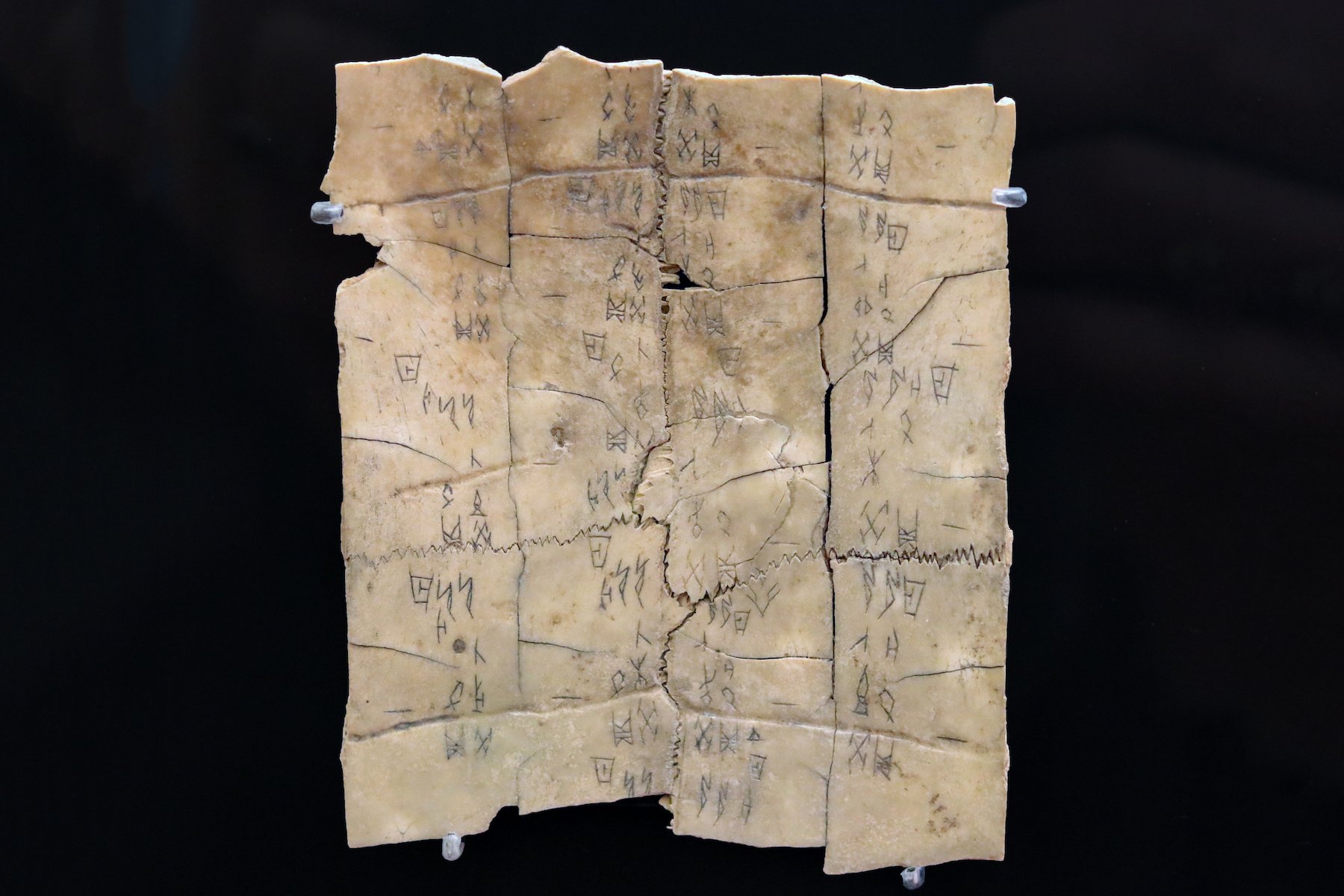
Predicting the future with turtle shells
How did ancient Chinese kings predict the future with turtle shells? Why did Shang dynasty king Wu Ding use turtle shells and animal bones to resolve his terrible toothache?
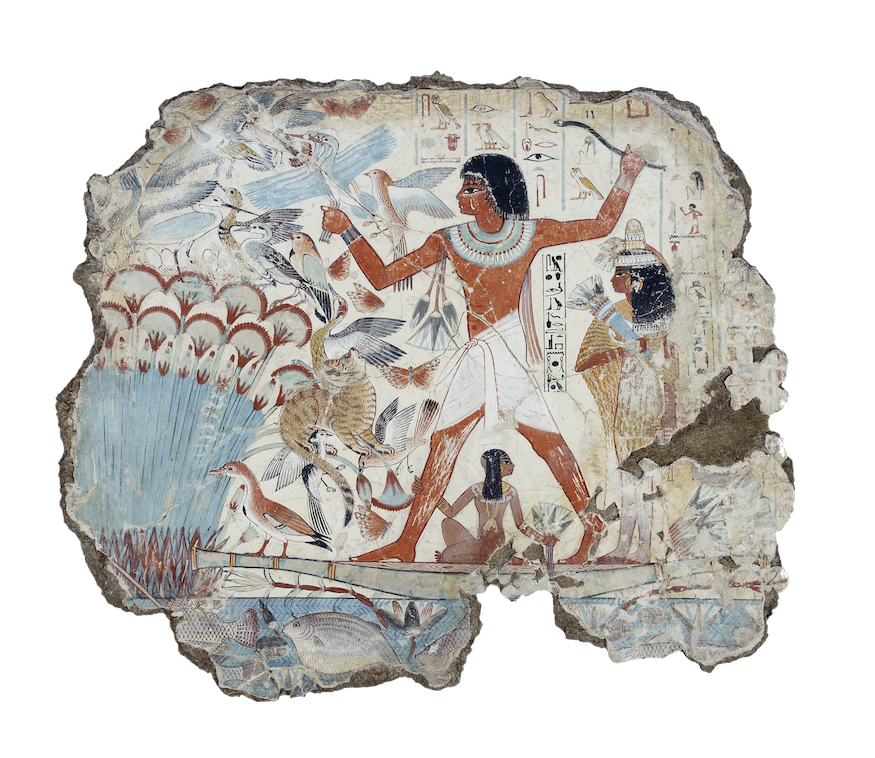
Ancient Egyptians loved cats
Are you ready to step back in time with us and unravel the mysteries of cat worship, mummification, and the rich symbolism surrounding these cats in ancient Egypt? If you're a cat lover or hiss-tory enthusiast, our video is for you! It’s pawsitively awesome.
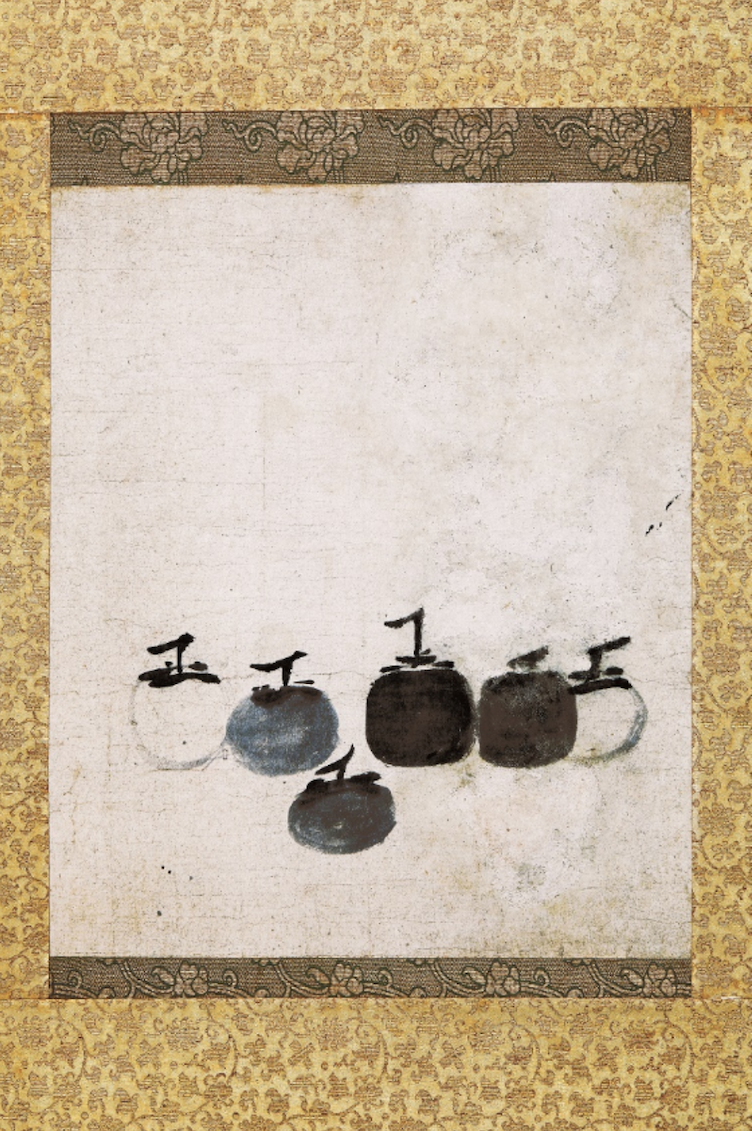
Learn about Chan (Zen) Buddhism with Muqi’s Six Persimmons
Muqi, a 13th-century Chinese Buddhist monk, created this famous monochrome ink painting of six persimmons. The monk painter captured the essence of these sweet fruits using very few brushstrokes.

Learning about ancient Chinese bronze casting and the piece mold process
Did you know that around 4,000 years ago the ancient Chinese invented their own unique metallurgical technique to cast bronze objects?