
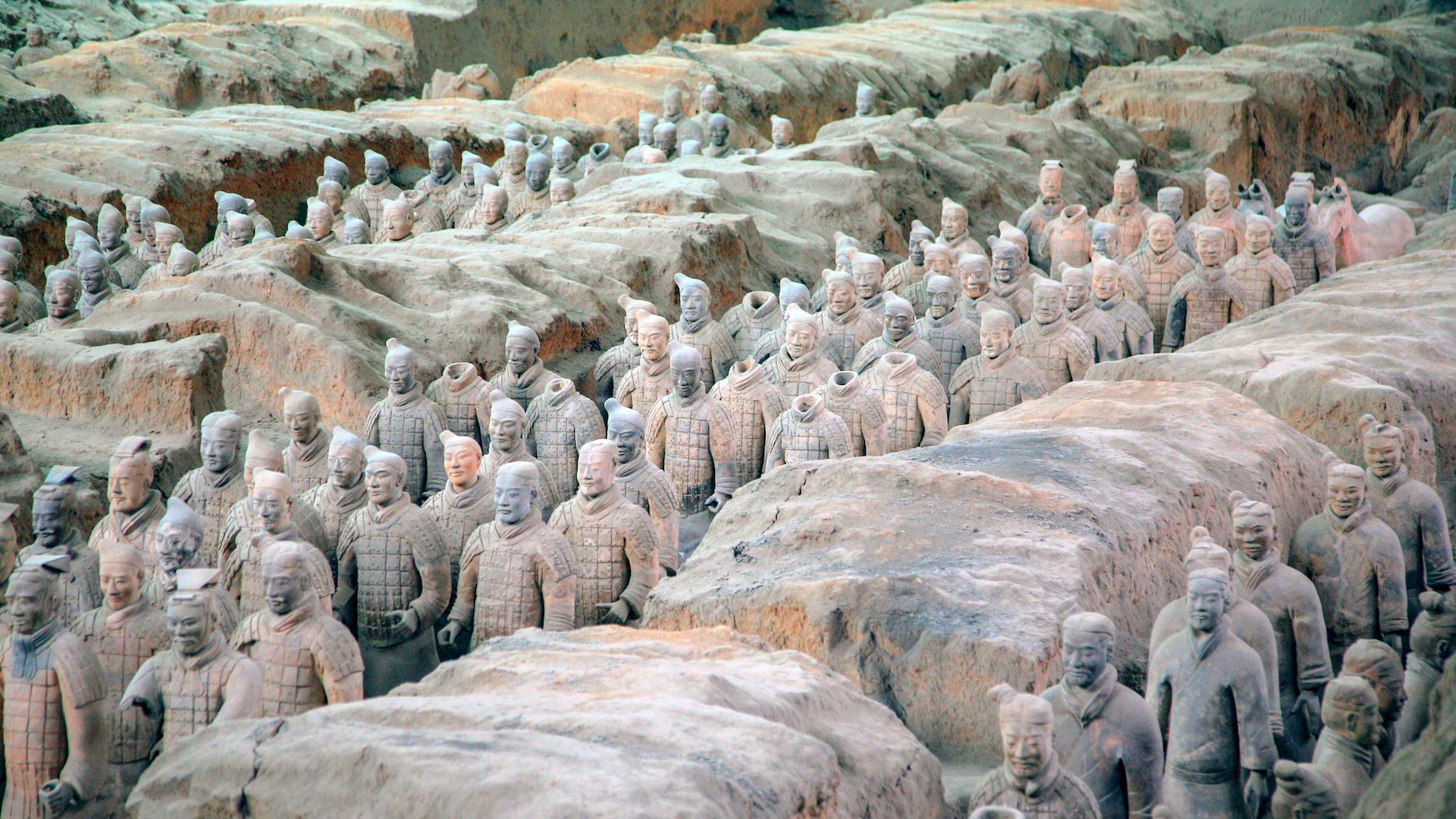
The Illusion of the Terracotta Army, Tomb of the First Emperor of China
The tomb of the First Emperor of China, who died in 210 BCE, was never excavated, but in the 1970s three pits were found nearby that contained a terracotta army! These pits contained over 8,000 life-size terracotta warriors lined up in trenches in military formation.

A journey into paradise at the Phoenix Hall in Japan
Travel back in time to explore the Phoenix Hall at Byōdō-in Temple in Uji, Japan and Pure Land Buddhism. Learn about the origins of this magnificent temple and how it symbolizes the teachings of Buddhism.
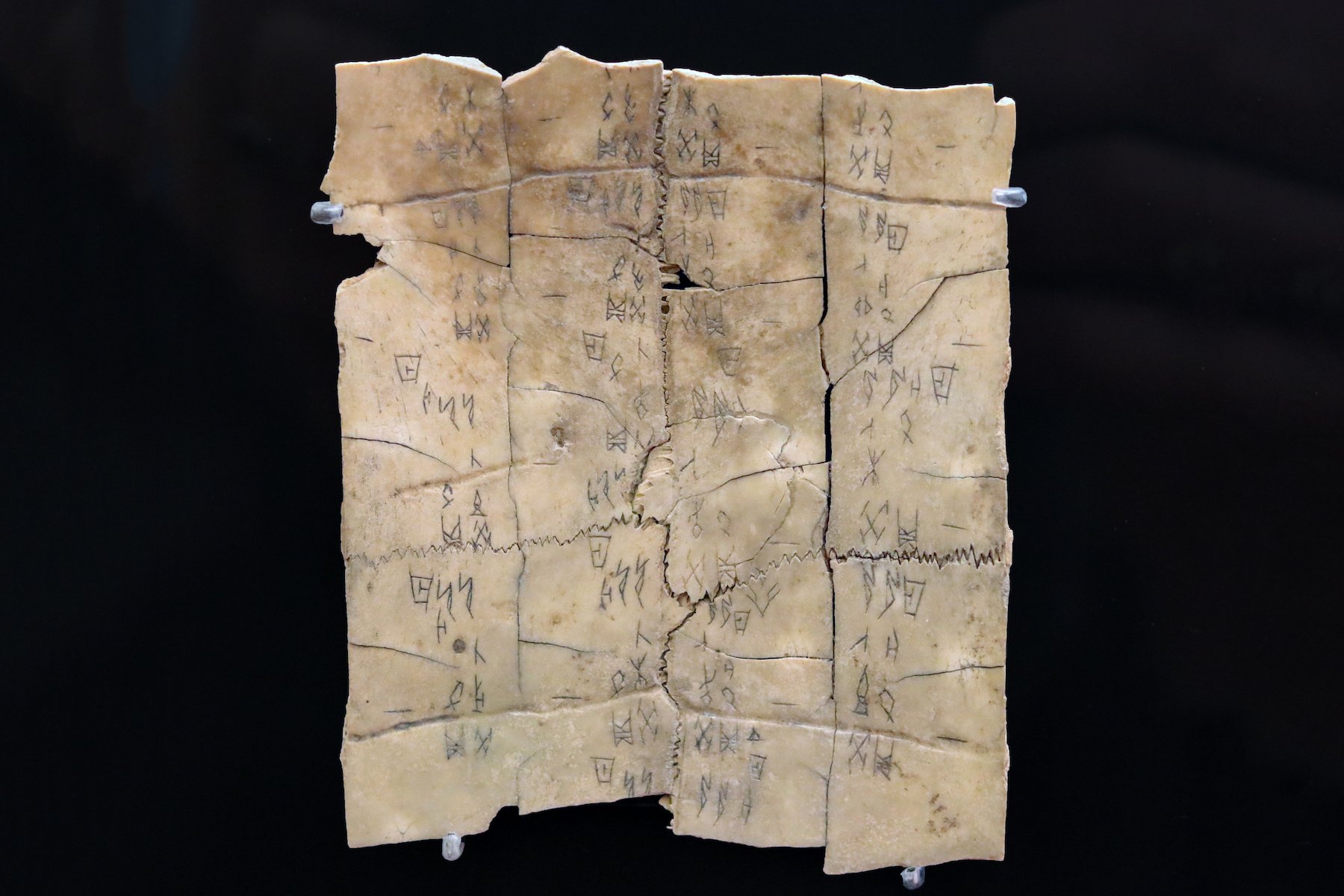
Predicting the future with turtle shells
How did ancient Chinese kings predict the future with turtle shells? Why did Shang dynasty king Wu Ding use turtle shells and animal bones to resolve his terrible toothache?
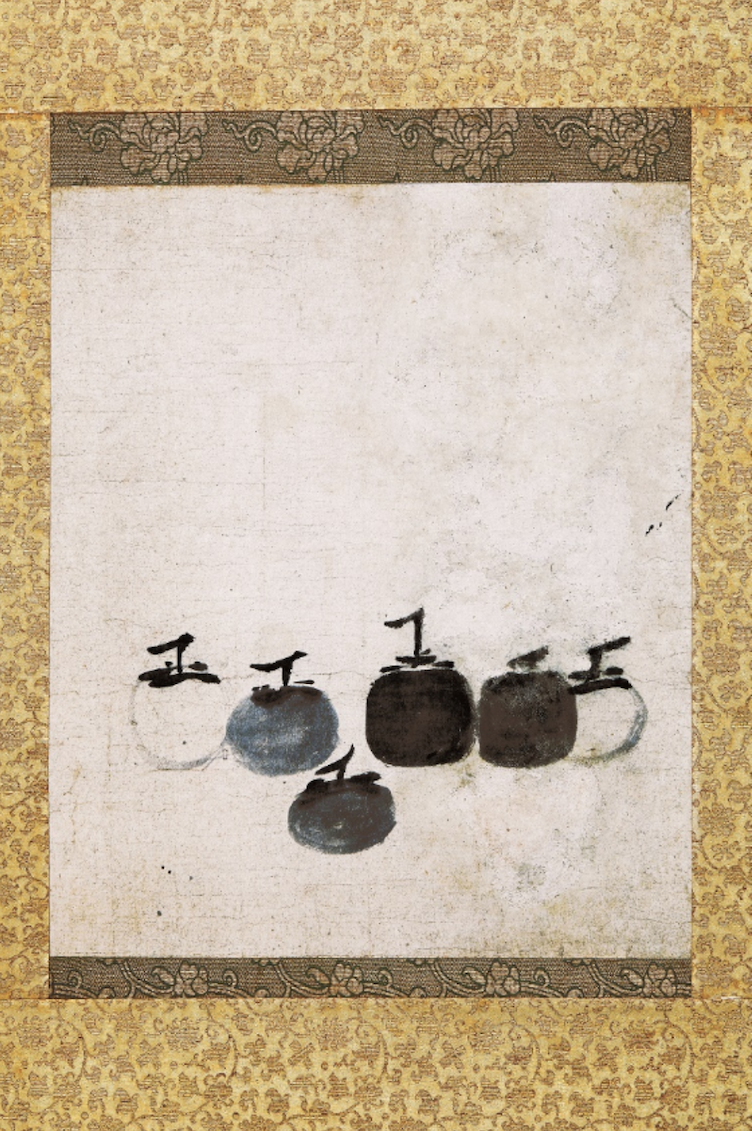
Learn about Chan (Zen) Buddhism with Muqi’s Six Persimmons
Muqi, a 13th-century Chinese Buddhist monk, created this famous monochrome ink painting of six persimmons. The monk painter captured the essence of these sweet fruits using very few brushstrokes.

Learning about ancient Chinese bronze casting and the piece mold process
Did you know that around 4,000 years ago the ancient Chinese invented their own unique metallurgical technique to cast bronze objects?

Lady Dai's funeral banner and tomb
Did you know one of the earliest silk paintings in Chinese history came from an ancient tomb that was so well preserved that the woman’s body looked like it had been mummified?