
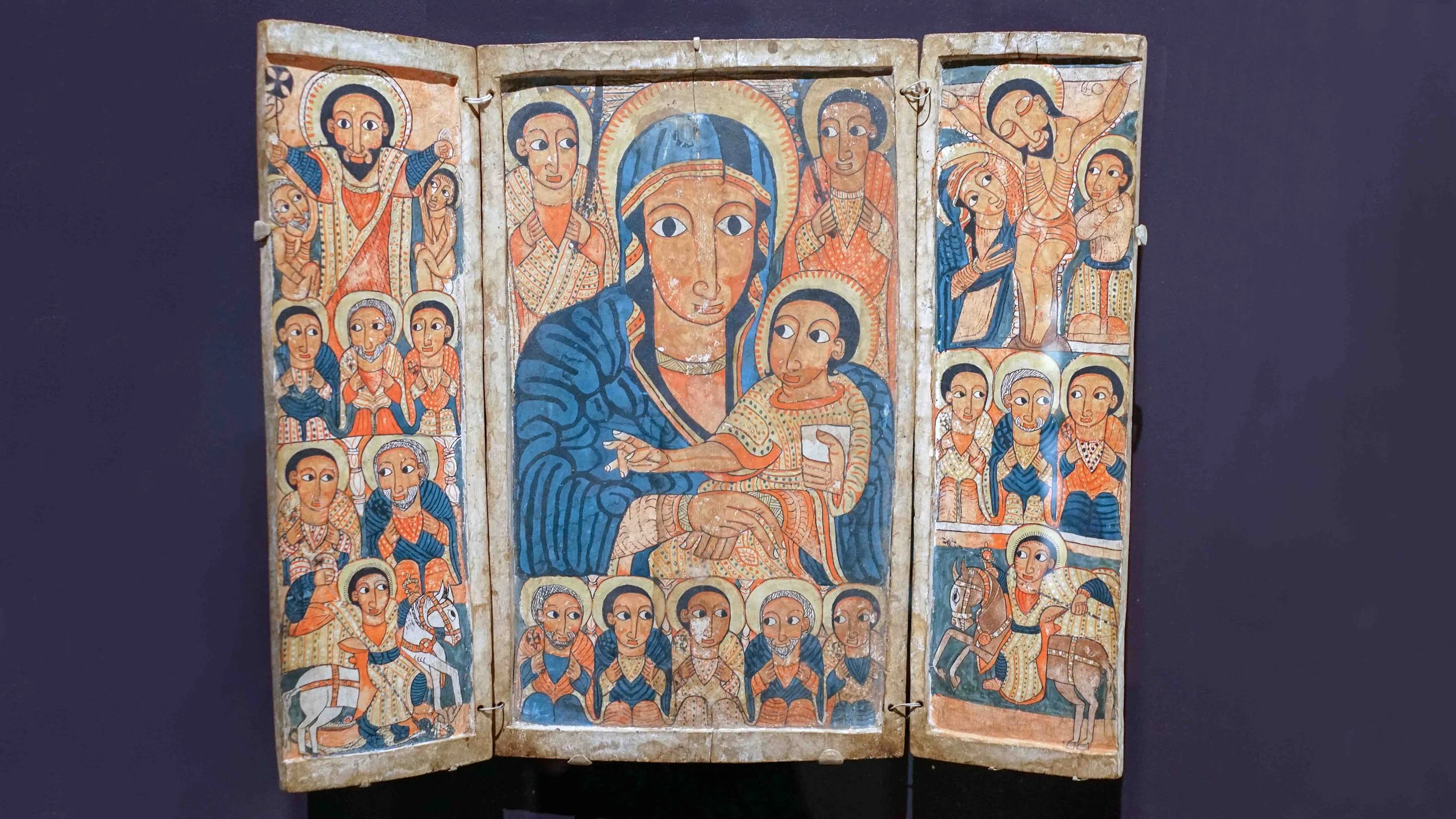
Diptych, triptych, polyptych—what’s the difference?
In art history, there are terms for artworks made of multiple panels, such as diptych, triptych, and polyptych. What do they mean?

Hand Scrolls vs. Hanging Scrolls in Chinese Art
What is the difference between a handscroll and a hanging scroll mounting in Chinese ink painting?

Vairocana Buddha at Fengxian Temple at Longmen Grottoes
Carved into the hard limestone cliffside in the 7th century CE, the Fengxian temple features a monumental 56-foot-high image of the Vairocana Buddha.
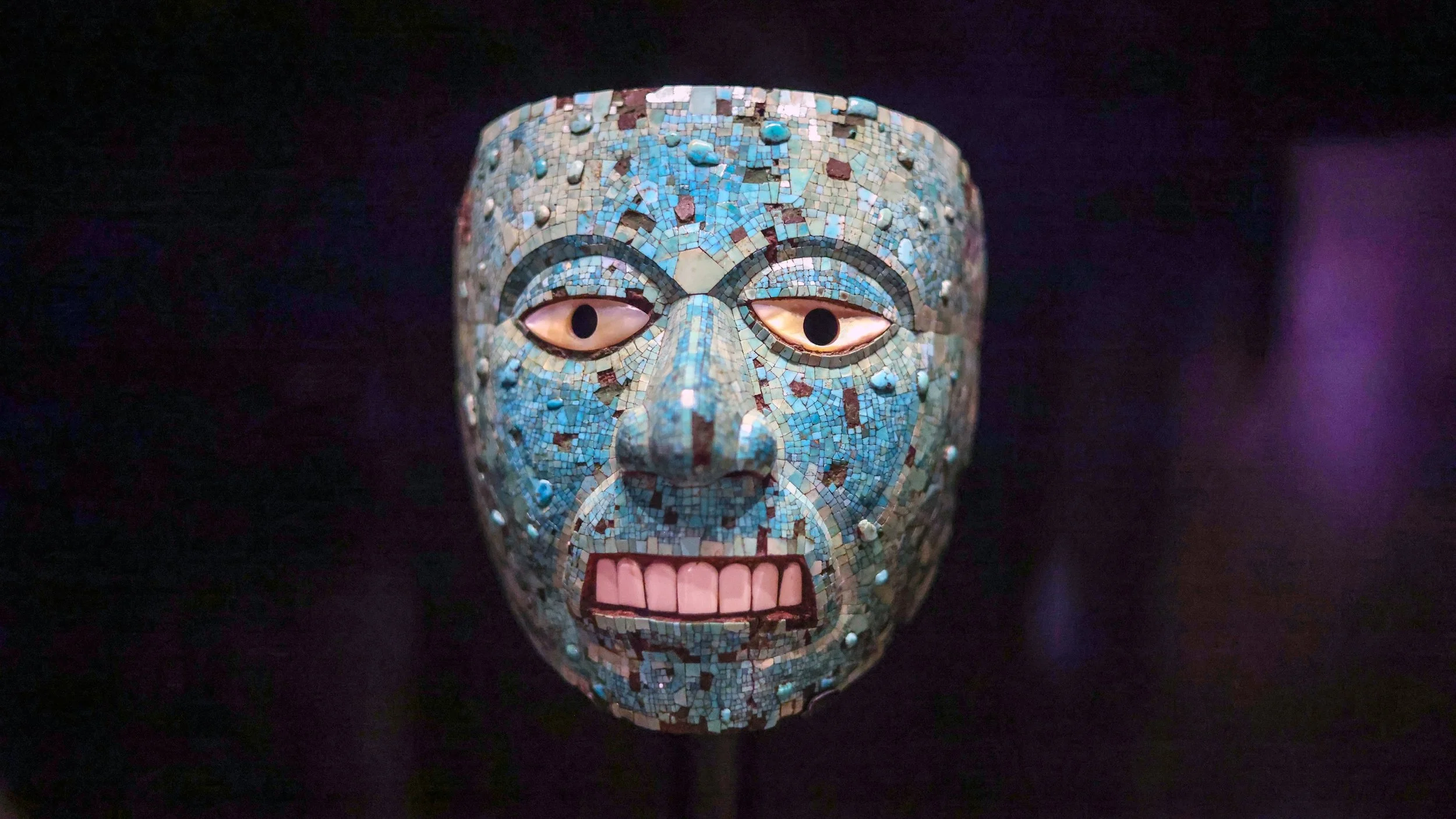
What is a mosaic? Examples from Aztec, Roman, Thai, Islamic, and Byzantine Art
This video focuses on understanding mosaics, both how they are made and the materials they are made from.
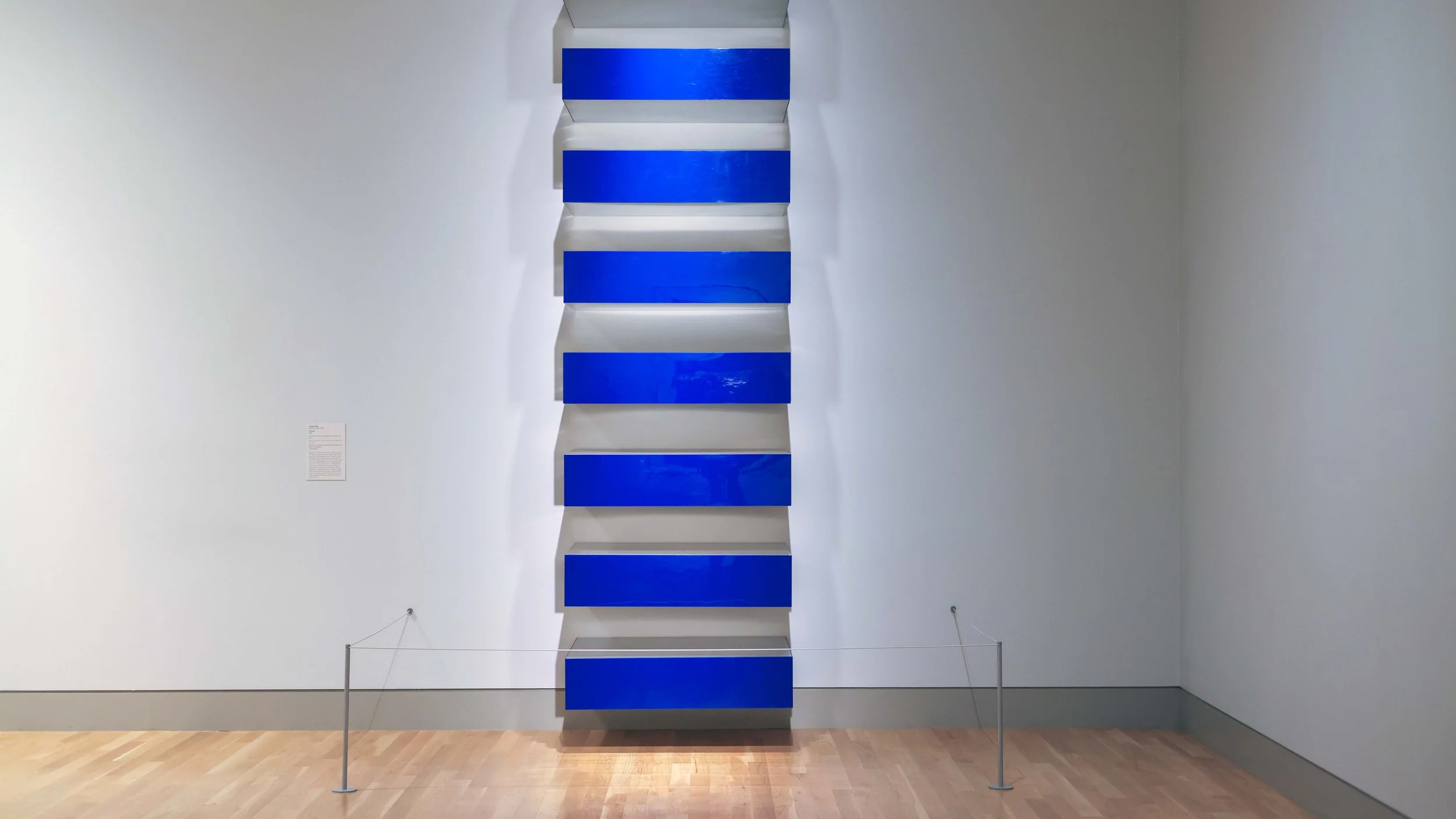
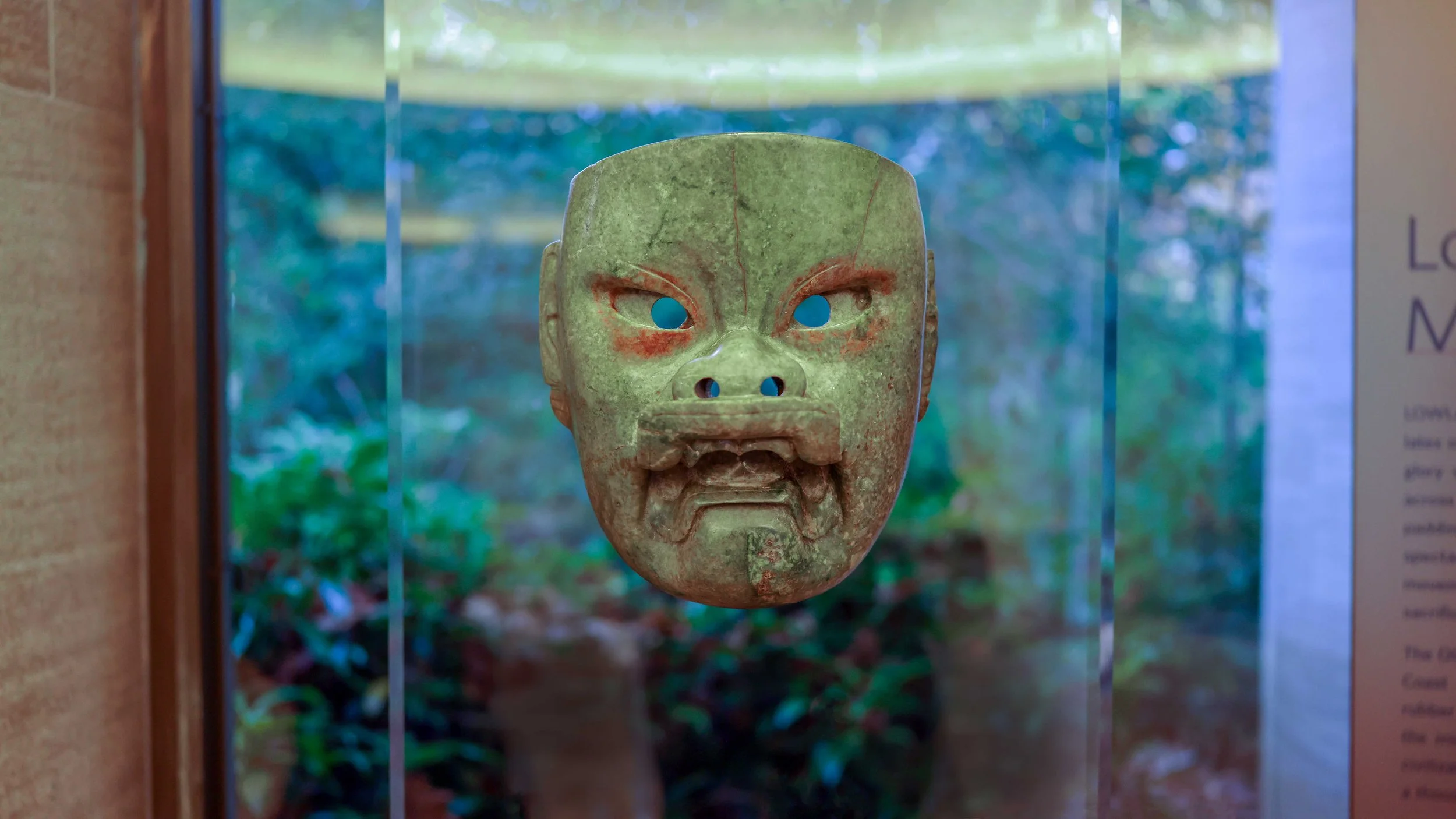
What is Jade (Jadeite) in Mesoamerica?
Jadeite was a precious material in Mesoamerica among the Olmec, Maya, and others.
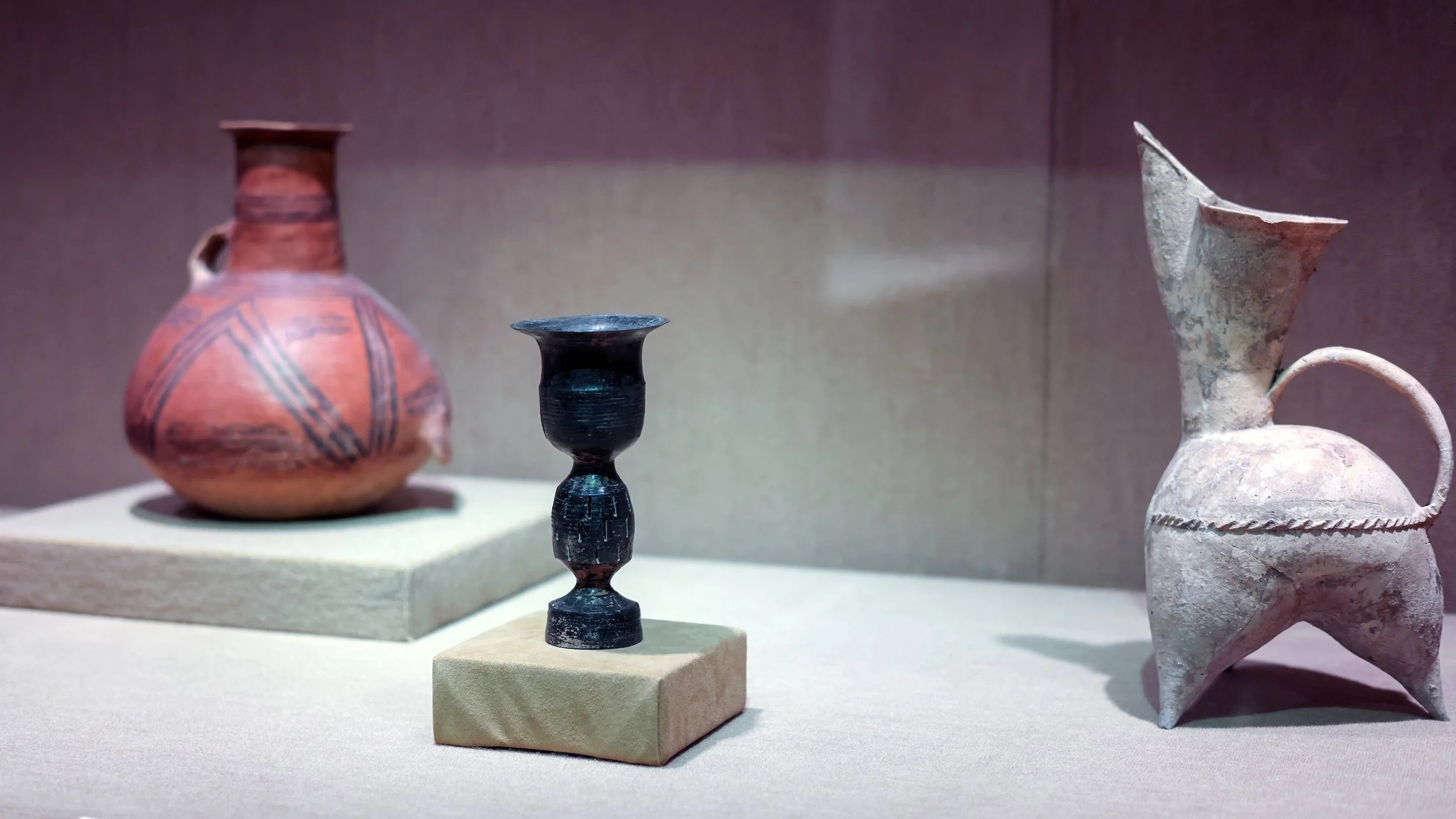
The Reduction Firing Process Behind Neolithic Blackware
The reduction firing process was one of the most innovative technological achievements in the history of ceramics.
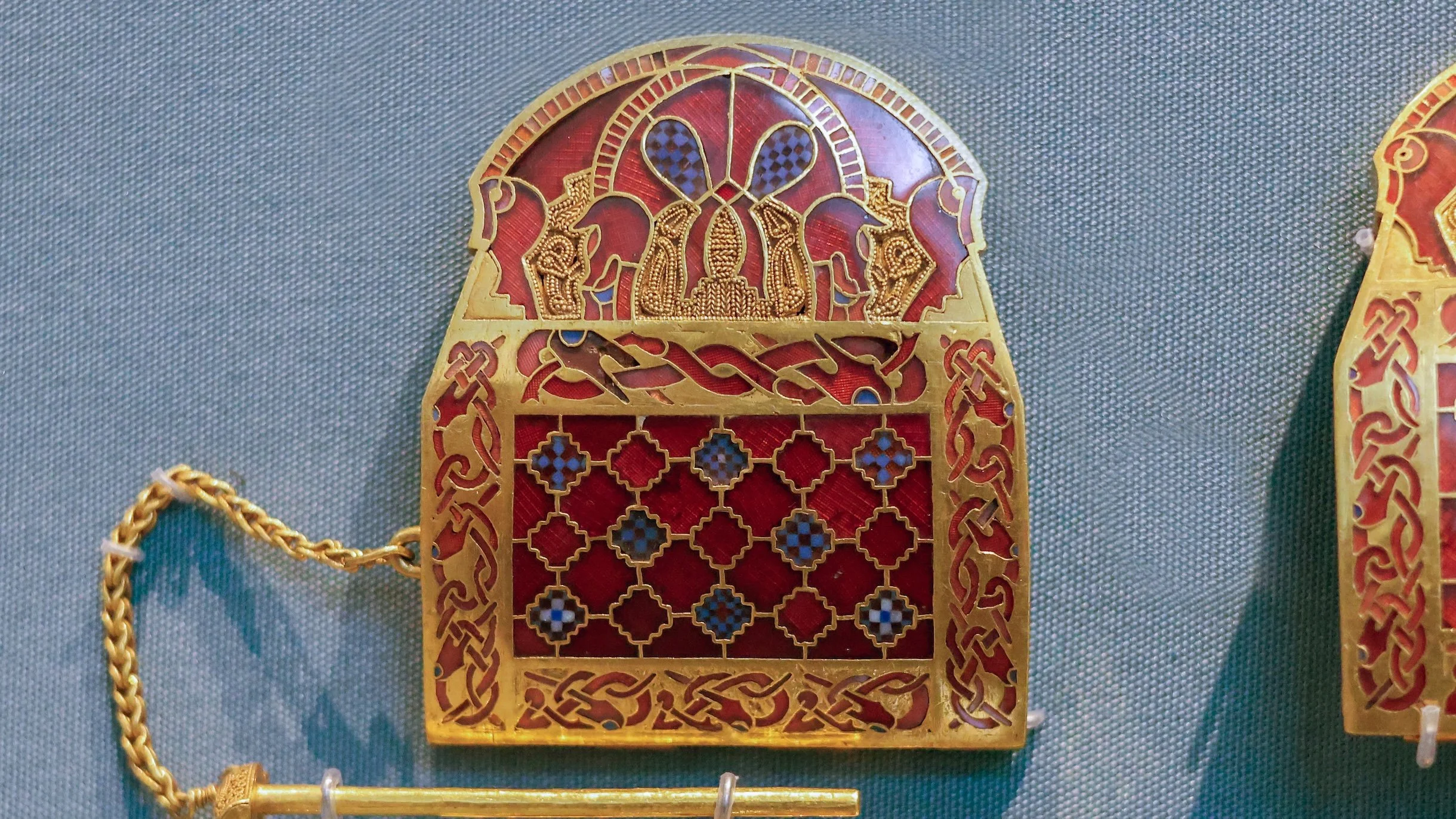
What is cloisonné?
Discovered during an archaeological dig at Sutton Hoo, a shoulder-clasp’s intricate craftsmanship helps us understand cloisonné.
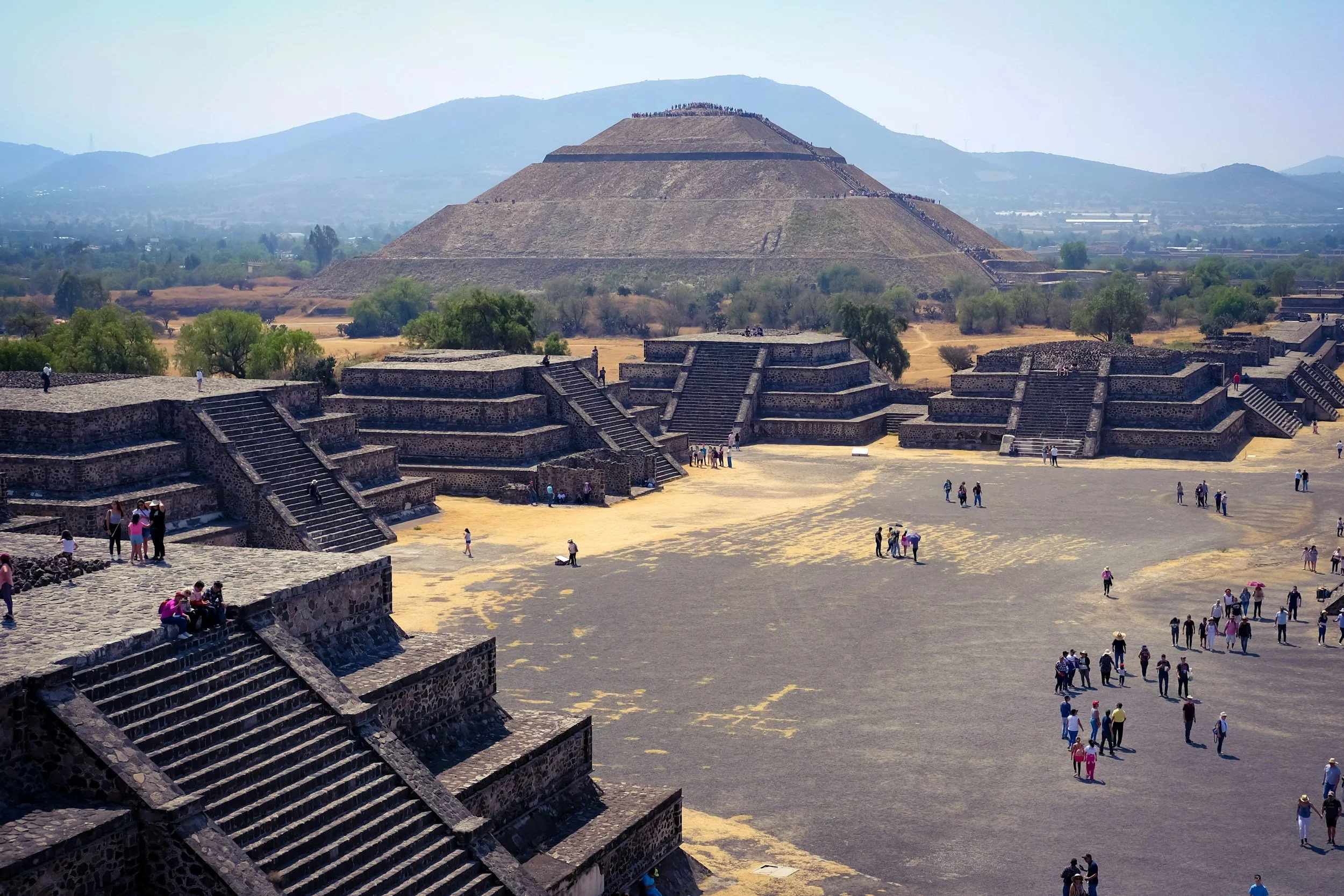
Teotihuacan Mastered City Planning 2,000 Years Ago with Apartments and Grid Planning
Explore the massive Mesoamerican city of Teotihuacan, an ancient site known for its incredible architecture.
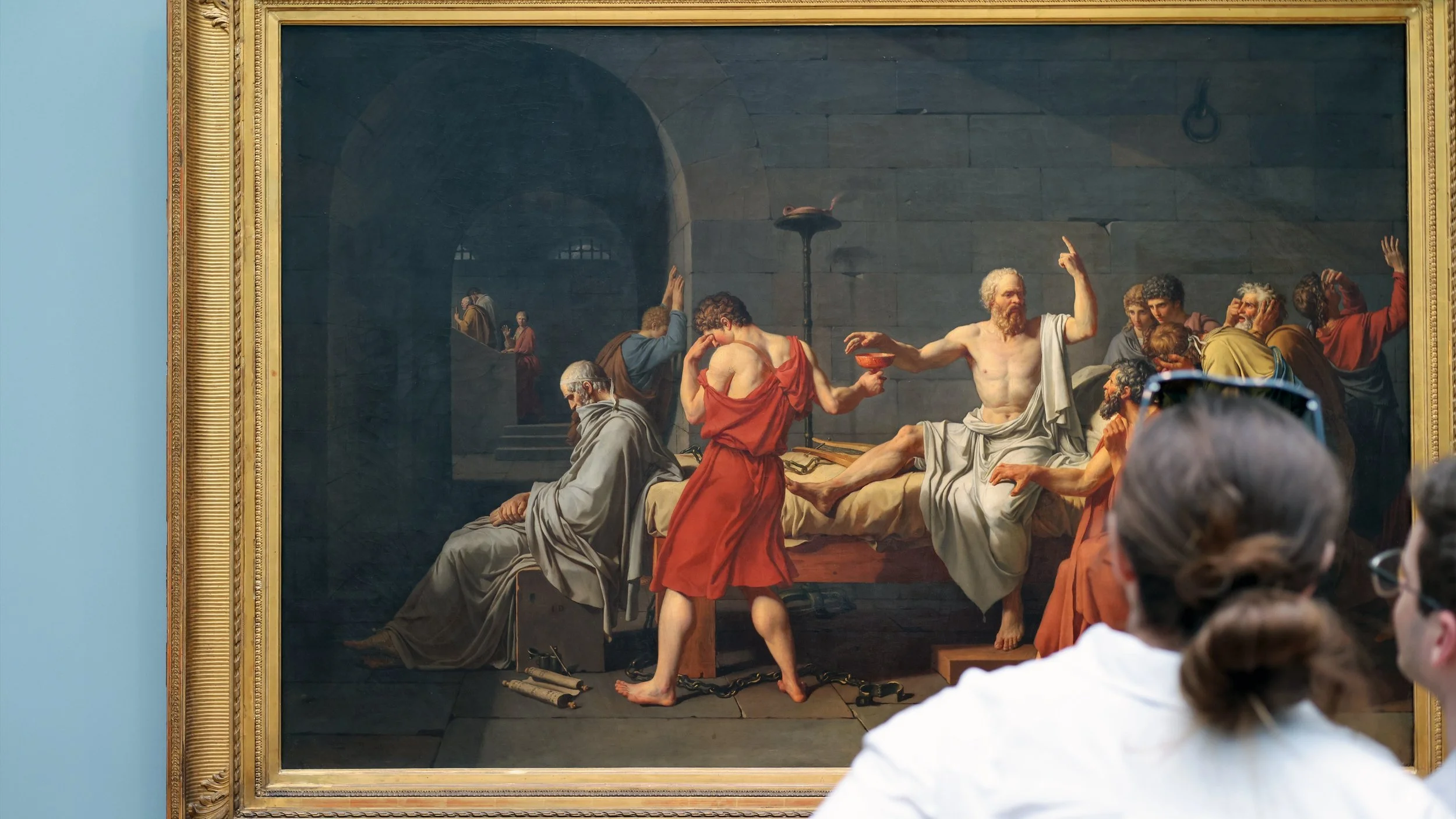
What is Neoclassicism?
Jacques-Louis David's The Death of Socrates is one of the best expressions of Neoclassicism paintings in Art History—find out why!
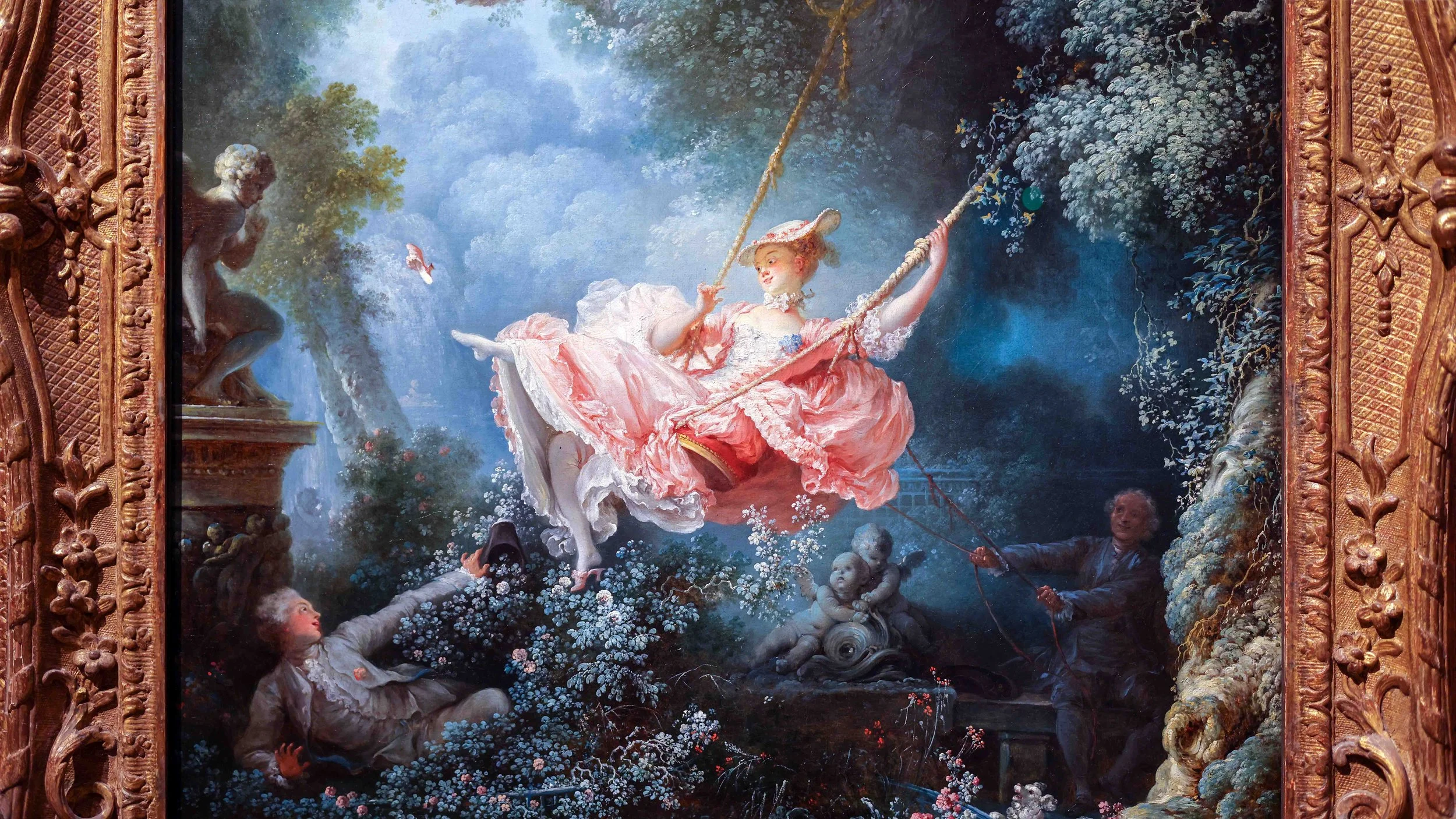
What is Rococo Art?
Fragonard's The Swing embodies the Rococo, an 18th-century art movement, which is one of the most distinctive in art history for its elegance, sensuality, and fascination with pleasure.
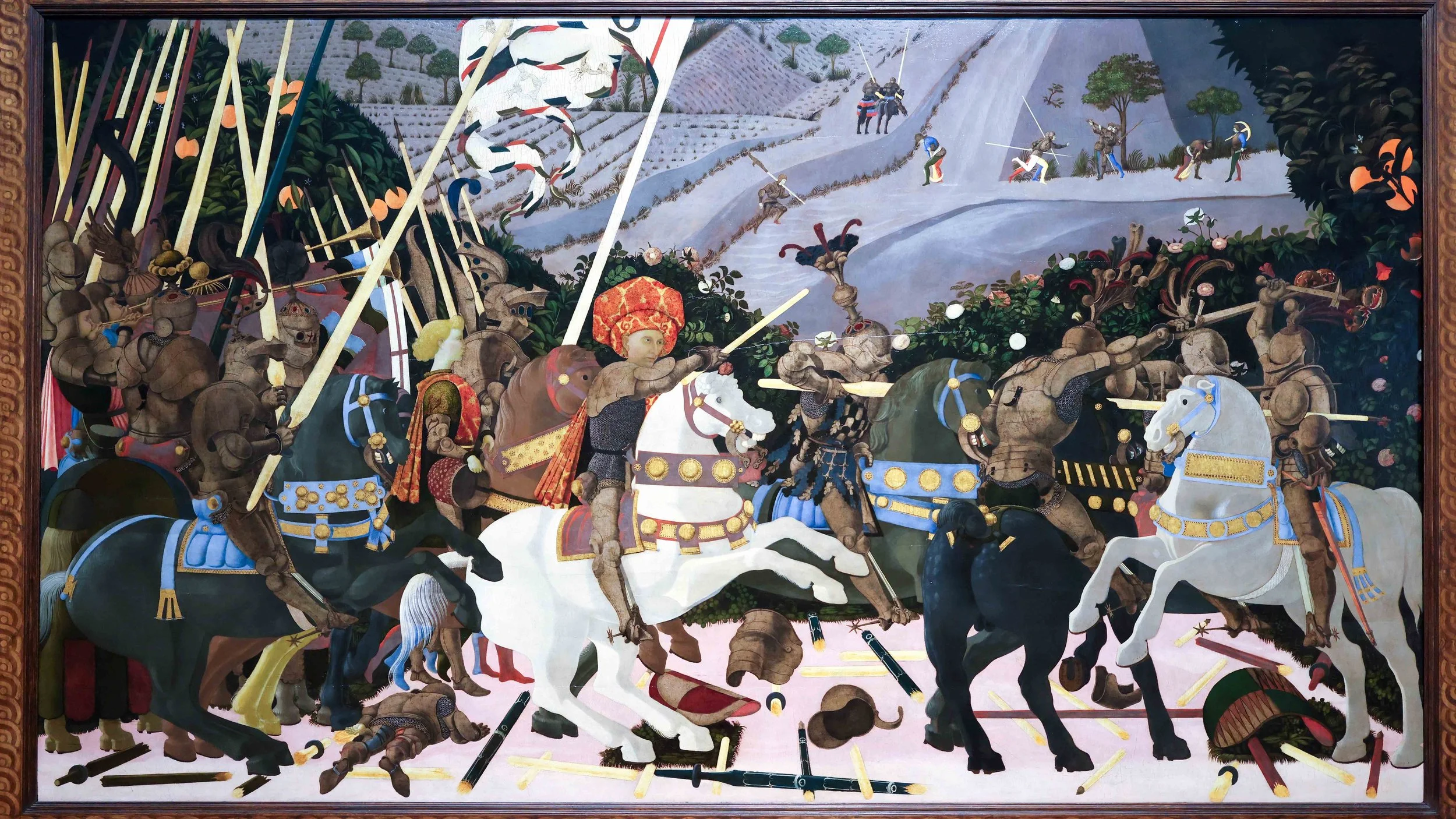
What is tempera paint? Explore with Paolo Uccello’s Battle of San Romano
Because tempera must be applied in many thin, quickly drying layers, its technique demanded precision and planning, helping explain the jewel-like detail and refined surfaces of Uccello’s work.

What is oil paint? Explore with Jan van Eyck's Annunciation
Jan’s mastery of light, color, and texture brings this divine moment to life. How did he do it? With oil paint!

Eleanora di Toledo, Duchess of Florence
In a spectacular portrait of Eleonora di Toledo, the second Duchess of Florence, she sits beside her young son Giovanni.

What is a Nazca Double-Spout and Bridge Vessel?
Learn about Nazca ceramics, specifically double-spout and bridge vessels.

New multimedia glossary for art history
ARTSQ launches a multimedia glossary of important symbols, subject matter, materials, and techniques in art history.

What is lacquer?
In this video, we dive into East Asian lacquer, featuring a gorgeous red-and-black lacquer plate dated to the 3rd century BCE.
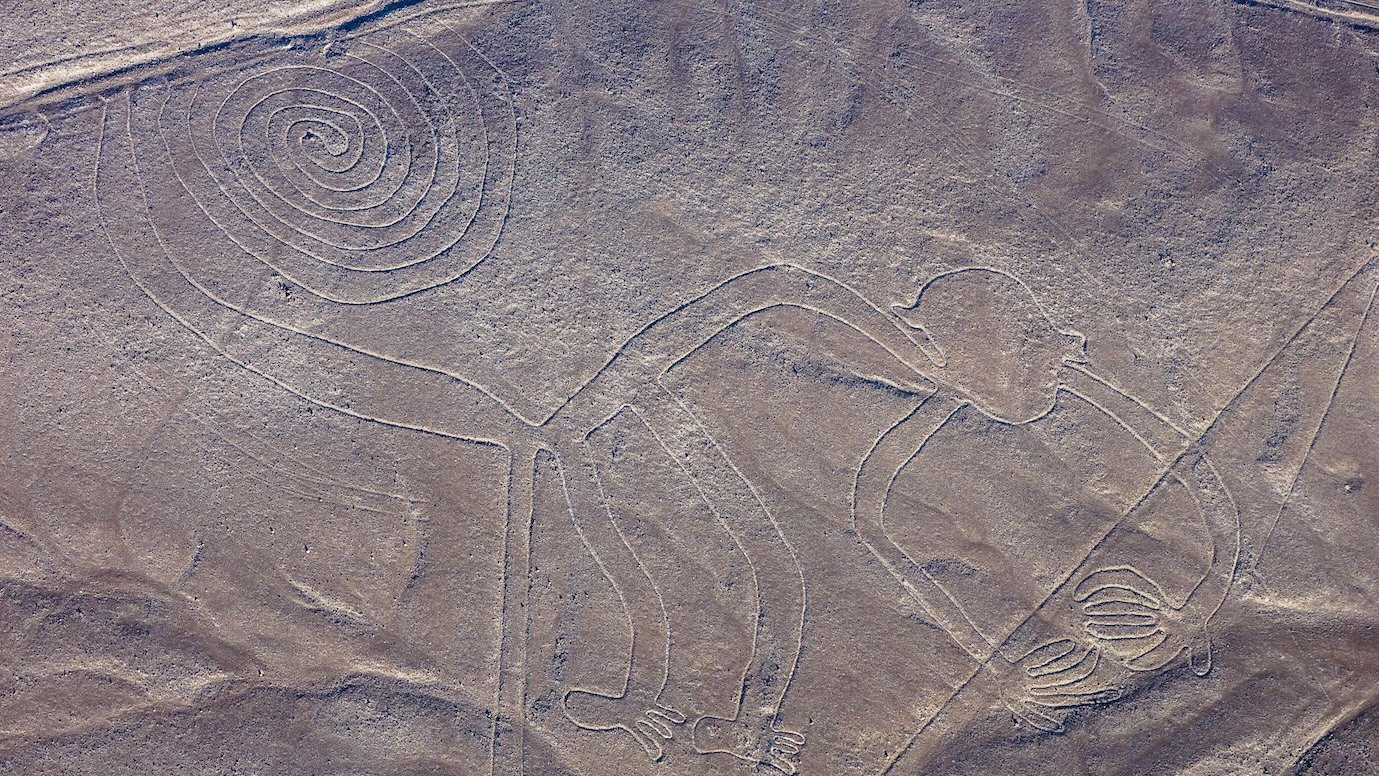
The Nazca Lines in Ancient Peru
Learn about the famous Nazca Lines, ancient geoglyphs in Peru.