
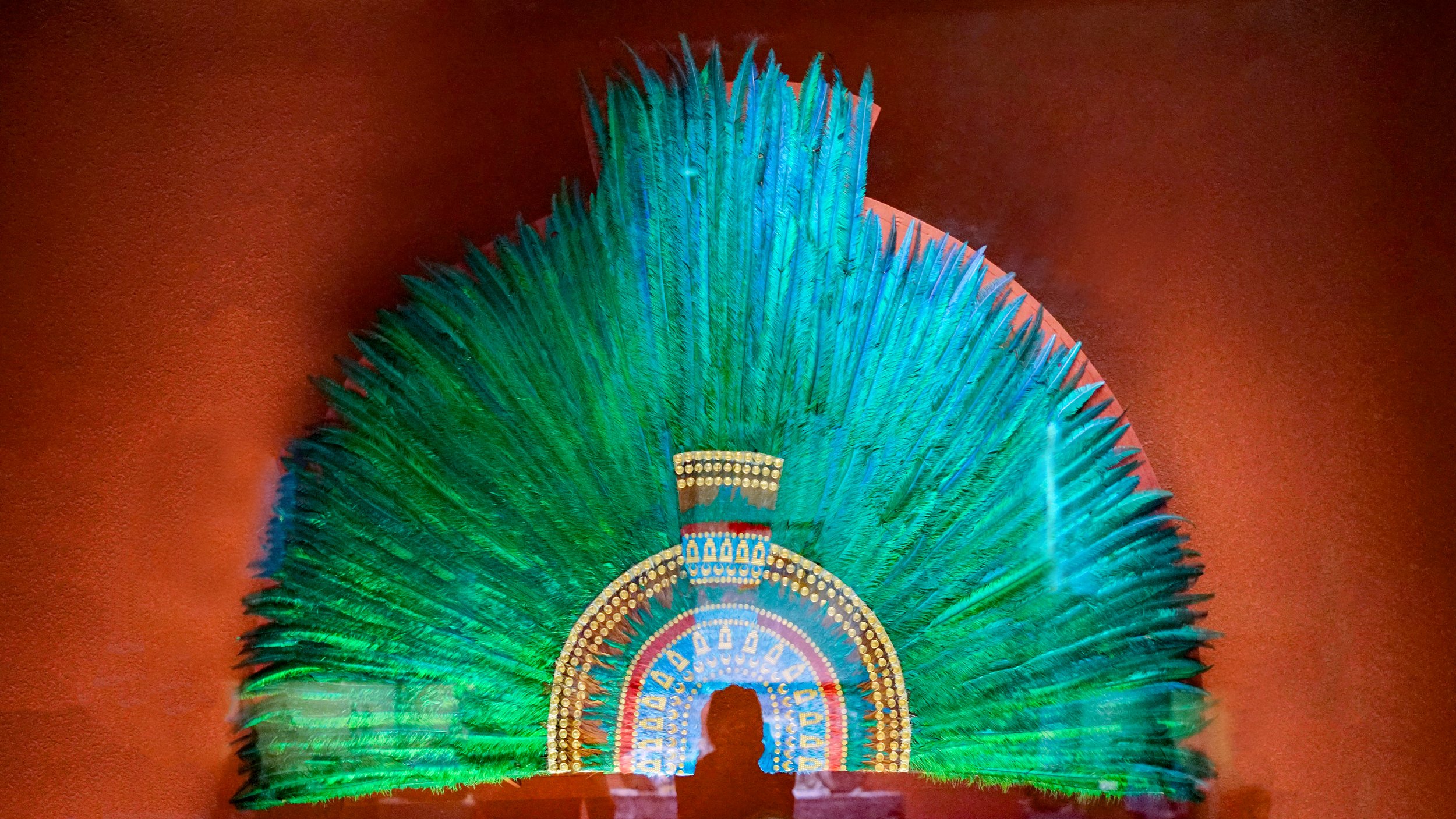
Aztec feather art more precious than gold (featherworks)
Feather objects like feathered headdresses were popular for much of Mesoamerican history, and the Aztecs of Central Mexico created some of the most spectacular featherworks that still survive.
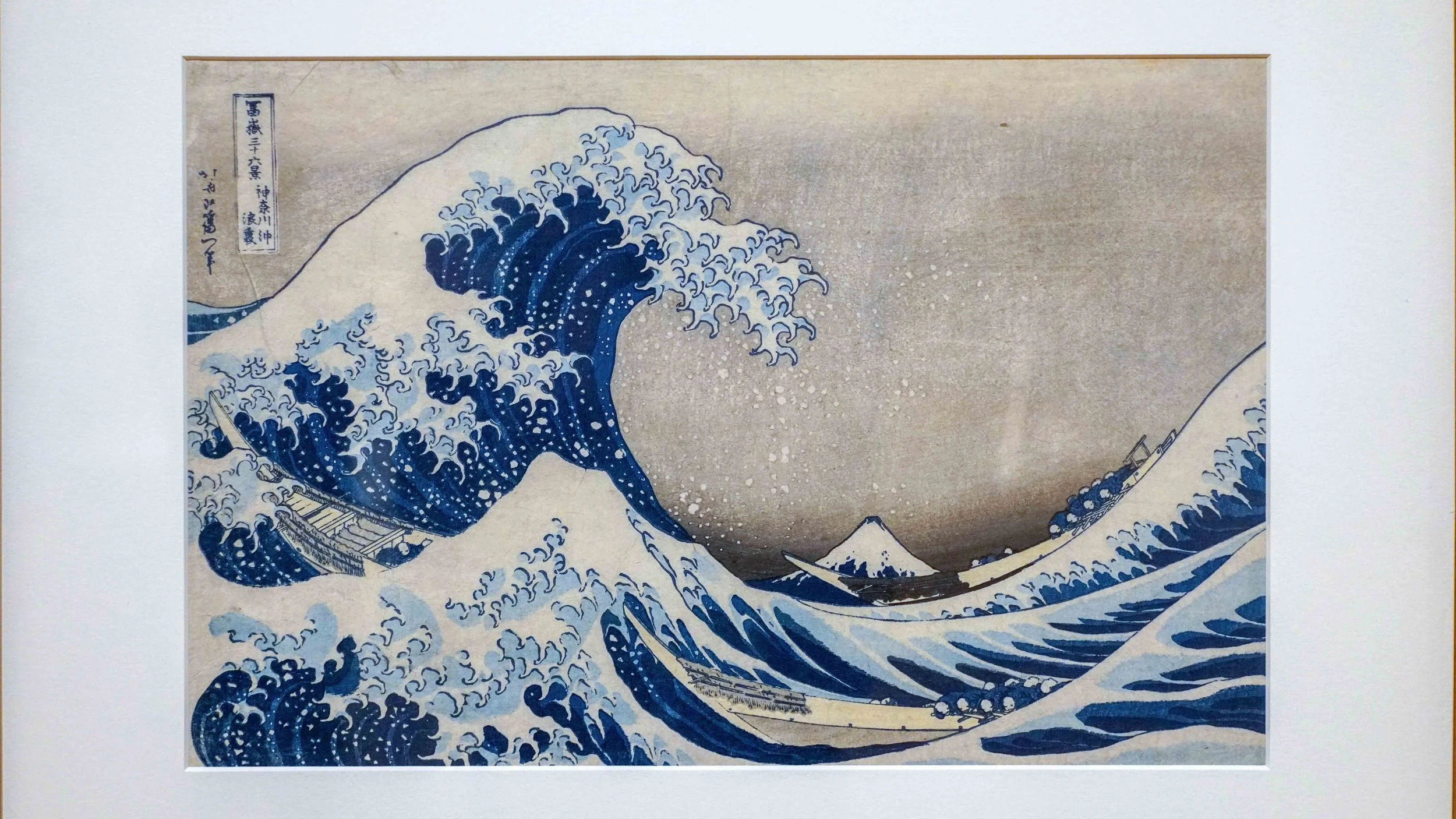
Getting to know Hokusai’s The Great Wave
Hokusai’s The Great Wave print isn’t just famous in Japanese art, but it is one of the most recognizable images in the history of art worldwide!

A symbol of Heaven? A Chinese jade bi disk
What can a jade disk crafted in Neolithic China tell us about the cosmos? These circular disks may be connected to early Chinese views of the universe that consisted of a square Earth and a round (circular) canopy that represented Heaven.

The largest pyramid in the world
The largest pyramid in the world isn’t in Egypt. Do you know where it is?
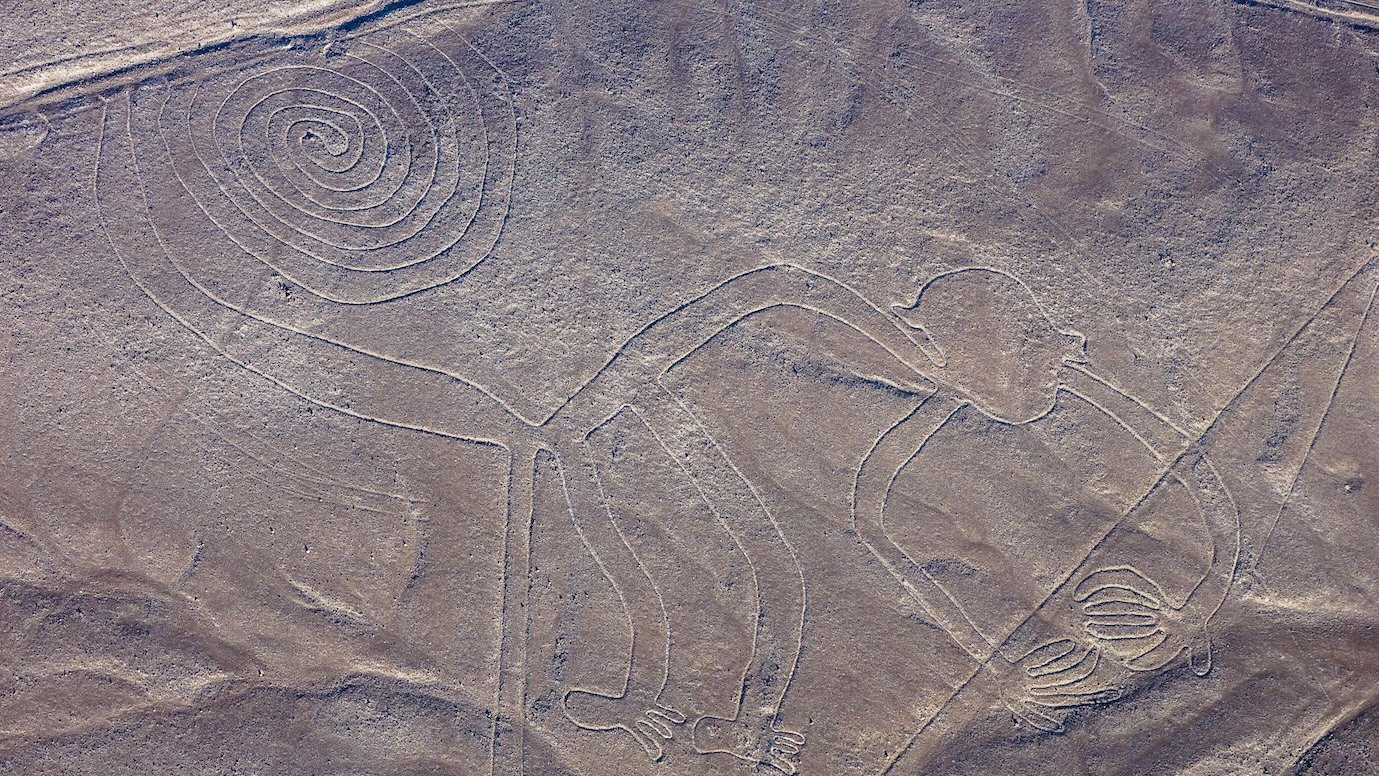
The Nazca Lines in Ancient Peru
Learn about the famous Nazca Lines, ancient geoglyphs in Peru.

The death mask of the most famous ancient Maya king
When archaeologists managed to slide the lid off a sarcophagus and look inside, they found Pakal’s body covered in jade ornaments. A jade mask covered Pakal’s face. And all of these helped to transform him into the Maize God!
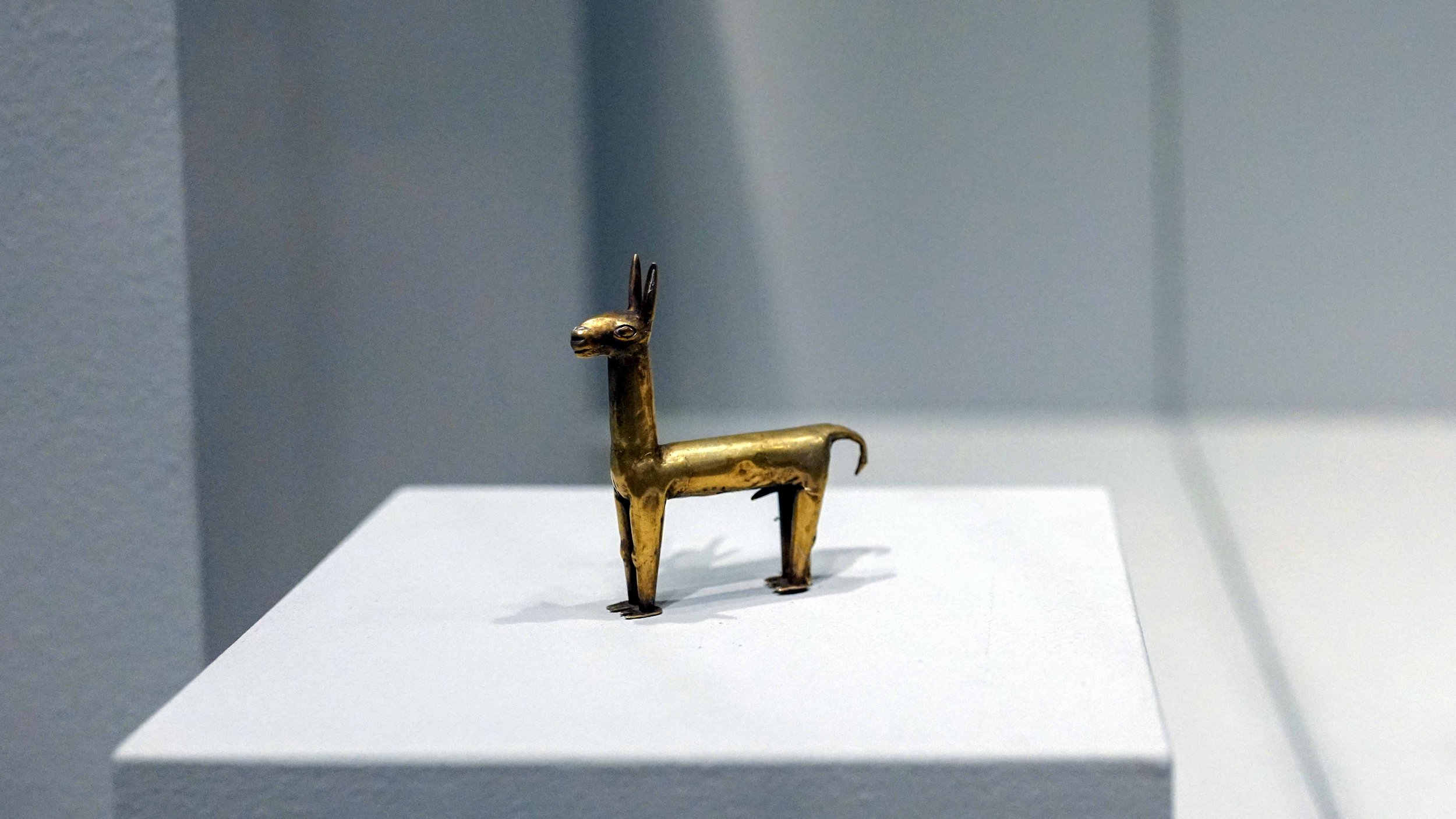
Little luxurious llamas in the Inka Empire
Golden and silver llamas made by Inka artists more than 500 years ago in South America are tiny and shiny. These cute figurines give us some insight into the powerful and massive Inka Empire, which had about 12 million people in it at its height!

Tlatilco culture and an ancient fish figurine in Mesoamerica
Dive into the captivating world of ancient Central Mexico with a vibrant figurine showing a fish!

Bones and the Zapotec at ancient Monte Albán | Mesoamerican Art
Get to know a little about bones in art and ancient Zapotec culture at Monte Albán in Oaxaca, Mexico.
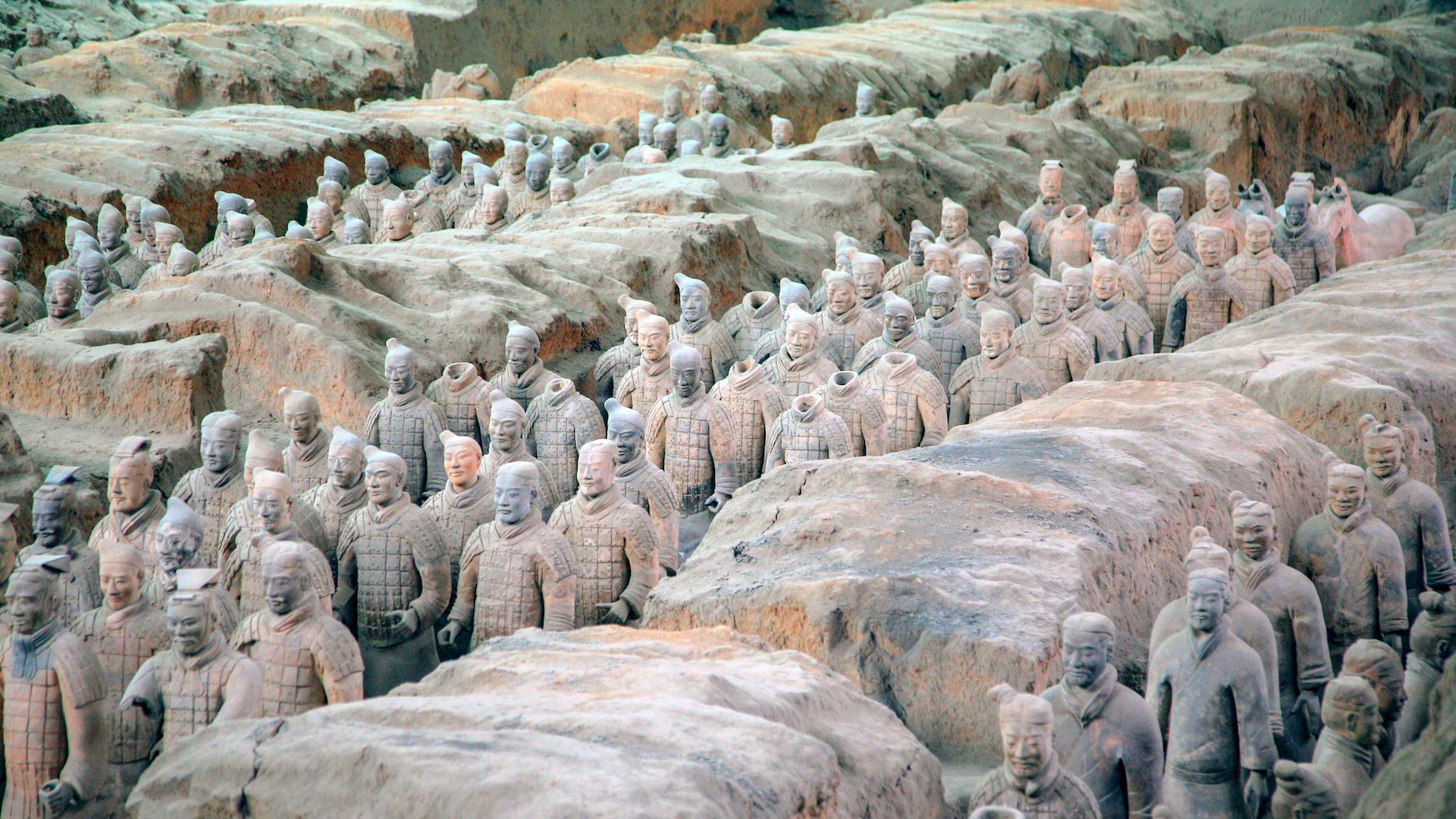
The Illusion of the Terracotta Army, Tomb of the First Emperor of China
The tomb of the First Emperor of China, who died in 210 BCE, was never excavated, but in the 1970s three pits were found nearby that contained a terracotta army! These pits contained over 8,000 life-size terracotta warriors lined up in trenches in military formation.
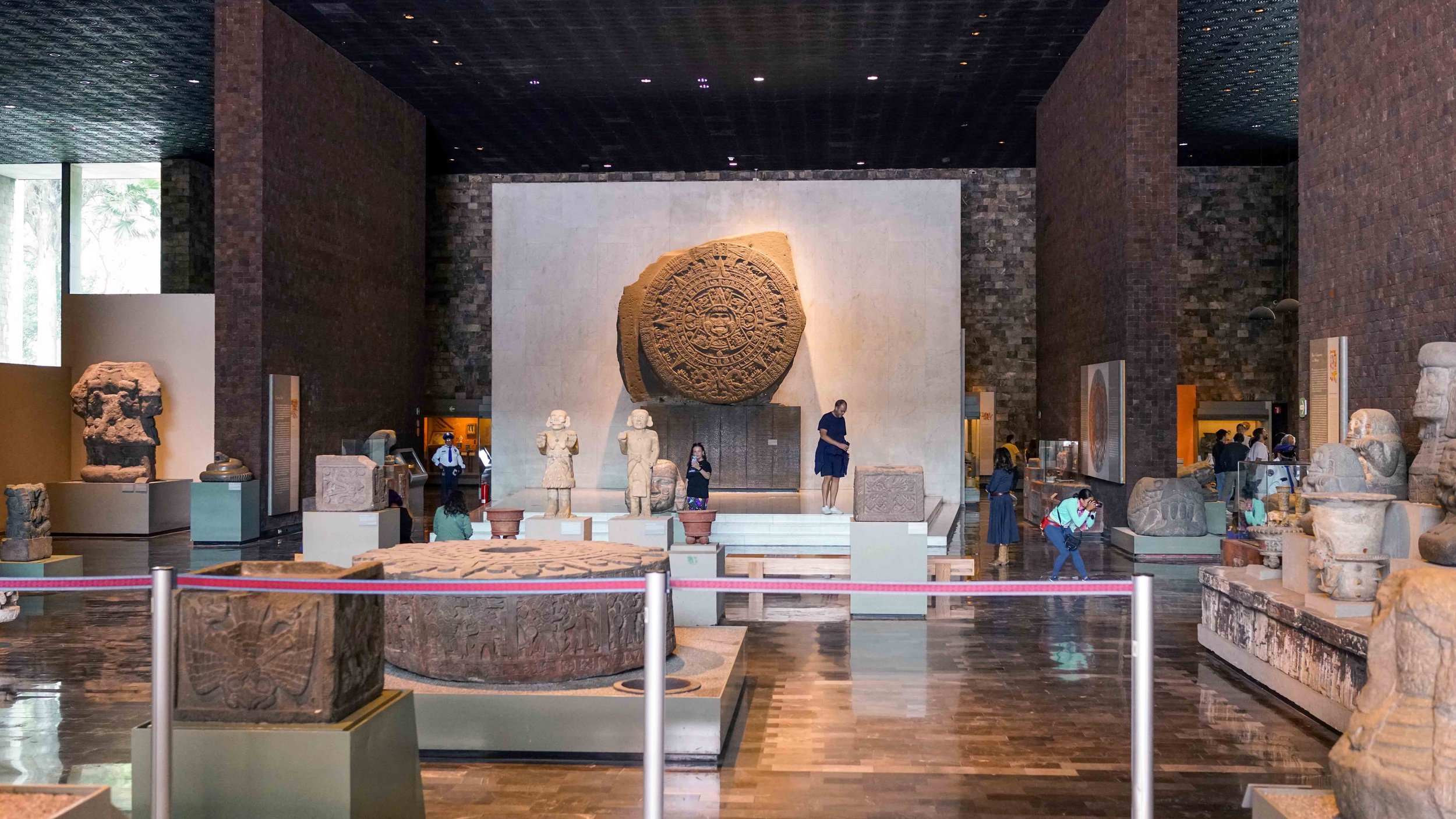
The Aztec Sun Stone or “Calendar Stone”: The most famous Aztec artwork
The most famous Aztec artwork—the “Calendar Stone” or Sun Stone, today in Mexico City’s National Museum of Anthropology

A journey into paradise at the Phoenix Hall in Japan
Travel back in time to explore the Phoenix Hall at Byōdō-in Temple in Uji, Japan and Pure Land Buddhism. Learn about the origins of this magnificent temple and how it symbolizes the teachings of Buddhism.
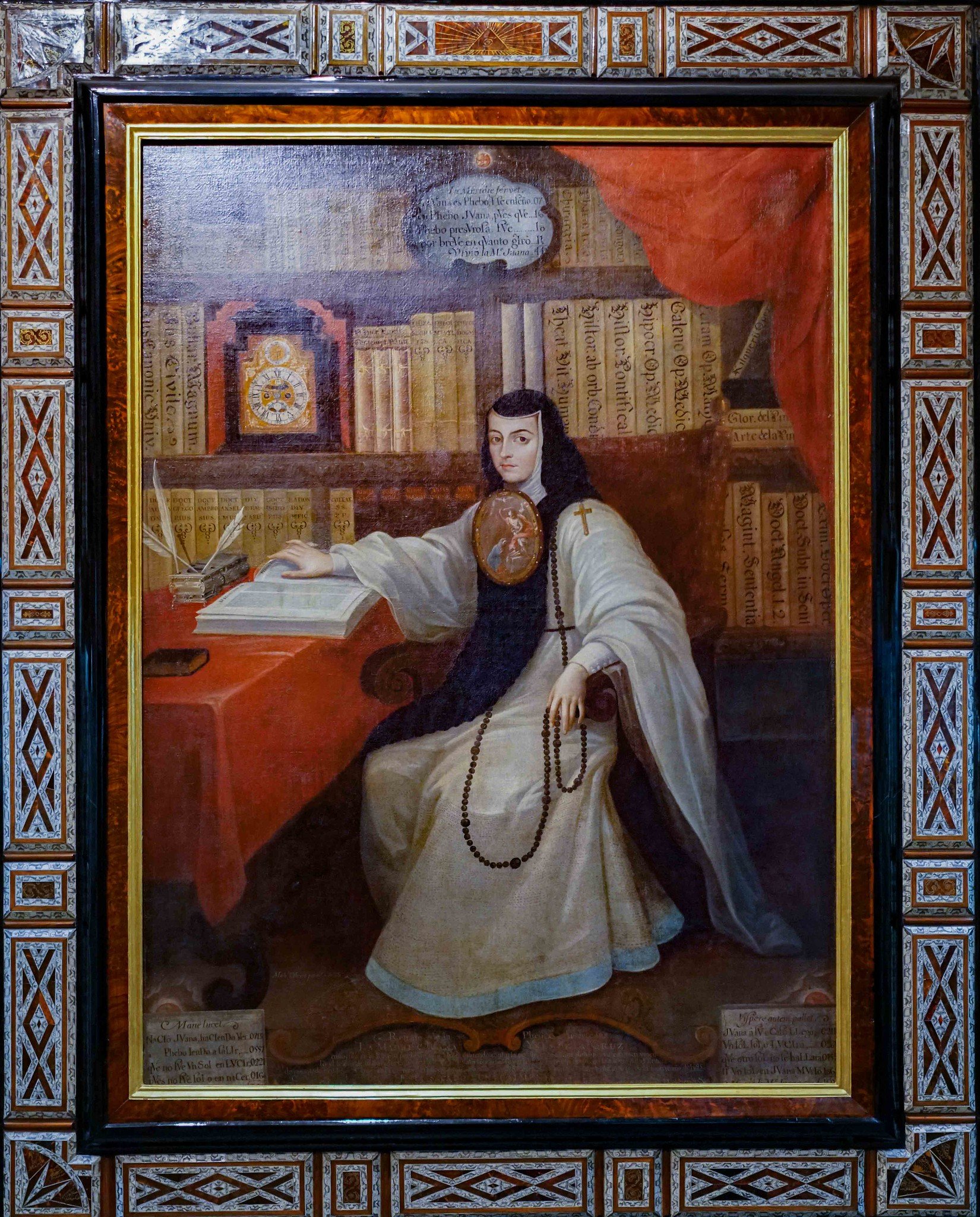
Famous paintings everyone should know: Miguel Cabrera’s Sor Juana Inés de la Cruz
It's a painting everyone should know but probably doesn't! The portrait of Sor Juana Inés de la Cruz was painted by the most famous artist of New Spain (colonial Mexico) in the 18th century.
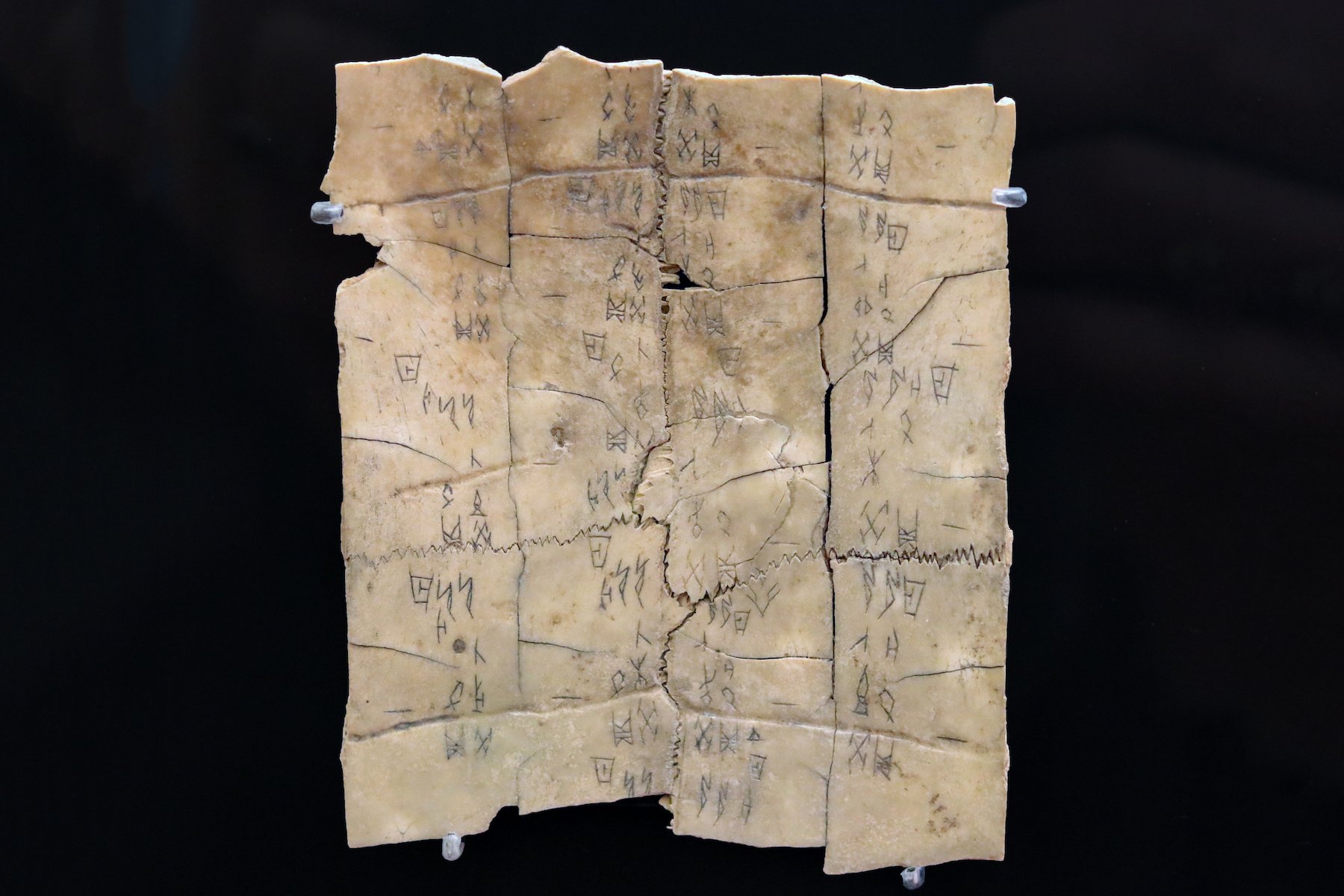
Predicting the future with turtle shells
How did ancient Chinese kings predict the future with turtle shells? Why did Shang dynasty king Wu Ding use turtle shells and animal bones to resolve his terrible toothache?

Visiting Mexico City with kids
We visited many fantastic museums and historic sites during our week in Mexico City, with kids in tow. Even if you have never been to Mexico City and speak little to no Spanish, have no fear! It is a navigable city with a lot to do in a few areas.
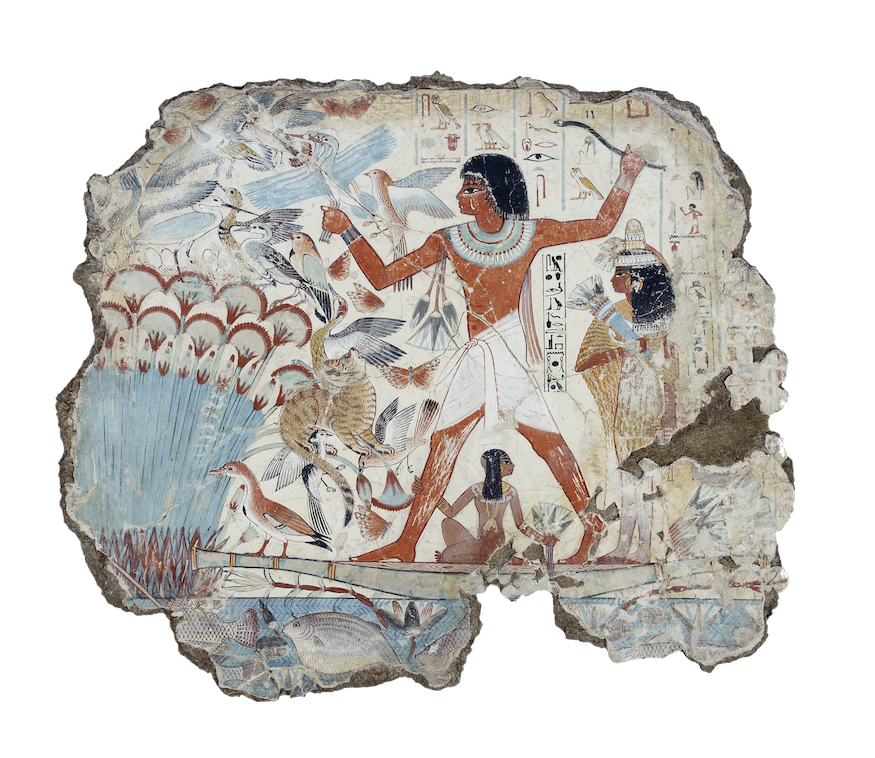
Ancient Egyptians loved cats
Are you ready to step back in time with us and unravel the mysteries of cat worship, mummification, and the rich symbolism surrounding these cats in ancient Egypt? If you're a cat lover or hiss-tory enthusiast, our video is for you! It’s pawsitively awesome.
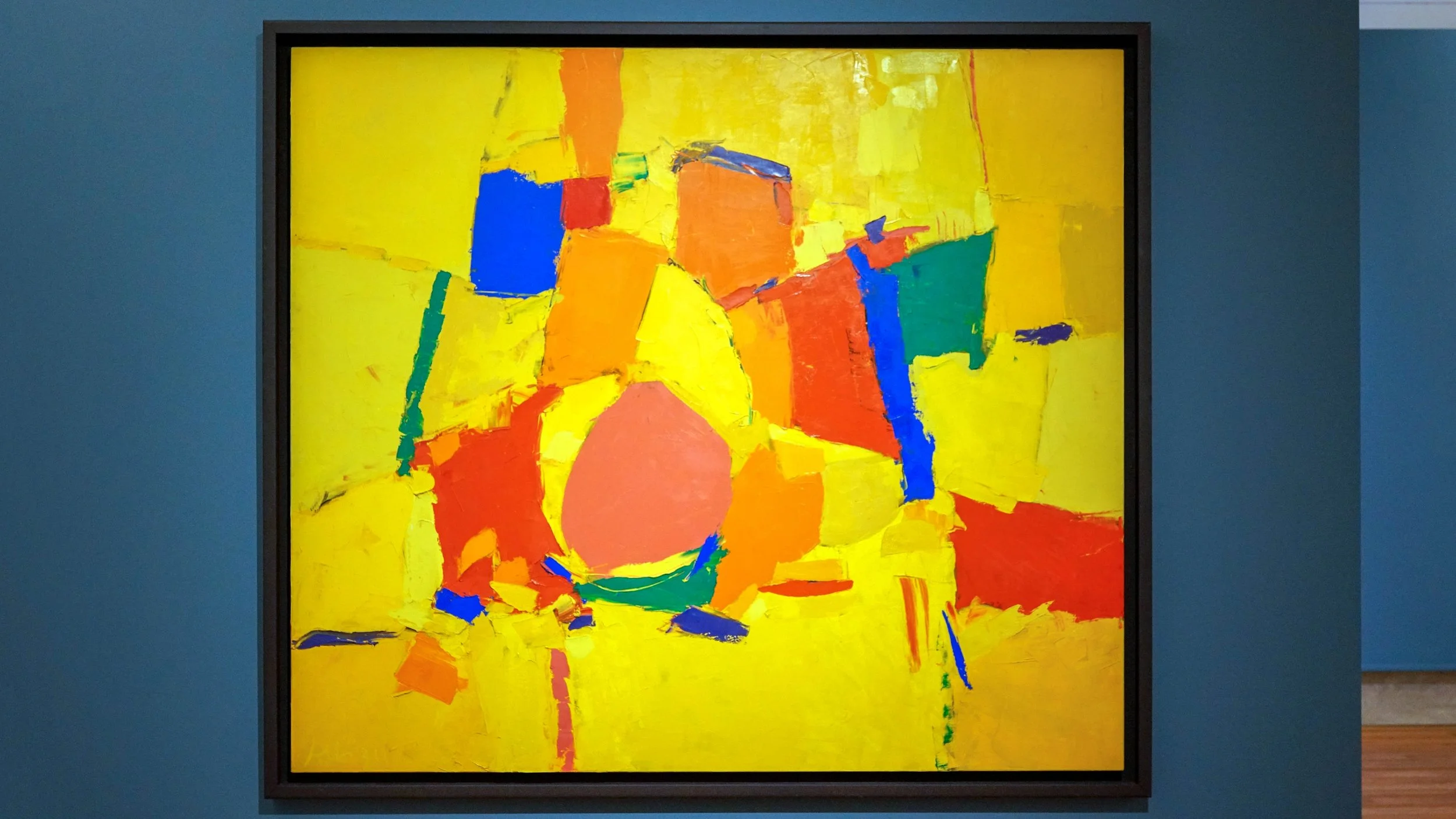
Close looking at abstract art | Olga Albizu's 900-50-80
How should we understand an abstract painting like Olga Albizu’s 900-50-80 from 1978?
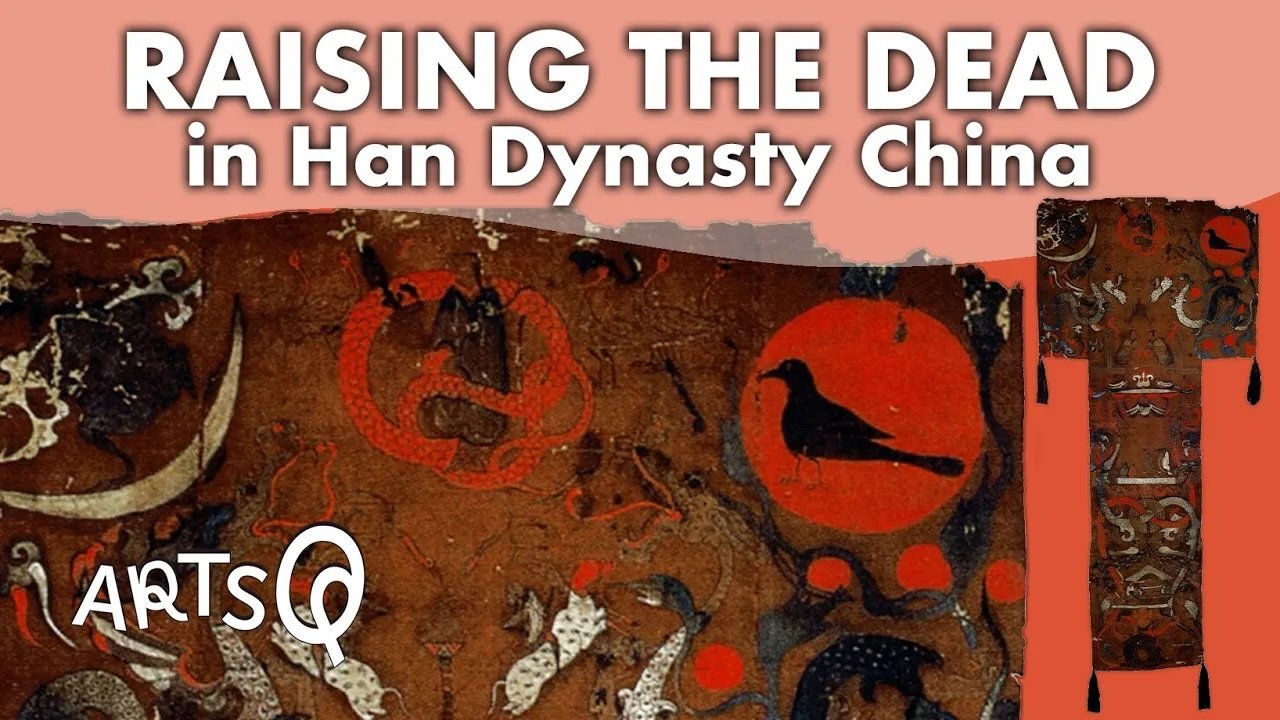
Five fun facts about the Tomb of Lady Dai (Xin Zhui)
This year archaeologists in China are celebrating the 52nd anniversary of the excavation of the Tomb of Xin Zhui (popularly known as “Lady Dai”) discovered at Mawangdui, in Hunan province, China in 1972. Over the next several months, we’ll be celebrating the excavation of Xin Zhui’s tomb in many different ways, but let’s start with five fun facts!
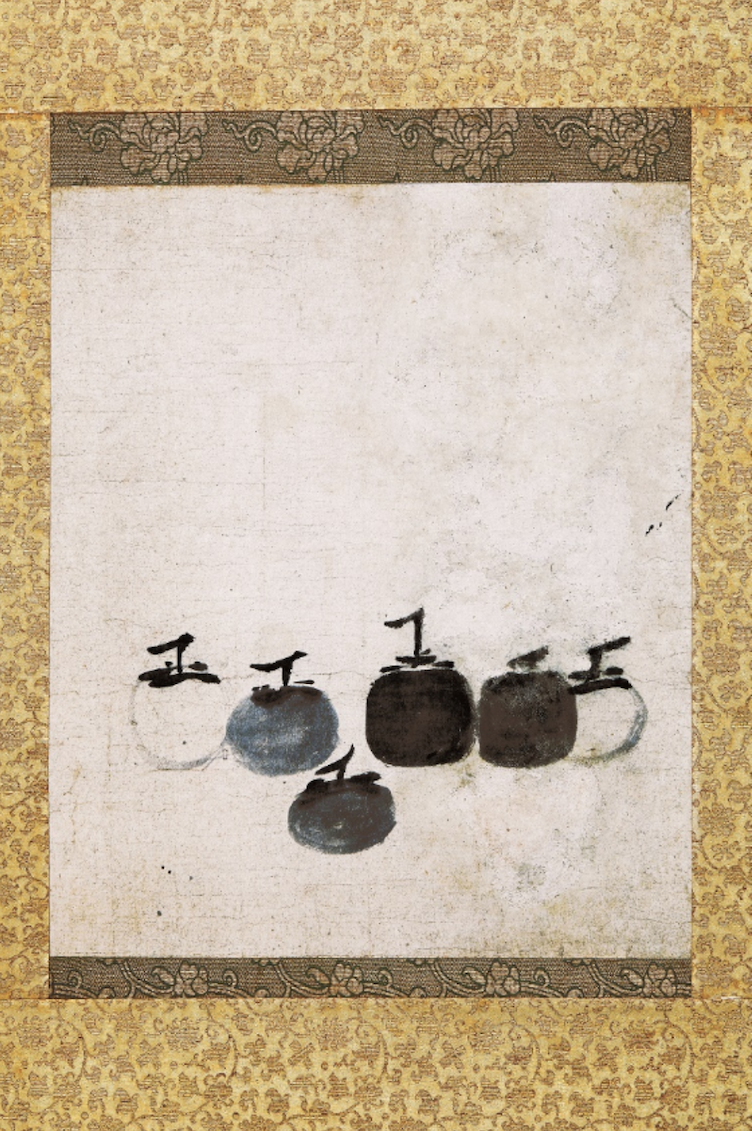
Muqi’s Six Persimmons: Learn about Chan (Zen) Buddhism
Muqi, a 13th-century Chinese Buddhist monk, created this famous monochrome ink painting of six persimmons. The monk painter captured the essence of these sweet fruits using very few brushstrokes.

Close Looking at surrealist artist Leonora Carrington's Self-Portrait with Rocking Horse
Is that a hyena, a rocking horse, and monster claws?