
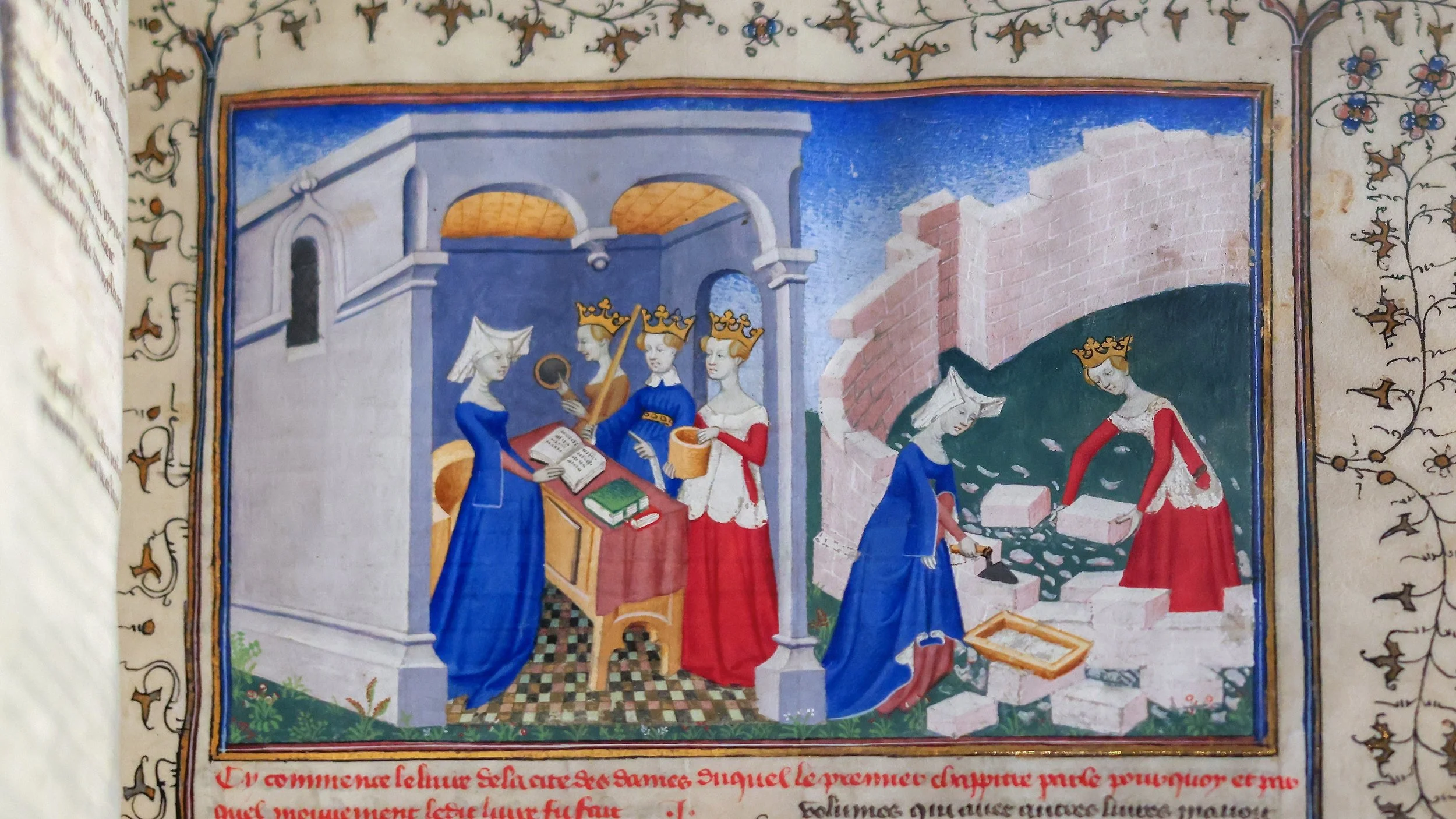
Christine de Pizan and the Book of the City of Ladies
Christine de Pizan was the first professional female author in Europe, as far as we know.
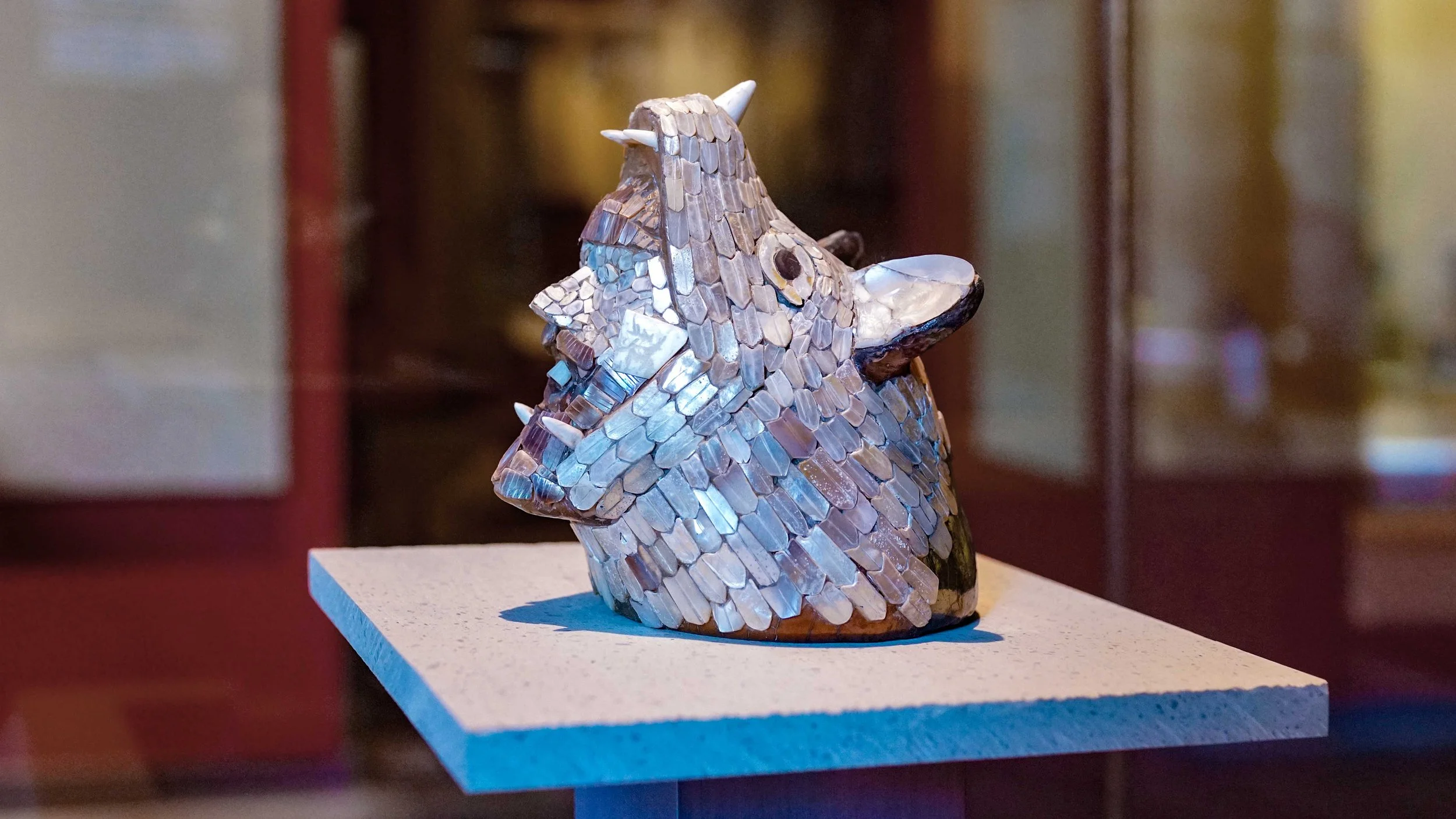
The Toltec Coyote Warrior of Tula
This Toltec plumbate ceramic figure is covered in shimmering shell mosaic, with carved bone teeth and a human face emerging from the coyote's mouth.
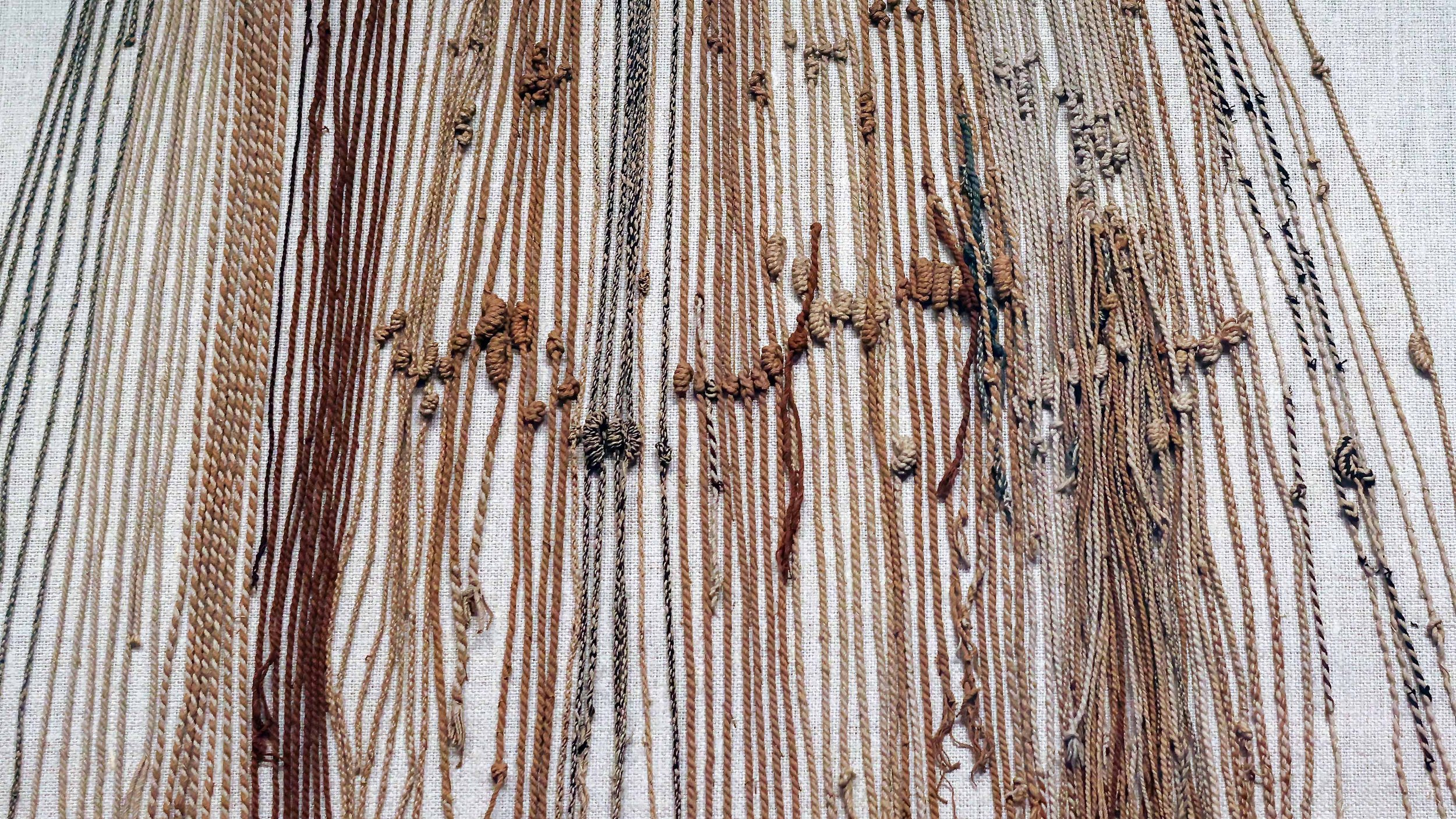
Quipus (khipus) in the Andes: Knotted cords as writing
Khipus (quipus) are a sophisticated record-keeping system used by the Inca (Inka) in the Andean region of South America.
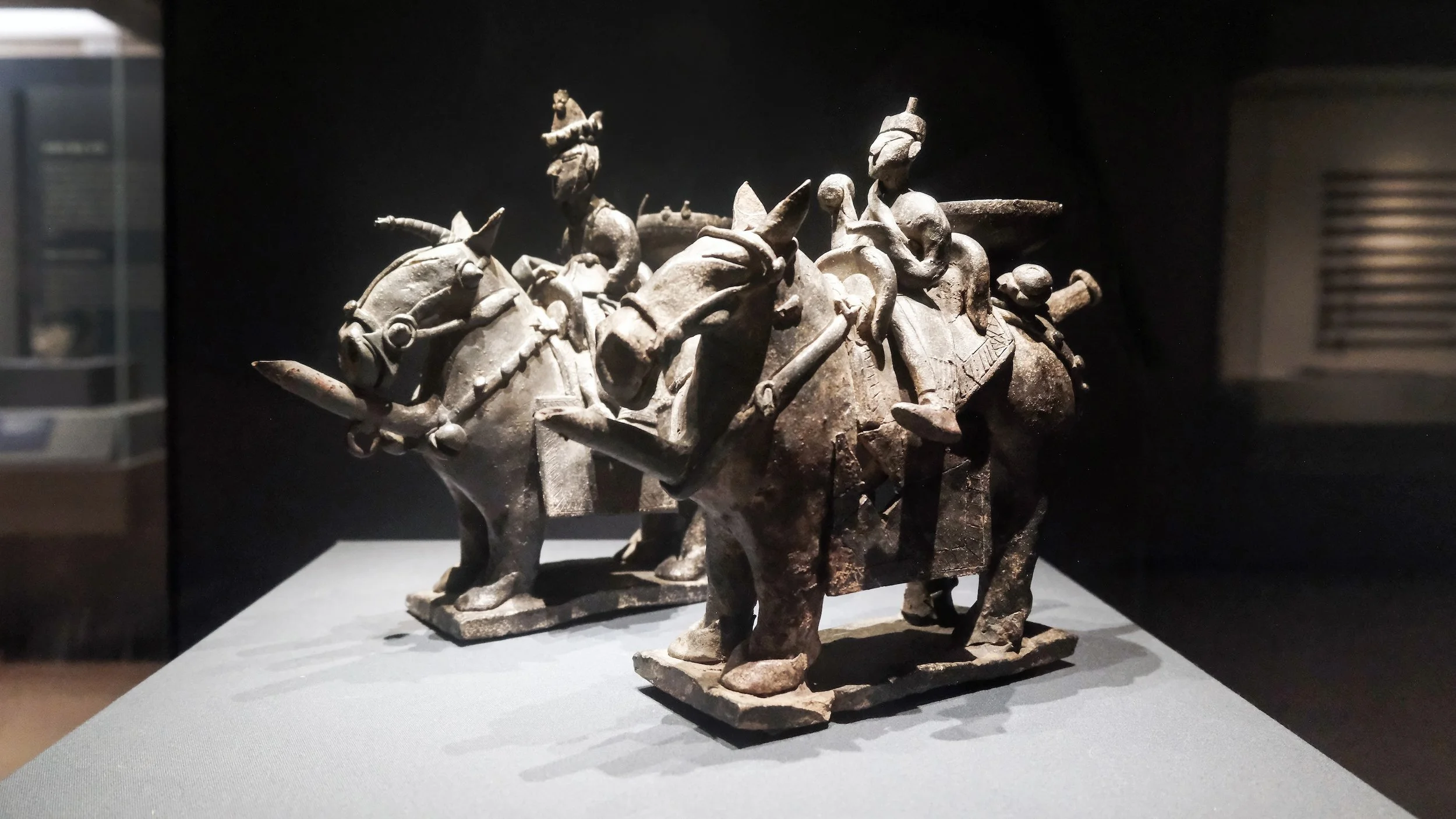
Silla horse-rider shaped vessels from the National Museum of Korea
Explore a pair of pouring vessels shaped like riders on squat horses, discovered in the 6th-century Geumnyeongchong, or “Gold Bell Tomb,” in Gyeongju, South Korea.
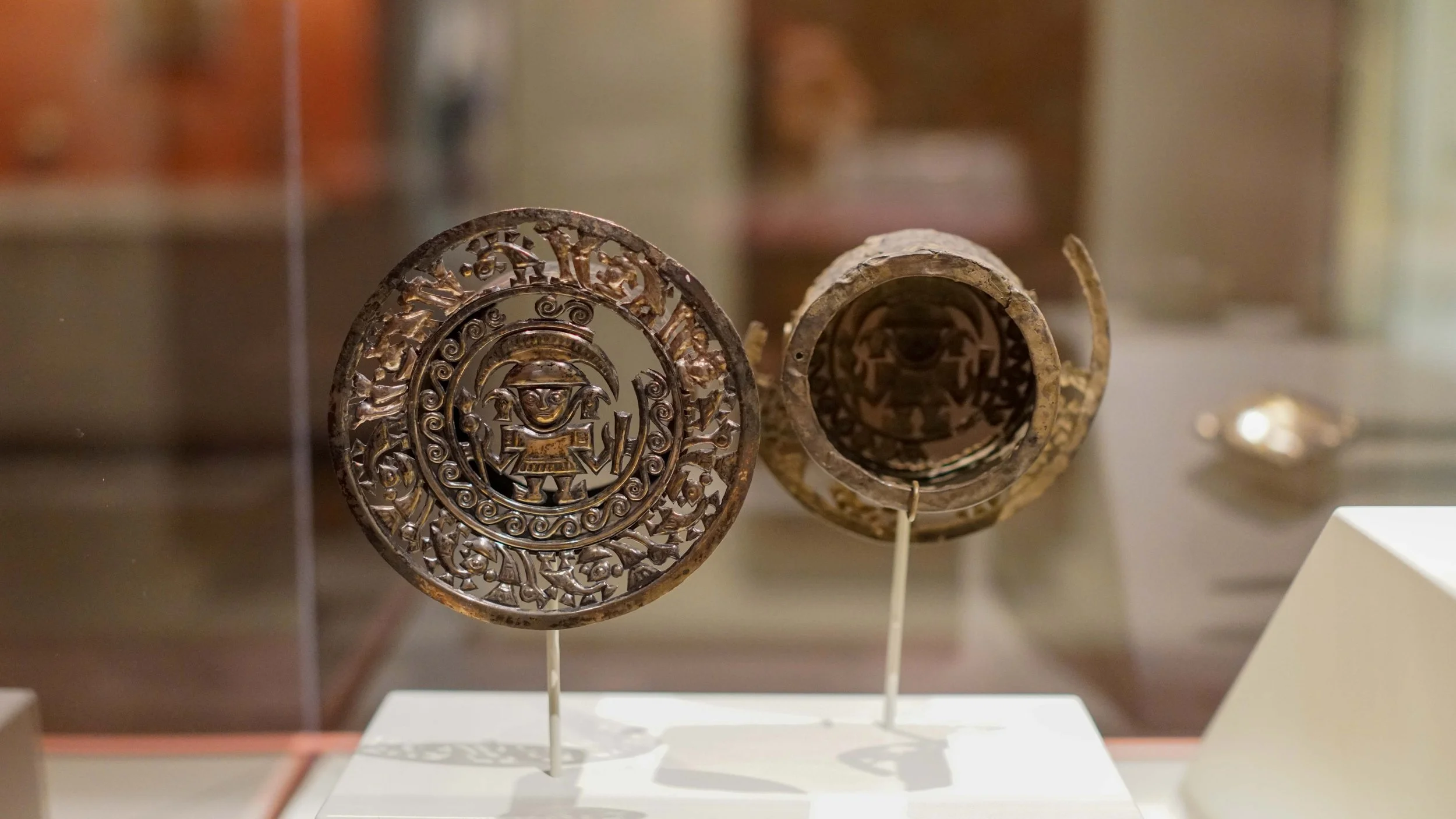
Ear Ornaments in the Pre-Columbian Americas
Among the many cultures of the ancient Americas, ear ornaments took many forms, including earspools, ear plugs, ear plaques, and ear flares.
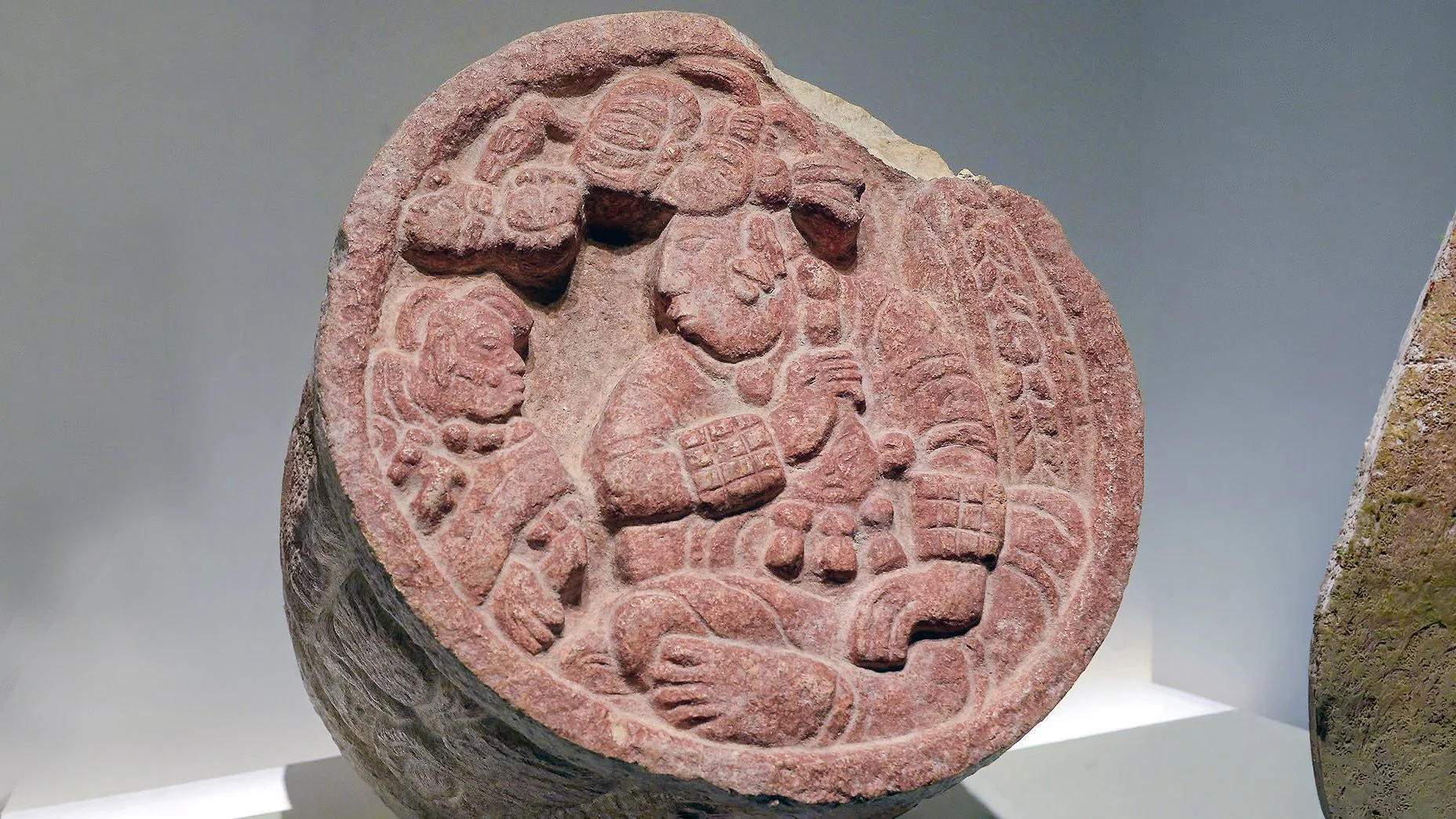
The Blood Queen from Edzná, the Maya ruler Lady Ixb’aah Pahk
In this video, we focus on Lady Ixb'aah Pahk', a ruler of the Maya city-state of Edzná in Campeche, Mexico.
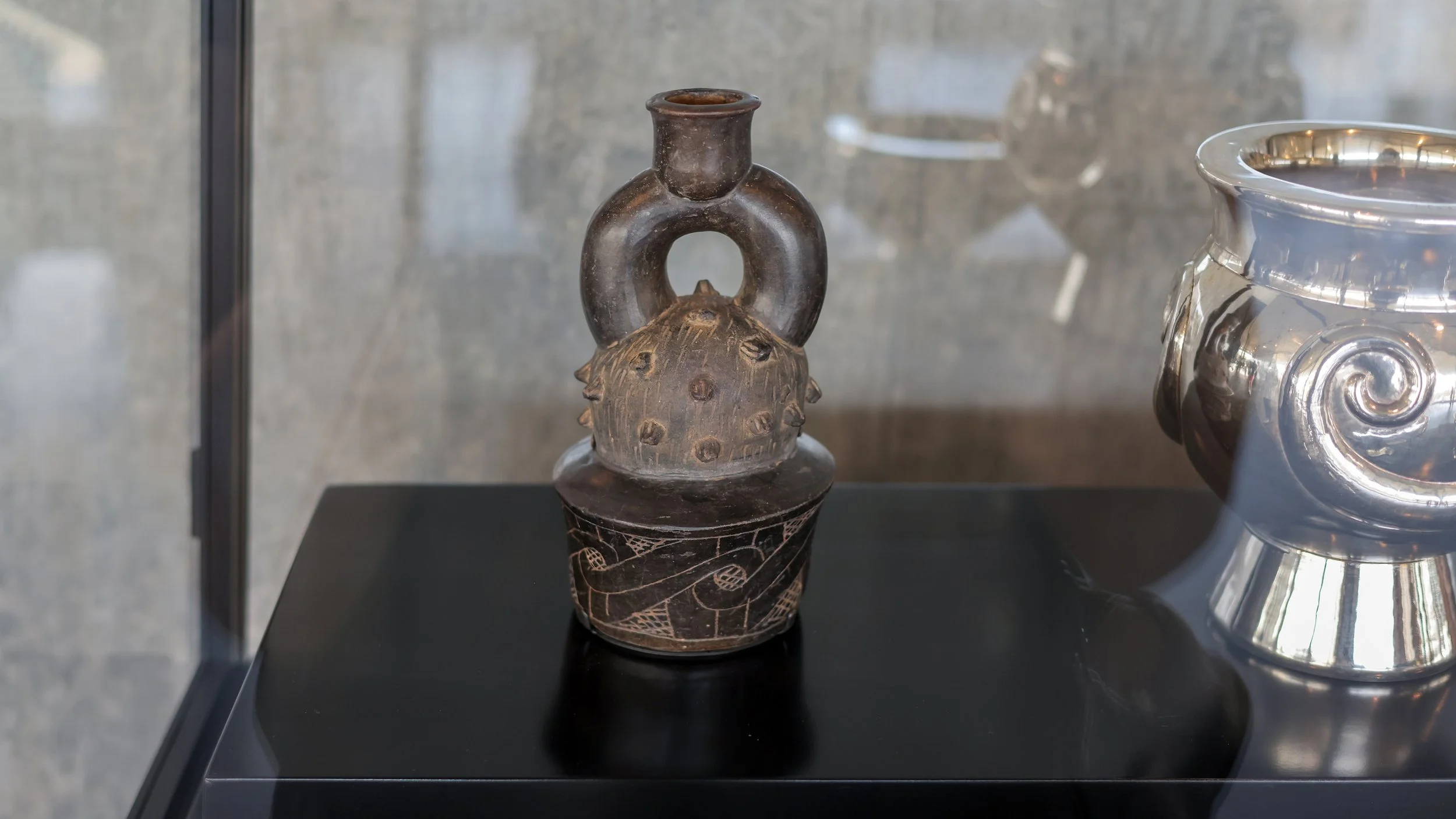
Cupisnique Vessel from Ancient Peru
Look at a clay vessel featuring a thorny oyster, made over two thousand years ago in Peru in the Cupisnique cultural tradition.
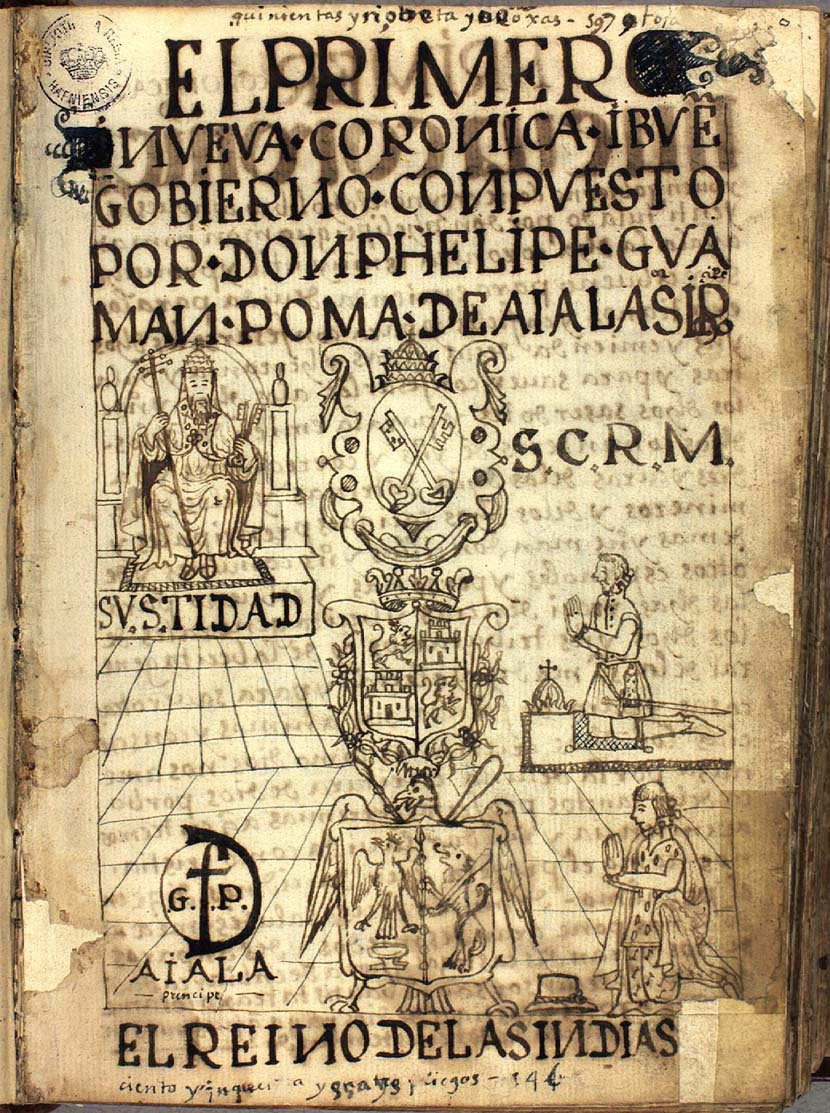
Felipe Guaman Poma de Ayala and The First New Chronicle and Good Government
Learn about Guaman Poma, the Indigenous author who documented pre-colonial and colonial Peru in a massive, illustrated manuscript. T
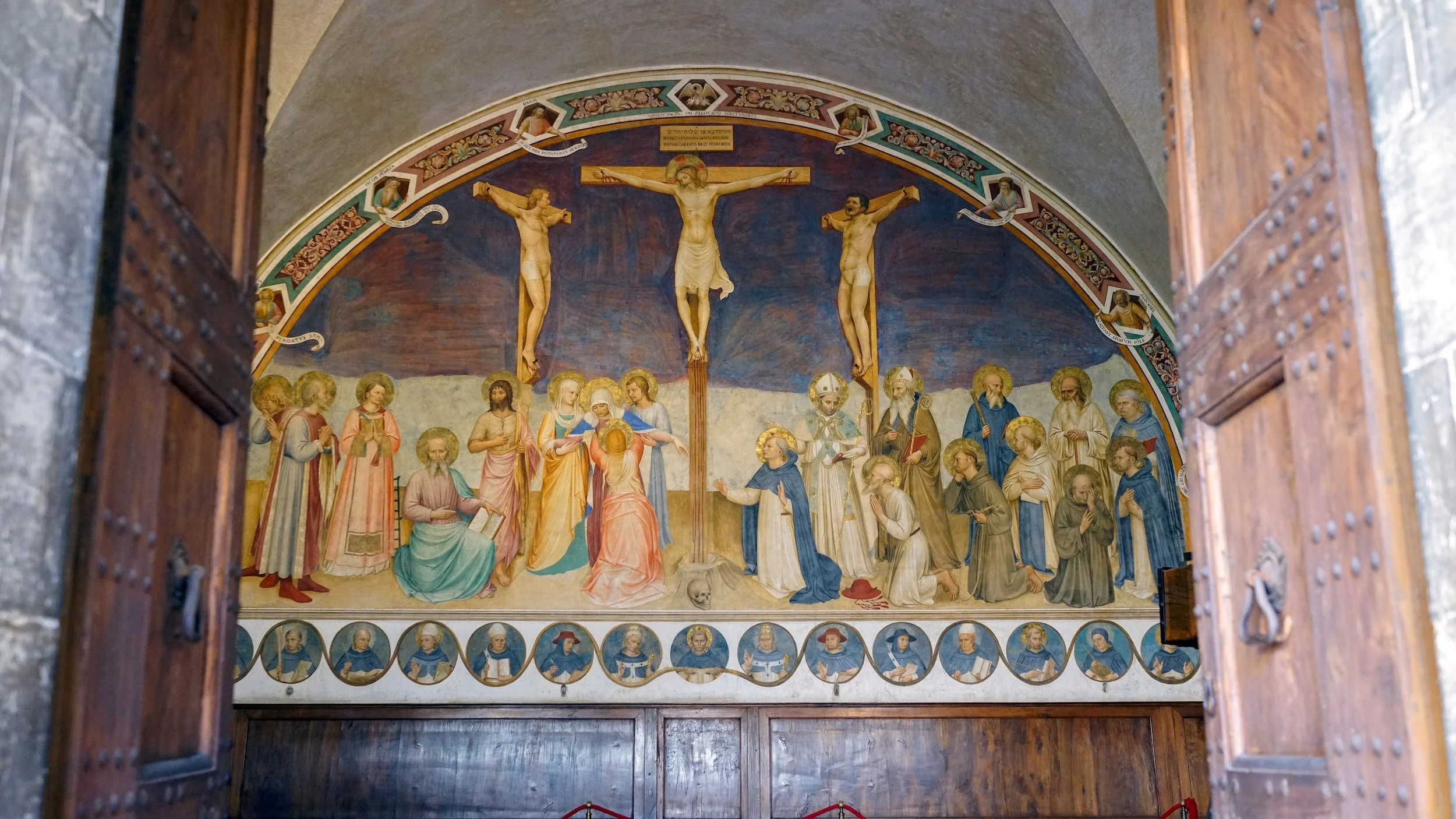
Fra Angelico, Crucifixion mural in San Marco
The monumental Crucifixion fresco in the Chapter room of the San Marco Monastery in Florence, Italy, provided the Observant Dominican friars who gathered there daily with powerful visual models for their communal religious life.
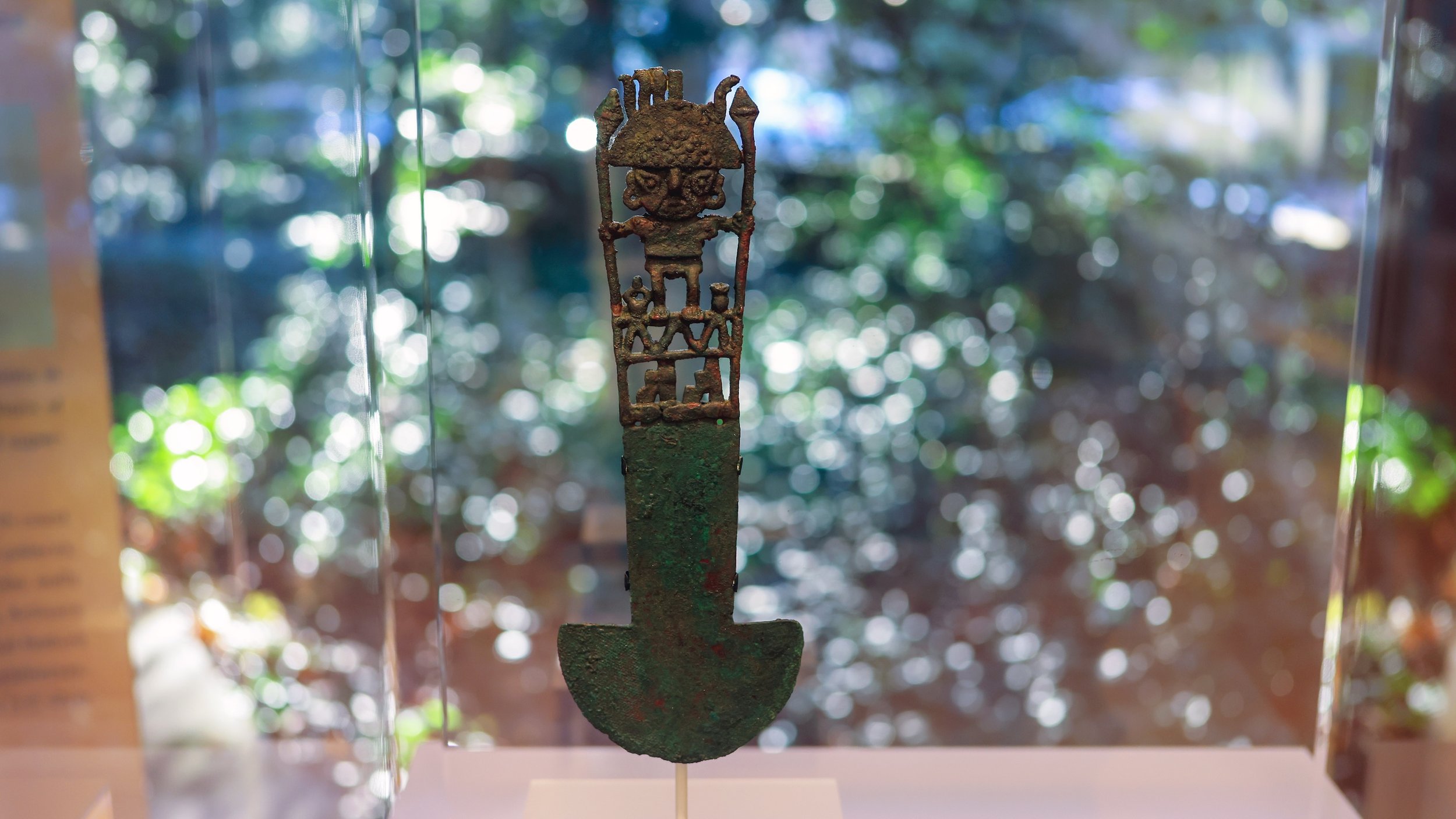
Lambayeque (Sicán) tumis or ceremonial knives
Learn what a tumi (ceremonial knife) is in the ancient Andes, looking in detail at Sicán (Lambayeque) examples in gold, silver, and turquoise.
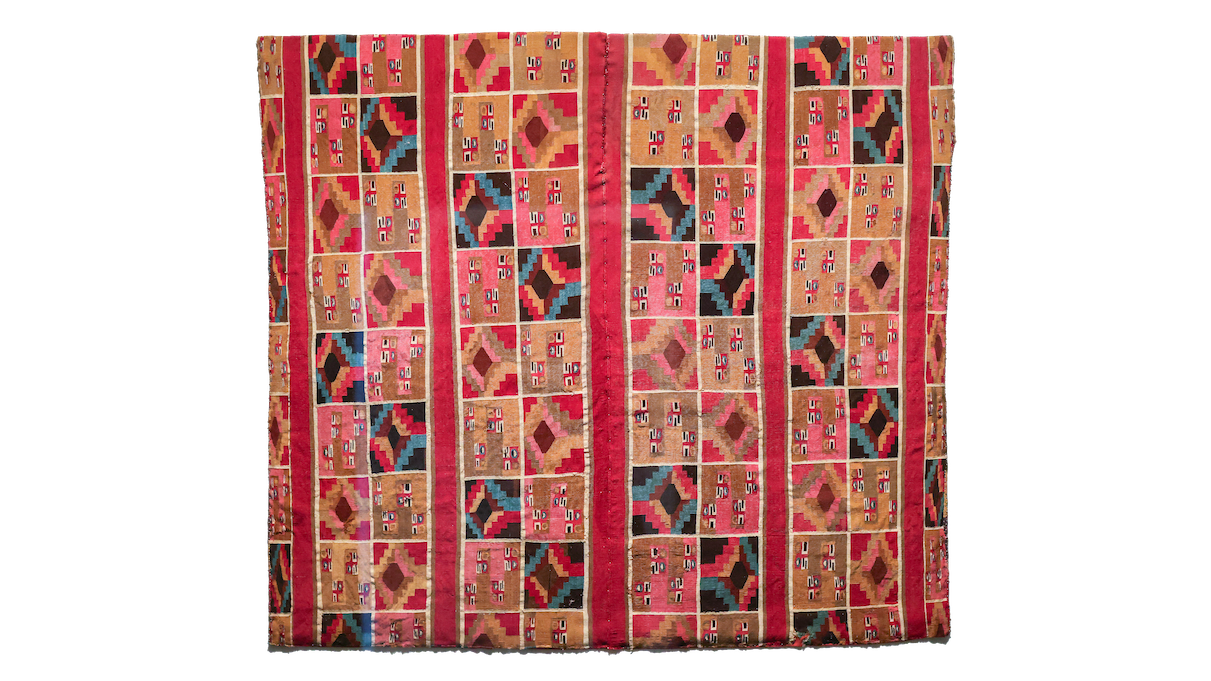
Wari Tapestry-Woven Tunic
Look closely at a tapestry-woven Wari tunic from 600 to 850 CE. This video considers how the Wari Empire used diverse materials to create complex textiles.
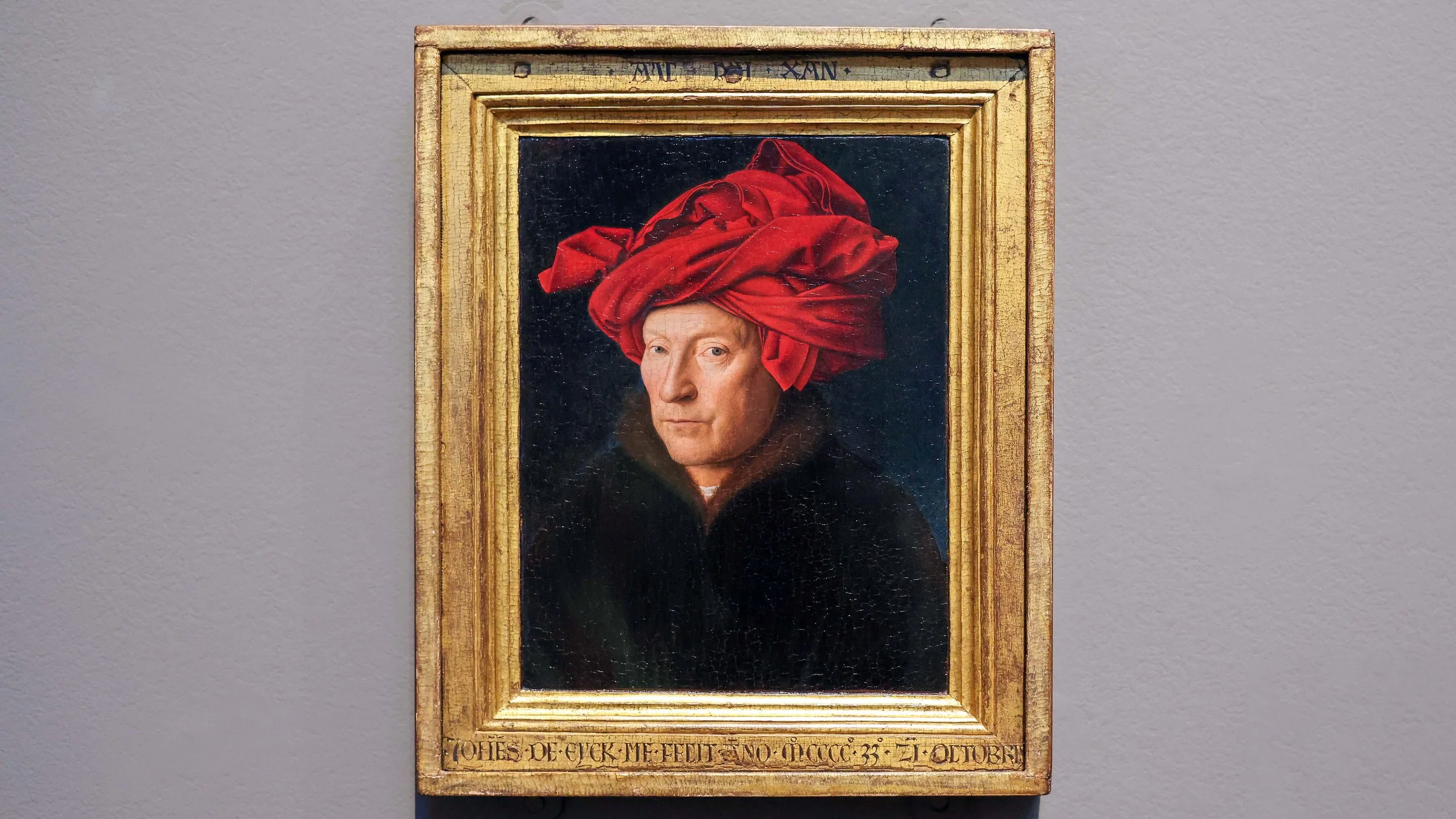
Jan van Eyck, Portrait of a Man (Self-Portrait)
With his piercing gaze, weathered features, and brilliant red chaperon, Jan van Eyck’s 1433 startlingly life-like portrait is widely believed to depict the artist himself.
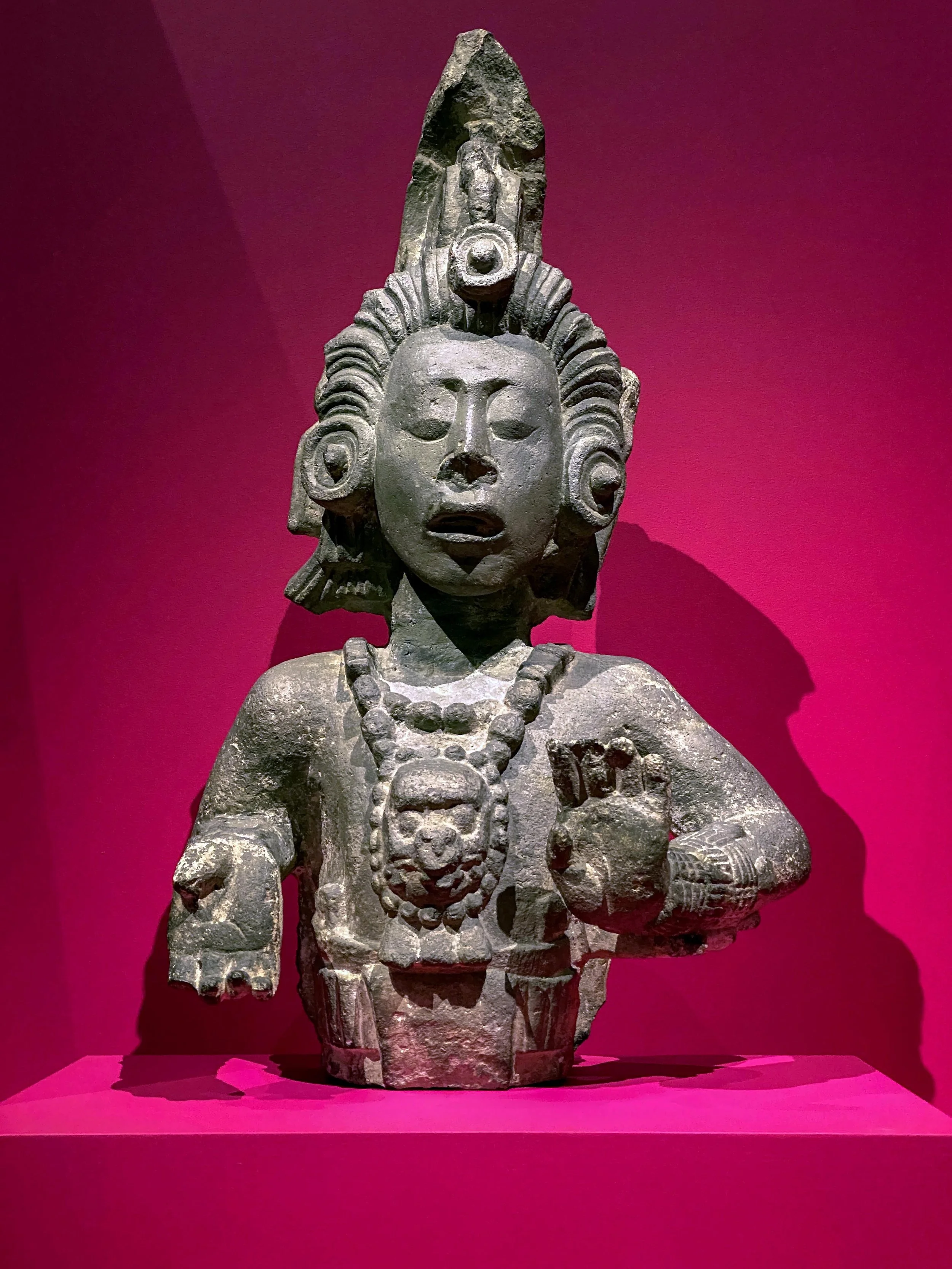
The Maya Maize God
For the ancient Maya, maize or corn wasn’t just food—it was life itself.
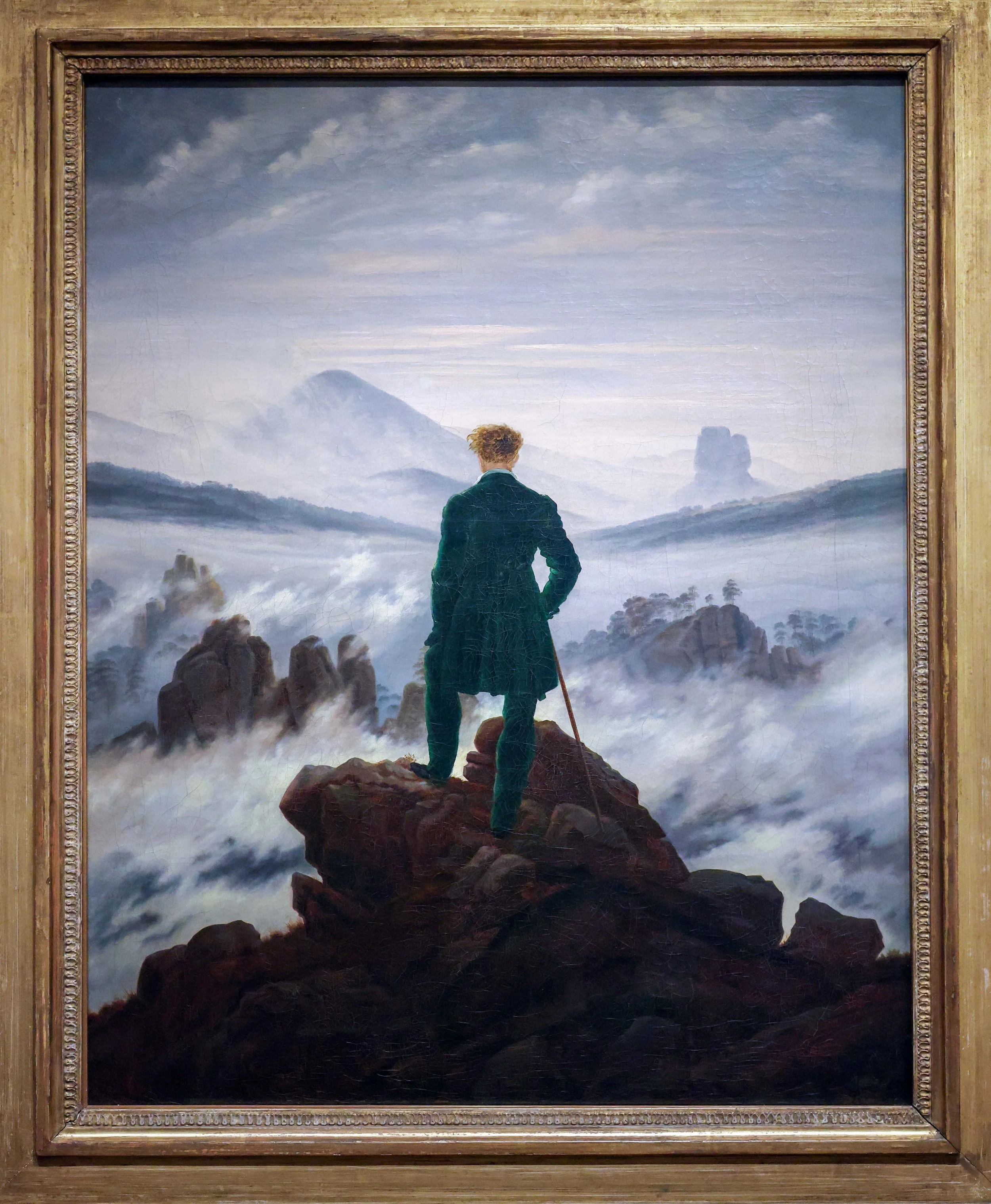
What is Romanticism?
Looking at paintings like Wanderer Above the Sea of Fog and Monk by the Sea by the artist Caspar David Friedrich, this video discusses the art movement known as Romanticism.
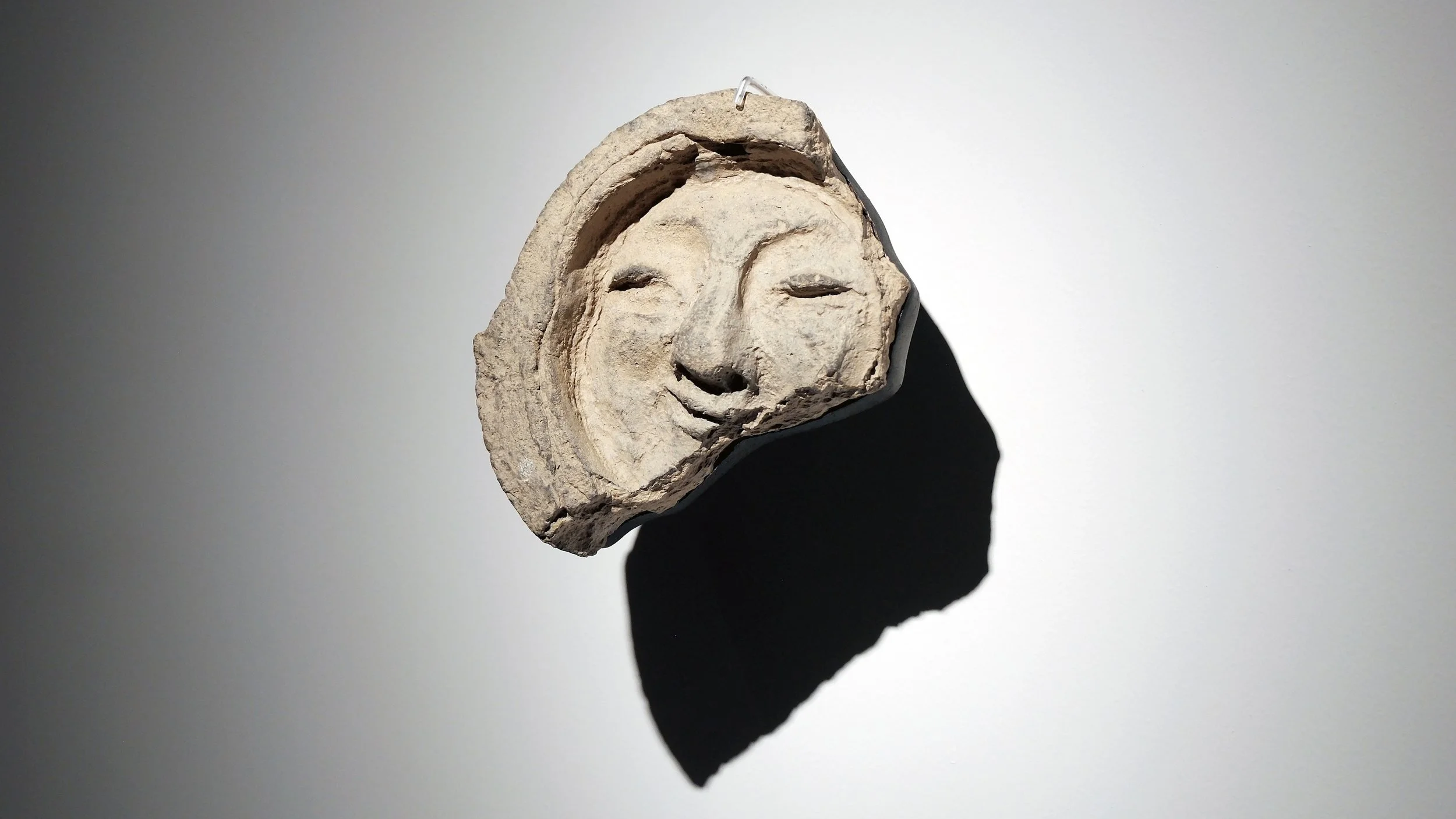
Smile of Silla
This video explores the iconic “Smile of Silla,” a roof-end tile dating to the 7th century and designated a National Treasure in South Korea.

Cenotes in the Ancient Maya World
How did the ancient Maya survive in the arid Yucatán Peninsula?
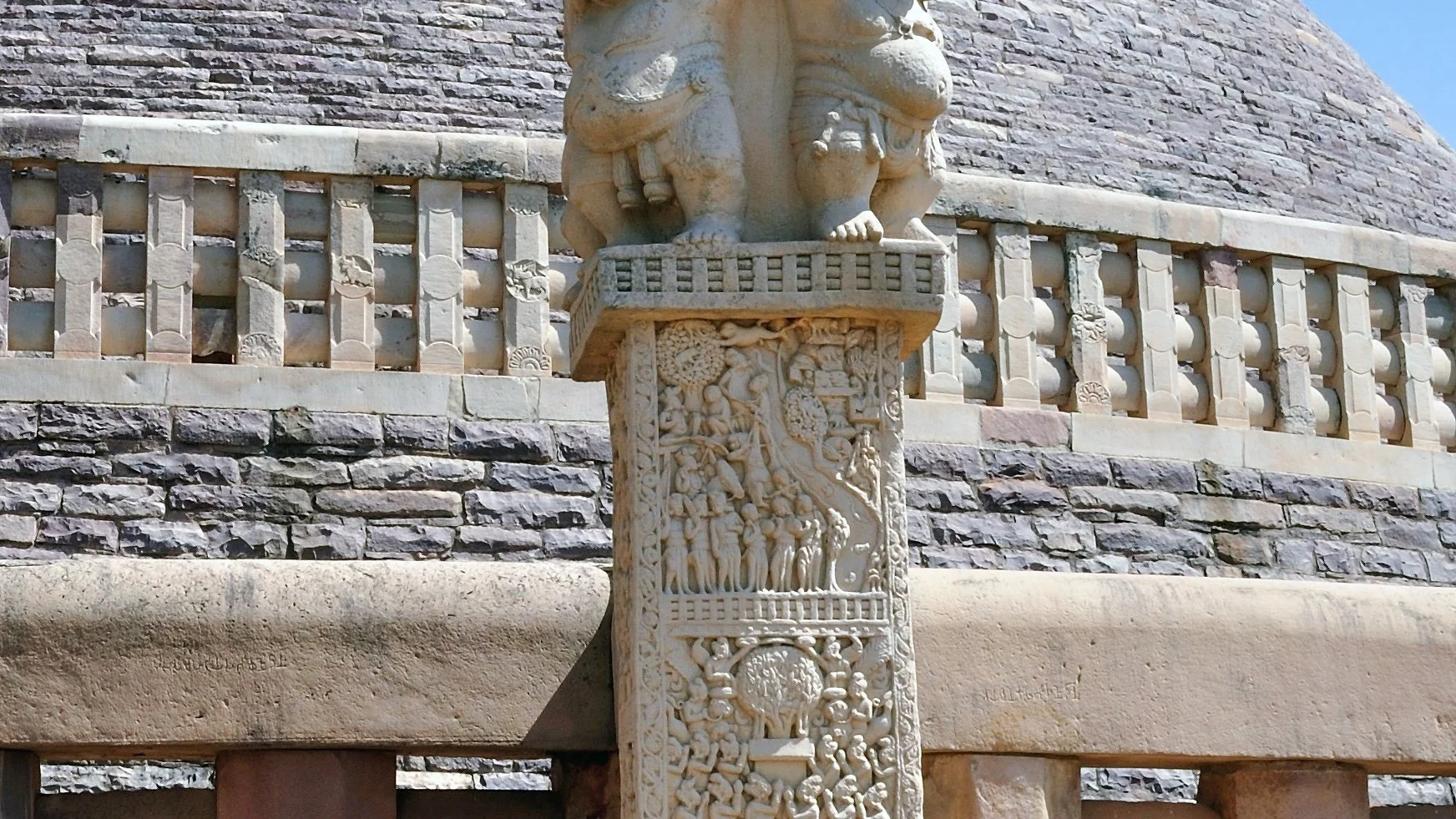
What is a Jataka Tale? The Mahakapi Jātaka at the Great Stupa of Sanchi
This video explains what a jātaka is in Buddhist literature and art, using the story of the Monkey king as an example.
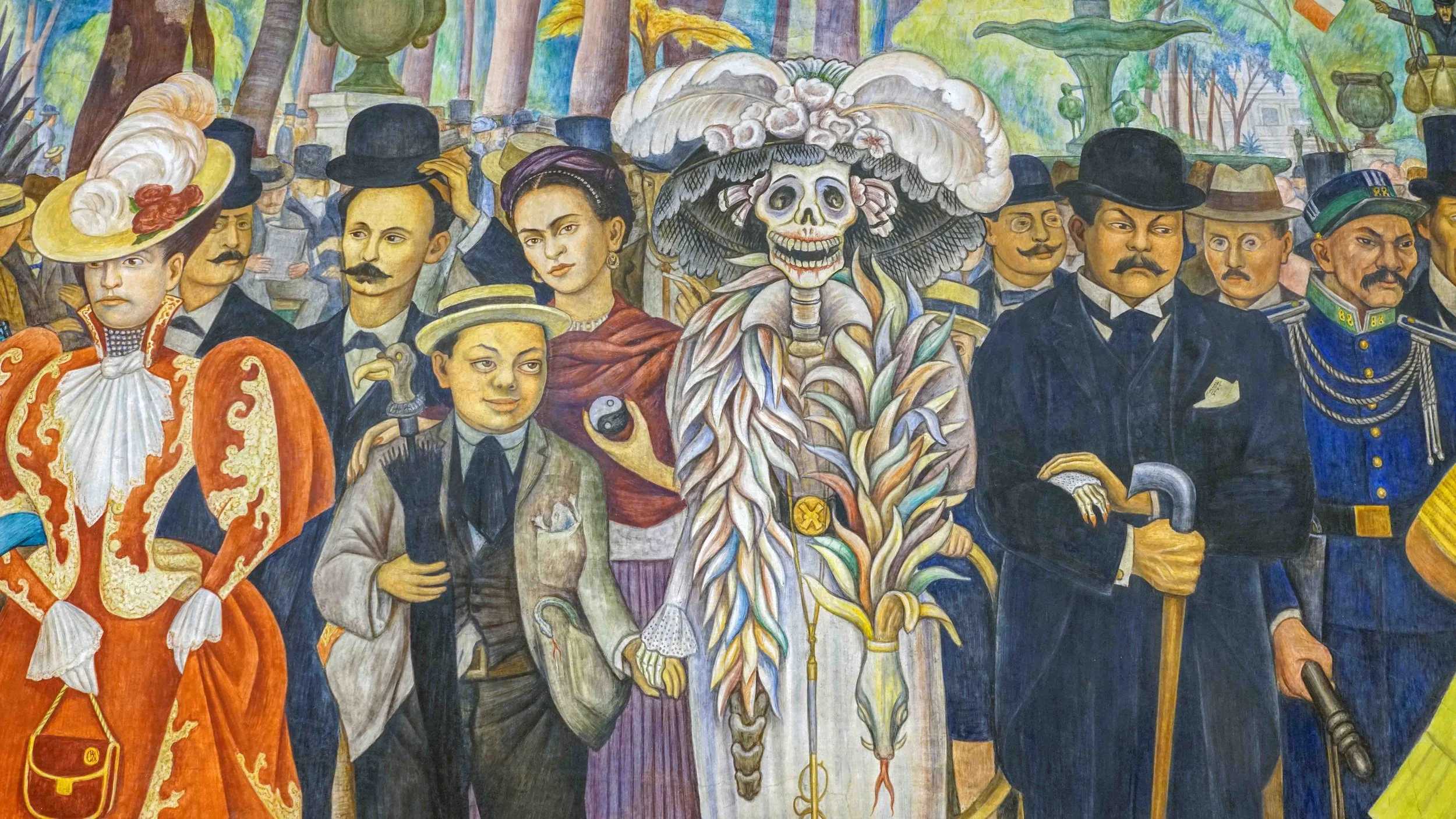
Diego Rivera, Dream of a Sunday Afternoon in Alameda Park
Diego Rivera's mural "Dream of a Sunday Afternoon in Alameda Park" is filled with over a hundred figures from Mexico's history, spanning 400 years.
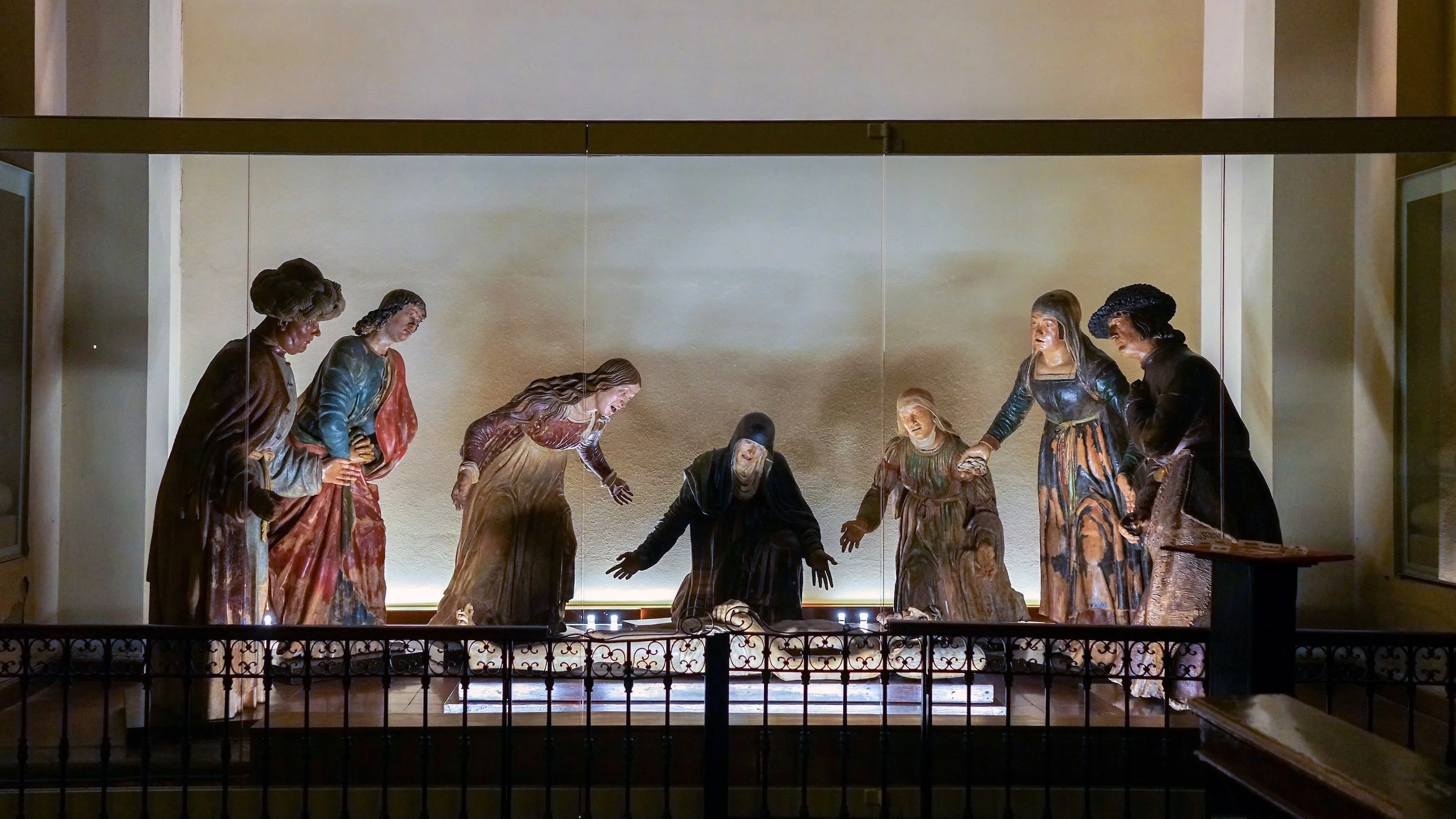
Guido Mazzoni, Lamentation Group in Ferrara
Stepping into the Church of the Gesù in Ferrara, Italy, we encounter a group of standing figures whose faces and bodies are contorted in expressions of sorrow.
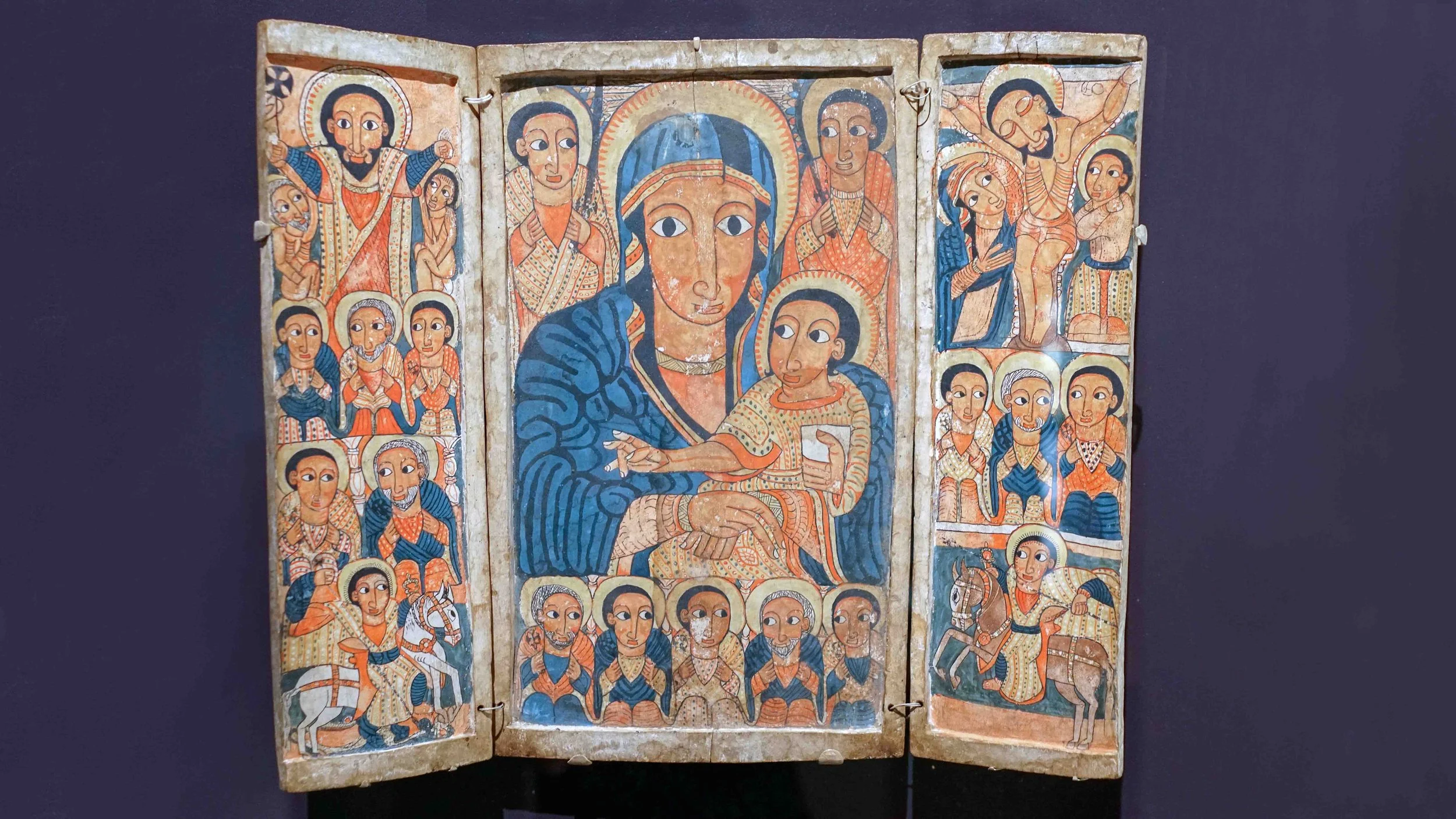
Diptych, triptych, polyptych—what’s the difference?
In art history, there are terms for artworks made of multiple panels, such as diptych, triptych, and polyptych. What do they mean?